Archibaldo Burns
Directing
Biography
Archibaldo Burns Luján (7 April 1914 - 24 January 2011) was a Mexican writer and film director. He was born in Mexico City in 1914. He is the descendant of the Scottish poet Robert Burns. He was sent to Europe at the age of 12, studying in England and then France. Upon his return to Mexico, he administered the cotton ranches of his family in Torreón, Coahuila. At the same time, he became interested in cinema. His first collaboration was with Alejandro Galindo in Refugiados en Madrid (1938). He also worked with Chano Urueta in La noche de los mayas (1939). His first solo effort as director was the short film Perfecto luna (1959), based on a story by Elena Garro. This movie was entered at the Cannes Film Festival but had the misfortune of being shown in a defective copy. It was lost in a fire at the former Cineteca Nacional in Mexico City. Burns made his feature film debut with Juego de mentiras (1967); it was later released commercially under the title La venganza de la criada. Other films such as Juan Pérez Jolote (1973), adapted from a novel by Ricardo Pozas, and the short film Un agujero en la niebla (1967) won awards at international film festivals. He also adapted and directed Oficio de tinieblas (1979), based on a novel by Rosario Castellanos. Some of his films suffered the censure of censors, such as El reventón (1975). As a writer, Burns has published novels (En presencia de nadie, 1964 and Botafumeiro, 1994) and short stories (Los presentes, 1954 and El Cuerpo y el delito, 1966). He was a student of Seki Sano, the Japanese director who taught in Mexico for many years. As a theatre director, he staged La paloma de Amuy by Jean Anouilh in 1953.
Known For

Wild-partying hippie-artist-dilettantes end up forming a revolutionary terrorist cell. The misfit Gato loses a lot of money in bets and his father throws him out of his house. Ál leaves his girlfriend Laura for his lover, the married Adriana. Out of money Gato and Ál becomes urban guerrilla when they plan to kidnap Gato's rich father.
El Reventón

A 1940 film directed by Enrique Herrera.
Los apuros de Narciso
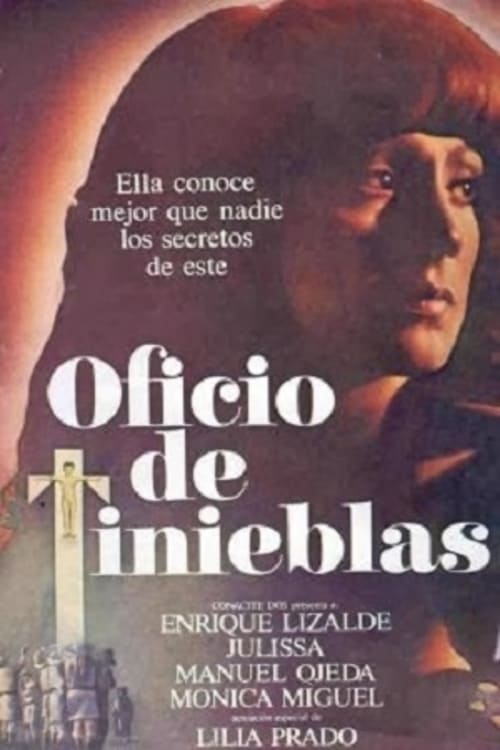
Set in 1934, and meant to dramatize social injustices, this melodrama examines an official's attempt at land reform. The landowners are against any reform and are also not interested in ending the exploitation of their workers. On the opposite side of the fence, the Native Americans have almost no way to better their living conditions or to fight oppression. They are also plagued by "superstition," which leads to some misguided actions that only make things worse. Violence and sexual encounters are interspersed throughout the story.
Occupation of Darkness
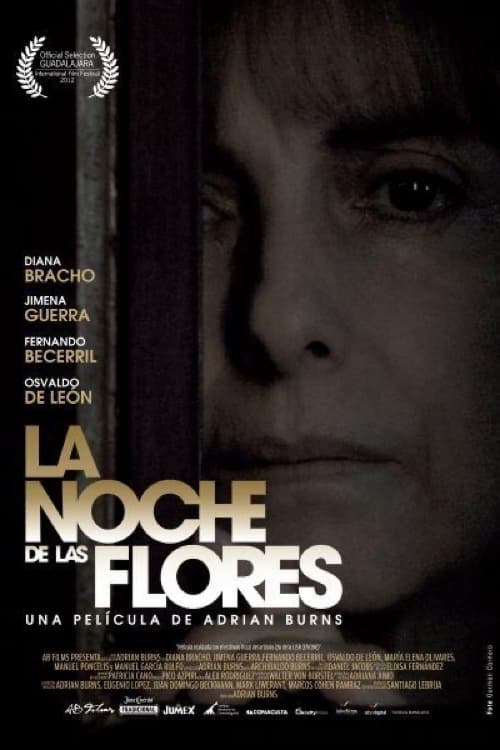
The story of a wooing in which the stepdaughter, Elena, seduces her stepmother. A love story that is unpredictable for both, where reality overcomes their principles and traditions.
La noche de las flores
A white man seduces a local girl in an isolated Mayan village, which makes gods unhappy.
The Night of the Mayans
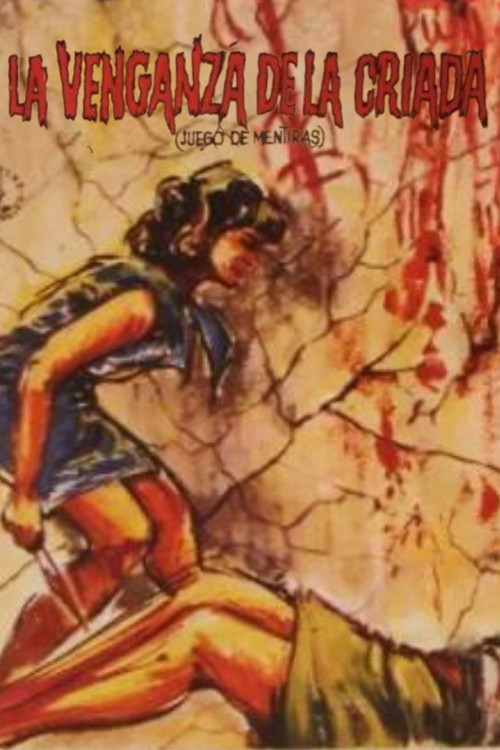
The return of Luisa to the house where she worked as Marta's maid is the trigger for a long confession, in which truth and lies are inseparable. The film confronts, with moderation and subtlety, the closed and welcoming status of a society lady, with the barbarous and primitive thinking of her ex-maid who has visited her for one night, and shows what seemed like an inconsequential encounter. little by little it becomes a ritual of death.
Juego de mentiras
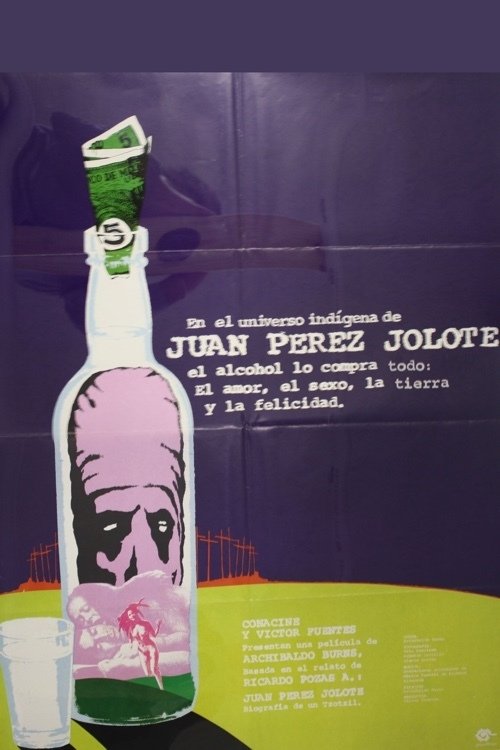
The story of a Tzotzil man who goes from his village of Chamula outside of San Cristobal de las Casas Chiapas, Mexico and joins the Mexican army. When he returns to Chamula later, he finds he has become an outsider. From the novel by Ricardo Pozas.
Juan, the Chamula

"A Hole in the Fog" - A kind of film haiku, an open micro-poem where the indeterminate narrative leaves all space to the contemplation of images.