
Živojin 'Žika' Milenković
Acting
Known For
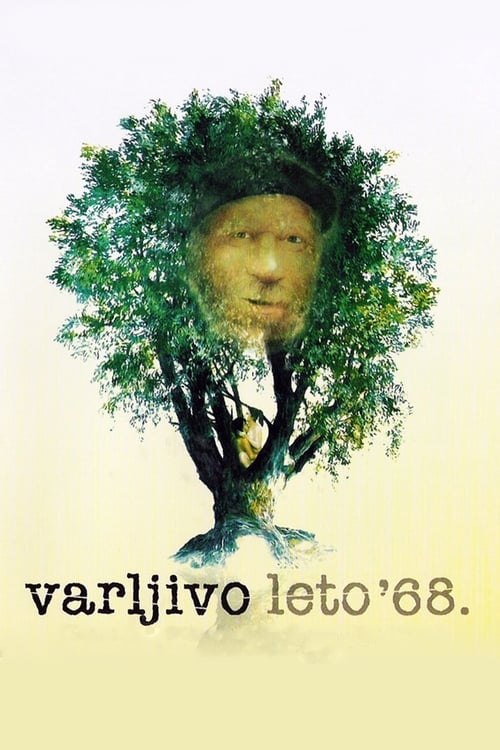
For the young man who lives in Serbian province town, the maturing coincides with the turbulent political events of the year 1968.
The Elusive Summer of '68
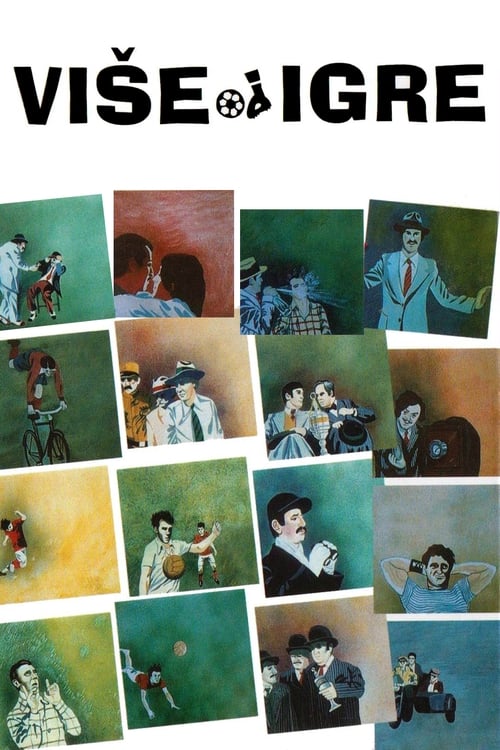
The story follows a ten-year period before WW2 in a fictional town of Gradina, Serbia and its residents, which went through the turbulent events like the Great Depression and the rise of fascism. But the most important segment of the story revolves around rivalry between two city's football clubs - Radnicki and Gradjanski.
More Than a Game
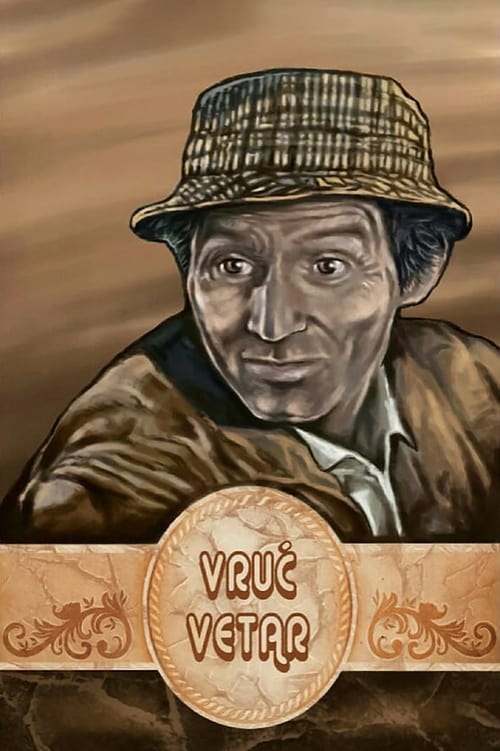
Vruć vetar is one of the most popular Yugoslav TV miniseries that aired in 1980. The show and movie cut from scenes of the show were popular in neighboring countries-also very popular in Czechoslovakia. Its main theme became very popular and enjoying a bit of a cult status. The story follows Shurda, a man in his 30s, who comes from a small town to Belgrade to get rich. However, as no job is good enough for him, he tries his luck in Germany, but this venture proves to be the same, so he returns to his native Yugoslavia.
Hot Wind

The series is about the life of a group of students on the outskirts of Belgrade. One of the main characters is Buda, who fails to pass the final exam, but with the help of his father Sima Bumba, manages to get a job.
The Graduates
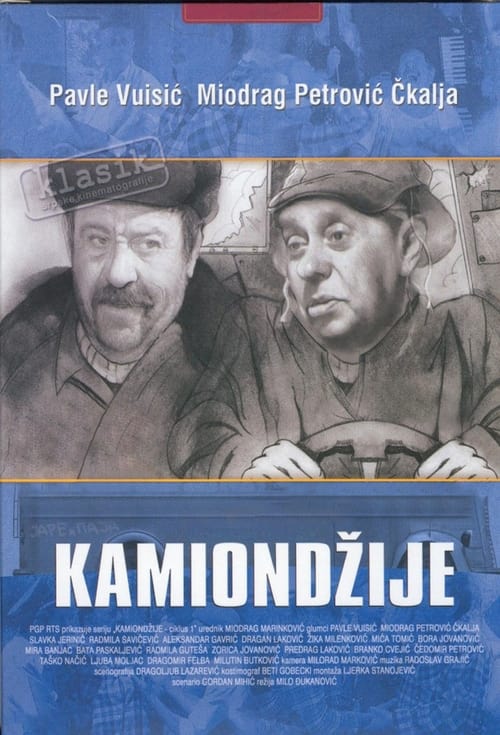
The adventures of Paja and Jare, the two honest and good-natured truck drivers and partners in business. They meet various people while on the road, which mostly turns out bad for them, but at the end it's their friendship that saves the day.
Truckers
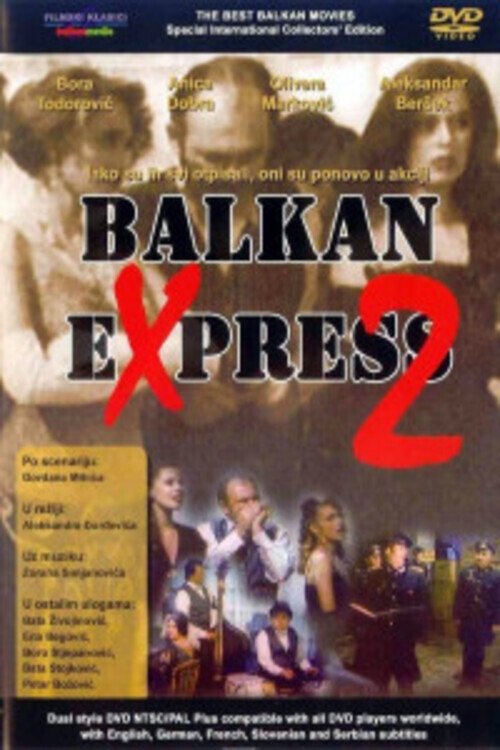
TV series made as an extended version of an eponymous feature film. A quintet of small-time crooks that works under disguise of a musical band become the supporters of Partisan resistance movement in WW2. Being forced to escape to another part of the occupied territory, they hide in "Marlene Saloon" forgetting that the bordellos of the kind are an ideal place for espionage during the war. They get more problems than peace and rest and the tragicomedy starts.
Balkan Express 2
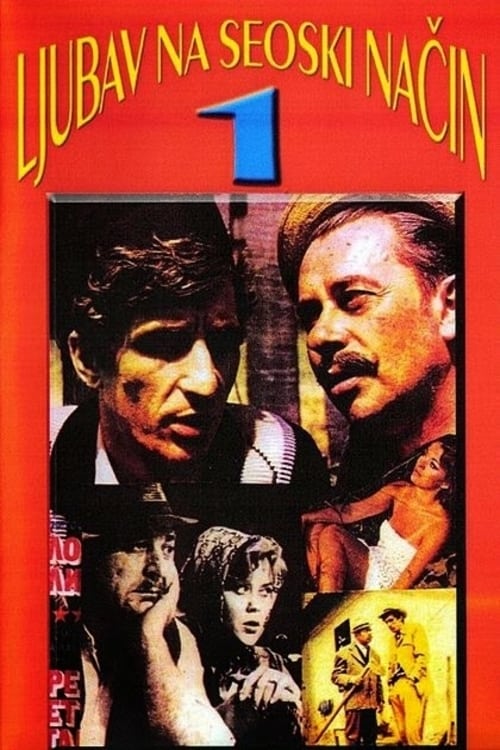
Milorad is a young villager grown enough to marry, but his uncle Gvozden and grandpa Paun want to arrange him a marriage with Radmila, a girl from a wealthy family. He escapes to the big town, refusing to take part in it, but his adventure with a girl named Rozika ends up and he finds himself back in his village again.
Love, Village Style
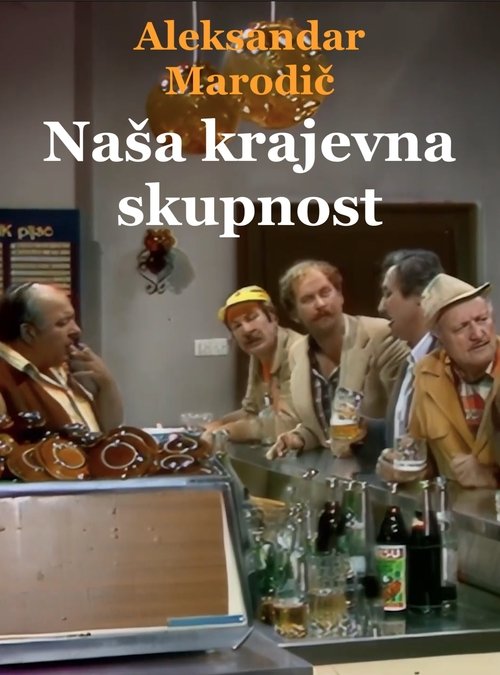
The series illustrates an everyday life of ordinary people, various complications and tangles.
Our Local Community
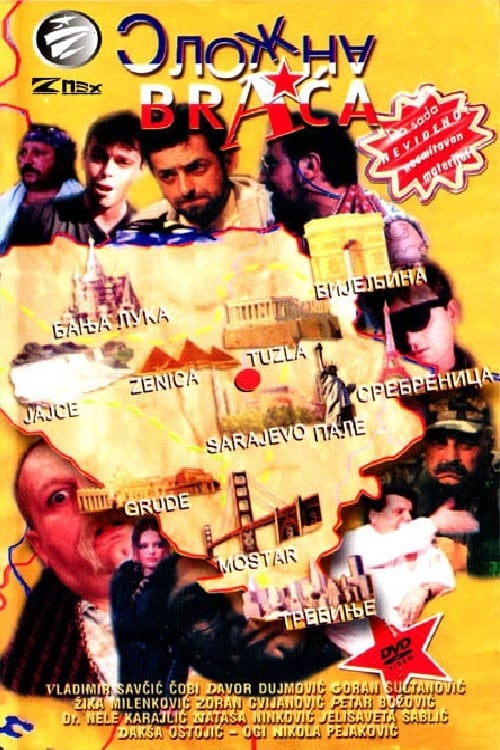
Taking place just after the end of Bosnian War, the series is mostly set in a kafana named Složna braća owned by Halimić brothers and located on a small patch of UN-controlled territory (covering 0.0657 km2) not claimed by any of the three warring sides. Serbs, Bosniaks, and Croats, otherwise very hostile to each other following a ferocious civil war, regularly visit the said kafana in no man's land in order to arrange mutual black market activities (weapons and food trade, oil and cigarette smuggling, etc.). When the word gets around about an important weapons shipment passing through the territory that can supposedly completely change the division of power in the Balkans, the place becomes a lively hub of espionage, deal making, and skulduggery.
United Brothers
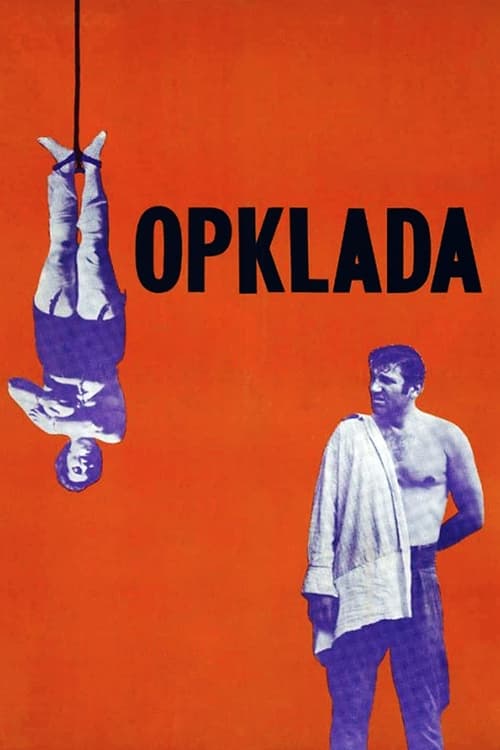
A young woman leaves her older husband, the owner of a village mill, for a truck driver whom she met while he was in their village by business. While trying to find him, she experiences the life in suburbia, and gets back to her husband disappointed, disgraced and humiliated.
The Bet
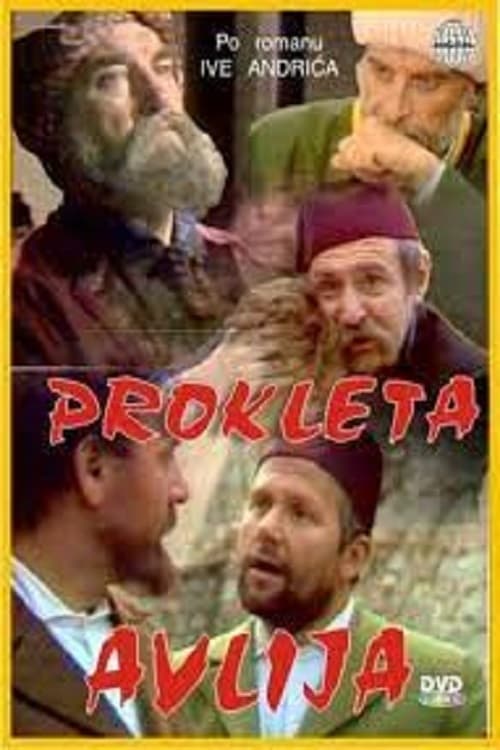
Bosnian Franciscan monk is put into an infamous prison in Istanbul. There he witnesses the sad destiny of a young Ottoman scholar.
The Damned Yard
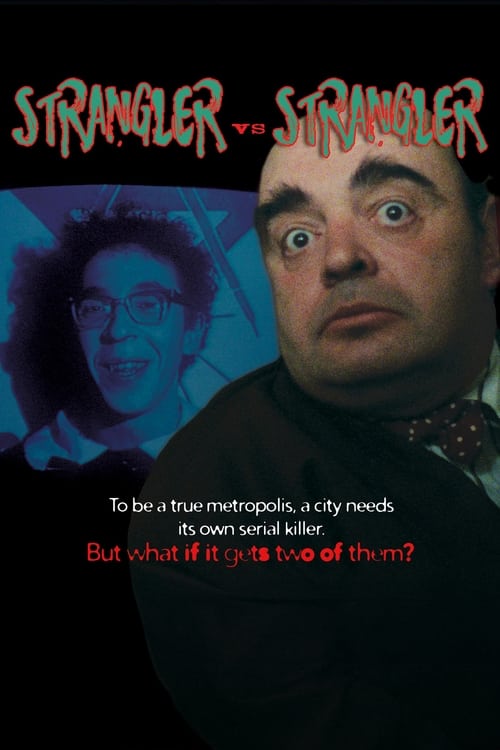
When it comes to crime, Belgrade is same as any other modern metropolis, except for having its own serial killers. That blank is filled when a flower salesman begins strangling women. A popular, but very disturbed rock star soon becomes telepathically connected with the killer.
Strangler vs Strangler

Fascinated by his friend's success abroad, an out-of-work barber Šurda tries his luck in Germany. Incapable to accept any job that would suit him, he returns to his homeland in disappointment. Based on a popular TV serial "Hot Wind" ("Vruć vetar").
The Adventures of Borivoje Surdilovic
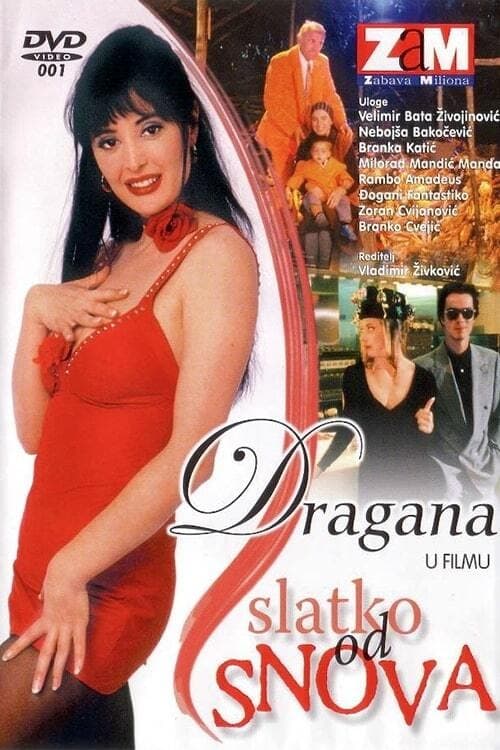
Deni, a young woman working in McDonalds, has dreams of fame. When a producer discovers her singing talent he gets her into the game. However, she soon feels overburdened. Fortunately, the ghost of Elvis is there to help her.
Dream Marmalade
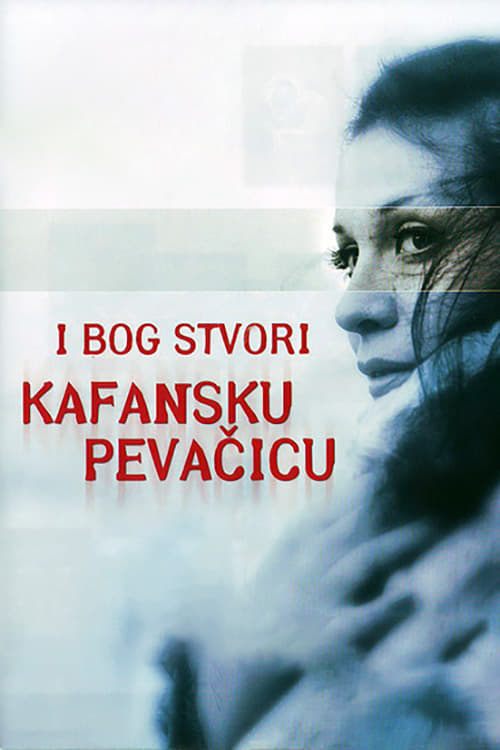
An electro-technician falls in love with a bar singer, but her job environment, full of alcohol, despair and tired truck drivers, causes nothing but troubles for him.
And God Created a Tavern Singer
A modernized comedy of Branislav Nusic's novel, about the life and work of a "small manufacturer", his professional and familial relations.
Balkan Perestroika
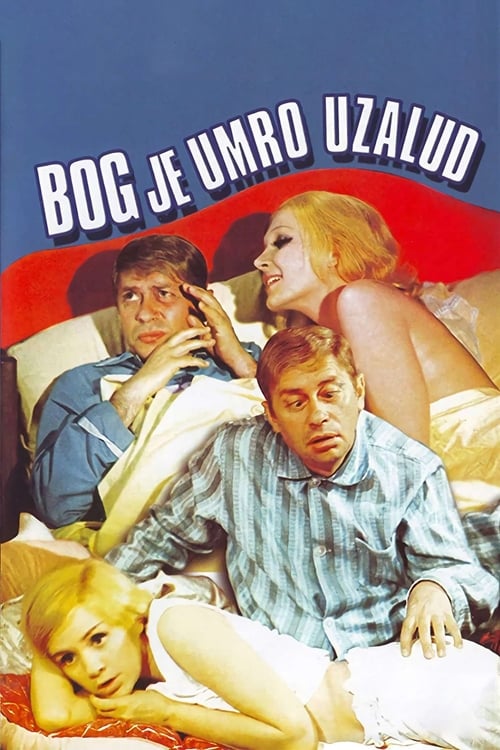
A trademark comedy by well known Yugoslav writer Radivoje 'Lola' Djukic. Nenad and Predrag are twin brothers. Nenad is the poor carpenter who works in the factory with deep financial problems, and he is one of the union leaders. On the other hand, his twin brother Predrag is the successful executive of a large socialist company, and he enjoys all the benefits of his position. As Predrag's company refuses to give a loan to Nenad's factory, Nenad decides to kidnap his twin brother with his union mates and to take his place in order to get the credit. But in the process, their plan has been unexpectedly changed.
God Died in Vain
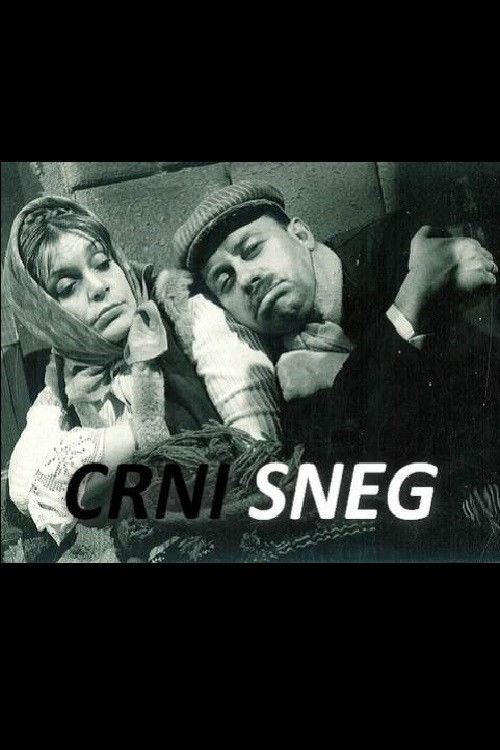
A group of train travelers get stranded by blizzard. They take shelter in a train station, where each episode focuses on two of the characters.
Black Snow
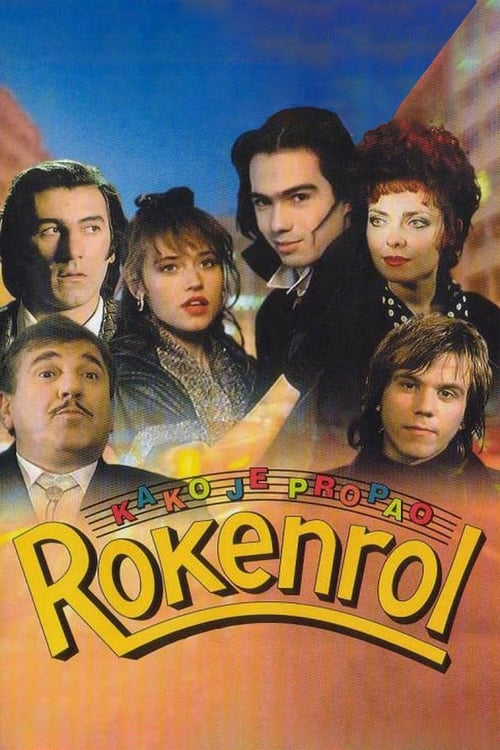
Omnibus film, consisting of three independent parts: in the first story, Koma, a failed rocker, wants to prove to his producer father that newly composed music could be better than his. He becomes a mysterious masked folk singer-known as Ninja. In the second, Dracula is killed... again. This time he does not dies oby way of a wooden stake, a silver bullet, or a cross. A blonde woman manages to deprive him of eternal life without the help of sunrise. The last story is about Eve and Djuro. She is creator, he is a musician. They live in a harmonious relationship, but a love letter brings division among them.
The Fall of Rock and Roll
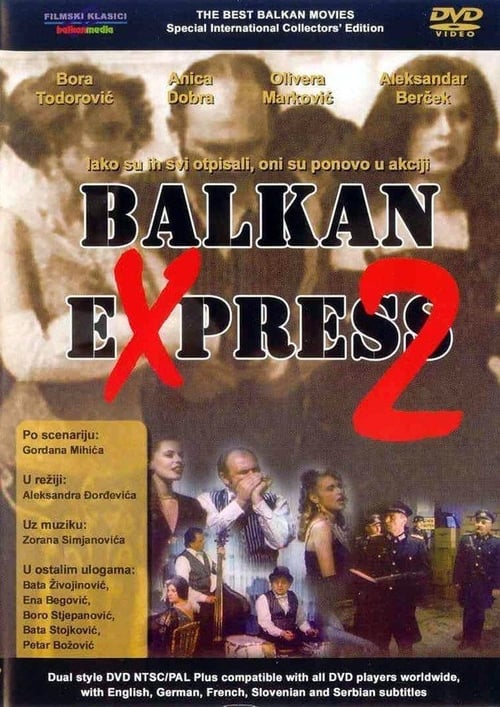
A group of musicians, whose band is called "Balkan express", in fact a quintet of small-time crooks , trying to make some money in Nazi-occupied Serbia.