Acting
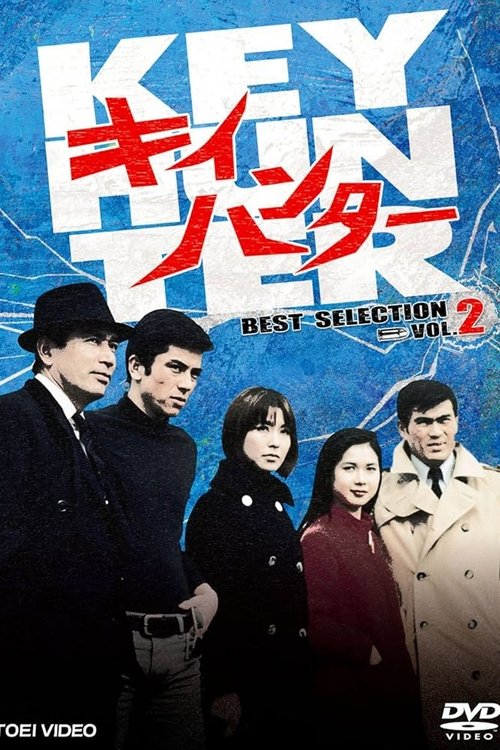
Key Hunter is a prime-time Japanese television detective series. It aired on Saturday nights in the 9:00–9:56 p.m. time slot on the Tokyo Broadcasting System network from April 6, 1968 to April 7, 1973. There were a total of 262 episodes, and it was one of the most popular action dramas in Japan at the time. The story involved "Key Hunter", a special clandestine unit of the International Police, which endeavored to solve various crimes. "Key Hunter" was a unique TV show, which started out as a grand scale spy thriller never before seen in Japan. The episodes were individually themed on global crimes and political strife. The initial hardboiled theme later evolved to include intellectual elements involving action, and occasionally with comical elements as well. Tetsuro Tamba starred in the 1967 film You Only Live Twice as Japanese Secret Service agent Tiger Tanaka, an ally of James Bond. This role greatly influenced his image in "Key Hunter".
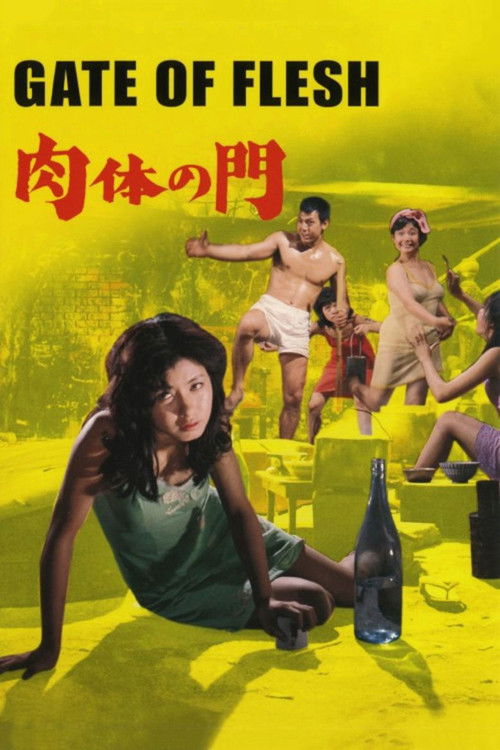
In the shady black markets and bombed-out hovels of post–World War II Tokyo, a tough band of prostitutes eke out a dog-eat-dog existence, maintaining tenuous friendships and a semblance of order in a world of chaos. But when a renegade ex-soldier stumbles into their midst, lusts and loyalties clash, with tragic results. With Gate of Flesh, visionary director Seijun Suzuki delivers a whirlwind of social critique and pulp drama, shot through with brilliant colors and raw emotions.
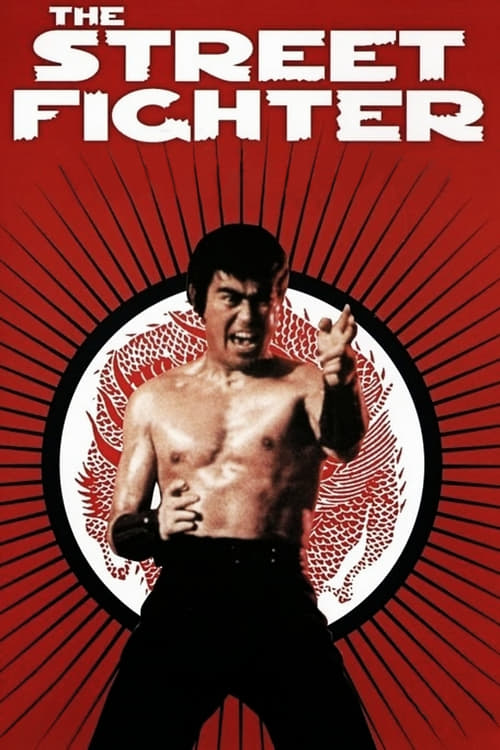
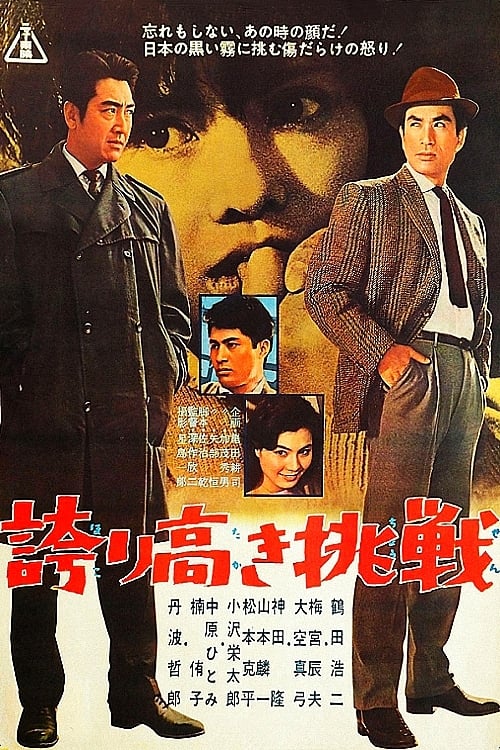
Takuma Tsurugi takes on the government, the police, the mafia and an international ring of kidnappers who aim to dispossess a beautiful young heiress of her millions.
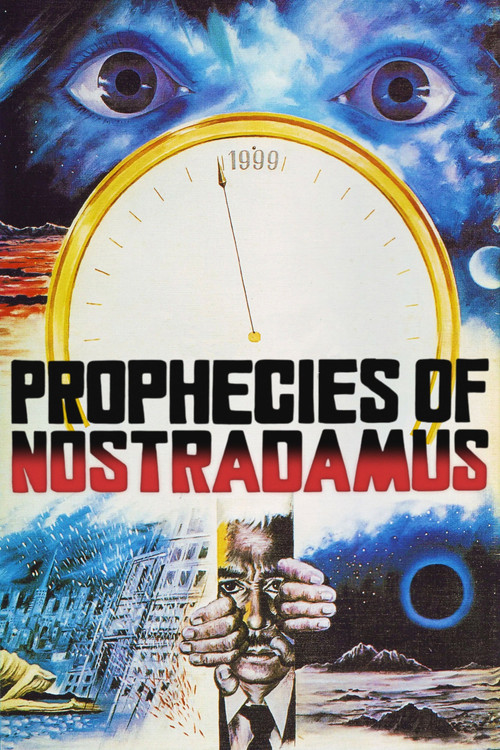
Professor Nishiyama, after studying and interpreting the prophecies of Nostradamus, realizes that the end of the world is at hand. Unfortunately, nobody listens to him until it is too late. As the effects of mankind's tampering of the earth - radioactive smog clouds, hideously mutated animals, destruction of the ozone layer - rage out of control, the world leaders hurtle blindly toward the final confrontation. The film sparked controversy in Japan and was subsequently pulled out of circulation, with no official video release of the uncut film.
A group of military personnel transporting a hydrogen bomb are left to figure out how and why swarms of killer bugs took down their plane; the answer is more deliriously nihilistic, and convoluted, than they could imagine.
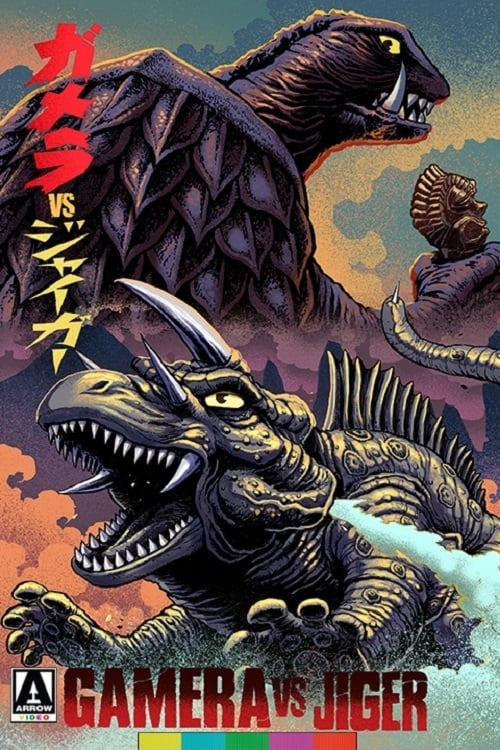
When a giant stone statue on Wester Island is disturbed, the legendary monster Jiger appears and heads for Japan. Gamera tries to stop this new rival, only to be injured when Jiger lays eggs inside of him. As two boys in a submarine go on a dangerous quest inside of Gamera's body to save him, Jiger threatens the Expo '70 world's fair in Osaka.
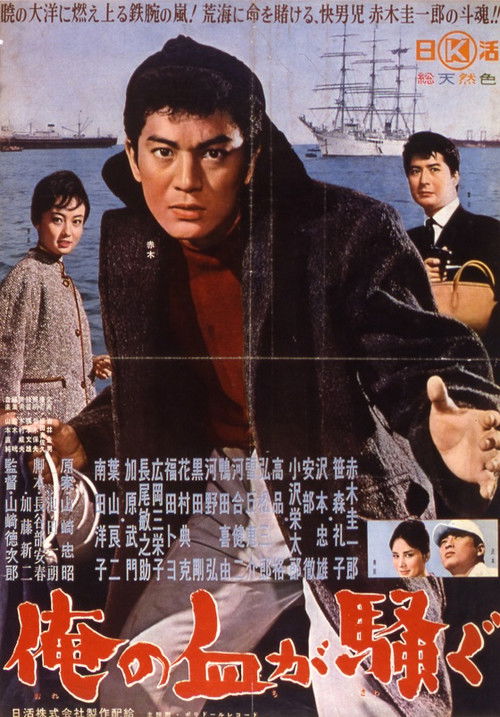
A juvenile delinquent gets out of the pen and immediately embarks on a rampage of untethered anger, most of it directed at the girlfriend of the journalist who helped send him up.
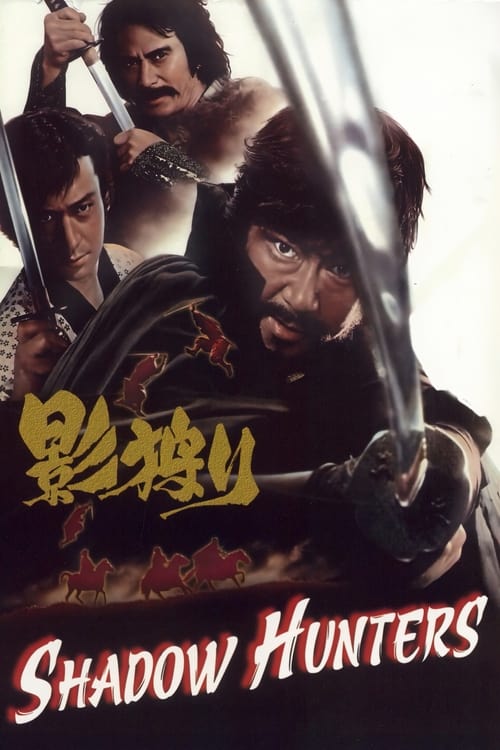
Set during the declining years of the Tokugawa shogunate, Shadow Hunters details the questionably noble exploits of three ronin who act as "Shadow Hunters". These three ronin are not your normal ornery ruffians who are looking for a drink, a broad and someone to jab a sword into, but are in fact former samurai who, rather than follow their destroyed fiefs and murdered masters into death via seppuku, have dedicated their combined sword prowess to stopping the government from raping its daimyos for valuable resources.
Two Japanese spies with extrasensory powers go to Istanbul to stop a global agenda of assassinations.
The lives of two brothers, Kunio and Akira Kasahara, are changed forever when their father is murdered. Kunio sets out on a manhunt to avenge his father and will stop at nothing until he finds the killer. Setsuko, Kunio's fiancée, is unable to keep up with the lunacy that Kunio stirs up and finds comfort with another man - his brother, Akira.
Akira, a young, jazz-obsessed drifter, returns to his squat, a ruined church, and finds Gill, a wounded African-American GI, on the run after the death of a white GI. Despite terrible misunderstandings and culture clash, Akira agrees to help Gill escape towards the sea, dodging military police along the way.
1962 Japanese movie
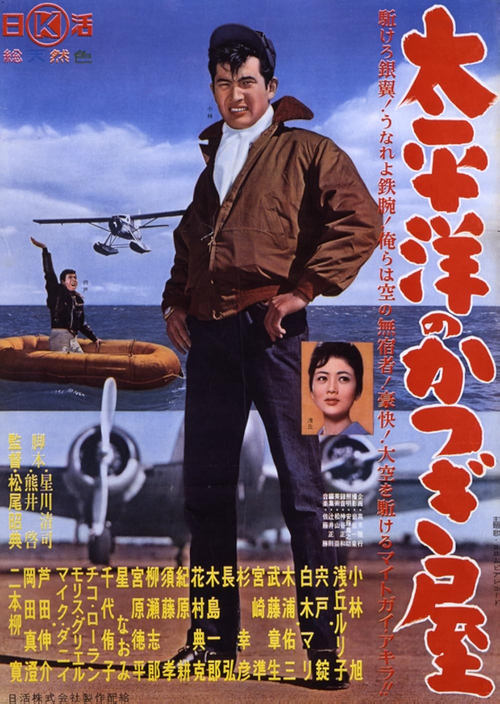
Tetsuji Tachibana was fired as a pilot after Jim gave false testimony in an accident caused by Captain Jim's intoxication. Only Junpei Nambu, the editor-in-chief of “Kokuikai” (Aviation World), was on Tetsuji's side. Tetsuji questions Jim, but Jim refuses to tell him anything, and the atmosphere turns sour. At that moment, Yosuke Sugie, a former classmate of Tetsuji's at the Civil Aviation College, enters the office.
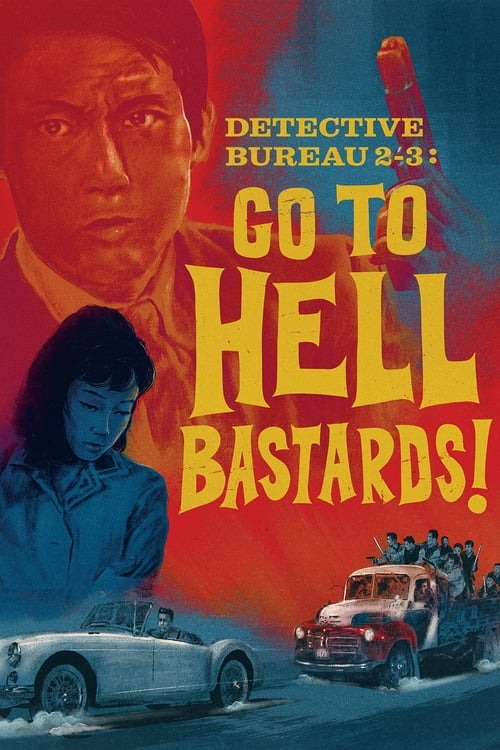
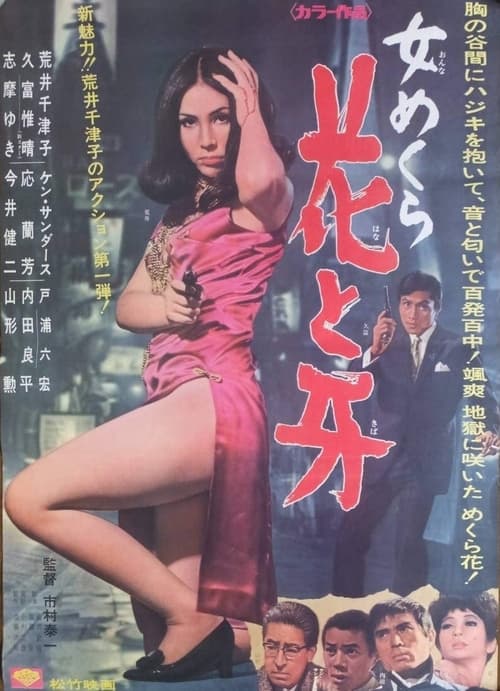
Tajima is a private detective in charge of his own company, Detective Bureau 2-3. When warring criminal gangs go overboard by robbing U.S. military munitions, Tajima steps in to stop what the cops can't.
Journalist Kuroki is investigating clandestine arms sales to Southeast Asia. He discovers that the point man in an arms trade was also involved in the cover-up of a murder on an American base during the Allied Occupation. The film rolls along as a suspenseful thriller while offering a critique of political corruption, hypocrisy, and journalistic cowardice in postwar Japan.
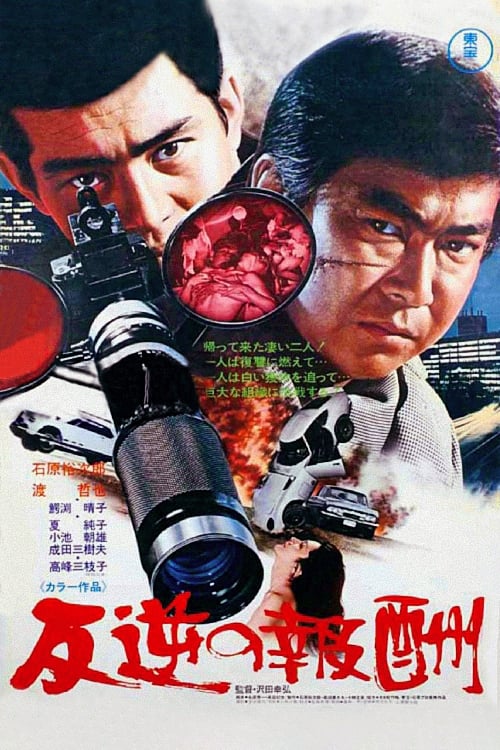
The film tells about drug trafficking from Vietnam to Tokyo and Okinawa. Tetsuya Watari plays a photographer who uses his camera as a blackmail weapon. He is on the trail of a narcotics smuggler (Mikio Narita) and his beautiful contact (Haruko Wanibuchi). Watari meets a former gangster (Yujiro Ishihara) who is seeking revenge against Narita, his former partner. Watari and Ishihara become allies and hijack the dope shipment. But Narita threatens the life of Haruko, who turns out to be Ishihara's sister, and demands the dope in return for the girl.
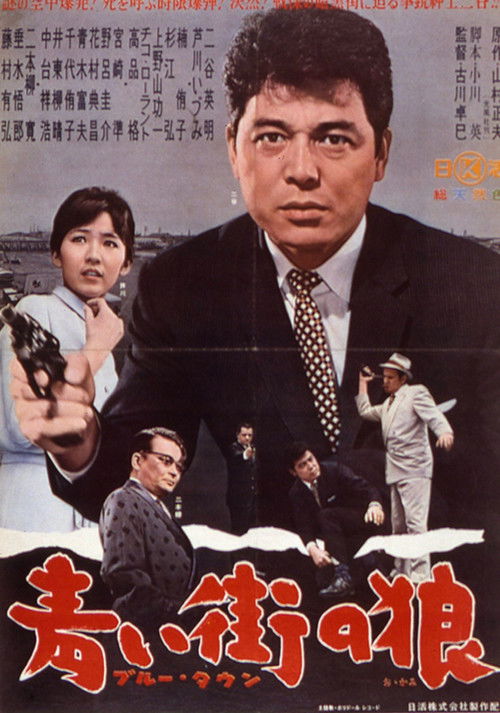
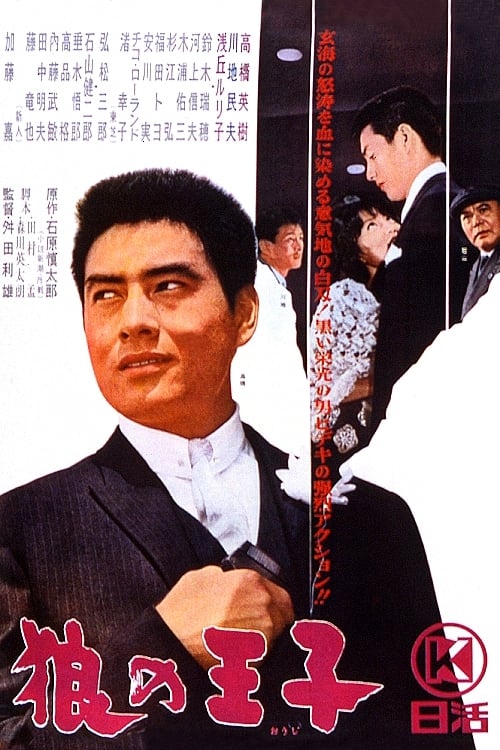
As the post-war turmoil continued, Take, the boss of the waifs, stole the money of US soldiers and lived with friends. They were like children of wolves. By chance, they were found by and became a members of a yakuza family. Five years later, Take dominated the port town as a young boss.
A group of criminals whose diamond heist goes wrong retreat to a WWII era bunker where tensions begin to rise.
Japanese crime film
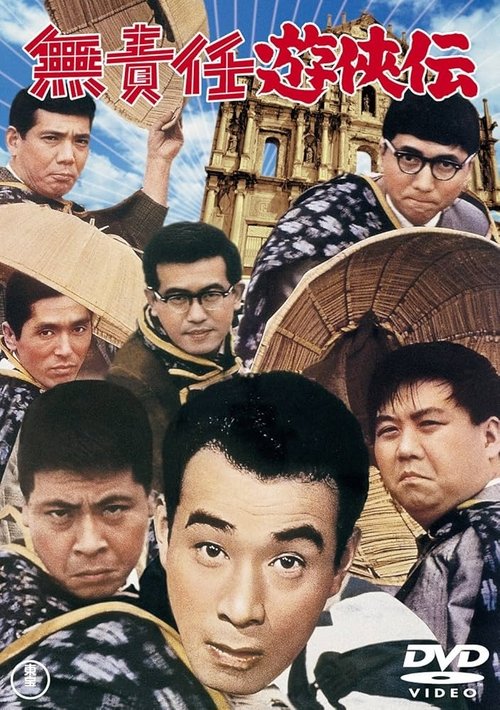
The members of Crazy Cats play employees of a trading company. Ueda Hitoshi of Awa Shoji, a lucky man who never loses a bet, and the managing director, a gambling fanatic, are scammed in a business deal and set off for Macau where the mastermind, Chang, is located for a gambling showdown. Kei Tani plays the role of the Macau gambling manager.