Production
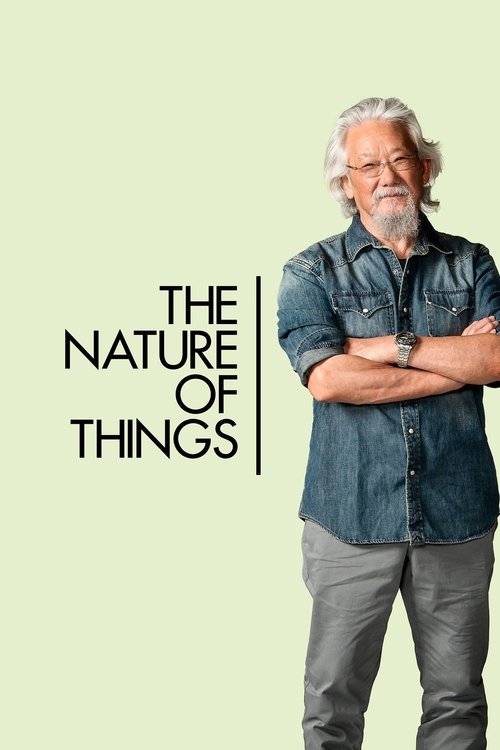
The Nature of Things est une série télévisée canadienne de programmes documentaires. Il a fait ses débuts à CBC Television le 6 novembre 1960. Bon nombre d'émissions documentent la nature et l'effet que les humains ont sur elle. Le programme a été l'un des premiers à explorer les problèmes environnementaux, tels que la coupe à blanc.
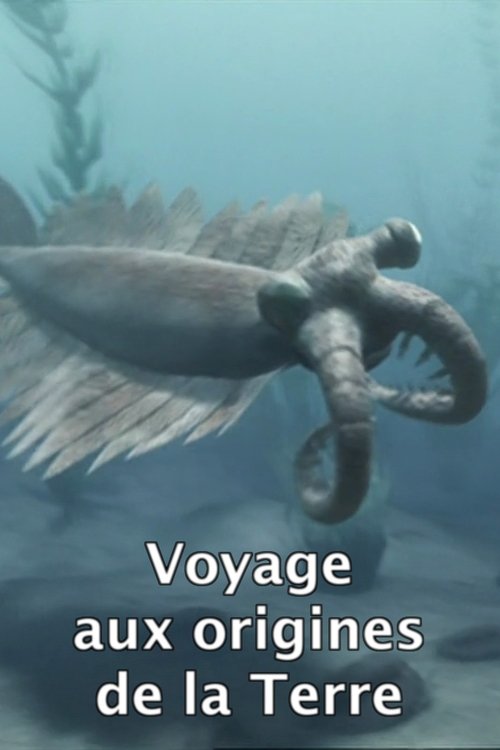
De sa naissance à aujourd'hui, la Terre a vécu une très longue vie, faite de multiples évolutions. Chocs des météorites, éruptions volcaniques, fluctuations climatiques, grandes chaleurs ou ères glaciaires, la formation de la planète a été chaotique, parfois violente, souvent inhospitalière. Ce documentaire montre comment se sont formés les océans, comment les continents ont peu à peu pris leur forme actuelle, comment la vie est née sur Terre, grâce à son atmosphère unique. Il invite également à découvrir les habitants qui l'ont peuplée au cours des âges : les grands dinosaures, les mammifères puis, évidemment, les êtres humains.
Aucune description disponible.
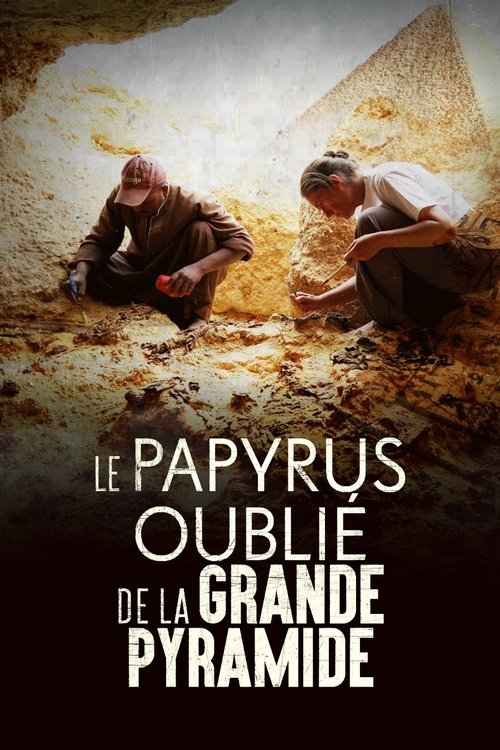
Depuis des millénaires, la pyramide de Gizeh fascine et suscite de nombreuses interrogations chez les archéologues. La découverte du plus ancien papyrus jamais retrouvé en Égypte a permis d'étancher leur soif de connaissance. Écrit par un homme de confiance du pharaon Khéops, un certain Merer, ce journal de bord est une mine d'information pour la mission archéologique franco-égyptienne dirigée par le Français Pierre Tallet. Au cœur des cités ouvrières, cette enquête unique lève enfin le voile sur l'ampleur du chantier de la grande pyramide et ses répercussions dans tout le bassin méditerranéen.
Le tombeau de Toutankhamon, le plus célèbre des pharaons, découvert en 1922 dans la Vallée des Rois par l'archéologue britannique Howard Carter, regorgeait de trésors inestimables. L'égyptologue Chris Nauton veut résoudre les nombreux mystères qui entourent encore ce tombeau, visiblement trop petit pour accueillir l'énorme sarcophage du souverain, et cherche à éclaircir les circonstances de la mort du jeune roi. Quelle a été sa véritable histoire ? Pourquoi sa momie est-elle unique ? Pourquoi son tombeau est-il l'un des seuls à n'avoir pas été largement pillé dès l'antiquité ? Une autopsie virtuelle permet notamment d'en savoir plus.
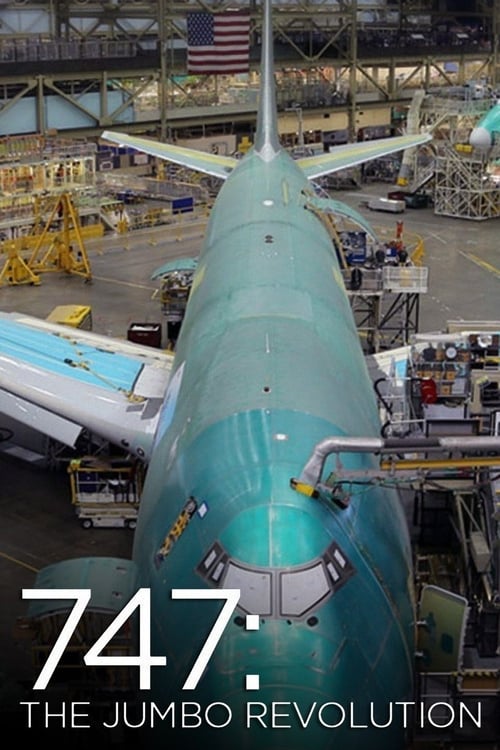
À tout moment, des centaines de personnes arpentent le ciel à bord d'un 747. Depuis son tout premier vol en 1969, tous les avions lui sont comparés. Mais son parcours de 45 ans est loin d'être linéaire. Voici l’histoire du Boeing 747, de ses moments marquants et de ses triomphes à ses tournants et ses désastres. Découvrez son histoire à travers des images d'archives rares et des récits de pilotes, d'ingénieurs, de concepteurs et de passagers présents dès ses débuts.