
Goran Radovanović
Directing
Known For
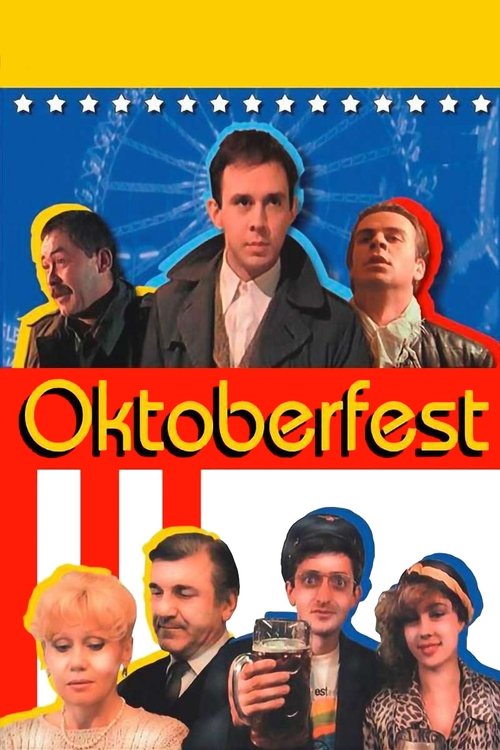
Luka Banjanin is an unemployed young man living with his parents in Belgrade. He hangs out with few devoted friends who, like him, are yet to find place in a society that discarded young intellectuals. He plays saxophone and dreams about going to Oktoberfest, the annual beer festival in Munich, but he's being unable to get passport because of a smaller drug incident he had in the past. Totally careless about his long-term girlfriend, he suddenly falls for a mysterious woman who seems to appear in the same places as him, and then vanishes as quickly as possible. Believing that he's at the wrong place at the wrong time, Luka wanders from one misadventure to another, gradually losing the contact with reality and living out his own Oktoberfest in his mind.
Oktoberfest
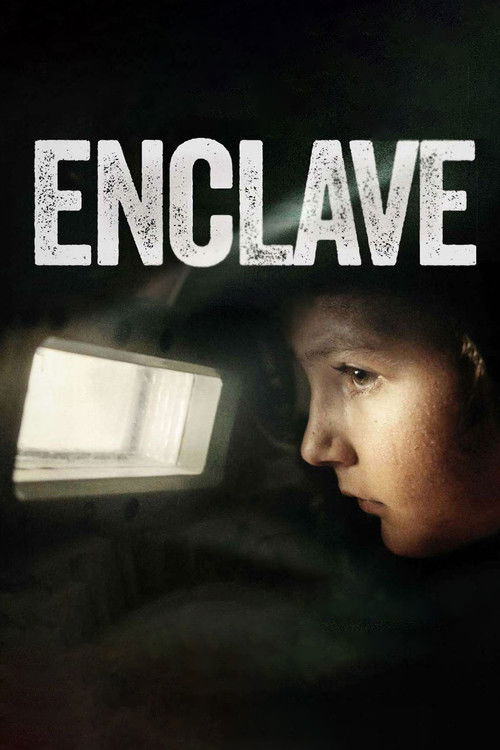
Nenad, ten years Christian boy from a Serbian enclave, determined to create a proper community burial for his late grandfather, crosses enemy lines and makes friends among the Muslim majority in deeply divided, war-torn Kosovo.
Enclave

An employee of the Berlin Museum of Transport arrives on vacation with his son Peter in St. Petersburg, intending to make a video about the local museum of transport. Here, the heroes learn about the existence of a rare exhibit — an ancient steam locomotive and begin to search for it.
Russian Steam Locomotive
The Makavejev Case or Trial in a Movie Theater explores the position of an artist in the Socialist FR Yugoslavia, focusing on the political and social climate that used public platforms to condemn the film WR: Mysteries of the Organism, under the auspices of the Communist Party.
The Makavejev Case or Trial in a Movie Theater

Sava, her mother and little brother live in a skyscraper in Belgrade. That normal life is interrupted by the bombing of Serbia. A shelter becomes his new home and Milica, the daughter of the priest he is in love with, leaves the country.
The Erl-King
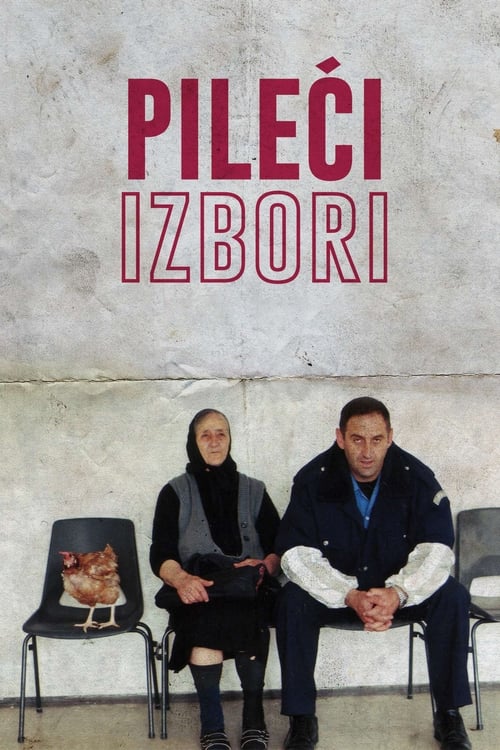
Present day: a small village somewhere in rural Serbia. Reports on the upcoming parliamentary elections drone from the radio while a local traffic policeman tries to teach his old grandmother how to use a mobile phone. Glimpses of this old lady, who lives a lonely life on a remote farm, become the red thread running through the film with its snapshot-like portraits of everyday life in the tiny community. There’s the grocer’s shop the men visit to talk about money and politics. Or the postman who delivers on his moped the ballot papers for the forthcoming elections. The policeman who stops cars as he fancies. The school with a handful of children in the overlarge classroom. The pub in which something approaching merriment occasionally arises. And the recurrent visits to the old peasant woman: Her matter-of-fact inventory of aches and pains delivered to the local doctor, her worries about increasing thievery confided in the village priest.
Chicken Elections
A 1988 Serbo-Croatian language drama film directed by Milan Bilbija, starring Senad Bašić, Snježana Martinović and Stojan ‘Stole’ Aranđelović.
Byzantine Empire '88
A contemporary historical film reflecting the drama of the profound social changes that the Serbian society underwent at the turn of this century. The story is delivered through an account of the development of the local ambulance service. Adhering to the spirit of modern neo-realism, this evolution is illustrated by three stories set in three different periods linked by mutually connected and conditioned characters; and there is also a dream of what it could be!
The Ambulance
Sierra Maestra, Cuba, 850 km east of Havana. The day before the celebration of the 52nd anniversary of the Revolution. An old man is repairing a few decades old motorcycle. A young dentist is trying to find some transport to a clinic in remote mountains. A middle-aged married couple run a public telephone booth in their modest house for villagers who have no phone. Fates of these people and many other inhabitants of Sierra Maestra are depicted on a day of ideological ecstasy, the day of the celebration of the 52nd anniversary of the Revolution. And the following day? The next day, driven by inertia, they all return to the rhythm of everyday life which is the same and is not very promising. But the revolution continues... For how long?
With Fidel Whatever Happens

A documentary about people forced to take desperate measures-even compromise their moral standards-to make money in the economically deprived climate of Eastern Europe. Often not knowing what they are getting themselves into, these men and women are herded into casting calls, asked to strip to their underwear, and answer personal questions in front of a camera.
Casting
A winemaker determined to put up a plaque to the Nobel Prize winner and a persona non grata - Peter Handke, in a remote village in Kosovo.
Waiting for Handke
The central theme of this feature-documentary film is a question related to the life and work of Petar Lubarda, one of our most eminent Serbian and Yugoslav painters of the twentieth century. How did this painter, who represented the highest reaches of post-war art in socialist Yugoslavia, acquire the status of state artist, while his biography emphasizes the romantic archetype of the haunted painter, pentre maudit, behind whom are misfortune, illness, fate and death?
Lubarda - A Raven Has Befallen on Your Home
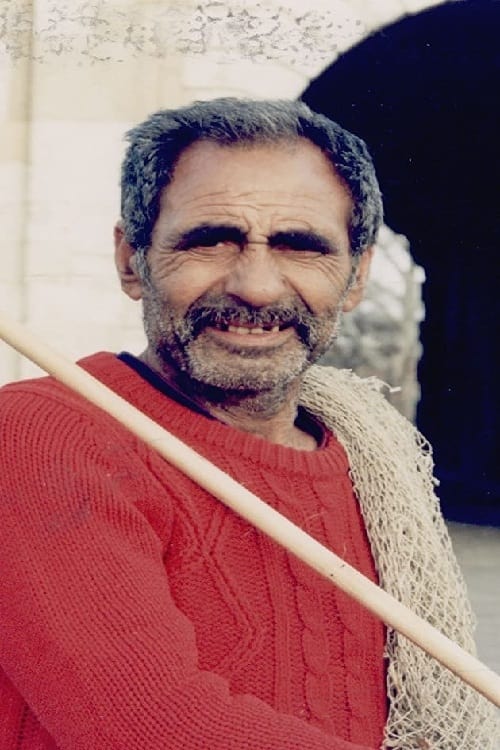
A film about Jasar, a homeless Roma from Belgrade.