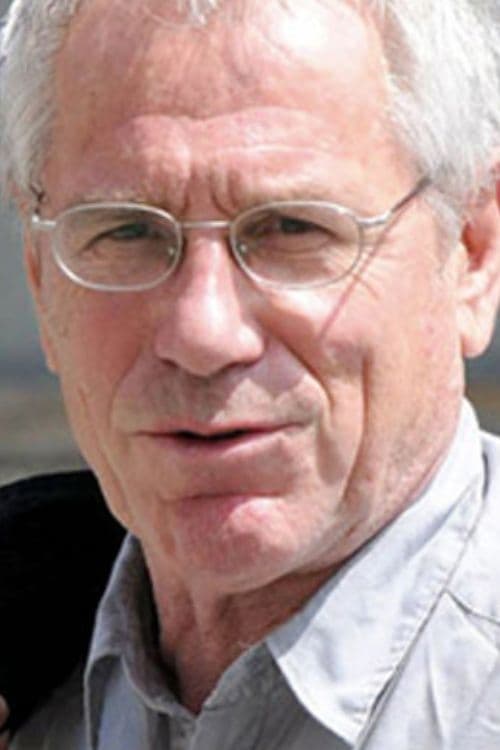
Želimir Žilnik
Directing
Biography
Želimir Žilnik is a Serbian film director and one of the major figures of the Yugoslav Black Wave. He is noted for his socially engaging style and criticism of censorship that was commonplace during the Yugoslav communist era. Subsequently, following the abolition of communist one-party system, he was an outspoken critic of Slobodan Milošević-led regime in Serbia.
Known For

A frustrated and unemployed architect experiences flashbacks of his youth and 1968 protests while the life passes by. Unable to adapt and to accept the reality, he’s constantly getting into conflicts with the people around him.
Taiwan Canasta
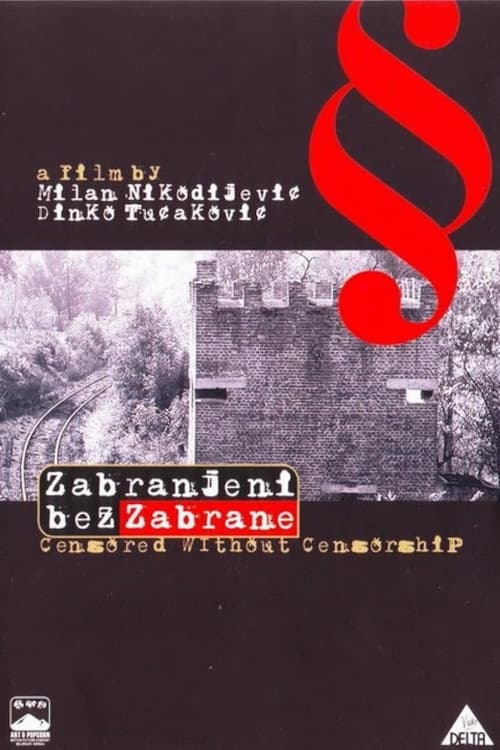
Through the conversation with Yugoslav film authors and excerpts from their films, this documentary film tells a story of a film phenomenon and censorship, and its focus is, in fact, a painful epoch of Yugoslav film called “a Black Wave”, which was the most important and artistically strongest period of Yugoslav film industry, created in the sixties and buried in the early seventies by means of ideological and political decisions. The film tells a great “thriller” story of the ideological madness which characterised the totalitarian psychology having left multiple consequences felt up to our very days. It stresses similarities between totalitarian regimes defending their taboos on the example of the persecution of the most important Yugoslav film authors. Those film authors have, however, made world careers and inspired many later authors. The film is the beginning of a debt pay-off to the most significant Yugoslav film authors.
Censored without Censorship
The elderly inhabitants of a village in Vojvodina look back on the war and the partisan battles. The film also examines how collective memories and myths enter the individual consciousness.
Uprising in Jazak
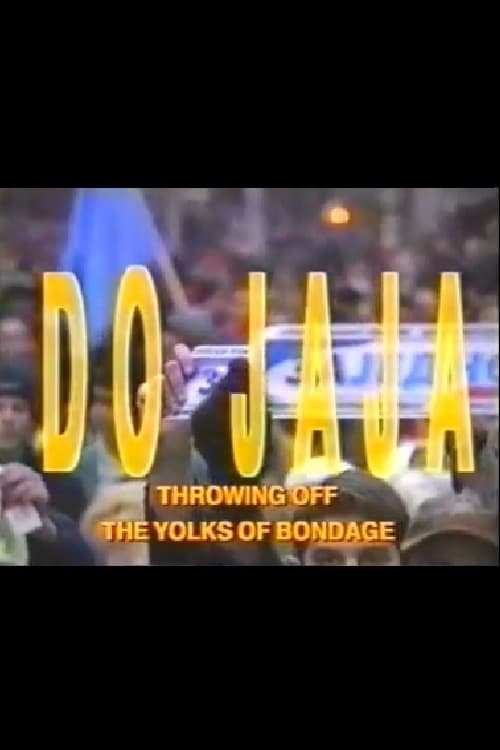
Milošević’s regime has rigged the results of parliamentarian elections in autumn 1996. This was a cause for mass rallies in Belgrade and other cities in Serbia. The film documents the protests during the first four days of their protests, their political and criticising charge but also the carnival spirit. On the seventh day of the protests the film was edited and had a premiere screening in the Rex Cinema.
Throwing Off the Yolks of Bondage
The film speaks of student demonstrations in Belgrade, 1969 and of the critical quality, enthusiasm and discipline of this form of protest. It was the most powerful public criticism of "red bourgeoisie" - members of communist apparatus, who suppressed creativity and affirmation of new generations throughout Eastern block.
June Turmoil
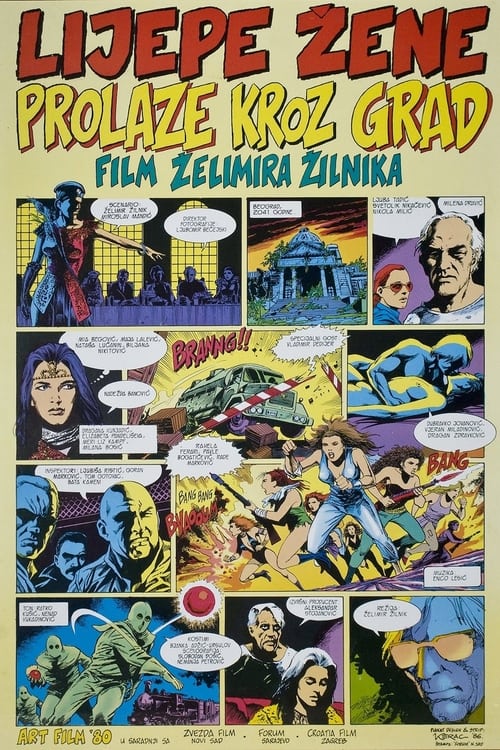
Belgrade in 2041 is a deserted city that looks like a dump yard. A few old men try to bring up a group of young girls in the old, traditional way of their Yugoslav ancestors.
Pretty Women Walking Through the City
Druga linija aka The Other Line is a product of many years of research of neo-avant-garde cultural and art scene in Novi Sad, Serbia (late 60s and 70s), which has been marginalized until today. This artistic movement was directly connected not only with important art centers of the former Yugoslavia, but also with existing flows of world art during its brief and productive activities (7e Biennale de Paris, 19th Berlinale). The cultural and artistic emancipation of that time had implied individual freedom of expression and strong reaction to established boundaries. This avant-garde movement had become threat to communist establishment, the authors' work were sabotaged, the films were sealed off, five artists were taken to trial, two were sent in prison. How is it that the retrograde mechanism of shutting down and removing the most creative and representative progressive impulses of our surrounding is still so current to this day?
The Other Line
Tito, lifelong president of Yugoslavia, is coming from his grave to once again talk to Serbs and to check what has changed since he was gone.
Tito Among the Serbs for the Second Time

A global portrait documenting the year's events, Cinetracts '20 features the work of an international lineup of 20 filmmakers. Capturing the zeitgeist in their own backyard, the artists' short films are the culmination of a year-long residency project.
Cinetracts '20
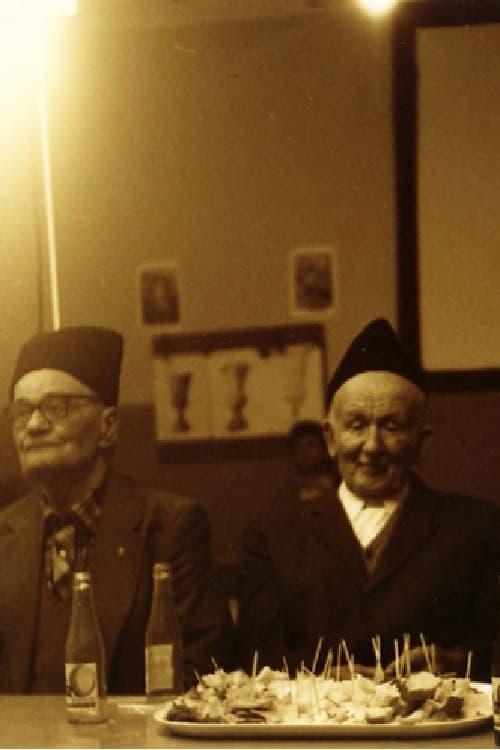
The protagonists of this docudrama are old farmers who migrated to Banat after the First World War, in 1922. The film is focused on a couple of important events in their impressive lives, which are woven into lively scenes and stories full of wise instances. Their statements become spontaneous recounts of the lives of people in this region.
The Illness and Recovery of Buda Brakus
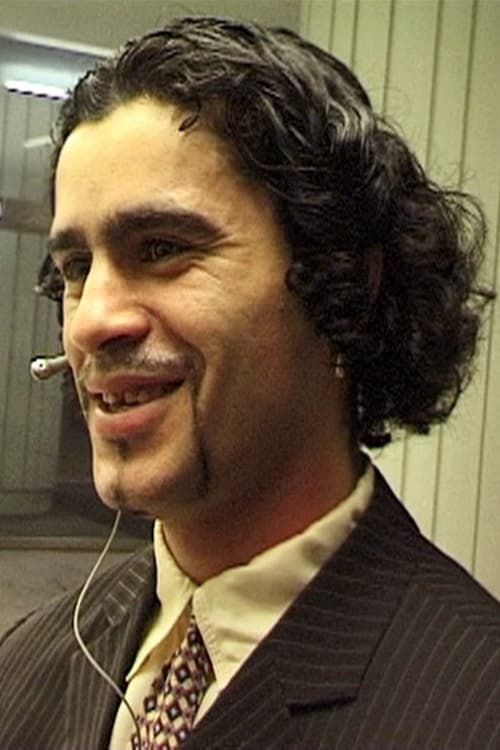
After his participation in filming of “Kenedi Goes Back Home," Kenedi Hasani decided to illegally go to EU countries where his father, mother, brothers and sisters still are. The documentary recounts Kenedi's experience of his two-year refugee status.
Kenedi, Lost and Found

The film was shot in an old, decrepit building where dozens of guest-workers' families live. The owner, a local influential politician, has avoided paying for the maintenance of the building under the legal standards by using his connections to proclaim the building a national cultural heritage. However, the rent he has been charging was as if the building were an object that offered standard comfort. The only German tenant takes the crew around and speaks of his battle against the landlord’s manipulation.
Under the Protection of the State
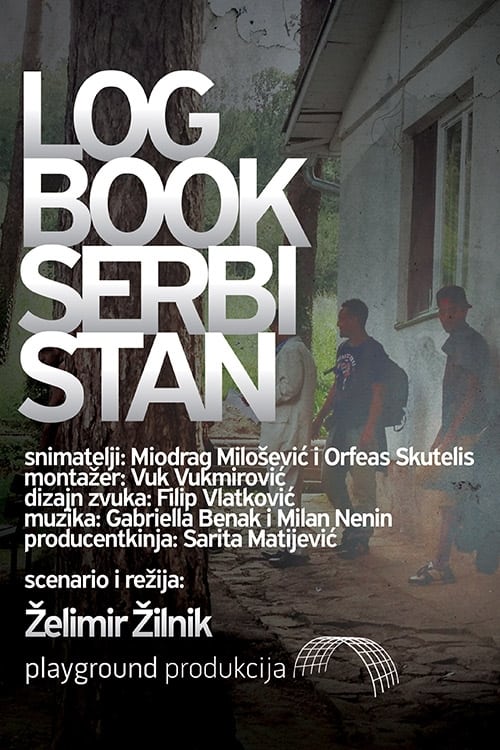
Illegal immigrants and asylum seekers in Serbia, placed in asylum centers after their dramatic journeys from war-torn and poverty-stricken areas of North Africa, Near and Middle East go through a period of adaptation to life and social circumstances in Serbia. In most cases, however, their goal is to reach one of the EU countries. Docu-drama is a space for them to, beside the socio-political context in which they found themselves, show their individual values, becoming heroes that viewers can identify with and whose destiny and struggle they can understand.
Logbook_Serbistan

A moulder wants to live a happy life, but the circumstances in his factory are such that everyone is looking for an opportunity to grab the money before the ship sinks down to the bottom.
The Way Steel Was Tempered
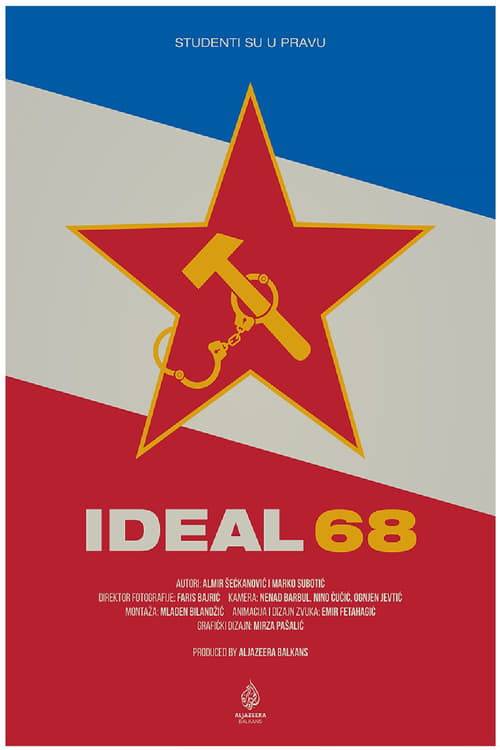
On June 3, 1968, student protests began in the Socialist Federal Republic of Yugoslavia, the first major conflict with the then communist establishment. In Belgrade, Sarajevo, Zagreb and Ljubljana, students demanded more socialism, the fight against corruption and a better state.
Ideal 68
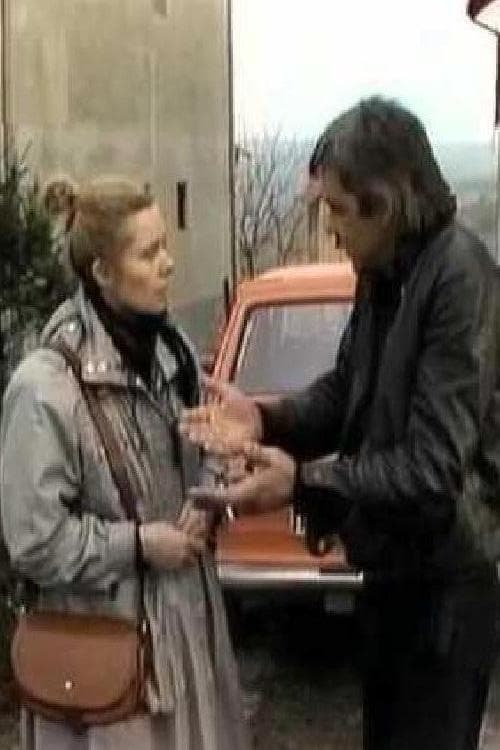
In the center of this docudrama are the events and tensions of the shooting of a feature film about Belgrade in the future. The director sets up unrealistic requirements to the producer, who breaks the law by overstepping the budget. During a court trial where the crew members are at the witness stand, we follow up the drama of how a film is made.
Good Morning, Belgrade
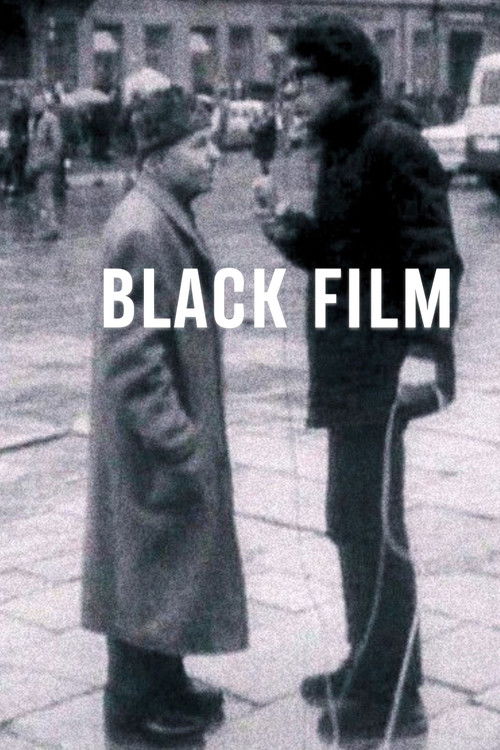
Director invites six homeless men to his flat for a few days (surprising his wife). He asks officials and people on the street if someone can help them, this being SFRJ, a state officially without those left on their own.
Black Film
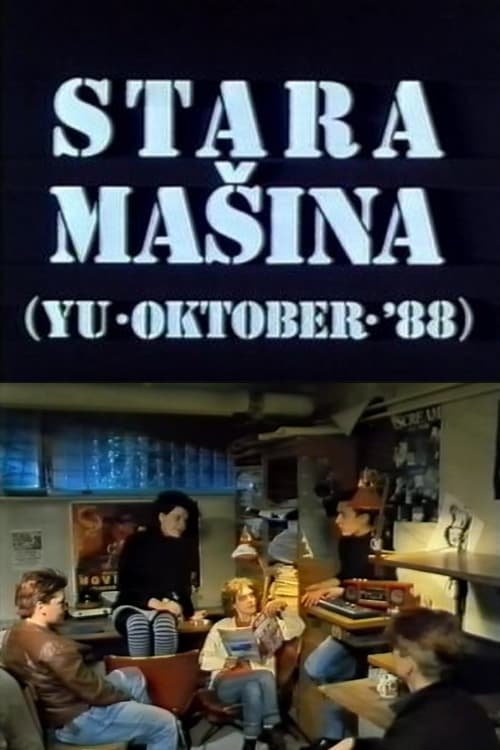
The aged rocker Igor works as a journalist and DJ at the "Radio Student" in Ljubljana. He notices that the janitor Miha works for the police, tapping the walls and observing the journalists who are critical of the regime. After a clash with his editor, Igor decides to leave for Greece by his old bike DKW from 1938, via Bosnia and Serbia. Young Rahela joins him on the trip. Traveling through Yugoslavia, Igor becomes involved in unexpected turmoil: Milosevic's "antibureaucratic revolution" starts in Serbia and Vojvodina.
Oldtimer
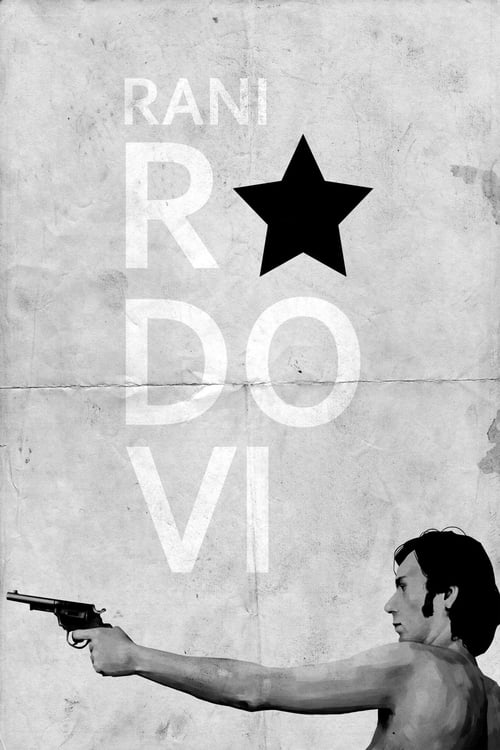
Inspired by Karl Marx's "Das Kapital", three men and a girl named Jugoslava decide to wake up the conscience within the working class and peasants. Faced with the primitivism and a lack of morale, their revolution fails and the girl is the one to be sacrificed as a witness of their unsuccessful attempt.
Early Works
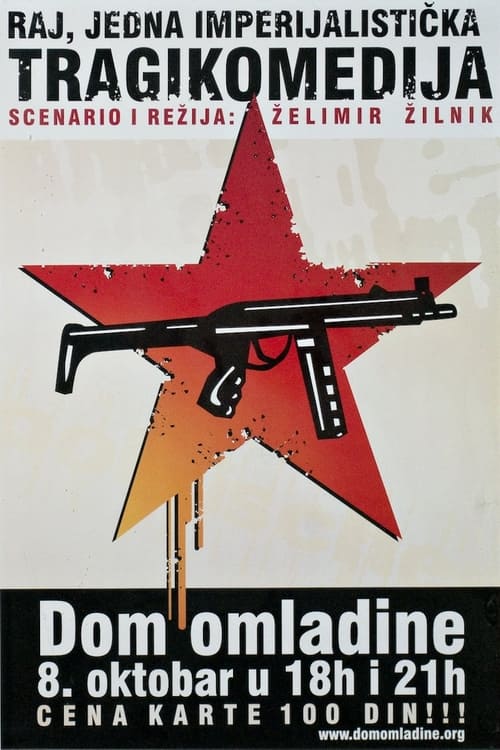
A multinational company owned by Mrs Judit Angst is facing financial difficulties: she decides to hire a group of young anarchists to fake her "kidnapping". After a couple of weeks spent in confinement she will be able to justify the downfall of her company before the people and at the same time to gain the status of the opponent to the destruction and chaos.