Acting
Radmila 'Rada' Đuričin is a Serbian actress.
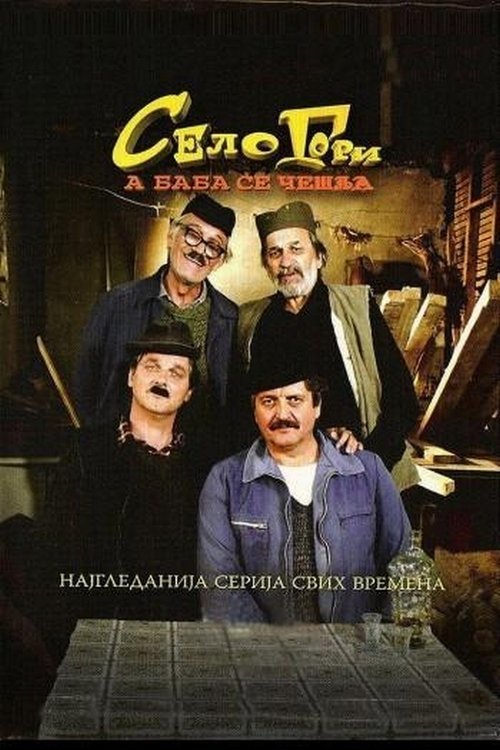
Selo gori, a baba se češlja is a television series in Serbia. First aired in 2007, the show quickly gained national fame with episodes in its third season averaging approximately 2.9 million viewers. The show was aired on RTS1.
Vruć vetar is one of the most popular Yugoslav TV miniseries that aired in 1980. The show and movie cut from scenes of the show were popular in neighboring countries-also very popular in Czechoslovakia. Its main theme became very popular and enjoying a bit of a cult status. The story follows Shurda, a man in his 30s, who comes from a small town to Belgrade to get rich. However, as no job is good enough for him, he tries his luck in Germany, but this venture proves to be the same, so he returns to his native Yugoslavia.
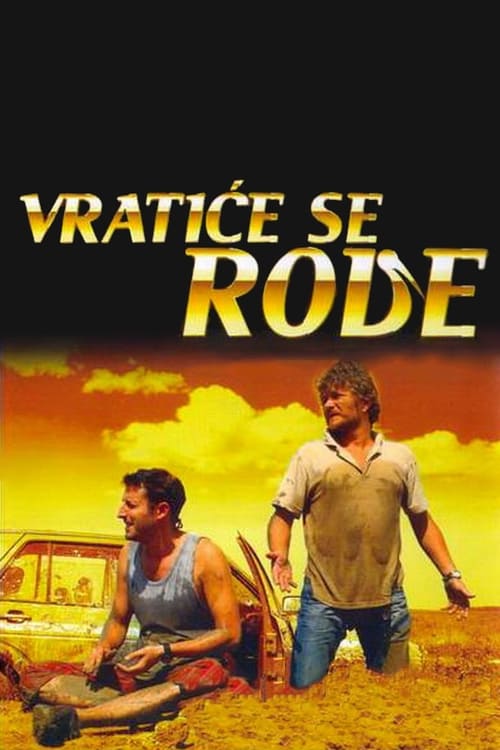
It follows the two lead characters, Svaba and Ekser, as they try to make a living on the streets of Belgrade through the life of petty crime. Making matters worse is the fact that Shvaba owes a lot of money to a local big-shot criminal. And just when things seem lost for the two men, Shvaba's mother inherits a house in Baranda - a village near Belgrade no one's ever heard of. As Shvaba and Ekser happily rush to Baranda, hoping to sell the house and solve all their problems, the villagers are equally happy to see them, thinking that two businessmen from Belgrade are finally taking an interest in their village...
It deals with the personal destiny of the revolution, the first wife of an ambassador in the history of world diplomacy – the destiny of the Alexandra Kollontay, a Russian woman who lived and worked in the most difficult days of the revolution, at a time of suffering, sacrifice, purge, change…
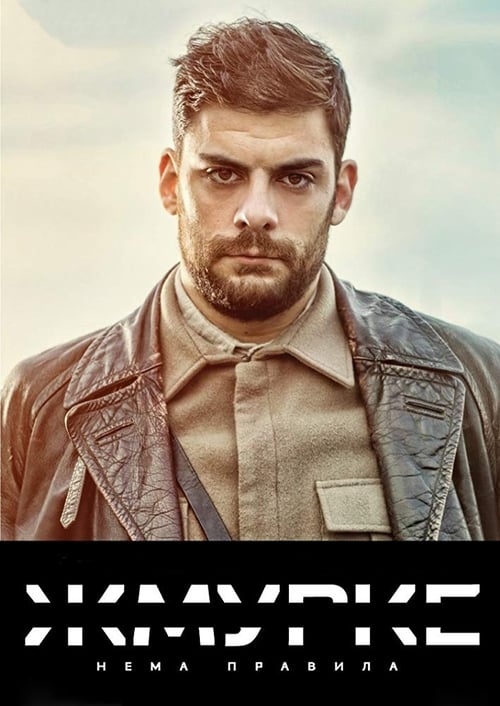
The story of the fate of boys and girls who go to school on the day of the Victory of Fascism on May 9, 1945. The script is based on true events and tells the fate of the children of the victorious and vanquished in a common environment at the end of World War II in Serbia.
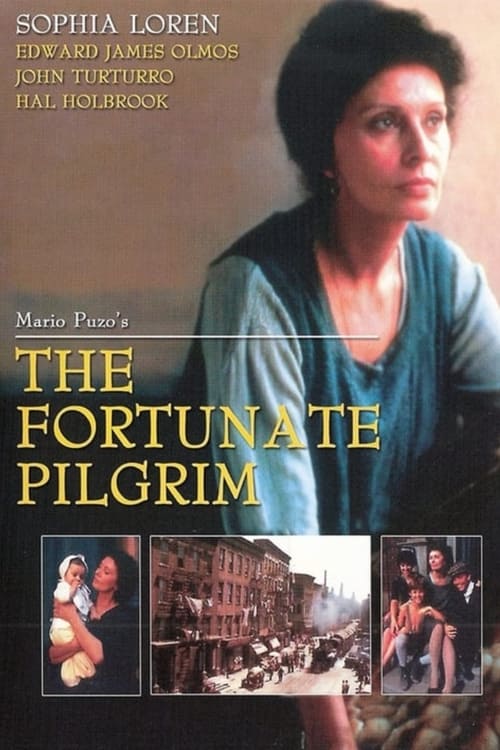
The saga of an Italian immigrant family in search of the American dream.
TV series which serves as an extended version of the eponymous feature film.
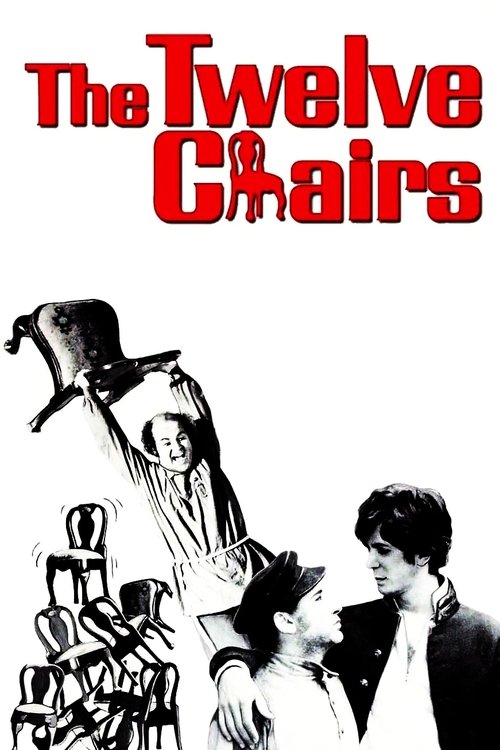
In 1920s Soviet Russia, a fallen aristocrat, a priest and a con artist search for a treasure of jewels hidden inside one of twelve dining chairs, lost during the revolution.
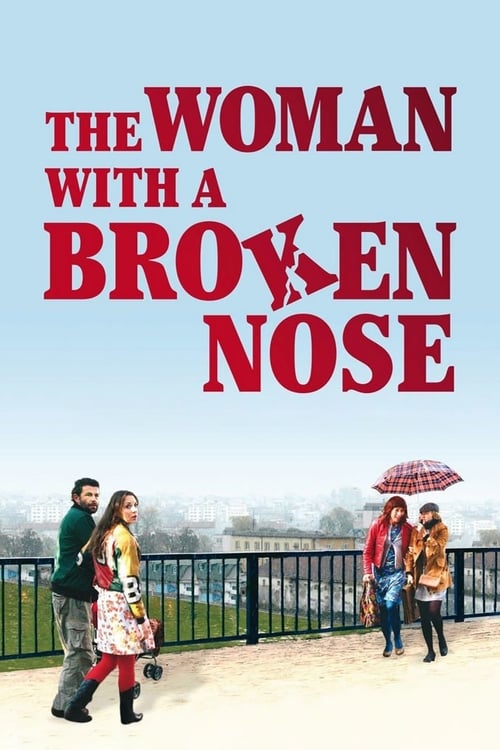
The act of a woman with a broken nose, who suddenly jumps out of a taxi and throws herself off the bridge in Belgrade, connects the lives of three witnesses.
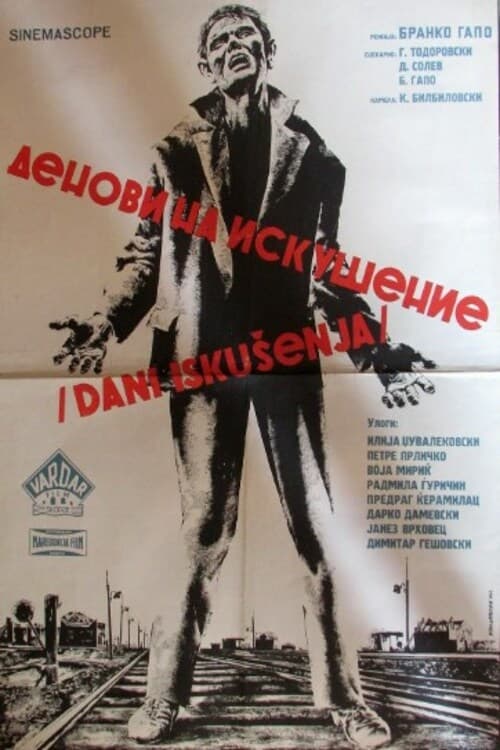
In 1918, after the end of the Balkan Wars and the First World War, hundreds of Macedonians immigrated to Bulgaria. Among them there were pro-Bulgarian Macedonians who wanted to exploit the emigrants for their own political purposes. A number of decent freedom fighters were eliminated. The victim of one of the assassins in Sofia was Djorche Petrov. His assassin is a young boy who doesn't even know that he is shooting dead the man who is one of the last real fighters for the freedom of Macedonia. By discovering that he has been unknowingly involved in the pro-Bulgarian organization and has been used for an execution of this vile act, it means the death sentence for the young boy.
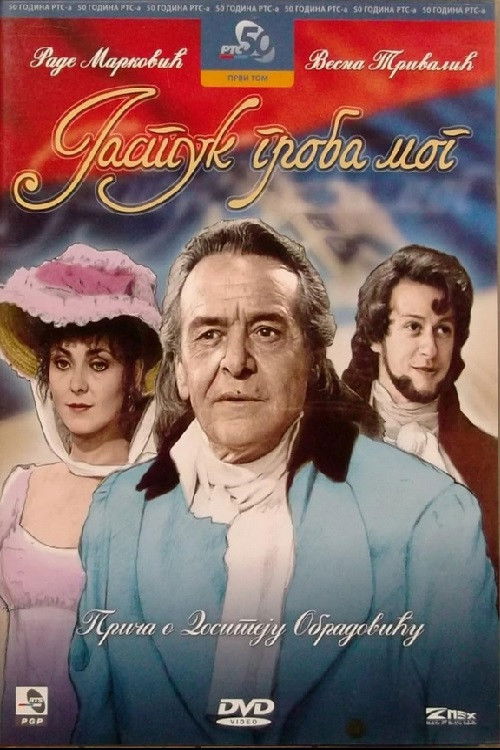
Trieste in 1807. Dositej Obradovic, founder of modern Serbian literature and the minister of education, goes through a creative and spiritual decline because of love of a young woman. Despite his old age, he can't resist this strong emotional flame, and subsequently travels to Belgrade following his agreement to be the leader of the Serbian uprising against the Ottoman Empire.
A married couple, in which one spouse sacrifices for the other, where the initial intimacy and love is lost, finds ways to torment each other. In the end, they find attraction again, which unites them.
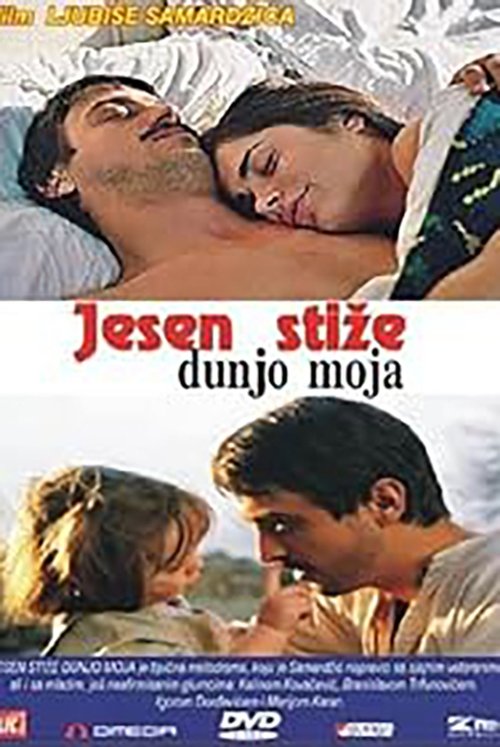
Goose Feather (Serbian: Jesen Stiže, Dunjo Moja) was Serbia submission to the 77th Academy Awards for the Academy Award for Best Foreign Language Film, but was not accepted as a nominee. Vaguely based on a song By Djordje Balasevic called "Prica o Vasi Ladackom" (the story of Vasa Ladacki). The story is about a very poor boy that wanted abundance and wealth because he basically didn't own anything. He was in love with an equally poor girl that his father wouldn't accept. He moves to another village and starts drinking...
A short comedy made for television aired on New Year’s Eve of 1983.
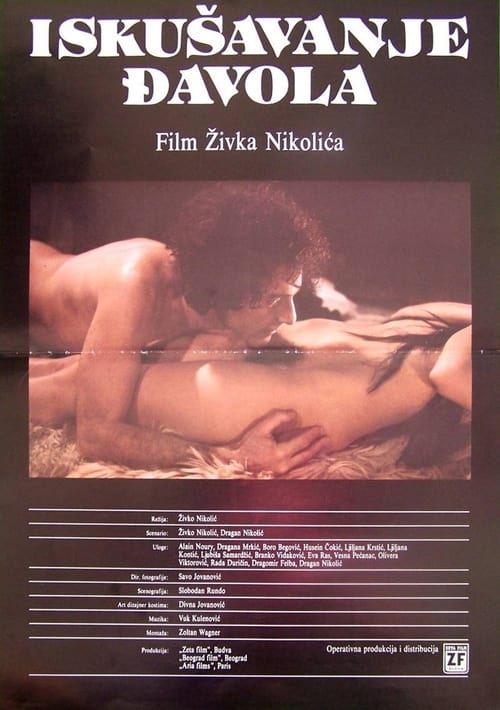
Two themes arise from the story, themes that are interlocked: the theme of love and of man's eternal submission to traditional symbols. The director Živko Nikolić continues his movie saga of human nature. Both themes develop the mythical idea of temptation. It is basic human relation: from the intimate to the families' vying with each other.
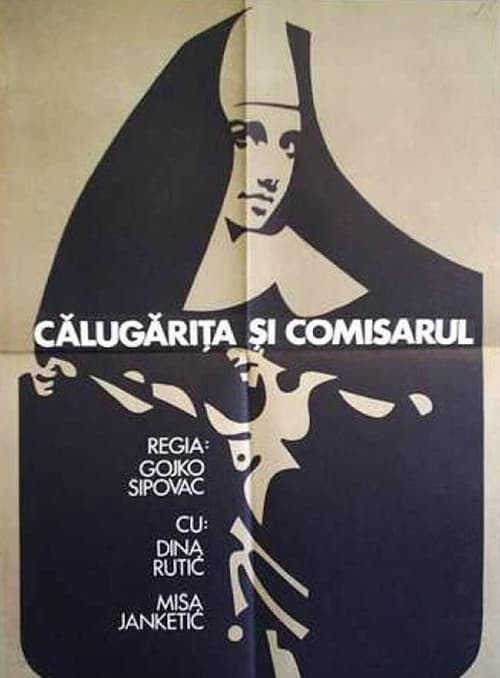
After the war, a partisan hospital is set up in a monastery, with the nuns working as nurses. A beautiful young nun, Maria, becomes very fond of the partisan leader, Commissar Nenad.
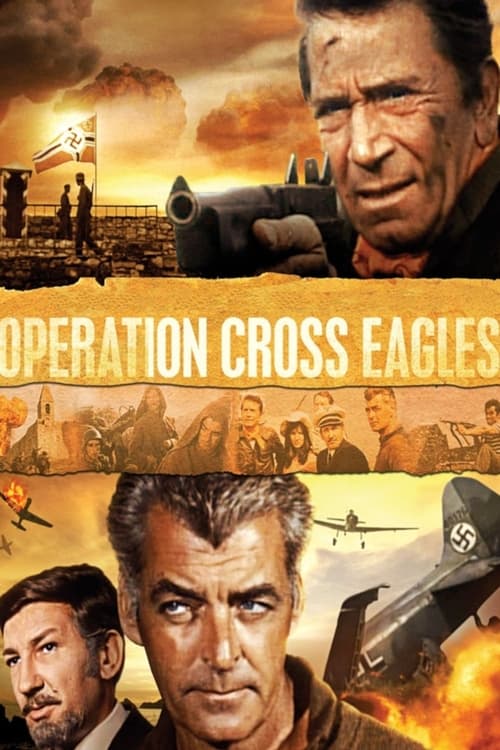
In Yugoslavia during WWII, a small band of courageous commandoes are sent to kidnap an important German commander in exchange for an American general being held in a German fortress.
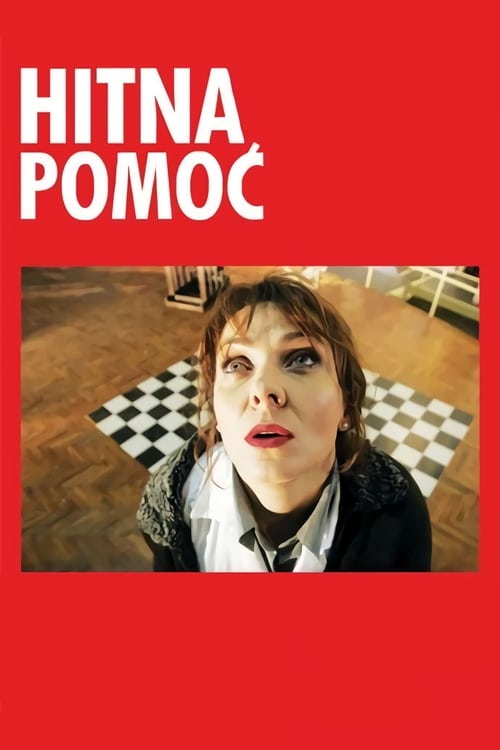
A contemporary historical film reflecting the drama of the profound social changes that the Serbian society underwent at the turn of this century. The story is delivered through an account of the development of the local ambulance service. Adhering to the spirit of modern neo-realism, this evolution is illustrated by three stories set in three different periods linked by mutually connected and conditioned characters; and there is also a dream of what it could be!
An American pilot escapes from a POW camp and links up with Yugoslav partisans. He’s about to head back to Allied lines when he learns that the Partisans are plotting to assassinate the camp commander. He joins in the plot, aiming for revenge.
A nostalgic reunion briefly arises when three estranged siblings spend some time together in their childhood home where their father is on his dead-bed. A glimpse of a new fellowship between the three of them.