Jack Smith
Directing
Biography
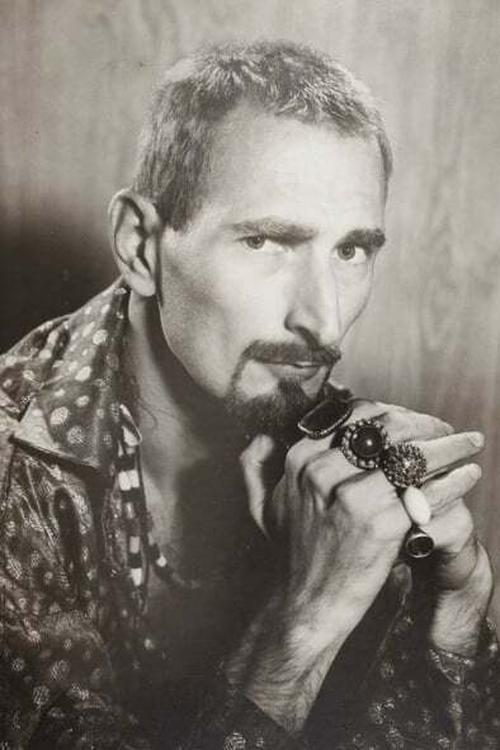
Jack Smith was an American filmmaker, actor, and pioneer of underground cinema. He is generally acclaimed as a founding father of American performance art, and has been critically recognized as a master photographer, though his photographic works are rare and remain largely unknown.
Known For

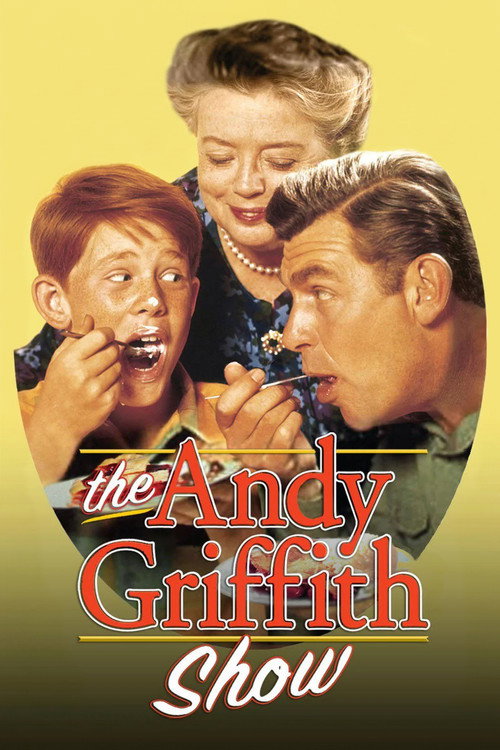
The Andy Griffith Show is an American sitcom first televised on CBS between October 3, 1960 and April 1, 1968. Andy Griffith portrays the widowed sheriff of the fictional small community of Mayberry, North Carolina. His life is complicated by an inept, but well-meaning deputy, Barney Fife, a spinster aunt and housekeeper, Aunt Bee, and a precocious young son, Opie. Local ne'er-do-wells, bumbling pals, and temperamental girlfriends further complicate his life. Andy Griffith stated in a Today Show interview, with respect to the time period of the show: "Well, though we never said it, and though it was shot in the '60s, it had a feeling of the '30s. It was when we were doing it, of a time gone by." The series never placed lower than seventh in the Nielsen ratings and ended its final season at number one. It has been ranked by TV Guide as the 9th-best show in American television history. Though neither Griffith nor the show won awards during its eight-season run, series co-stars Knotts and Bavier accumulated a combined total of six Emmy Awards. The show, a semi-spin-off from an episode of The Danny Thomas Show titled "Danny Meets Andy Griffith", spawned its own spin-off series, Gomer Pyle, U.S.M.C., a sequel series, Mayberry R.F.D., and a reunion telemovie, Return to Mayberry. The show's enduring popularity has generated a good deal of show-related merchandise. Reruns currently air on TV Land, and the complete series is available on DVD. All eight seasons are also now available by streaming video services such as Netflix.
The Andy Griffith Show

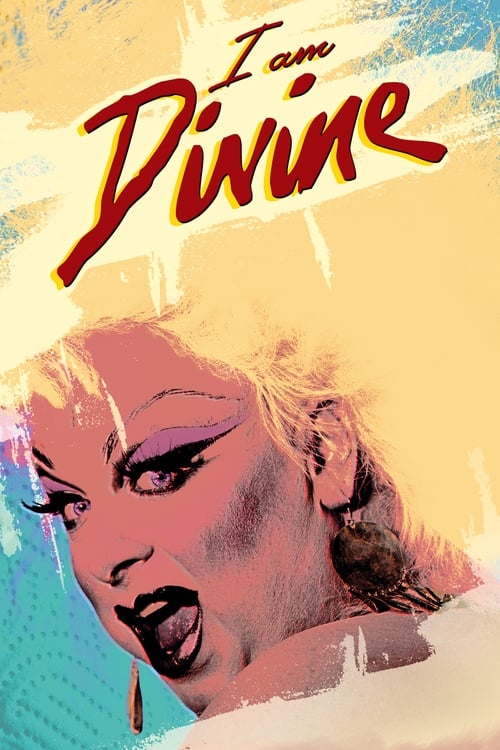
Harris Glenn Milstead, aka Divine (1945-1988) was the ultimate outsider turned underground hero. Spitting in the face of the status quos of body image, gender identity, sexuality, and preconceived notions of beauty, Divine succeeded in becoming an internationally recognized icon, recording artist, and character actor of stage and screen. Glenn went from the often-mocked, schoolyard fat kid to underdog royalty, standing up for millions of gay men and women, drag queens and punk rockers, and countless other socially ostracized misfits and freaks. With a completely committed in-your-face style, he blurred the line between performer and personality, and revolutionized pop culture.
I Am Divine

A man investigates the grisly crimes that occurred in a former insane asylum, unsettling the locals who all seem to have something to hide.
Night of the Dark Full Moon

Also known as Walden, Jonas Mekas’s first diary film is a six-reel chronicle of his life in 1960s New York, interweaving moments with family, friends, lovers, and artistic idols. Blending everyday encounters with portraits of the avant-garde art scene, it forms an epic, personal meditation on community, creativity, and the passage of time.
Diaries, Notes, and Sketches

This compilation of Gerard Malanga's short films consists of a collection of extremely rare footage and film portraits providing candid and interesting glimpses of Bob Dylan, Salvador Dalí, Jane Fonda and The Velvet Underground among other 1960s icons and featuring original music by Angus MacLise, who was the first drummer to perform with The Velvet Underground.
Gerard Malanga's Film Notebooks

The films were made between 1964 and 1966 at Warhol's Factory studio in New York City. Subjects were captured in stark relief by a strong key light, and filmed by Warhol with his stationary 16mm Bolex camera on silent, black and white, 100-foot rolls of film at 24 frames per second. The resulting two-and-a-half-minute film reels were then screened in 'slow motion' at 16 frames per second.
Andy Warhol Screen Tests

At the court of the Yellow Emperor, the Majoon Traveler & Lady Firefly appear in the Hall of Unconscious Magnetism.
The Invasion of Thunderbolt Pagoda

Takes an in-depth look at the lives and times of the people who hung out with Andy Warhol and "worked" at the Silver Factory during the Sixties, making it all click as a new counter-culture arose and began to exert its influence throughout the arts.
Andy Warhol's Factory People... Inside the Sixties Silver Factory

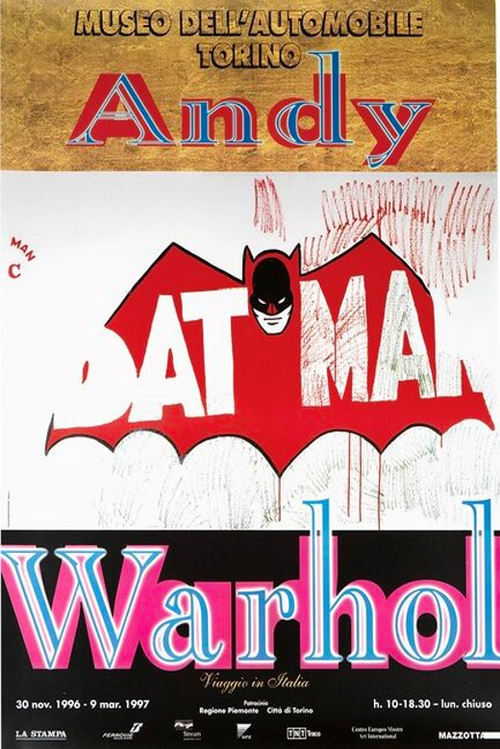
Batman Dracula is a 1964 black and white American film produced and directed by Andy Warhol, without the permission of DC Comics. The film was screened only at Warhol's art exhibits. A fan of the Batman series, Warhol made the movie as a homage. Batman Dracula is considered to be the first film featuring a blatantly campy Batman. The film was thought to have been lost until scenes from it were shown at some length in the documentary Jack Smith and the Destruction of Atlantis.
Batman Dracula

In this entrancing documentary on performance artist, photographer and underground filmmaker Jack Smith, photographs and rare clips of Smith's performances and films punctuate interviews with artists, critics, friends and foes to create an engaging portrait of the artist. Widely known for his banned queer erotica film Flaming Creatures, Smith was an innovator and firebrand who influenced artists such as Andy Warhol and John Waters.
Jack Smith and the Destruction of Atlantis

A Nietzschian parable on the fate of innocence, THE TRAP DOOR follows the mishaps of Jeremy (John Ahearn) as he is fired by his boss (Jenny Holzer), gets laughed out of court by Judge Gary Indiana, loses his girlfriend to sleazy Richard Prince, is hustled by prospective employer (Bill Rice) and mauled by predatory bird-women. Finally, he seeks the help of a shrink (the legendary Jack Smith) who turns out to be the most demented of all.
The Trap Door

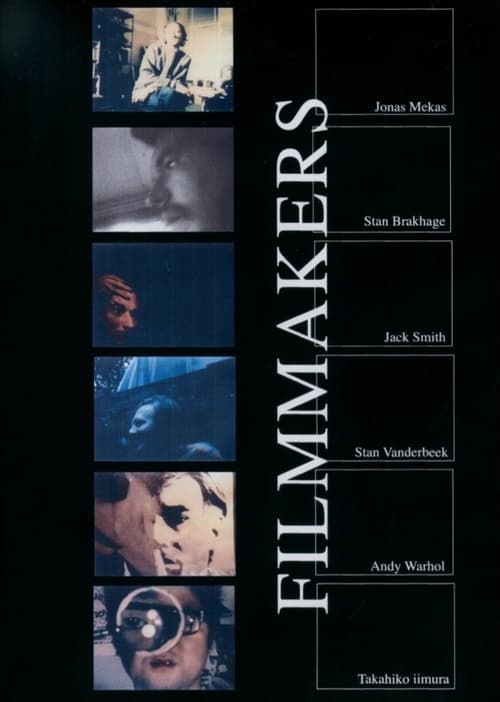
Jonas Mekas assembles 160 portraits, appearances, and fleeting sketches of underground and independent filmmakers captured between 1955 and 1996. Fast-paced and archival in spirit, the film celebrates the avant-garde as its own “nation of cinema,” a vital community existing outside the dominance of commercial film.
Birth of a Nation

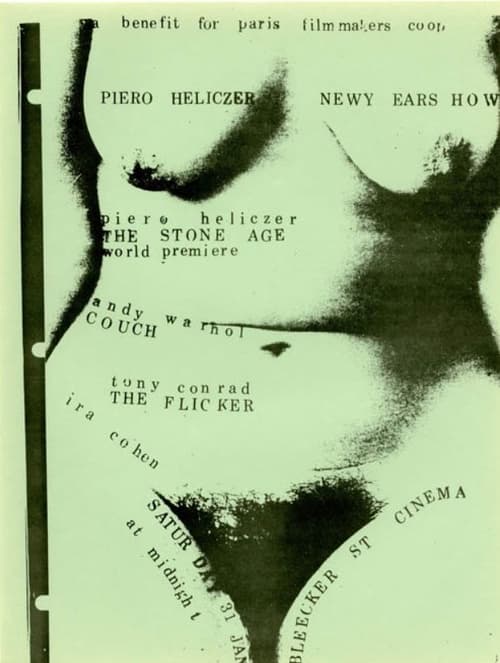
"The question is, it is either going to be a stoned age or a new Stone Age" - Louis Brigante
The Stone Age

“New York plays itself, as Taylor Mead and Winifred Bryan regale in pas de deux among the trashcans and the towers. The Studiedly Goofy and the Monumentally Grand are joined in masterly pas de don’t [...] The awed couple do battle with the status quo and teach the world to dance on the head of a bin. Rice detects real dignity in Bryan and amazing grace in Mead as they essay solitary promenades through the parks, subways and streets of a wintery New York landscape. Photographed and directed by Ron Rice, edited and scored by Taylor Mead.” –Edward Leffingwell
The Queen of Sheba Meets the Atom Man

Prometheus, on an Odyssean journey, crosses the Brooklyn Bridge in search of the characters of his imagination. After meeting the Muse, he proceeds to the "forest." There, under an apple tree, he communes with his selves, represented by celebrated personages from the New York "underground scene" who appear as modern correlatives to the figures of Greek mythology. The filmmaker, who narrates the situations with a translation of Aeschylus' Prometheus Bound, finds the personalities of his characters to have a timeless universality.
The Illiac Passion

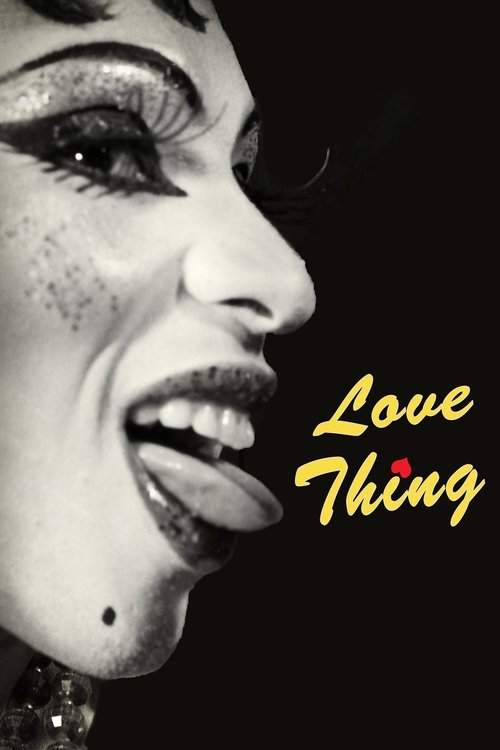
Love Thing captures the emerging multicultural spirit and personal freedom of the late 1970s with an outrageous attitude and experimental style. A work in progress now finally completed it's the last American musical comedy from that era which can be viewed today as a prophetic satire. Through its provocative, entertaining storyline highlighted by song and dance, the movie answers the burning question of our time, "What happens after the marriage?
Love Thing

Filmmaker and artist Jack Smith described his own film as a “comedy set in a haunted movie studio.” Flaming Creatures begins humorously enough with several men and women, mostly of indeterminate gender, vamping it up in front of the camera and participating in a mock advertisement for an indelible, heart-shaped brand of lipstick. However, things take a dark, nightmarish turn when a transvestite chases, catches and begins molesting a woman. Soon, all of the titular “creatures” participate in a (mostly clothed) orgy that causes a massive earthquake. After the creatures are killed in the resulting chaos, a vampire dressed like an old Hollywood starlet rises from her coffin to resurrect the dead. All ends happily enough when the now undead creatures dance with each other, even though another orgy and earthquake loom over the end title card.
Flaming Creatures

A follow-up to now legendary film Flaming Creatures. This vivid, full-color homage to B-movies is a dizzying display of camp that clearly affirms Smith’s role as the driving force behind underground cinema and performance art of the post-war era. The director was known to constantly re-edit the film, often during screenings as it was still unspooling from the projector.
Normal Love

Ron Rice's Chumlum is one of those films in which the conditions of its construction are integral to the experience of watching it. It is a record of a cadre of creative people having fun on camera, playing dress-up, dancing, flirting, lazing around.
Chumlum

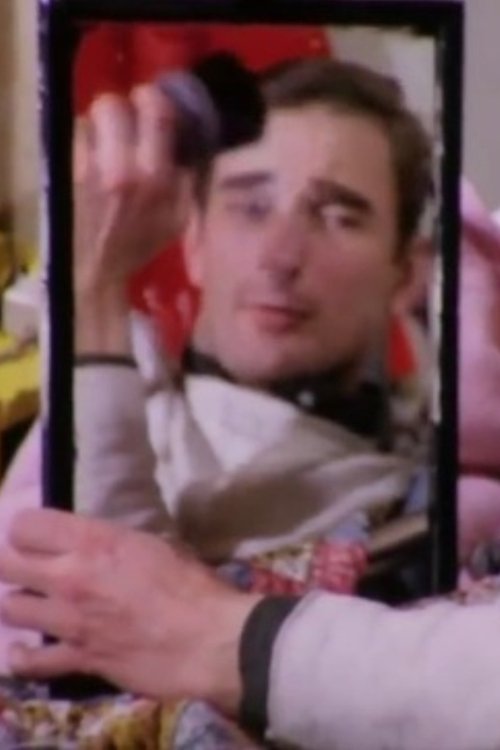
A man fondles objects, looks at himself in the mirror, poses in different clothes, smiles and makes faces at the camera while his voice on the soundtrack speaks of his despair, makes impressionistic statements and little songs, quotes Greta Garbo and Maria Montez, tells the story of a lonely little boy and tells the story of a woman named Madame Nescience who dreams of herself as the Mother Superior of a convent of sexual perversion.