Tally Brown
Acting
Biography
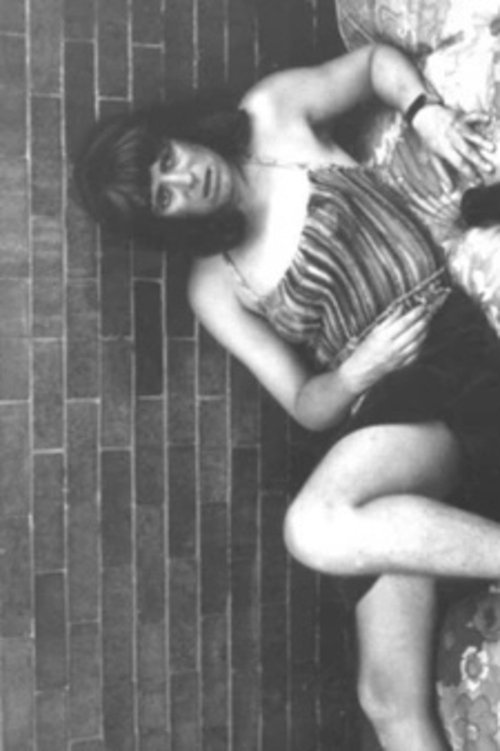
Tally Brown was a singer and actress who was part of the New York underground performance scene, particularly Andy Warhol's "Factory" and who appeared in or was the subject of films by Warhol and Rosa von Praunheim
Known For

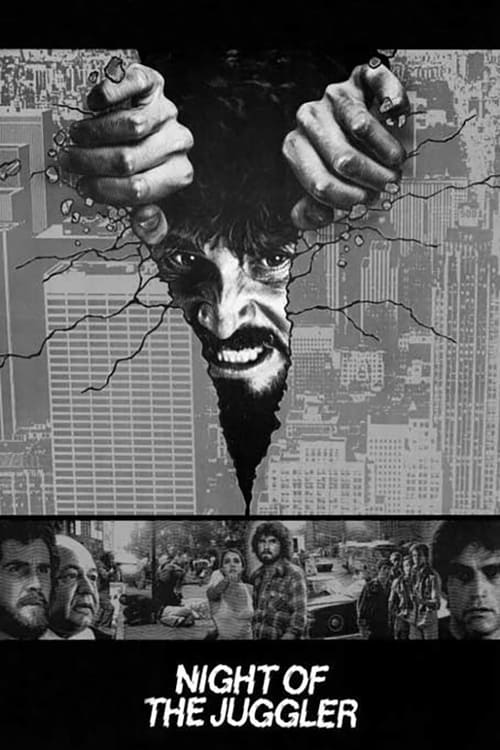
When a twisted psychotic kidnaps a young girl, mistaking her for the daughter of a wealthy developer, her father, a hardened ex-cop, doggedly hunts them through New York's seamy streets.
Night of the Juggler

An aspiring actress from Kansas comes to New York and meets a host of zany characters.
Scarecrow in a Garden of Cucumbers

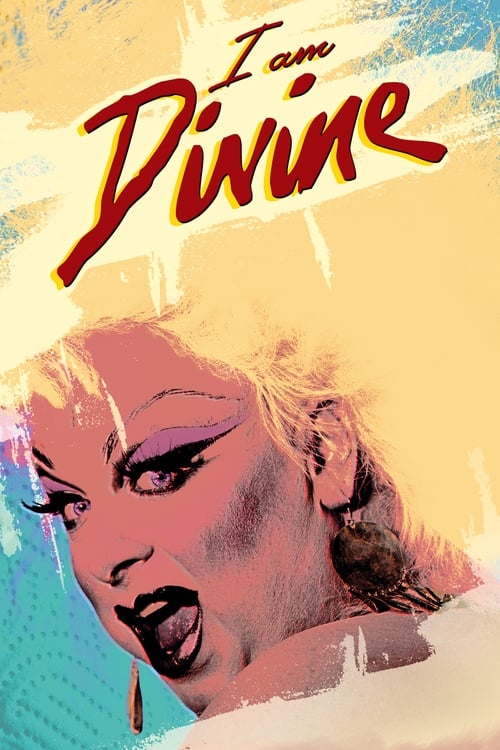
Harris Glenn Milstead, aka Divine (1945-1988) was the ultimate outsider turned underground hero. Spitting in the face of the status quos of body image, gender identity, sexuality, and preconceived notions of beauty, Divine succeeded in becoming an internationally recognized icon, recording artist, and character actor of stage and screen. Glenn went from the often-mocked, schoolyard fat kid to underdog royalty, standing up for millions of gay men and women, drag queens and punk rockers, and countless other socially ostracized misfits and freaks. With a completely committed in-your-face style, he blurred the line between performer and personality, and revolutionized pop culture.
I Am Divine

A man investigates the grisly crimes that occurred in a former insane asylum, unsettling the locals who all seem to have something to hide.
Night of the Dark Full Moon

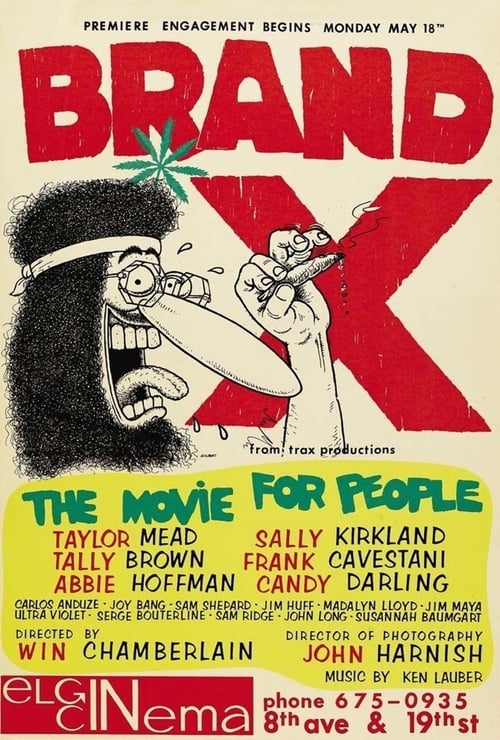
In 1969, Taylor Mead complained to his friend artist Wynn Chamberlain that Andy Warhol had never paid him for any of the work he had done for him and Wynn said he would make a film especially for Taylor. Inspired by the banality of 1960's television, Chamberlain wrote and directed Brand X, an 87 minute series of faux television shows spoofing the politics and mass media of the day, complete with commercials for Sex, Sweat, Computer Dating and Peanut Butter. BRAND X follows Taylor Mead through a day in a wacky television studio as he portrays an exercise guru, a talk show host, a veteran returning from the American Civil War, a hospital patient in a soap opera, the President of the United States and a televangelist giving the Nightly Sermon. BRAND X satirizes President Nixon, the Vietnam War, sex, drugs, computers, money and race relations.
Brand X

An African-American GI retires from the US Army in West Berlin to live with his white girlfriend, who already has a baby with another black man. After an argument with her family, she deserts him as well. Despite finding a job and a new place to live, he keeps running into racism, which also manifests itself in sexual intimidation.
1 Berlin-Harlem

Photographed entirely in color, Four Stars was projected in its complete length of nearly 25 hours (allowing for projection overlap of the 35-minute reels) only once, at the Film-Makers' Cinematheque in New York City. The imagery in the film is dense, wearying and beautiful, but ultimately hard to decipher, for, in contrast to his earlier, and more famous film Chelsea Girls, made in 1966, Warhol insisted that two reels be screened simultaneously on top of each other on a single screen, rather than side-by-side. The film's title is a pun on the rating system used by critics to rank films, with "four stars" being the highest rating. From Wikipedia.
Four Stars

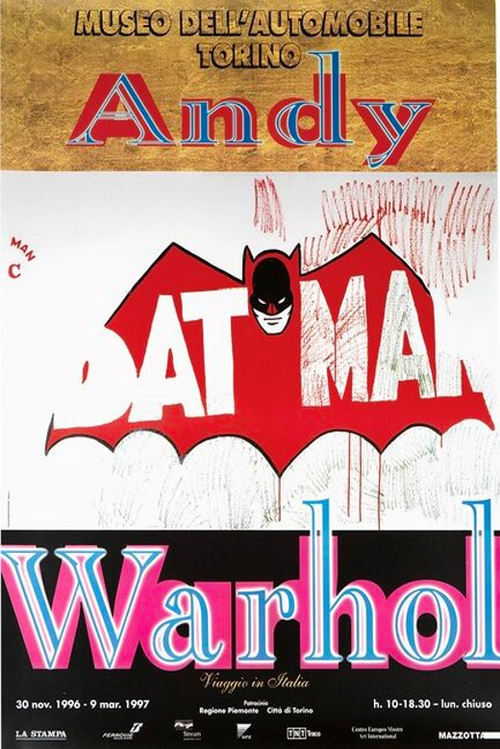
Batman Dracula is a 1964 black and white American film produced and directed by Andy Warhol, without the permission of DC Comics. The film was screened only at Warhol's art exhibits. A fan of the Batman series, Warhol made the movie as a homage. Batman Dracula is considered to be the first film featuring a blatantly campy Batman. The film was thought to have been lost until scenes from it were shown at some length in the documentary Jack Smith and the Destruction of Atlantis.
Batman Dracula

A Romani antique dealer, who is also a private detective, gets involved in a murder case when one of his colleagues is accused of committing the murder.
The Art of Crime

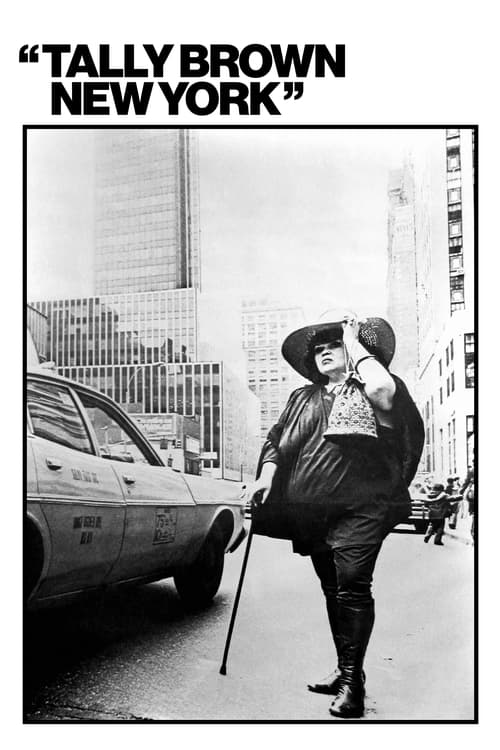
Tally Brown, New York is a 1979 documentary film directed, written and produced by Rosa von Praunheim. The film is about the singing and acting career of Tally Brown, a classically trained opera and blues singer who was a star of underground films in New York City and a denizen of its underworld in the late 1960s. In this documentary, Praunheim relies on extensive interviews with Brown, as she recounts her collaboration with Andy Warhol, Taylor Mead and others, as well as her friendships with Holly Woodlawn, and Divine. Brown opens the film with a cover of David Bowie’s “Heroes” and concludes with “Rock ’n’ Roll Suicide.” The film captures not only Tally Brown’s career but also a particular New York milieu in the 1970s.
Tally Brown, New York

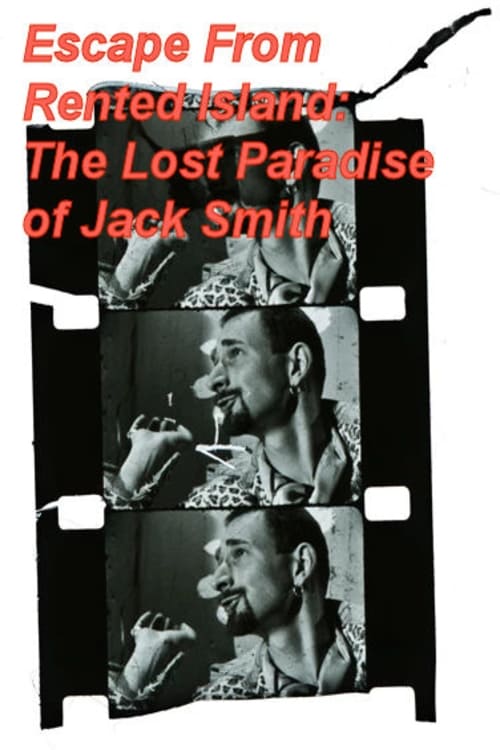
In his essay film, Jerry Tartaglia, longtime archivist and restorer of the film estate of queer New York underground, experimental film, and performance legend Jack Smith, deals less with Smith’s life than with his work, analyzing Smith’s aesthetic idiosyncrasies in 21 thematic chapters. It's a film essay about the artist’s work, rather than a documentary about his life. An unmediated vision of Jack Smith, an invitation to join him in his lost paradise.
Escape From Rented Island: The Lost Paradise of Jack Smith
A young German Jesus-like figure journeys somewhat aimlessly through the poverty of Glasgow's Gorbals, New York, and Calcutta, encountering eccentrics and misfits as he travels, before reaching some sort of peace in Hawaii.
Passions

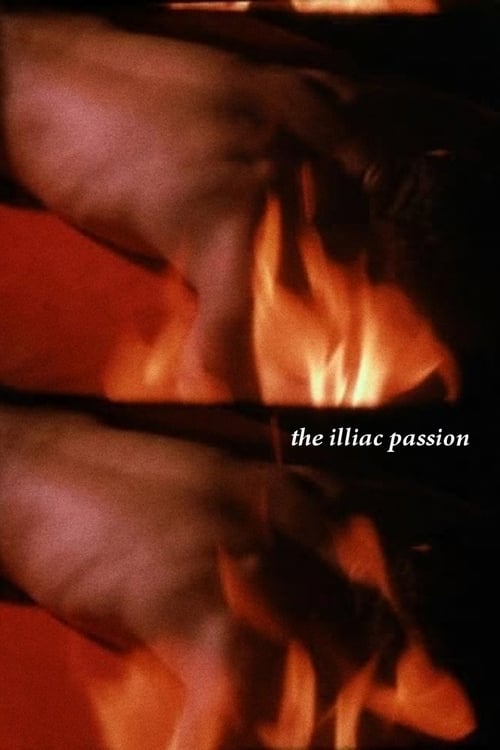
Prometheus, on an Odyssean journey, crosses the Brooklyn Bridge in search of the characters of his imagination. After meeting the Muse, he proceeds to the "forest." There, under an apple tree, he communes with his selves, represented by celebrated personages from the New York "underground scene" who appear as modern correlatives to the figures of Greek mythology. The filmmaker, who narrates the situations with a translation of Aeschylus' Prometheus Bound, finds the personalities of his characters to have a timeless universality.
The Illiac Passion
“Coming Attractions” looks backward into the memories and forward into the future of Francis Francine, an elegantly dowdy transvestite of, and indeed beyond, a certain age. The memories, haunted by a Spirit of Seductions Past (played by a quite glorious naked young lady who fortunately bears absolutely no resemblance to Francis Fran cine) suggest a generally lurid life of sumptuous sex and questionable liaisons. The future, presented by an ancient fortune teller with a wonderful crystal ball that holds a lively go‐go dancer and that seems to mediate between interchanging black and white halves of the screen, follows Francis Francine through the reactivation of an ancient affair, to her death (a jealous ex‐lover) and her triumphant entrance into a pastoral paradise that looks like a cross between several scenes from “81/2” and “The Embarkation for Cythera” in drag.
Coming Attractions

Shot at Warhol's Silver Factory, Camp features a group of Superstars putting on a "summer camp" talent show complete with singing, dancing, jokes, poetry, and Gerard Malanga as master of ceremonies.
Camp

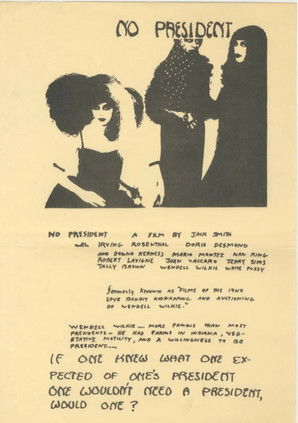
Smith's third feature film was originally titled "The Kidnapping of Wendell Willkie by the Love Bandit," in reaction to the 1968 Presidential Campaign. It mixes B&W footage of Smith's creatures with old campaign footage of Willkie, a liberal Republican who ran against FDR in the 1940's. The climax of the work appears to be the "auctioning" of the presidential candidate at a convention.
No President

Nico hires a babysitter drag queen (Mario Montez) to babysit her 3-year-old son Ari so Nico can go shopping.
Ari and Mario

Half-travelogue half Lambert’s fictional attempt to find his identity in the gay crowd in Central Park, Harlem, and Brooklyn.