John Dexter
Directing
Biography
John Dexter (2 August 1925 – 23 March 1990) was an English theatre, opera and film director. Born in Derby, Derbyshire, England, Dexter left school at the age of fourteen to serve in the British Army during the Second World War. Following the war, he began working as a stage actor before turning to producing and directing shows for repertory companies. In 1957, he was appointed Associate Director of the English Stage Company based at the Royal Court. Dexter's first great success was his production of Roots, in 1959, which brought Joan Plowright to prominence. He went on to direct Toys in the Attic (with Wendy Hiller, 1960) and Saint Joan (1963). In 1964, he was named Associate Director of the National Theatre of Great Britain, and he produced The Royal Hunt of the Sun (1964). That year, he also directed Othello, with Sir Laurence Olivier, Maggie Smith and Frank Finlay. It was considered a tremendous success. RCA recorded an audio version, and, the following year, Stuart Burge made a film of the production (now available on DVD) for BHE Films. Dexter continued with Hamlet (with music by Conrad Susa, 1969), Equus (one of his triumphs, 1973), Trevor Griffiths's The Party (Lord Olivier's final stage appearance, 1973), Phaedra Britannica (with his friend, Diana Rigg, 1975), The Merchant (aka, Shylock, 1977), As You Like It (with music by Harrison Birtwistle, 1979), Life of Galileo (with Sir Michael Gambon, 1980), The Glass Menagerie (with Jessica Tandy, 1983) and Julius Caesar (1988). His final great success was M. Butterfly (1988), on Broadway, and the following year, he staged Die Dreigroschenoper there (with Sting as Macheath), which was to be his final production. Dexter's debut feature-film was The Virgin Soldiers (with Lynn Redgrave, 1969). His second film was The Sidelong Glances of a Pigeon Kicker (aka, Pigeons, with Elaine Stritch, 1970); his third was I Want What I Want (1972). For Granada Television, Dexter directed Twelfth Night, with Sir Alec Guinness and Sir Ralph Richardson in 1969.
Known For

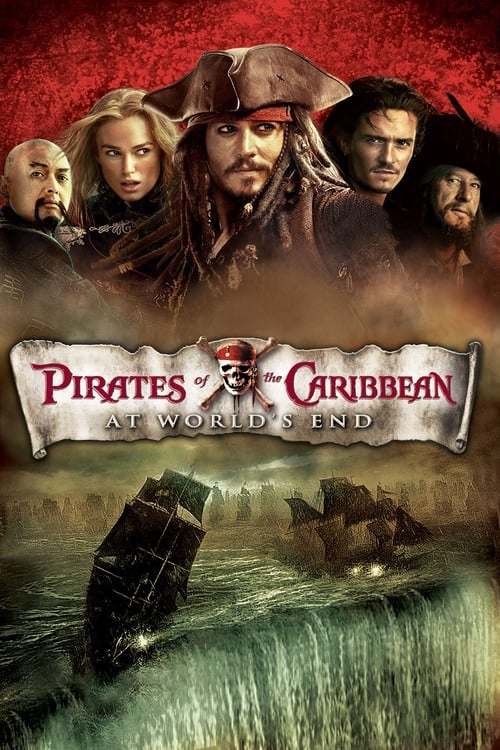
After losing Captain Jack Sparrow to the locker of Davy Jones, Will Turner, Elizabeth Swann, and Captain Barbossa journey to the ends of the earth to rescue him. And as the East India Trading Company tightens its grip on the seas under Lord Cutler Beckett—now in control of Davy Jones—the fate of piracy hangs by a thread. Now, they must unite the pirate lords for one final stand. But as loyalties are tested and alliances shift, each must ultimately choose where they stand in the battle for freedom on the high seas.
Pirates of the Caribbean: At World's End

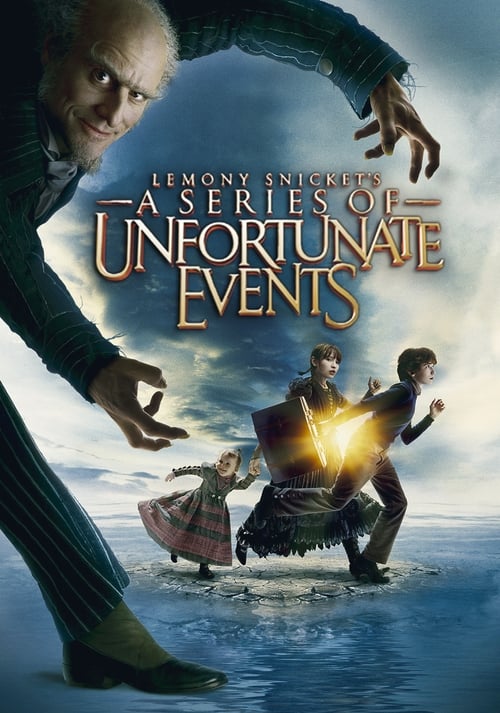
Three wealthy children's parents are killed in a fire. When they are sent to a distant relative, they find out that he is plotting to kill them and seize their fortune.
Lemony Snicket's A Series of Unfortunate Events

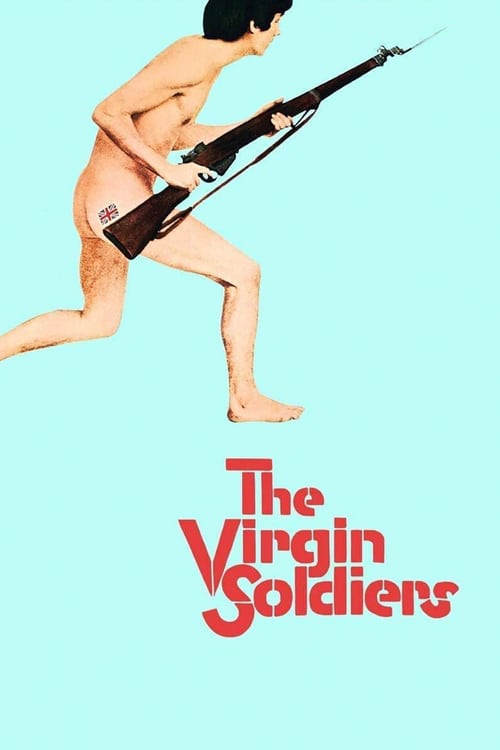
The core of the plot is the romantic triangle formed by the protagonist, a conscripted soldier named Private Brigg, a worldly professional soldier named Sergeant Driscoll, and Phillipa Raskin, the daughter of the Regimental Sergeant Major. The location is a British army base in Singapore during the Malayan Emergency.
The Virgin Soldiers

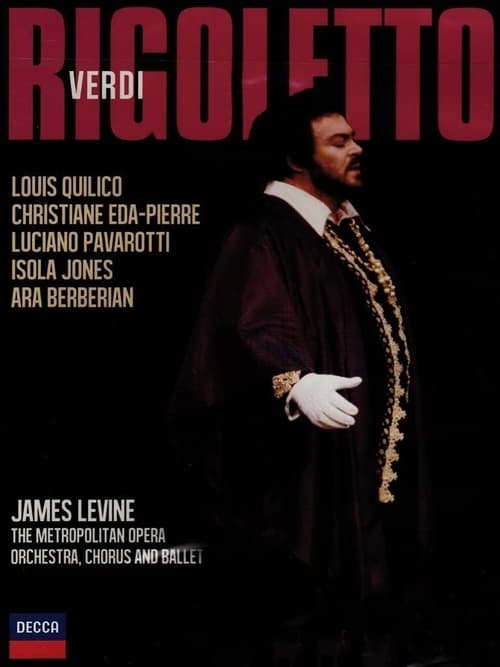
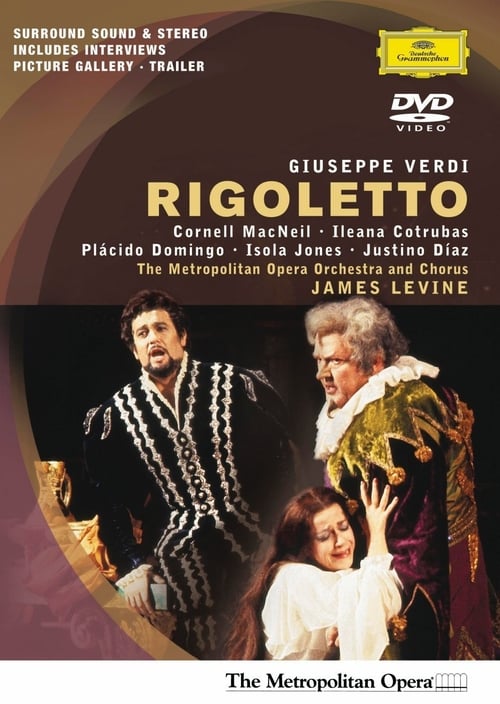
The opera's dramatic structure frames and enhances the characters. Scenes of magnificence regularly alternate with scenes of darkness and squalor. From sumptuous interiors, we move to a dark street, a lonely inn. The secondary figures are astutely counterpoised: the plotting courtiers against the plotting Sparafucile and Maddalena (also ambiguously tender-hearted). When Rigoletto says "Pari siamo", he could be expressing the motto of the whole work: the beautiful and the ugly can be equally good, equally evil.
Verdi: Rigoletto

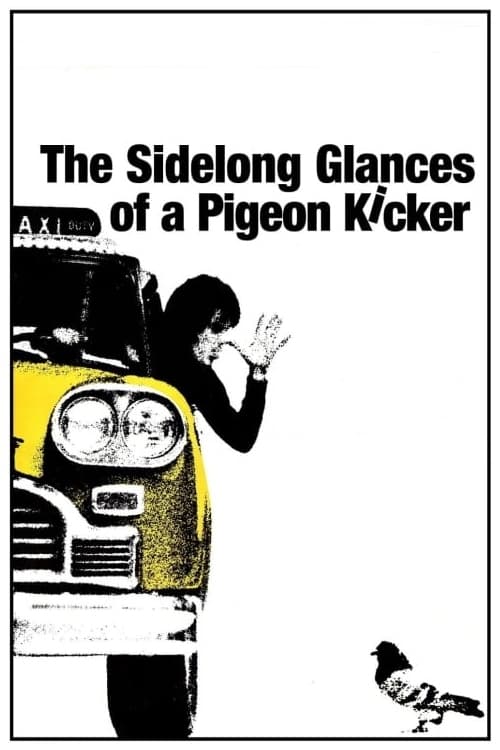
After a young man graduates from a prestigious college, he rebels by preferring a carefree existence rather than the life of fighting the rungs within the treacherous American corporate ladder. For his means of survival he becomes a New York cab driver.
The Sidelong Glances of a Pigeon Kicker

A Victor Hugo play, haunting and scandalous, provided the inspiration for Verdi’s mid-career masterpiece. A vengeful but misguided court jester strives to save his daughter from a duke’s licentious clutches, but can't part with the feeling that a curse looms over all of his actions. In Rigoletto, the composer introduces several of his most iconic arias and duets—as well as an 11th-hour quartet that counts among the finest moments in opera.
Rigoletto

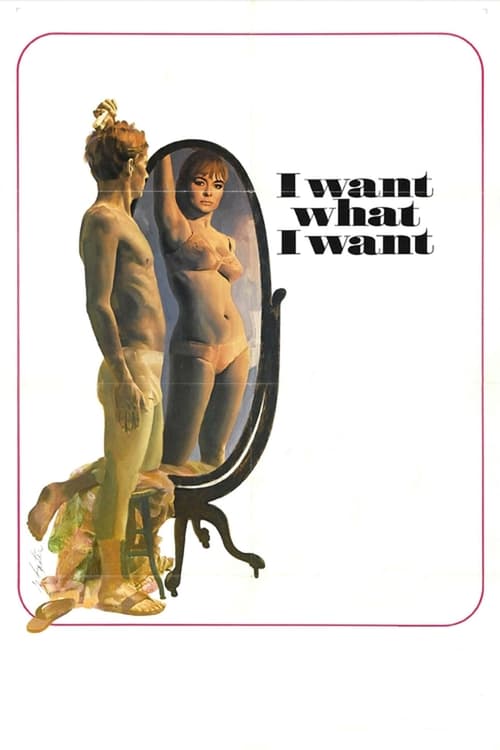
Roy leaves his abusive father's house and starts life anew as a woman, named Wendy. Through trial and error, she learns the skills and consequences of being a woman.
I Want What I Want

John Dexter’s brilliant production of Britten’s searing opera stars Dwayne Croft in the title role of the handsome young sailor whose kindness and innocence cause his downfall. The great James Morris is Claggart, master-at-arms on the 18th-century warship Indomitable, who falsely accuses Billy of inciting a mutiny. Philip Langridge sings Captain Vere, the honest commander who knows that Billy is innocent but finds himself unable to save him. Steuart Bedford, Britten’s close collaborator during the last years of the composer’s life, is on the podium.
Billy Budd

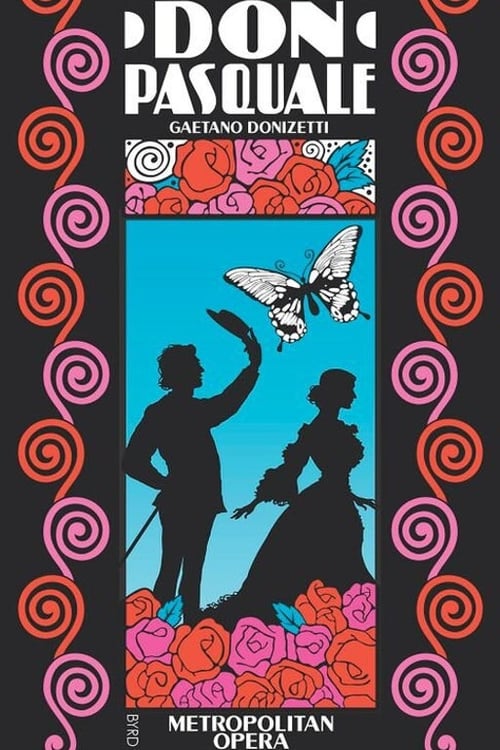
This John Dexter production, designed by Desmond Heeley, was a parting gift to the great American soprano Beverly Sills, who bid farewell to the Met as Norina, the smart young widow at the center of Donizetti’s comedy. The sensational Alfredo Kraus sings her beloved Ernesto. Håkan Hagegård, in his Met debut role and season, is Dr. Malatesta, the man who helps the young couple trick the crusty old bachelor of the title (Gabriel Bacquier at his comical best) into a fake marriage. This being a Donizetti comedy, it all turns out perfectly well at the end—and getting there is pure operatic fun.
Don Pasquale

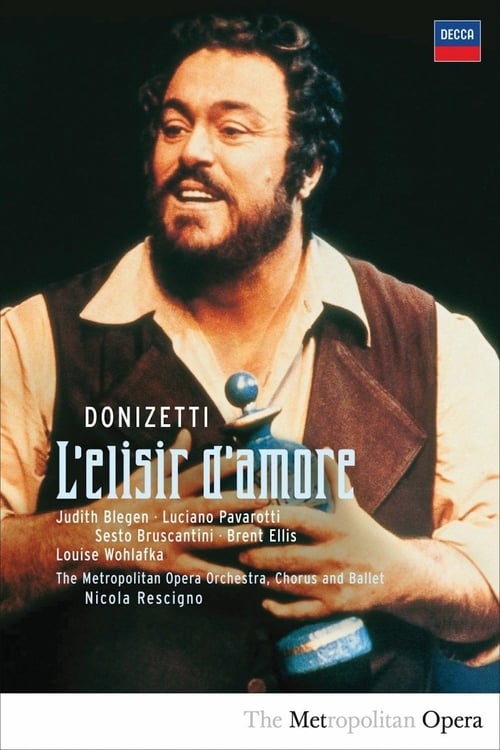
The Metropolitan Opera performance of L'Elisir d'Amore is conducted by Nicola Rescigno and features Luciano Pavarotti in the title role. Donizetti's graceful melodies have long endeared his L'Elisir d'Amore to operatic audiences and performers alike. Judith Blegen, Louise Wohlafka, Luciano Pavarotti, Nicola Rescigno, Sesto Bruscantini.
L'Elisir d'Amore

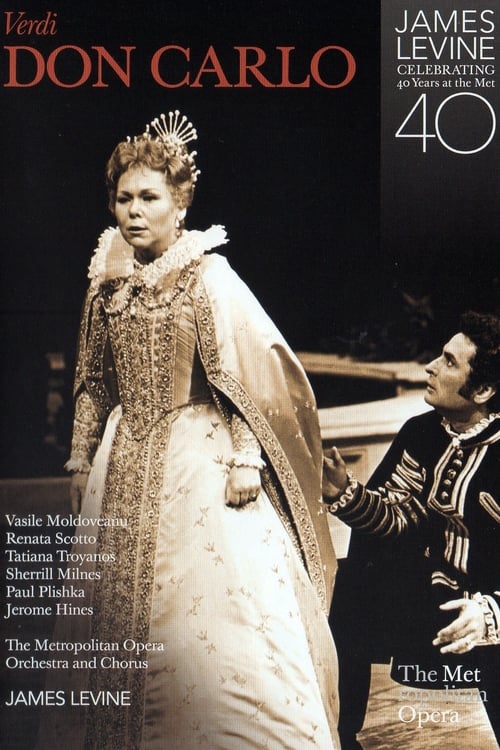
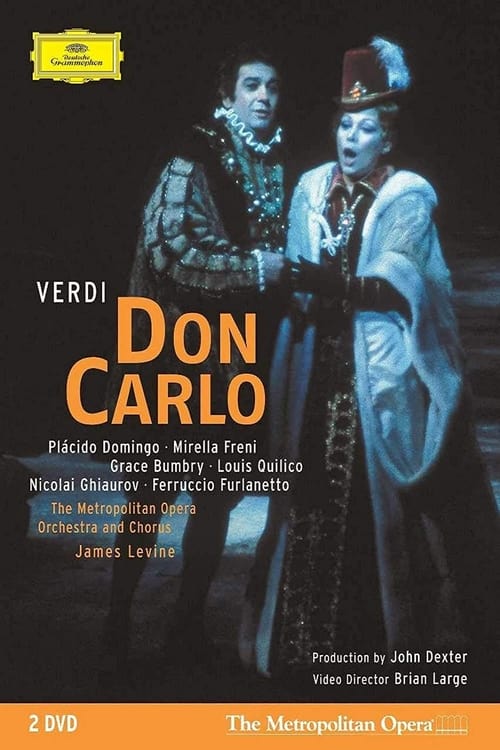
Don Carlo (1980) Metropolitan Opera. Verdi / italian. King Philip's court is plagued by rebels, family squabbles and intrigue. The Spanish Inquisition tries to exert its influence. The tension finally ignites at the King's coronation, where heretics are to be burned at the stake
Don Carlo

Ghiaurov, Freni, and Bumbry were great voices in their time, and they are still effective here -- good enough musicians to put over the quite heavy vocal and expressive demands of their roles. Louis Quilico was never quite in that league, and he sounds a bit spread and woofy in places here, but he works hard and effectively to bring Rodrigo to life. Placido Domingo recorded his first Don Carlo, for EMI with Giulini, about 15 years before this production, but he looks and sounds fine here -- in the early 1980's he was doing very good Otellos and Lohengrins too, and Furlanetto, still in his 30's, brings a rich, young voice to an old part and succeeds in making the Grand Inquisitor vocally as well as expressively formidable. Levine brings both weight and energy to the score, and that reading fits well with the overall "traditional" design and production -- the Met's wardrobe budget must have been severely taxed, but everybody looks splendid.