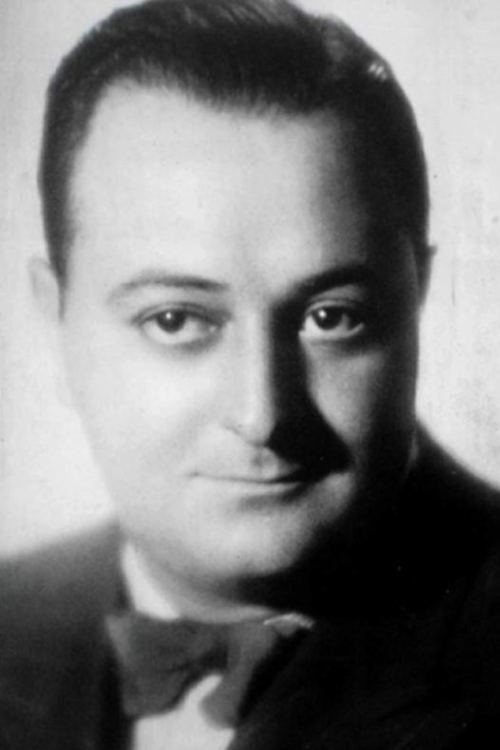
Homero Manzi
Writing
Biography
Homero Manzi (1907–1951), whose birth name was Homero Nicolás Manzione, was an Argentine poet, politician, tango lyricist, screenwriter and film director.
Known For
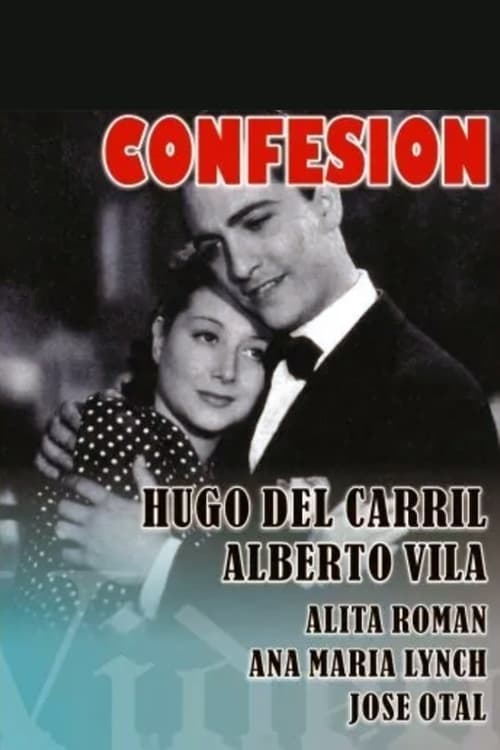
Group of tango musicians picks up an aspiring young chanteuse at one of their whistle stop engagements; film focuses on their collective path to stardom, romantic conflicts between the woman and two guys in the band and some peripheral crime-drama stuff.
Confesión
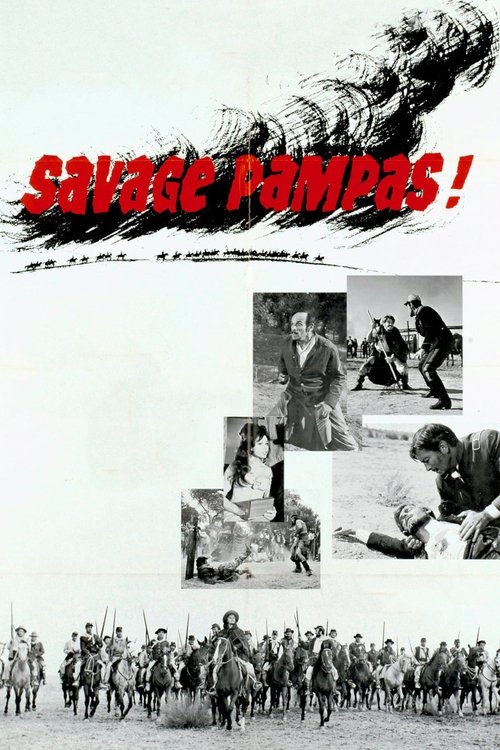
An army captain in Argentina learns why his lonely men are deserting to an outlaw's gaucho gang.
Savage Pampas
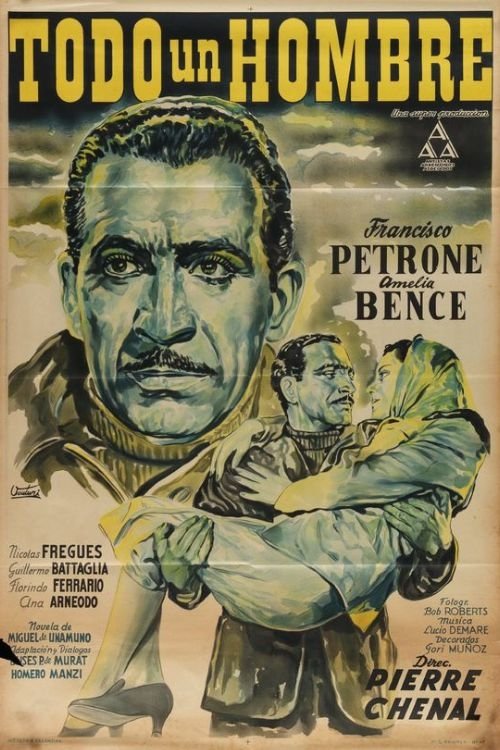
A foreign woman marries a rich man.
A Real Man
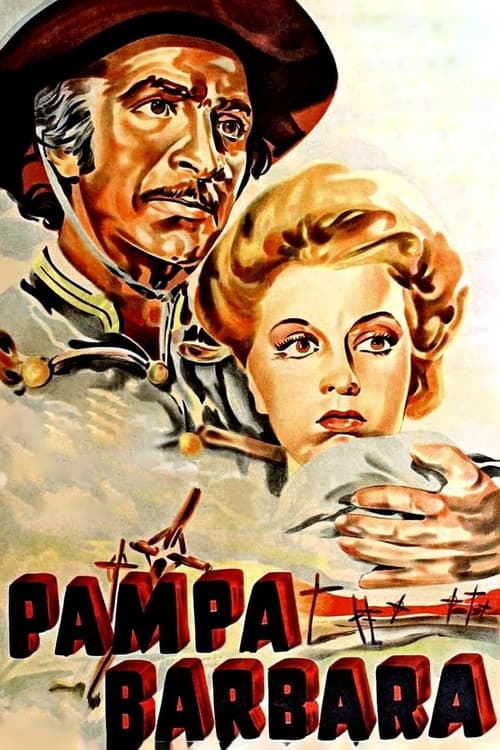
In a fort in the middle of the Pampa, their commander Hilario Castro decides to bring women from Buenos Aires to prevent deserting soldiers.
Savage Pampas
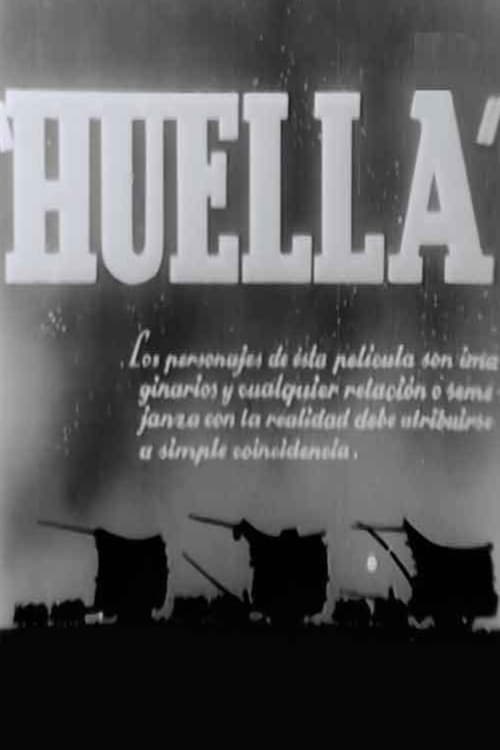
In 1840, a caravan of carts headed from Buenos Aires to Córdoba carrying merchandise, ammunition and prisoners, against the background of the struggles between the Unitarians and the Federalists.
Huella
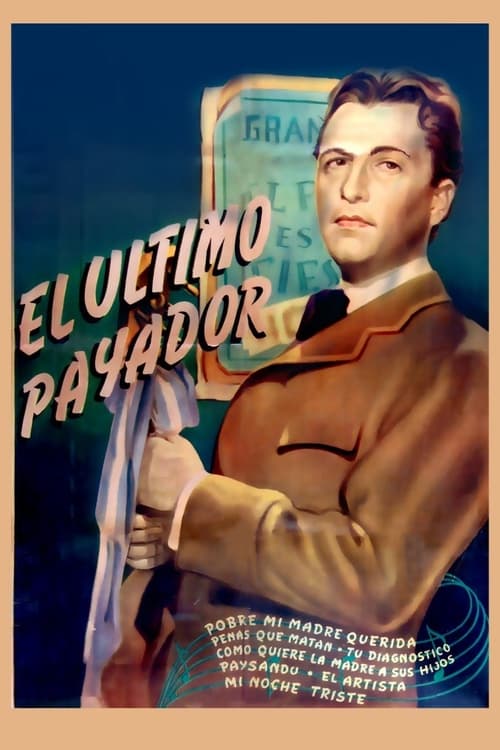
The film tells the story of the payador José Betinotti, a mythical character in Argentine music. It faithfully reconstructs the scenarios of the early twentieth century: the workers' struggles, the party meetings of the caudillos and the circus criollo, the cradle of Argentine theater and music.
El último payador
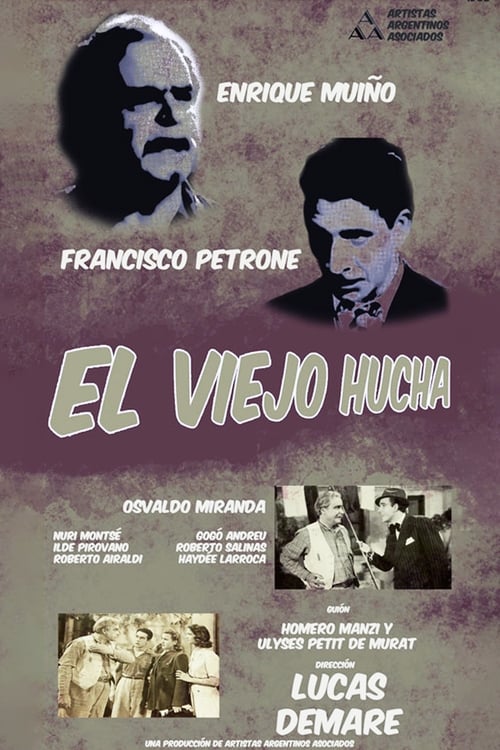
An Italian immigrant accumulates wealth for their children, all consider him a miserable, until one day one of her children gives a very big disappointment and dies of a heart attack. Their children begin to spend the fortune he had amassed his father.
The Old Skinflint

Contrary to the principles of his mother and sister, a boy falls in love with a woman of light life.
Pobre mi madre querida
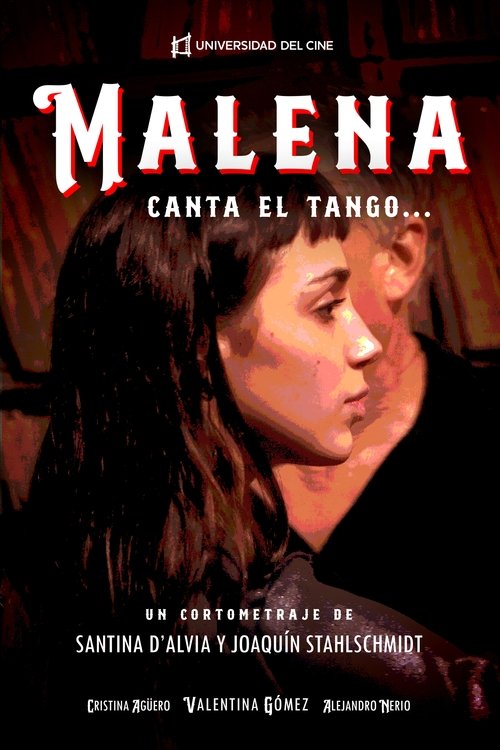
Malena, a young photographer, finds a box of family memories while helping clean her parents' house. Among the objects, she discovers some old VHS tapes that belonged to her grandfather, whom she never met. Through these recordings, Malena delves into her grandfather's passions for tango, embarking on an intimate journey that also leads her to self-discovery.
Malena sings the tango...
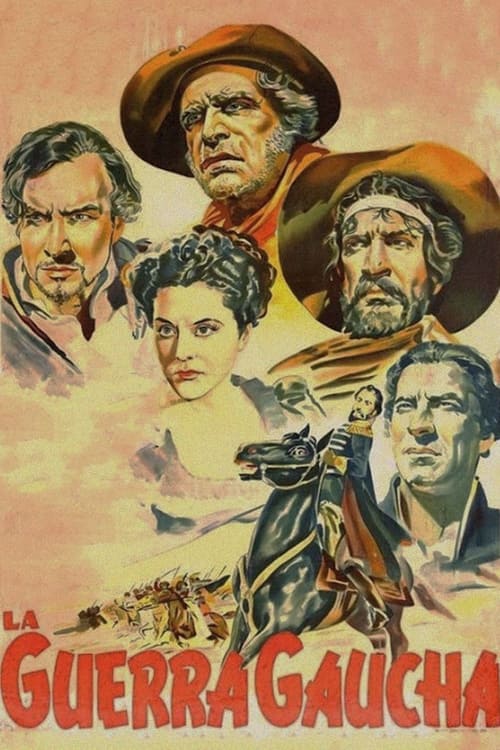
The story of the irregular forces on the north of Argentina, fighting against the Spanish Crown for the independence.
The Gaucho War
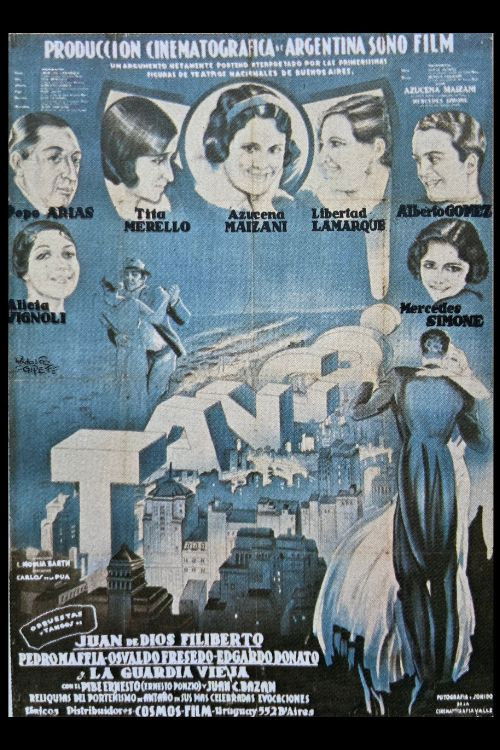
¡Tango! follows a formula established by Carlos Gardel with films such as Luces de Buenos Aires (The Lights of Buenos Aires, 1931) in which a melodramatic story is interspersed with tango songs. However, the film had less dialog and more music, making it more like a musical revue. This format would be copied by many subsequent films. The plot is derived from tango songs. Many of these songs tell of the seduction of an innocent slum girl by a rich man who promises her a glamorous life, but who abandons her when her looks fade. The stylized and sentimental plot of ¡Tango! revolves around a young man who is abandoned by his girlfriend for an older rich man and is heartbroken. The film follows his misfortunes.
¡Tango!
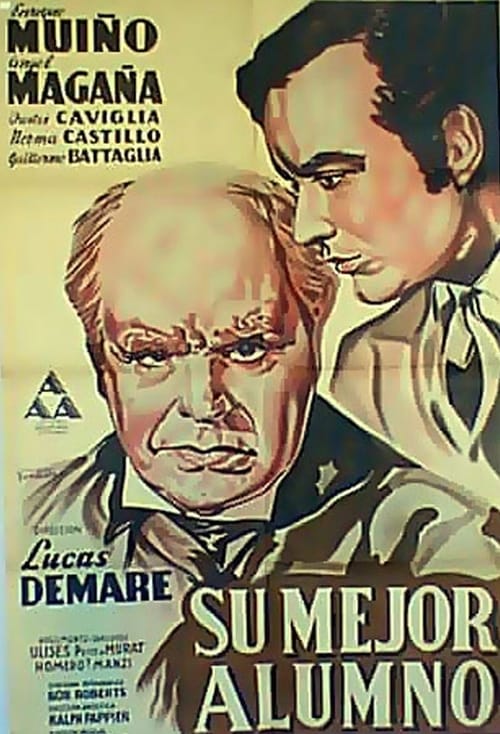
The film tells the story of the natural son of a former president of Argentina and father of public education in the country, Domingo Faustino Sarmiento, named Domingo, according to the first autobiographical accounts.
Su mejor alumno
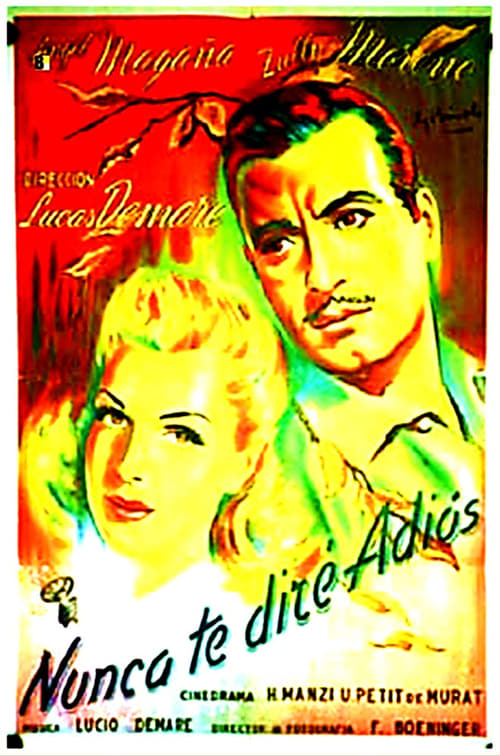
The passionate love of a married woman and a single man.
Nunca te diré adiós

A vaudeville singer secretly marries a wealthy landowner, who soon returns to his ranch, fearing the rejection of his snobbish family. To teach him a lesson, she shows up at his estancia pretending to be a maid.
Eclipse de sol
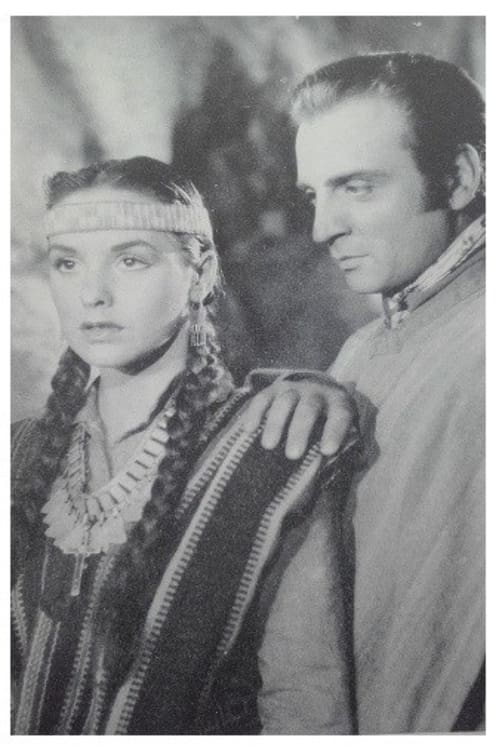
A Chilean spy pretends to love an Indian woman, the only one who knows a secret passage in the Andes mountain range.
El camino de las llamas
It narrates the struggle of a rural worker to rescue the daughter of a farmer from the clutches of a wicked foreman.
Nobleza gaucha
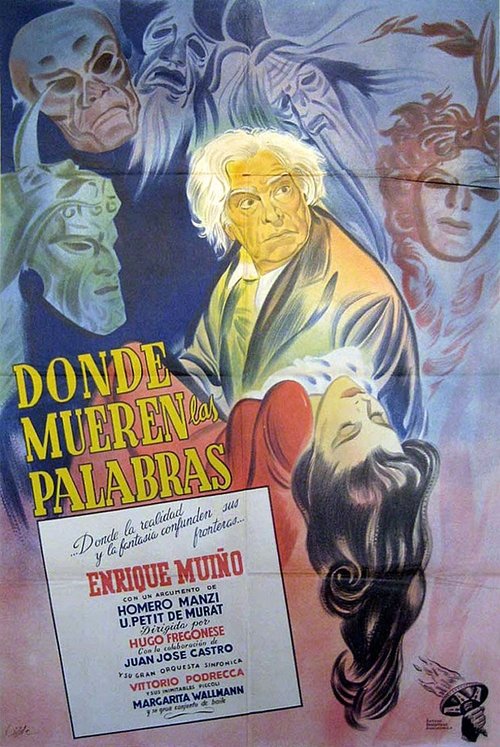
An old timbal performer in a puppet theater has a secret past.
Donde mueren las palabras
The story of different episodes that happen in each of the sections of a newspaper.
Ceniza al viento
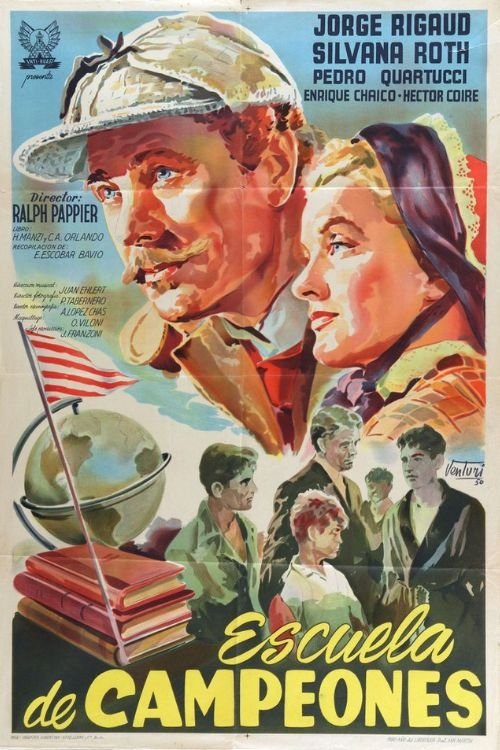
It is the reconstruction of the history of the Buenos Aires English High School and of the legendary Alumni club, made up of its students, who dominated Argentine football in the first decade of the 20th century and its president, Alejandro Watson Hutton, The first president of the Argentine Football Association, considered the father of Argentine football.
Escuela de campeones
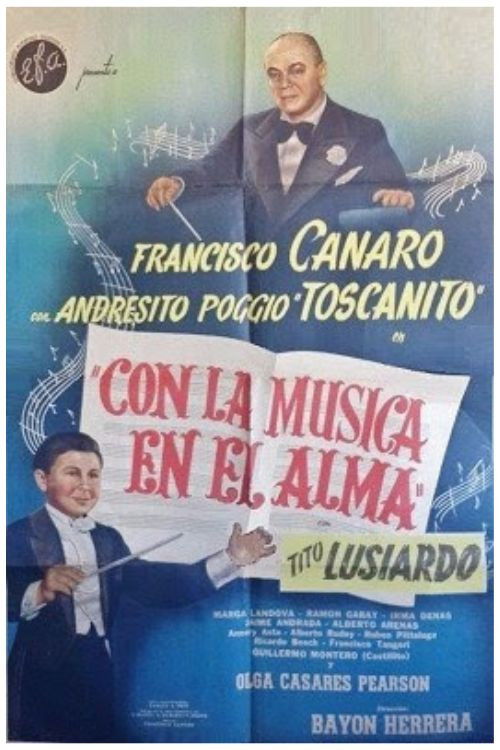
An orchestra director had a son as a result of an affair in his youth and hides the fact from his wife. But the young man succeeds as a musician and the truth soon comes to light.