Mira Stupica
Acting
Biography
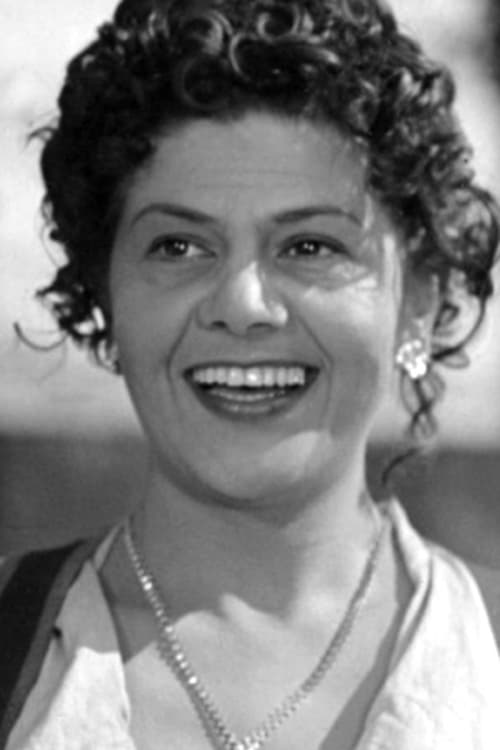
Miroslava "Mira" Stupica (born August 17, 1923 in Gnjilane, Kingdom of Serbs, Croats and Slovenes) is a Serbian actress primarily famous for her illustrious work in the theatre. She began acting in high school and made her feature film debut in 1951 film Bakonja fra Brne by Fedor Hanžeković. She is, however, better known for her work in theatre where she met her second husband, famous theatre director Bojan Stupica. Her third husband was Cvijetin Mijatović, former president of Socialist Federative Republic Yugoslavia. Her first husband was Serbian actor and famous playboy Milivoje "Mavid" Popović. Her brother Bora Todorović is renowned actor in his own right.
Known For
No description available.
German Film Award

Otvorena vrata, is a Serbian comedy television series filmed in 1994-1995. Broadcast on state television RTS, it ran for 2 seasons featuring a regular family living in Belgrade during the 1990s. The show was created by Biljana Srbljanović and Miloš Radović, starring Vesna Trivalić, Milan Gutović, Bogdan Diklić, Nikola Đuričko, Sofija Jović, Bojana Maljević, Olivera Marković and Zoran Cvijanović, with guest stars such as: Mirjana Karanović, Nikola Simić, Seka Sablić, Branka Katić, Mira Stupica. The show had many reruns over the following years, and acquired a cult following. In spring of 2012, after the Serbian presidential election results were announced, Bojana Maljević announced on her Twitter account that she and Biljana Srbljanović were thinking about doing another season of the show. In the following days the idea of the third season was officially confirmed and members of the original cast started announcing that they would take part in the project.
Open Doors

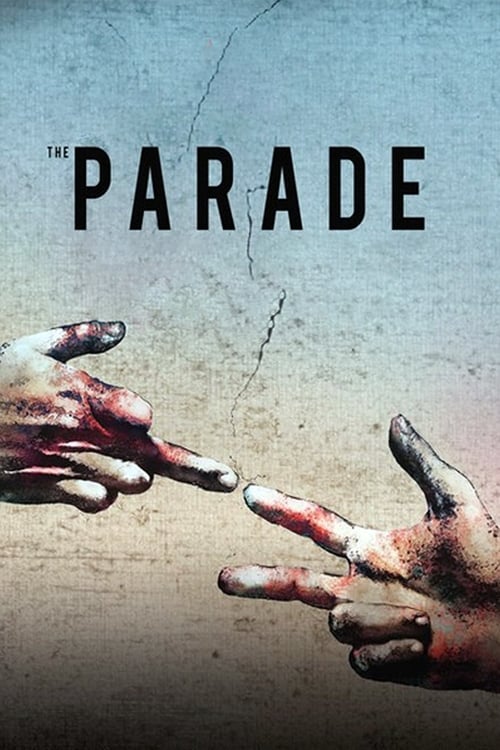
The Parade, in a tragicomic way, tells the story about ongoing battle between two worlds in contemporary post-war Serbian society - the traditional, oppressive, homophobic majority and a liberal, modern and open-minded minority... The film, which deals with gay rights issues in Serbia, features footage of the 2010 Belgrade gay pride parade. The film introduces a group of gay activists, trying to organize a pride parade in Belgrade.
The Parade

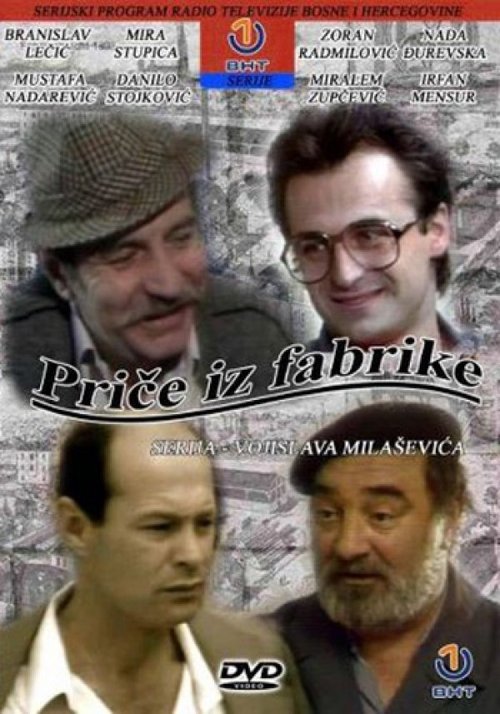
Works and private lives of 800 female employees in the textile factory named "Star".
Stories from the Factory

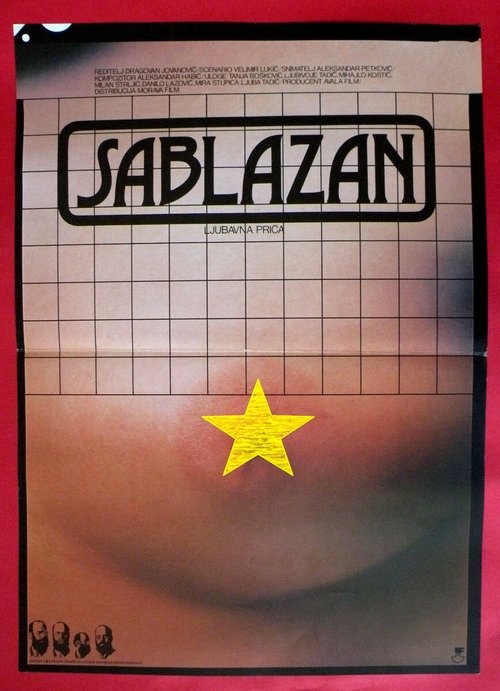
After the end of World War II, a young partisan falls in love with a German secretary who is captured and imprisoned by partisans. He decides to free her and escape with her.
Outrage

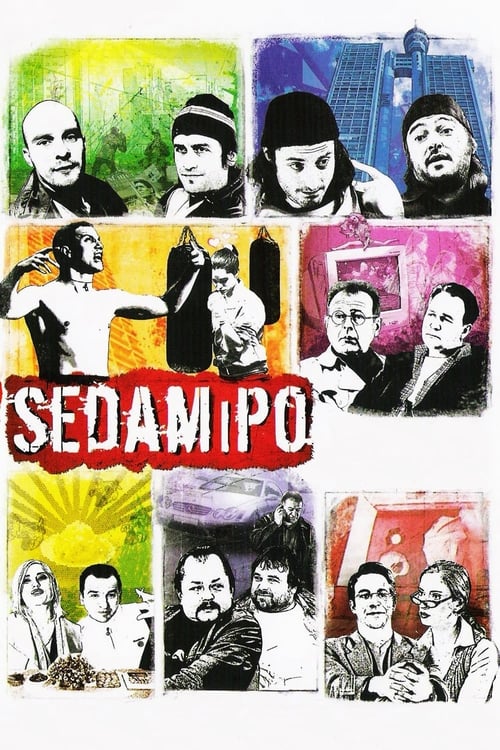
A collection of seven stories "from the block," linked by the theme of the seven deadly sins, humorously portrays the everyday life of New Belgrade's inhabitants, who are consumed by their minor foibles and guided by their passions. While pride, sloth, envy, wrath, greed, lust, and gluttony are biblical sins, they seem almost ridiculous in contemporary times when set against the backdrop of civilization's far more severe challenges.
Seven and a Half

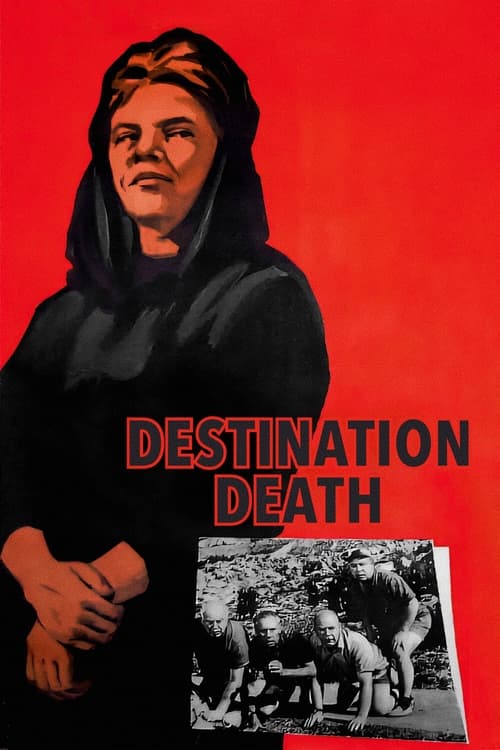
A group of West German men on a stag party find themselves stranded in a Montenegrin village inhabited only by vengeful women since all their men were shot during the war.
Destination Death

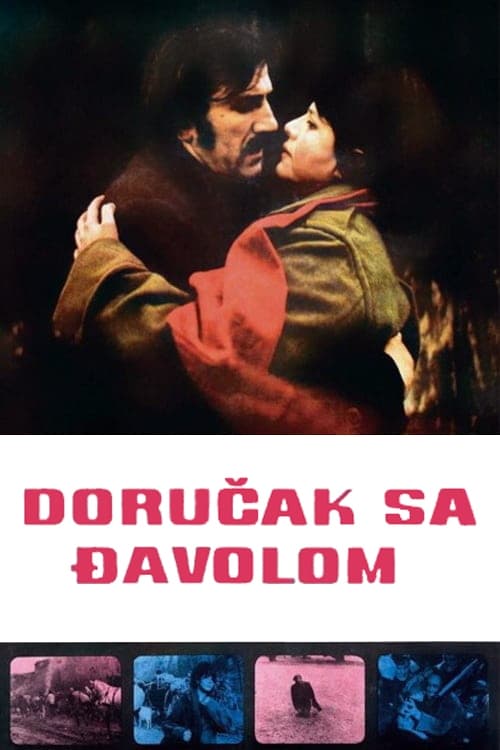
In 1947, among the ruins of war and in anticipation of a catastrophic flood, the locals of a Vojvodina village find themselves caught between the devastation of their livelihoods and the demands of the new Communist authorities.
Breakfast with the Devil

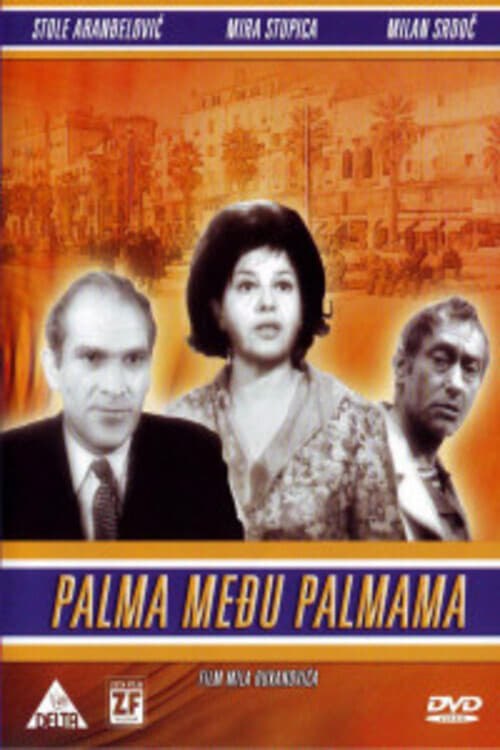
An ex-prostitute, now a washerwoman, asks for a pension for her previous "employment", which socialism, with its human principles, does not disapprove. To realize her right, she needs two witnesses, and she has many more. But none of them will testify. A whole society shows its selfishness, false morality, prejudice. She dies without realizing her great wish.
Palm Tree Among Palm Trees

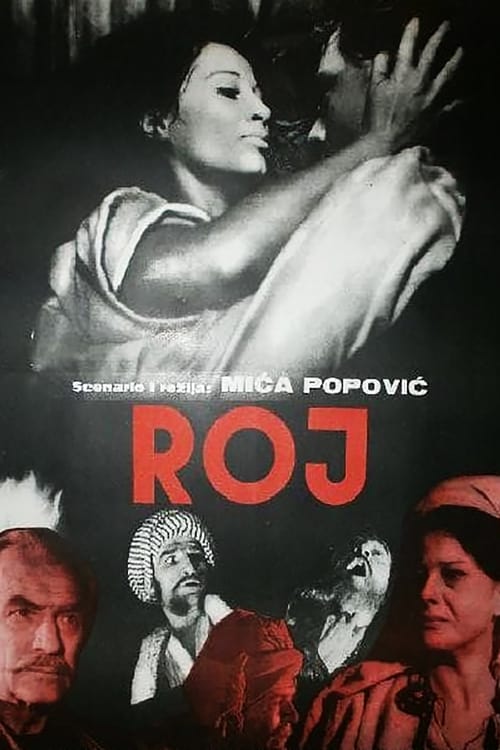
During turbulent times of the First Serbian uprising in 1804, on a freshly liberated land, a woman who betrayed her husband to the Turks has been taken to the court. A complicated truth and the real motives of the case get overlooked by the judge, a neutral Turk.
The Swarm

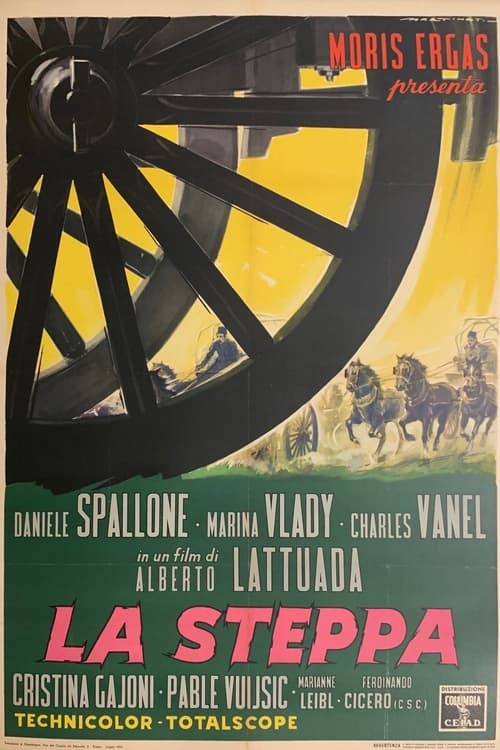
Based on a Anton Chekhov short story, this slight tale has some good moments as the drama of a young boy's journey unfolds. The lad comes from peasant stock, and one day his family decides it would be best for him to go live with his uncle in the city. The only problem is that the city is all the way across the Russian steppes, and at this time in history, that arduous journey could only be undertaken by horse and carriage. Reminiscent of the American pioneer wagon trains heading West, the tale lacks any attacks from hostile forces but is filled with charming vignettes. In one part of the journey, the boy comes across some fishermen along a river, harpooning their catch for the day. In another segment, he is entertained when some folk dancers do a lively show. But in general, it is too long and unmomentous a journey to hold attention well for nearly two hours.
The Steppe

Engineer Maric finds out about an affair between his wife Rina and his best friend, a lawyer Novakovic. Maric leaves the house with suicidal intentions. At the big funeral, Novakovic consoles unfortunate Rina, while in the funeral procession a whole bunch of suspicious people try to claim close relations with the deceased one in order to get hold of a piece of his inheritance.
Before the War

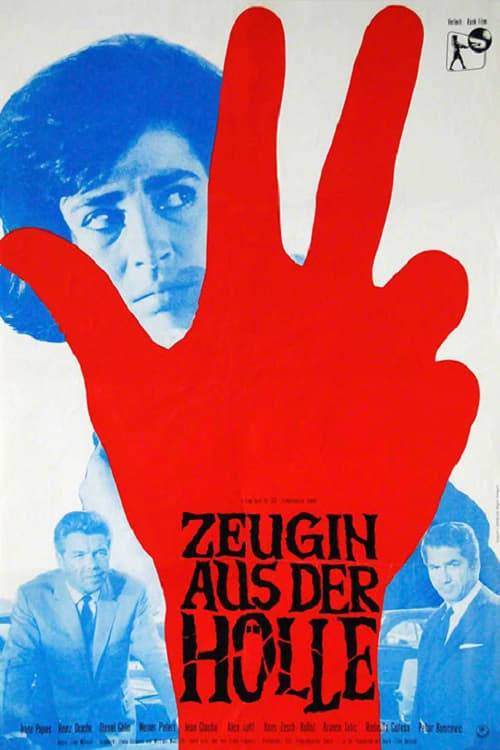
Leah Weiss, a Polish Jew, was first forced into prostitution at Auschwitz. Afterwards, she was victimized in medical experiments. Now, twenty years later, German war crimes prosecutors hope she will be their star witness. But can she stand up to the shame, the publicity, and the reliving of those experiences?
Witness Out of Hell

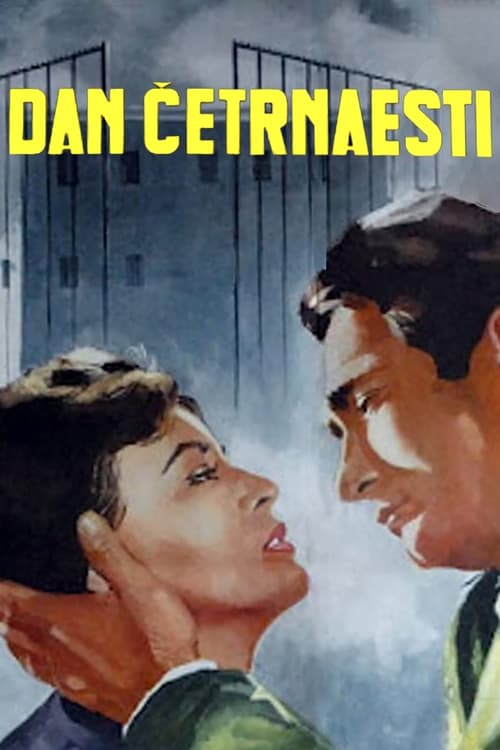
The topic of this routine, romantic drama is a little unusual - it concerns what some prisoners do when they are allowed out of jail for two weeks before their sentences are up. Rather than receiving some special dispensation, it turns out that in Yugoslavia this was the custom. Most of the time, the men here are engaged in pursuits that forward their relationships with the fairer sex, as might be expected after a long and lonely incarceration. There is nothing particularly profound about their two weeks of liberty, and no deep message in the tale.
Fourteenth Day

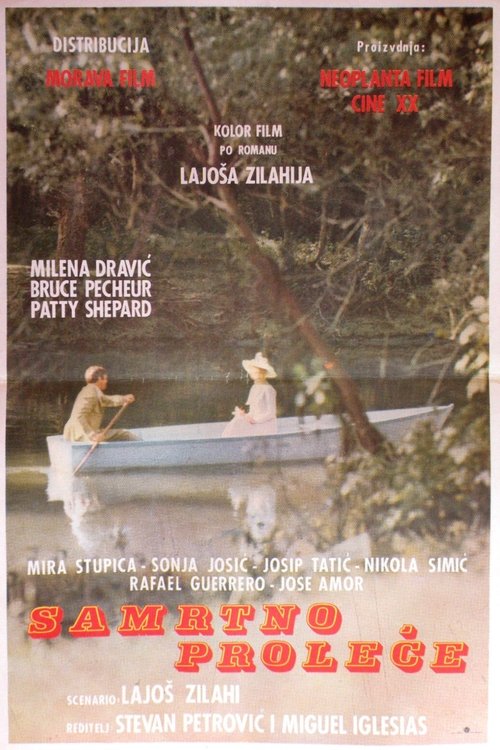
An adaptation of a well-known novel by Hungarian writer Lajos Zilahy.
Mortal Spring

In a small railway station a group of building workers are organized by a man called Jakov to travel to Germany for work. In the meantime, local bar owner Kurjak is getting a visit from his son first time after three years.
The Sun of Another Sky
A small coastal town, where almost everybody are into fishing. Niko and Mato are friends, both in loved with the same girl Visnja, in charge of the fishermen's strike against the owners of the fishing boats. After being caught, Mato betrays his friends. Thus he becomes the subject of scorn both by the entire village and Visnja, who then marries Niko.
In the Net

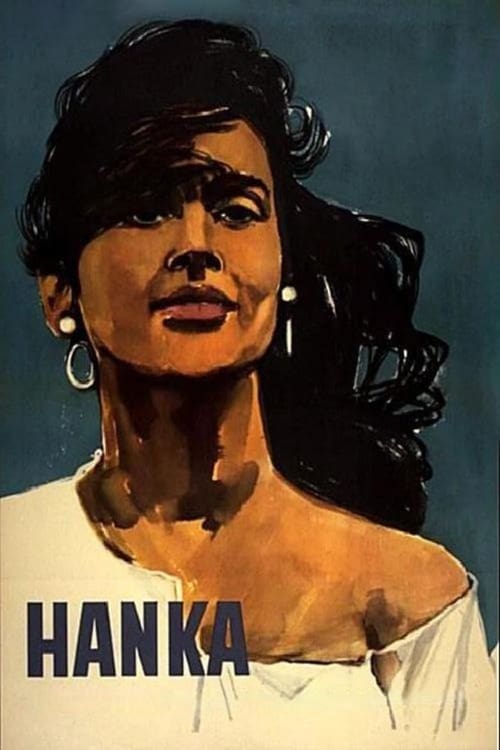
Village drama of love and hate among the Gypsies.
Hanka

When a warrior dies, a star is born, a company of us die when born to a group of stars. Small children are fascinated by ancient legends and stories of old people, people replace their signature ready to be shot and put yourself in front of the German pipe.
The Stars Are the Eyes of Warriors

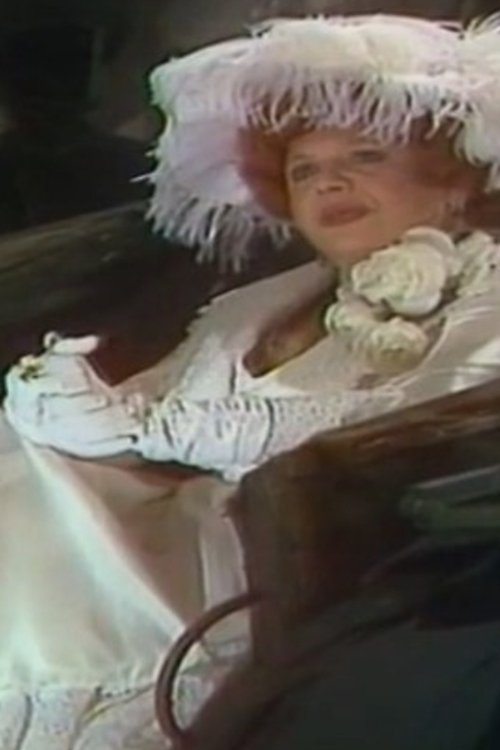
As a young woman, Klara left her hometown in disgrace. Now she is old and unimaginably rich, as for the first time she returns. The town is nearly bankrupt and in urgent need of money. Everybody hopes Clara will come to the rescue. And she will. However, there is a condition: somebody must kill the man who was her lover all those years ago.