FEEL IT.STREAM
Mira Stupica

Mira Stupica

Acting

Biography

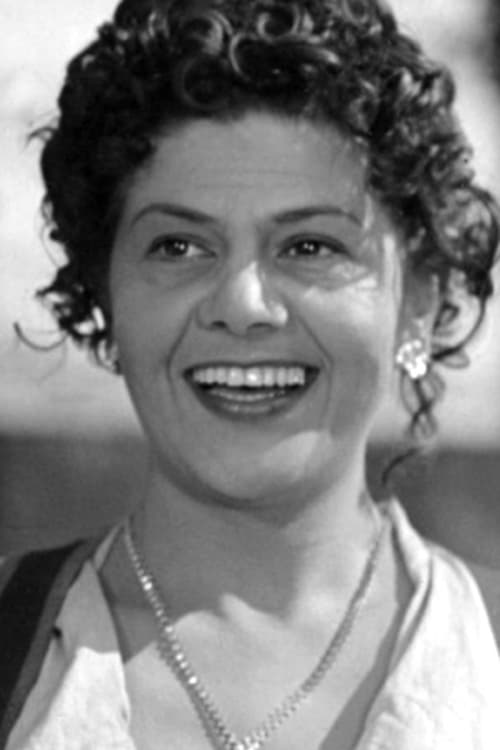
Miroslava "Mira" Stupica  (born August 17, 1923 in Gnjilane, Kingdom of Serbs, Croats and Slovenes) is a Serbian actress primarily famous for her illustrious work in the theatre. She began acting in high school and made her feature film debut in 1951 film Bakonja fra Brne by Fedor Hanžeković. She is, however, better known for her work in theatre where she met her second husband, famous theatre director Bojan Stupica. Her third husband was Cvijetin Mijatović, former president of Socialist Federative Republic Yugoslavia. Her first husband was Serbian actor and famous playboy Milivoje "Mavid" Popović. Her brother Bora Todorović is renowned actor in his own right.

Known For

Open Doors
7.1

Otvorena vrata, is a Serbian comedy television series filmed in 1994-1995. Broadcast on state television RTS, it ran for 2 seasons featuring a regular family living in Belgrade during the 1990s. The show was created by Biljana Srbljanović and Miloš Radović, starring Vesna Trivalić, Milan Gutović, Bogdan Diklić, Nikola Đuričko, Sofija Jović, Bojana Maljević, Olivera Marković and Zoran Cvijanović, with guest stars such as: Mirjana Karanović, Nikola Simić, Seka Sablić, Branka Katić, Mira Stupica. The show had many reruns over the following years, and acquired a cult following. In spring of 2012, after the Serbian presidential election results were announced, Bojana Maljević announced on her Twitter account that she and Biljana Srbljanović were thinking about doing another season of the show. In the following days the idea of the third season was officially confirmed and members of the original cast started announcing that they would take part in the project.

Open Doors

1994Series
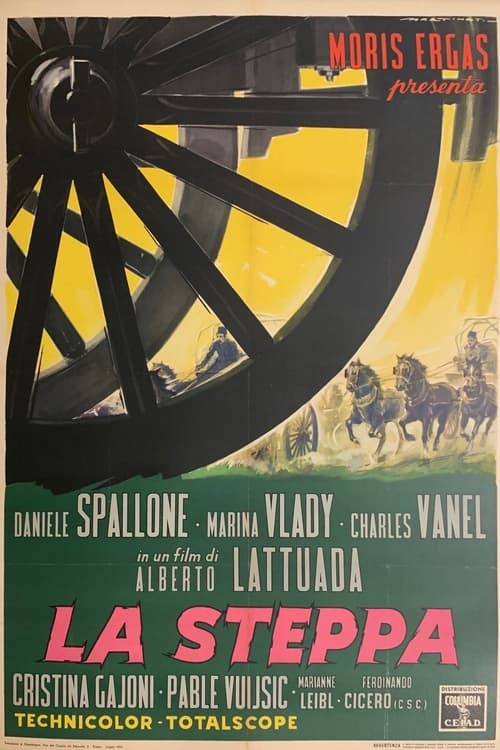
The Steppe
6.2

Based on a Anton Chekhov short story, this slight tale has some good moments as the drama of a young boy's journey unfolds. The lad comes from peasant stock, and one day his family decides it would be best for him to go live with his uncle in the city. The only problem is that the city is all the way across the Russian steppes, and at this time in history, that arduous journey could only be undertaken by horse and carriage. Reminiscent of the American pioneer wagon trains heading West, the tale lacks any attacks from hostile forces but is filled with charming vignettes. In one part of the journey, the boy comes across some fishermen along a river, harpooning their catch for the day. In another segment, he is entertained when some folk dancers do a lively show. But in general, it is too long and unmomentous a journey to hold attention well for nearly two hours.

The Steppe

1962Movie