José Manuel Novoa
Directing
Known For
No description available.
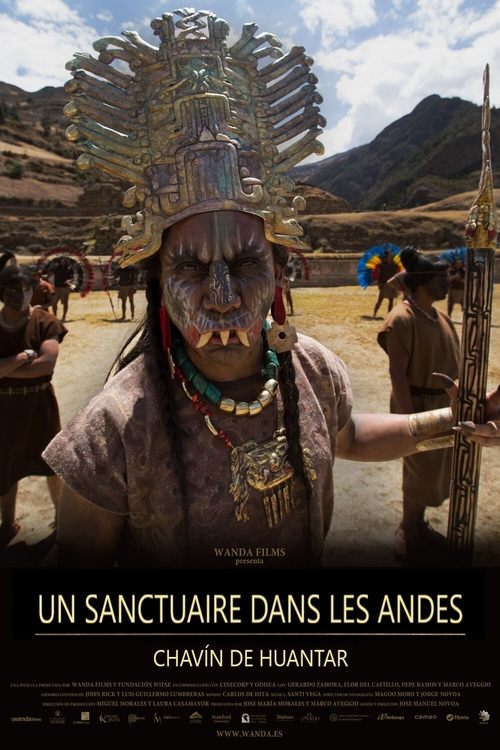
Chavín de Huantar: el teatro del Más Allá
This is an interesting look at the Baka pygmies of Cameroon. Instead of an anthropology documentary in the style of National Geographic, it is the recounting of a legend, all told from the point of view of the tribe. It's quite interesting in how it deals with their mythology and culture, which are of course introduced along the way, often cleverly in the way of an elder explaining to youngsters.
Eyengui, el dios del sueño
Starting from the colonial city of Trujillo, this documentary reveals natural and archeological features along the north coast of Peru, where the Moche culture thrived from the 1st Century BC to the 6th Century AD.
The Moche Route
The slave ships during the XVII and XVIII century transported millions of colored people from Africa to America carried within it the seed of a religious cult that would help the slaves in the Confederacy for their freedom. This is the story of the formation of African roots syncretic cults that worship spirits of two faces: black continent mystical entities hidden behind Catholic imagery.
Voodoo
The tombs of the grand lords of Moche civilization - one of Peru's most important pre-Hispanic civilizations -- are in constant danger from grave robbers, but archeologist Walter Alva has managed to find some priceless treasures and recreate the lives of this ancient people of northern Peru.
The Lord of Sipan
In the Formative Period 4,000 years before the Incas and the arrival of the Conquistadors, Peru’s earliest civilizations - the Chavín, Caral, Ventarrón, Sechin, Cupisnique, and Cajamarca cultures - built centers of learning and technological achievements, including the largest work of hydrological engineering in the ancient Americas: the Cumbemayo canals.
Millennial Peru: The Unexplored History
Masai Mara, the traditional territory of the Masai tribe, divided between Kenya and Tanzania, is the setting for this documentary in which we approach a Manyata, a traditional Maasai dwelling to attend the ceremonies in which children become warriors.
Guerreros de la sabana africana
A people who lived on the brink of the abyss and buried their dead on sheer cliffs, defying all logic. The Chachapoya culture flourished between 800 and 1500 AD in northern Peru, at an altitude of more than 3,000 meters. No one knows for sure whether the Chachapoyas came out of the jungles or the mountains, but they settled in a place that seems impossibly difficult to live in: the mountainous fringes of the Peruvian jungle.
La Joya and the Warriors in the Mist
No description available.
Pigmeos: la agonía del dios verde
No description available.
India, los peregrinos del Ganges
No description available.
il était une fois le Pérou
No description available.
Tuareg, los guerreros de las dunas
The Mekong River is the most important means of communication in Southeast Asia. On its waters live and work thousands of Vietnamese who are engaged in trade. After the Vietnam War, which completely transformed the country, Vietnamese society has been recovering ancient traditions.
La joya de Mekong
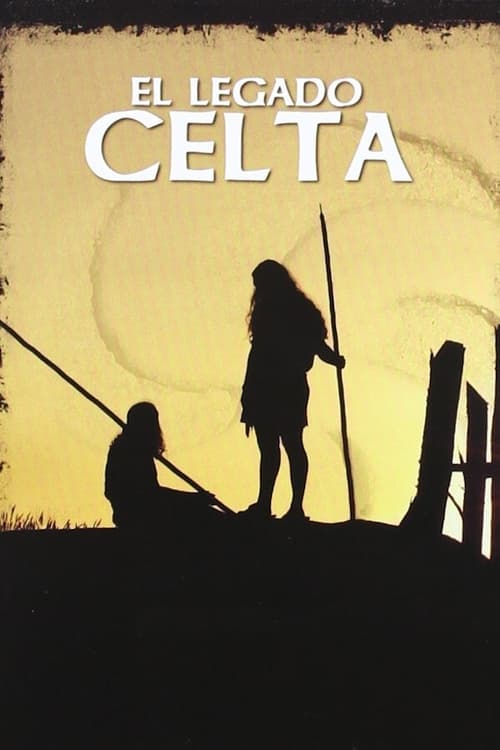
The Celtic Legacy offers a trip back in time, from the Megalithic to Romanization of the Iberian Peninsula to discover the singular culture of the Castros in Galicia. Hair-rising landscapes, burial mounds, petroglyphs, fortified cities, lithic sculptures and exquisite jewels will define an era lost in time. The audience’s eye will be guided from the ancient Galicia to other places in Europe during those days: Brittany, Scotland, Ireland… where the Celtic culture left deep marks that persisted until today.
The Celtic Legacy
From the plateaus of Peru to Central Africa, this documentary takes you on a journey around the world to discover the healing powers of shamans.