Sugisaku Aoyama
Acting
Known For
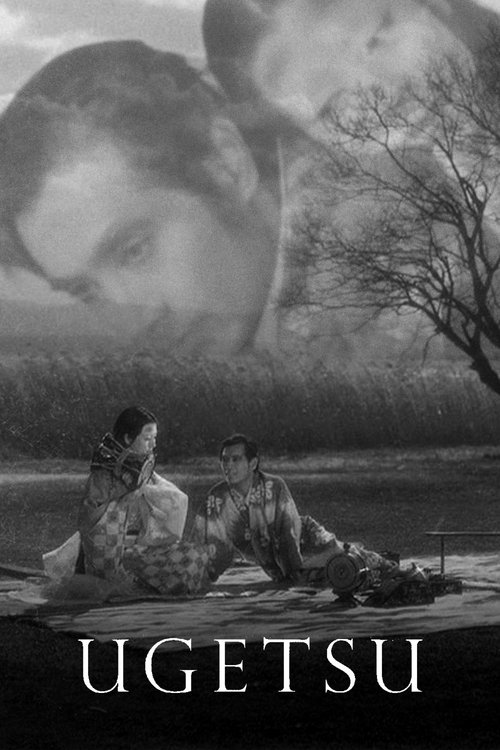
In 16th century Japan, peasants Genjuro and Tobei sell their earthenware pots to a group of soldiers in a nearby village, in defiance of a local sage's warning against seeking to profit from warfare. Genjuro's pursuit of both riches and the mysterious Lady Wakasa, as well as Tobei's desire to become a samurai, run the risk of destroying both themselves and their wives, Miyagi and Ohama.
Ugetsu
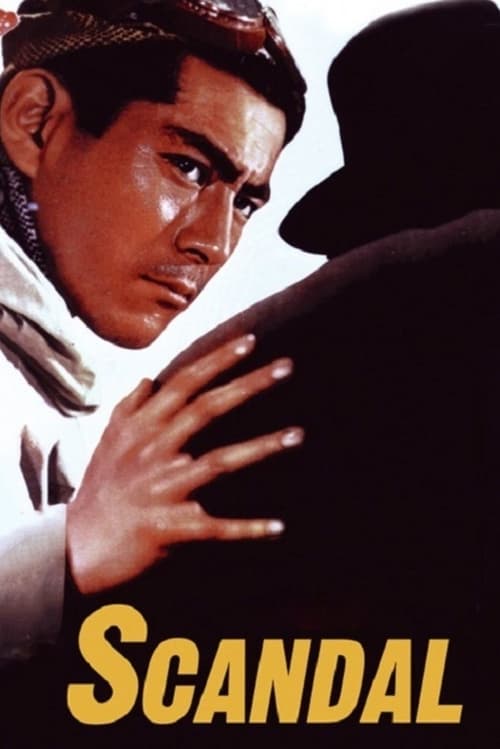
A celebrity photograph sparks a court case as a tabloid magazine spins a scandalous yarn over a painter and a famous singer.
Scandal
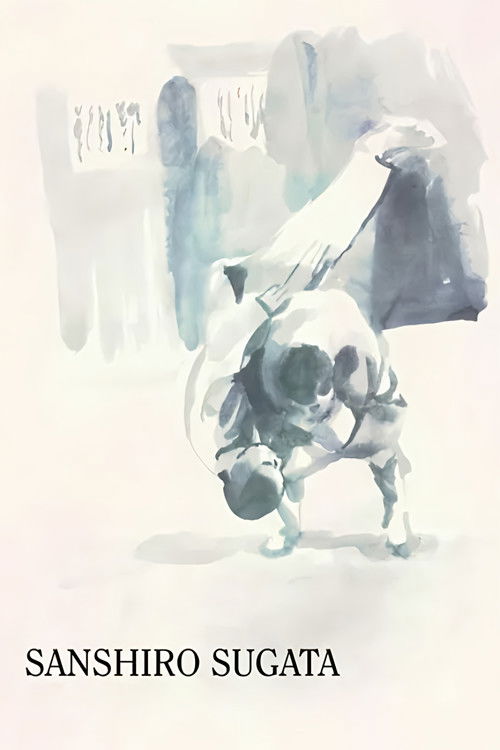
A hotheaded youth in 1880s Meiji Japan apprentices to judo master Shōgorō Yano, trading brute jujutsu bravado for discipline and humility. As Sanshirō matures, he proves judo’s spirit against old-guard challengers—including a deadly duel—while falling for his vanquished opponent’s daughter. Based on the novel by Tsuneo Tomita, son of Tomita Tsunejirō, the earliest disciple of judo.
Sanshiro Sugata
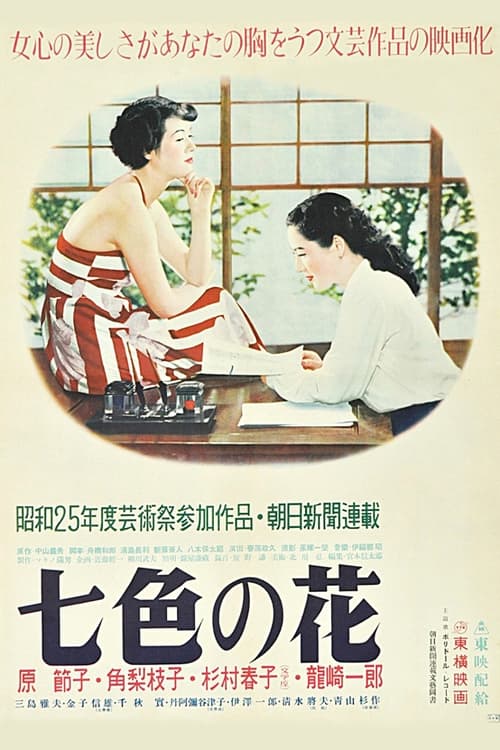
Ebihara is a budding novelist entangled in a complicated web of relationships with three women from three different generations: Kazue, a coquettish teenage war orphan who tries to offer herself for money but is instead taken in by Ebihara, Koyabu, a middle-aged woman who has spent much of her life as the kept woman of a wealthy man, and Teruko, the modest daughter of Ebihara's former teacher who comes to rely on him after the death of her father.
The Rainbow-Colored Flower

Wataru Naohiko who has the prosecutor general as his father became a young composer and its symphony "saint" invoked the world echoed. But his disciple Uchiyama and his best friend prosecutor Daisuke Toki accused his music as a sesame of pause-only technique, not a truly heart-hungry art.
Elegy
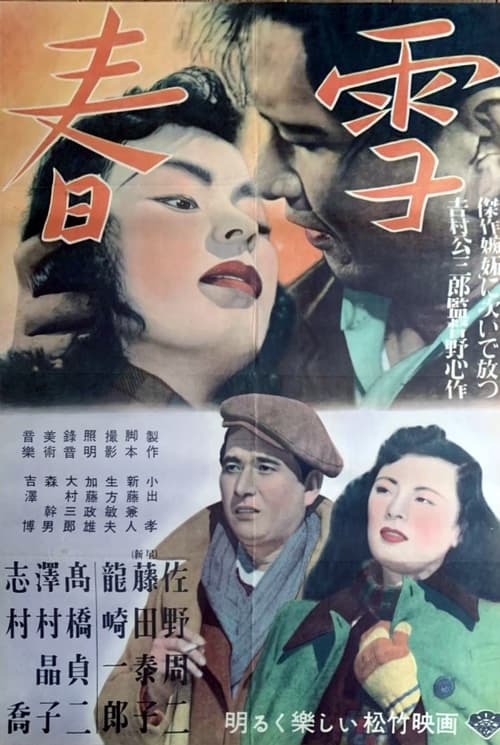
The Yoshikawa family is a typical small town family. With only the father's and daughter's salaries to support the family's six members, life is not easy.
Spring Snow
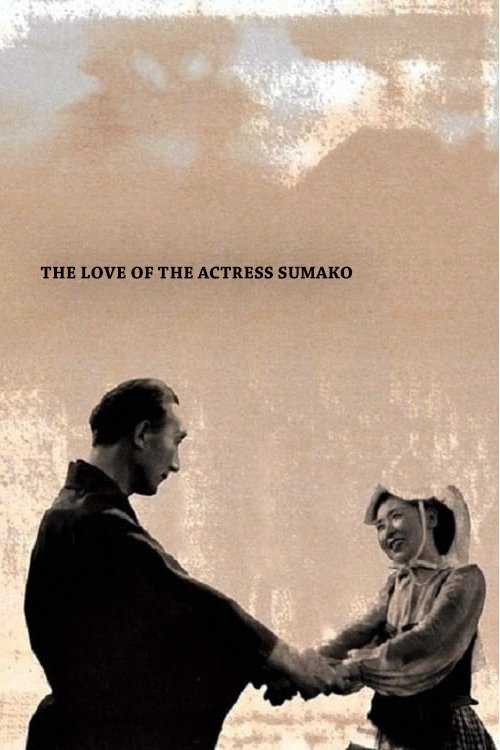
Stage director Shimamura, who is bringing western theatre to Japan, falls in love with outspoken actress Sumako Matsui, and leaves his family to be with her, while trying to keep his Art Theatre solvent.
The Love of the Actress Sumako
The Opium War is a 1943 black-and-white Japanese film directed by Masahiro Makino. "Ahen senso" in Japan refers to the First Opium War. The story of the film concerns this war.
The Opium War
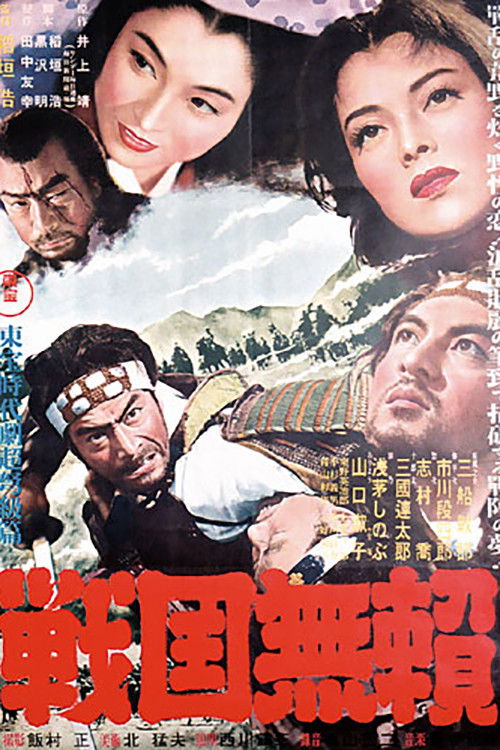
Soldiers Hayate and Yaheiji secretly escape from their besieged castle. Hayate has left behind his lover, Kano. On his way, Hayate is wounded and cared for by O’Ryo, who falls in love with him. But when Hayate accidentally kills her caretaker, he flees, with O’Ryo in pursuit. Subsequently, Hayate's comrade Yaheiji falls in love with Oryo. Kano, the lover left behind by Hayate, believes him dead, and becomes involved with another soldier, Jurota. When Jurota defects to the opposing army, he takes Kano with him. A double set of love triangles has developed, wherein each man and each woman loves one and is loved by another. Finally only combat and self-sacrifice can untangle the weave.
Sword for Hire
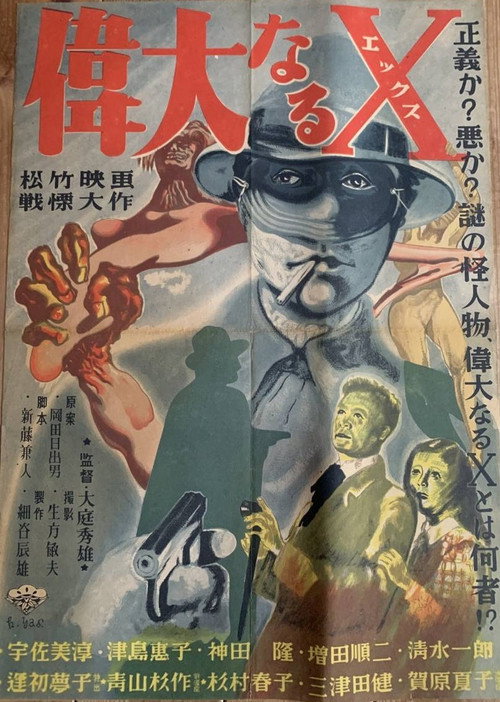
A 1948 Japanese film.
Great X
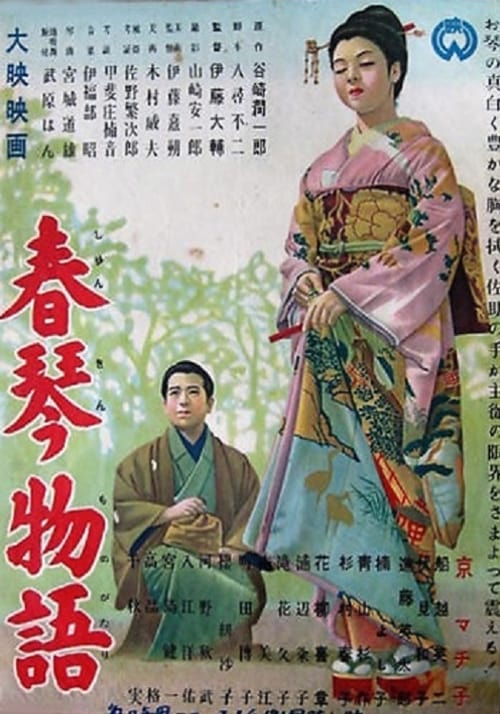
Based on the novel by Junichiro Tanizaki. Story of the beautiful blind daughter of a wealthy businessman who falls in love with a servant.
The Story of Shunkin
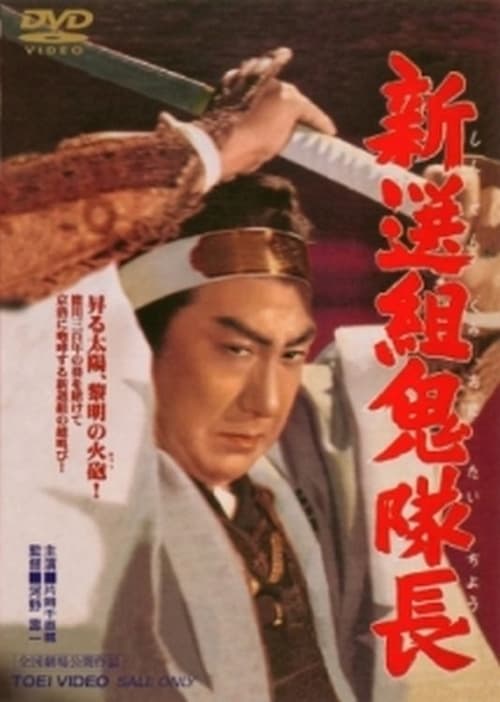
Kondo Isami, the “Devil” commander of the Shinsengumi was one of Japan’s greatest national heroes and a peerless swordsman who devoted his life to protecting the shogun and fighting on the side of the Tokugawa. This tells the story of the Shinsengumi starting at the moment of their greatest triumph through the final battles as the Tokugawa shogunate was brought down.
Fall of the Shogun's Militia
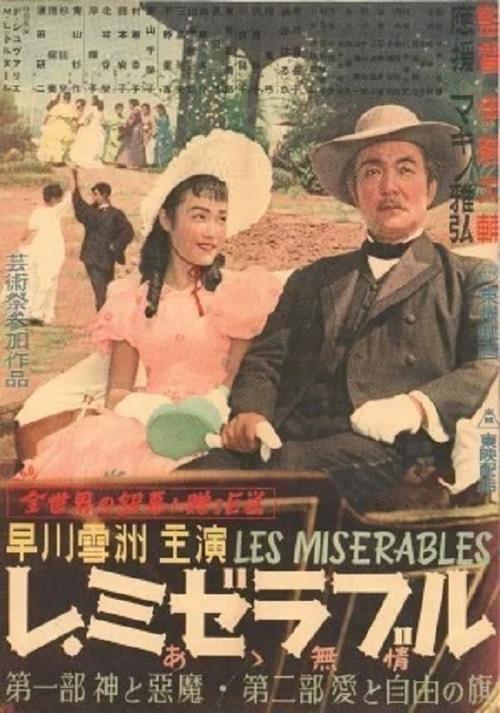
No description available.
Les Miserables II: Banner of Love and Freedom
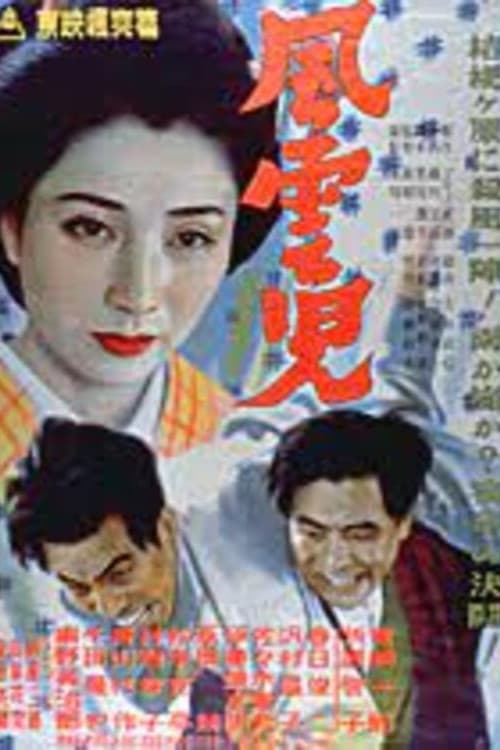
Yano, a progressive individual who seeks to overcome strength with gentleness and confronts physical power with moral principles, faces off against a man protecting jujitsu in the twilight of Kikyōgahara!
風雲児
No description available.
The Blue Revolution
No description available.
Les Miserables I: God and the Devil
Japanese mystery thriller.
Late Night Confession
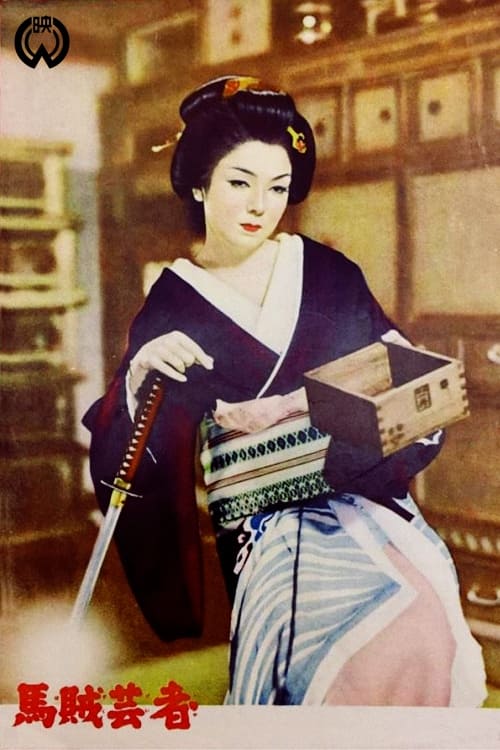
Based on the original work of Akutagawa Prize-winning writer Ashihei Hino, the film depicts the love of the proud geisha Nobukichi Hakata in the early Taisho era.
A Geisha on Horseback
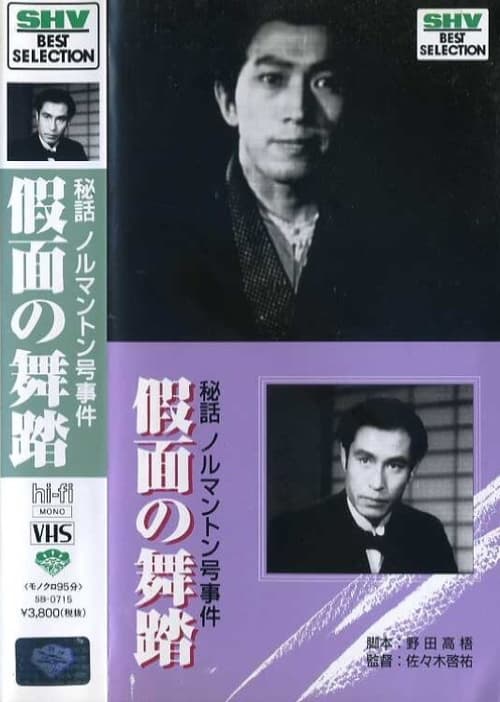
Japanese propaganda film about the Normanton Incident.
Dancing with a Mask
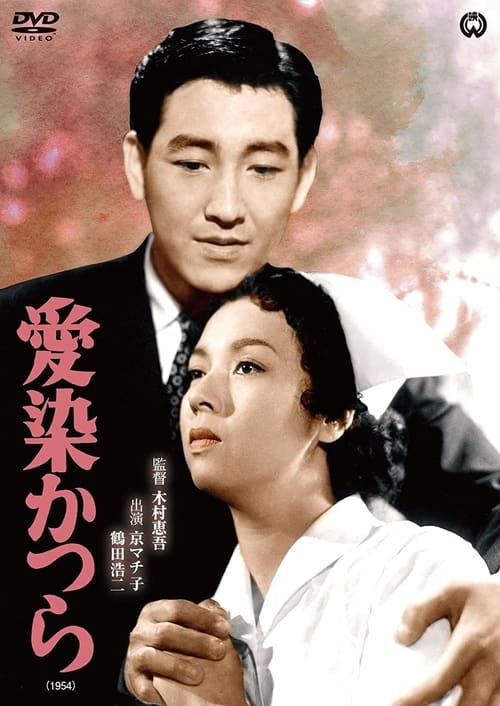
1954 Japanese movie