Acting
No description available.
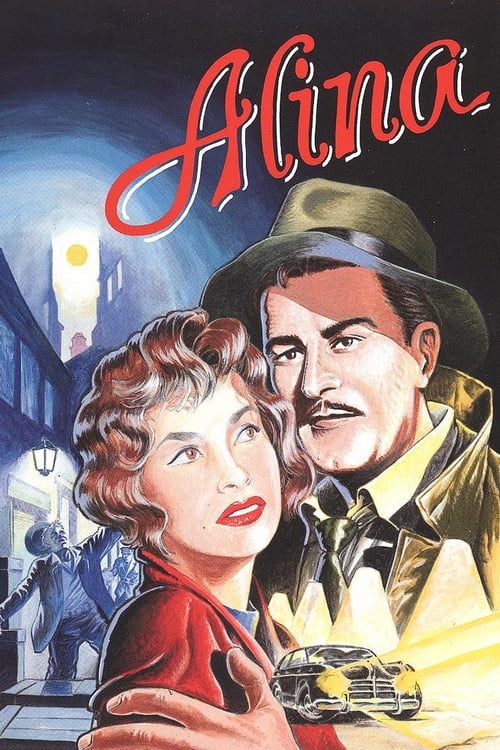
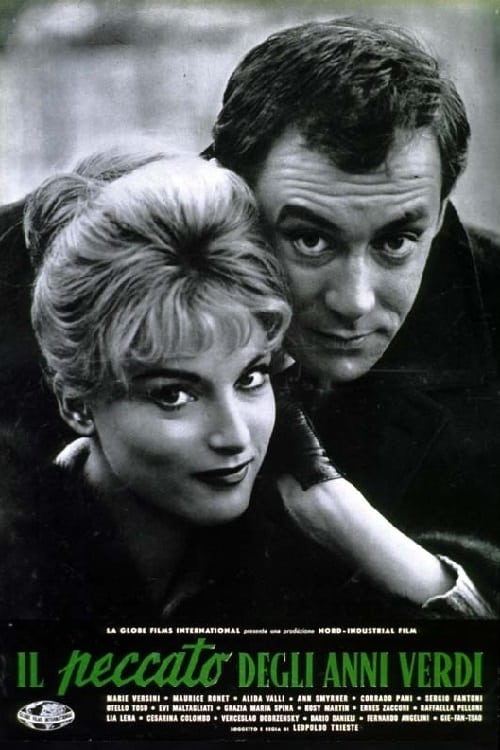
Gina is the daughter of a provincial newsstand dealer and spends her time reading pulp magazines and dreaming of a glamorous vocation on the big city. She enters a beauty contest in a nearby city, without her father's permission, and, en route, meets Franco, a salesman.
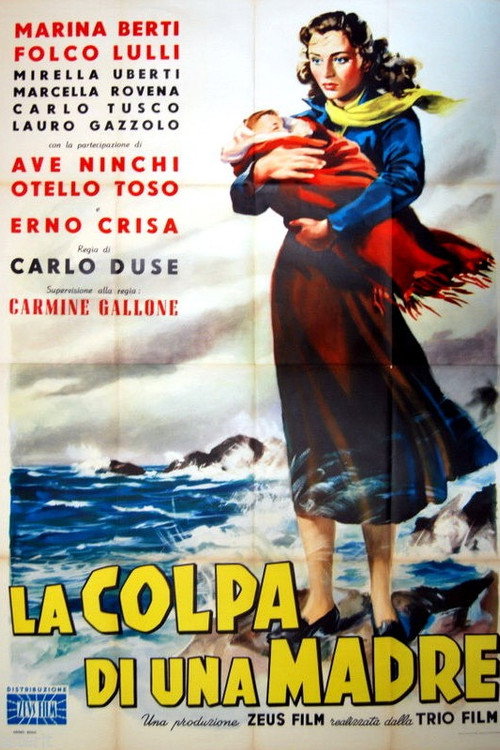
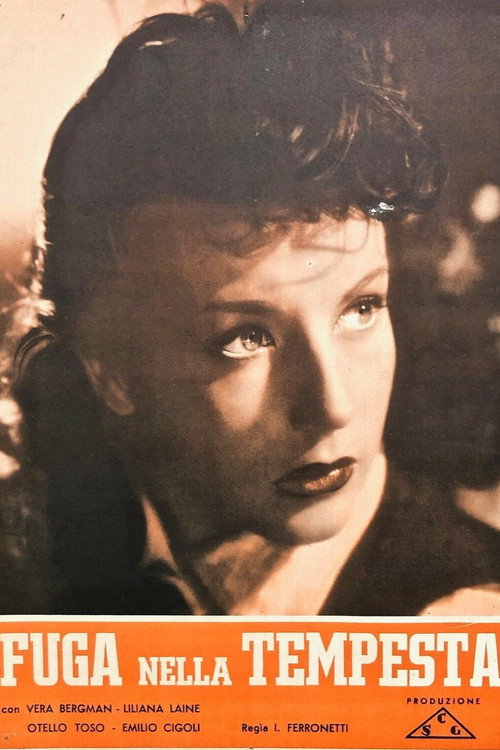
A woman takes her ill husband's place in a smuggling ring and steals the heart of his partner.
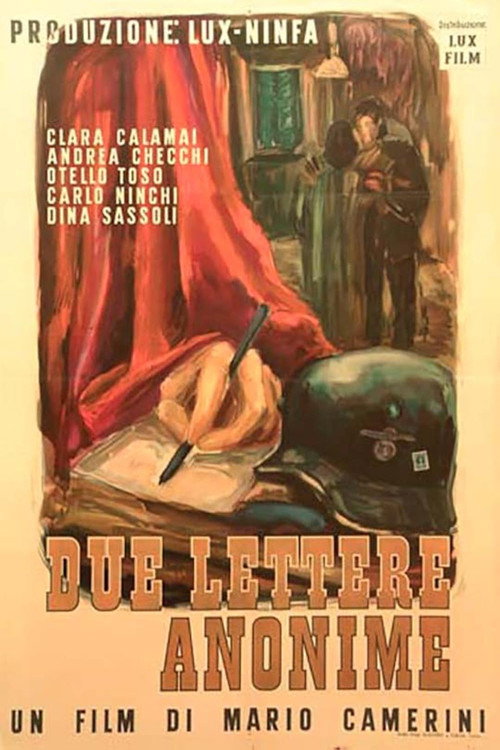
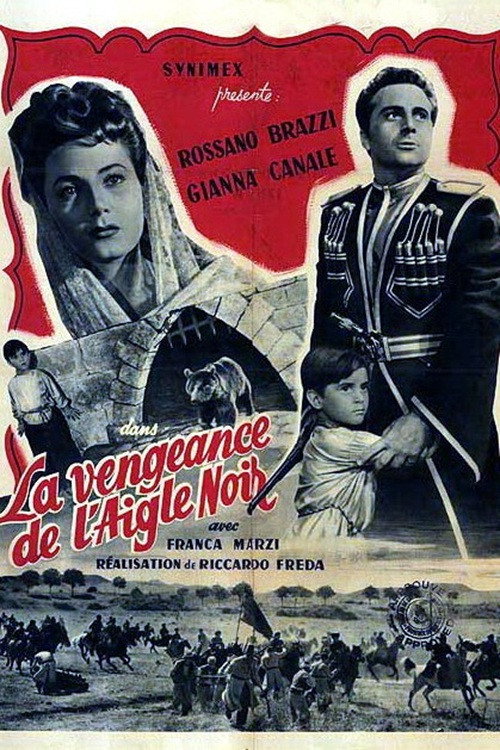
When her sweetheart Bruno joins the Italian army, Gina, bored by her lack of social life, weds Tullio. She comes to regret her decision when Tullio proves to be a Nazi collaborationist. Casting her lot with the Resistance movement, Gina is forced into a difficult decision when the safety of ex-lover Bruno is endangered by the treachery of Tullio.
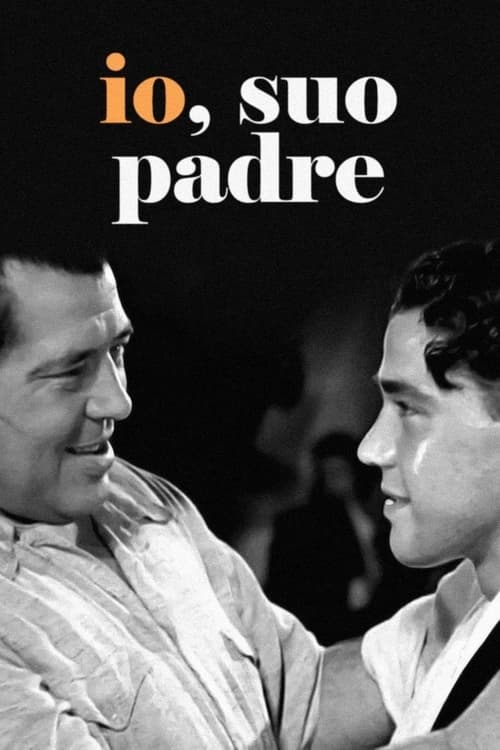
An ex-boxer has trained his own son and leads him on to win the middle-weight championship of Italy. But the boy falls easy prey to a woman of light morals and renounces the hard work of sport to follow her to a winter luxury resort and at a certain moment, offers to marry her but she, not wanting to give up an advantageous connection, turns him down, advising the youth to not change the nature of their relationship. Then, the boy feeling the entire baseness of his situation, returns home to his parents who welcome him back with joy and takes up again a commitment to sport.
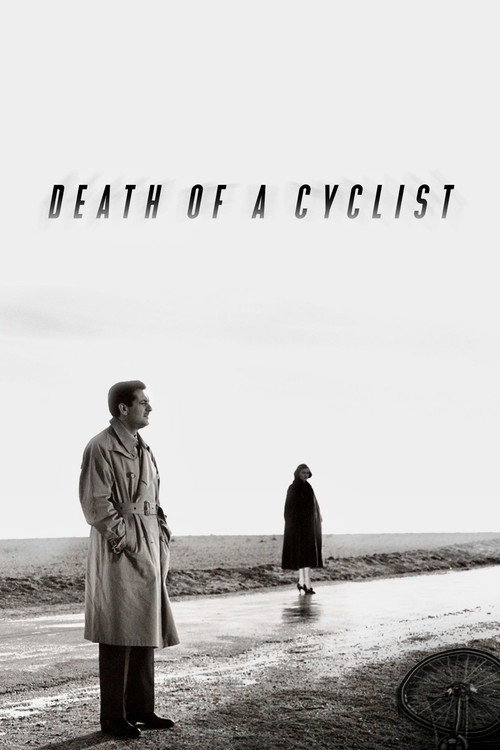
A couple having an affair strike a bicyclist with their car and do not offer aid out of fear of their relationship being exposed.
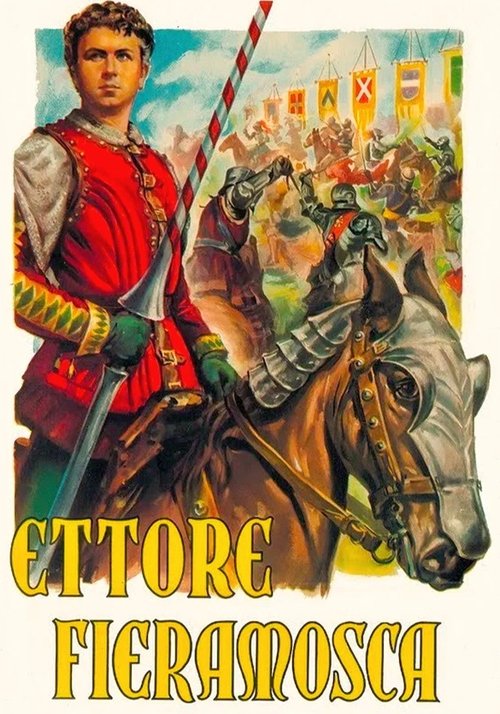
ETTORE FIERAMOSCA was based on a widely-read literary action epic by Massimo D'Azeglio, published in 1833. Translated to the screen in 1938 by the most important director of the Italian fascist period, Alessandro Blasetti, it was intended to boost current patriotic fervor and pride in the Italian nation, and it contributed to a revival of Italian nationalism.
Released from a boarding school of nuns in Como, the seventeen-year-old Milanese Elena Giordani manages to convince her parents to let her spend the summer holidays together with her Genoese friend Diana D'Aquino in her villa in Rapallo.
An Italian film from 1943.
Giovanni Ferretti leaves his wife and son and sets off in search of fortune abroad. His brother manages to turn around the company's fortunes and secure a future for his nephew Riccardo, who falls in love with Elisabetta, a divorced Hungarian woman who threatens to jeopardize the family unit, but an unexpected encounter with his father, who has returned in miserable condition, convinces him to give up eloping with the woman.
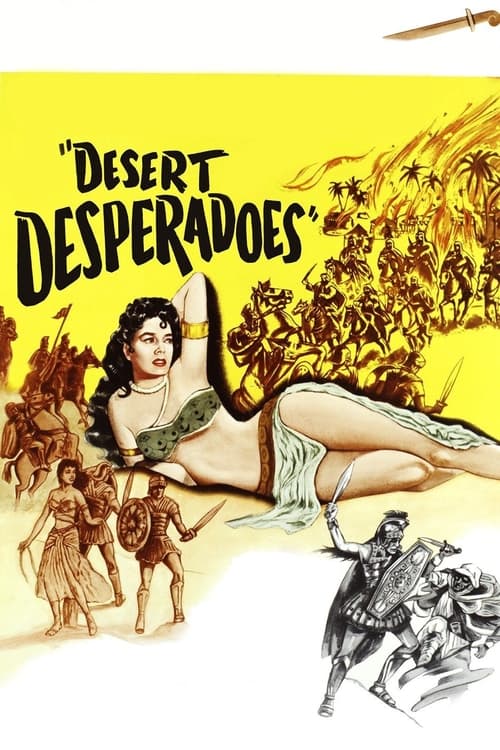
A caravan guarded by Roman soldiers comes across a woman bound to a stake and left to die. A wealthy merchant who hired the caravan is against taking The Woman along, but the commander of the soldiers, Verrus, overrules him. Verrus tries to get friendly with her, promising all kinds of wealth for her favors. The caravan encounters a group of Jdean refugees fleeing from King Herod's orders to kill all male children. They are on their way to Egypt with a male child with them. The Merchant begins to ponder the reward that would be paid by the King and orders The Woman to seduce a Roman guard to enable the messenger to get away. When the King's soldiers show up, Verrus refuses to surrender the refugees. Then the sand hits the fan.
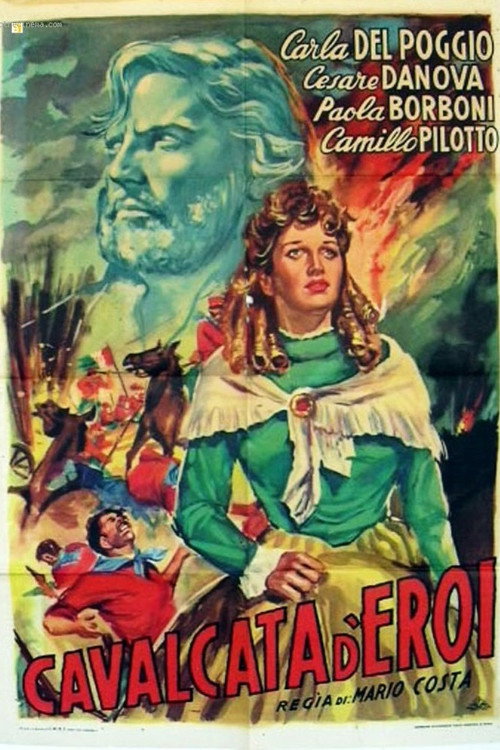
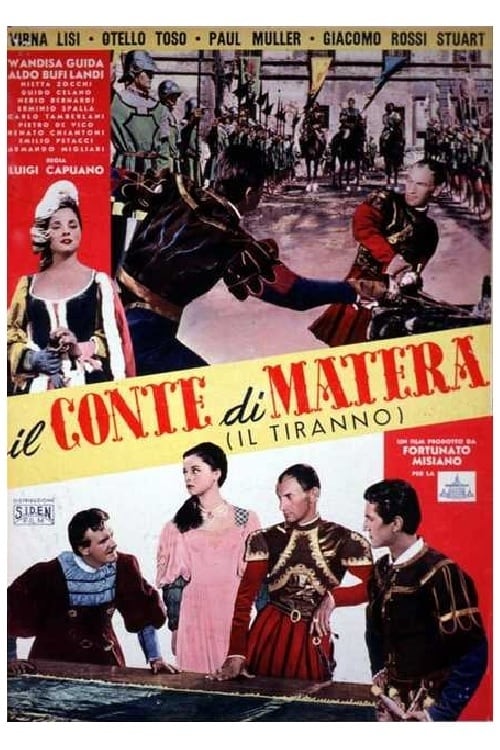
Rambaldo Tramontana, a count who went into battle backed by the French, returns to Matera to take revenge once he is victorious, but the city is deserted and he begins to commit abuses and violence.
An alien race sends cyborgs — made to look like the son of a famous scientist, whom they killed when he landed on their planet — to Earth to help pave the way for an invasion.