Miguel Littín
Directing
Biography
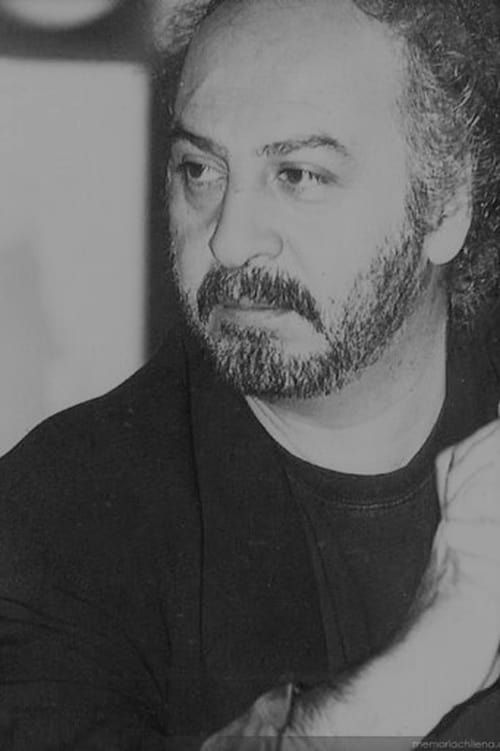
Miguel Ernesto Littín Cucumides is a Chilean film director, screenwriter, film producer and novelist. Miguel Littín directed the most popular Chilean film of all times, El Chacal de Nahueltoro (1969) becoming a figure of the New Latin American Cinema. In México he directed several films. Letters from Marusia, based on a miners strike in Chile. Letters from Marusia was nominated for the Academy Award for Best Foreign Language Film. El Recurso del Método (Long Live the President) based on the Alejo Carpentier's book El Recurso del método (Reasons of State) a co-production with Mexico,France and Cuba. The Widow of Montiel with Geraldine Chaplin based on a Gabriel García Márquez short story. Then he went to Nicaragua to do Alsino and the Condor, based the novel Alsino by Pedro Prado. In 1981 he was a member of the jury at the 12th Moscow International Film Festival. He moved to Spain in 1984, Littín decided to enter Chile clandestine to do a documentary that showed the condition of the country under the Pinochet's regime. It was made the subject of Nobel Laureate Gabriel Garcia Marquez's book Clandestine in Chile: The Adventures of Miguel Littin. He eventually returned to Chile where he continued to make films, among them Tierra del Fuego based on the adventures of Julius Popper an explorer and Dawson, Isla 10, about a group of political prisoners sent to Dawson's island during Pinochet's regime. Littín was the mayor of his home town in the center valley, Palmilla in 1992-94 and re-elected for the period 1996-2000. His films Actas de Marusia and Alsino and the Condor were nominated by the Academy of Motion Picture Arts and Sciences for Best Film in a Foreign Language. Alsino and the Condor won the Golden Prize at the 13th Moscow International Film Festival. His 2005 film The Last Moon was entered into the 27th Moscow International Film Festival.

Known For

Daily interviews discussing the guest's personal lives and national contingency.
Mentiras verdaderas

No description available.
Algo personal

Different stories about people having more luck than usual...
La vida es una lotería

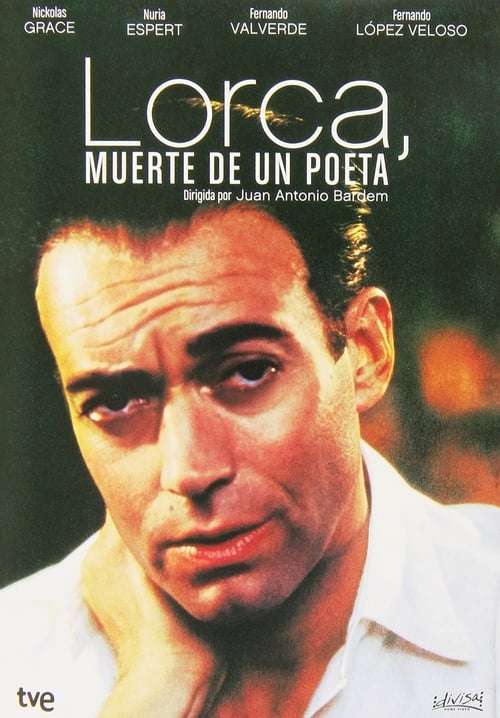
Lorca, a great Spanish poet, playwright, and theatre director. García Lorca achieved international recognition as an emblematic member of the Generation of '27. He was executed by Nationalist forces at the beginning of the Spanish Civil War. Nickolas Grace gives a fabulous interpretation in the title role and he even bears a remarkable resemblance to Lorca.
Lorca: Death of a Poet

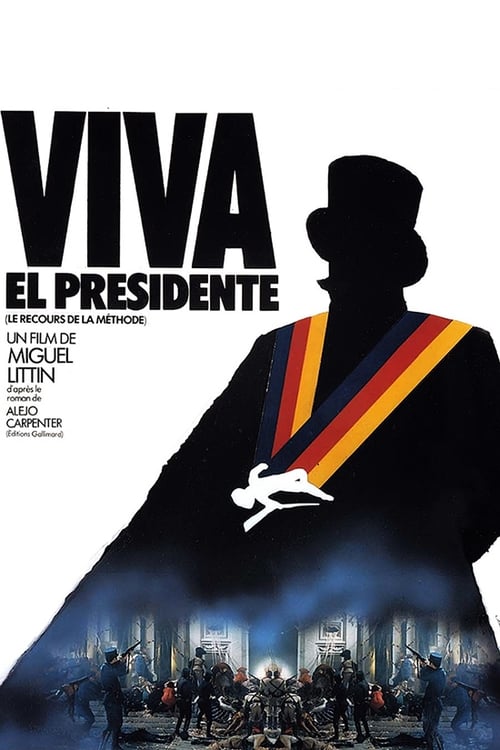
Set in the early 1900s, this film charts the rule of a Latin American dictator as he moves from being a charming despot to a tyrannical ruler before he is finally ousted, only to die in obscurity in Paris. Early in his regime, the resources and agricultural products his country sells command high prices, and he is a reasonably confident, even gentle, ruler who likes to take long vacations with his daughter in Paris. After World War I, with falling prices and a number of coup attempts behind him, his rule becomes quite cruel.
The Recourse to the Method

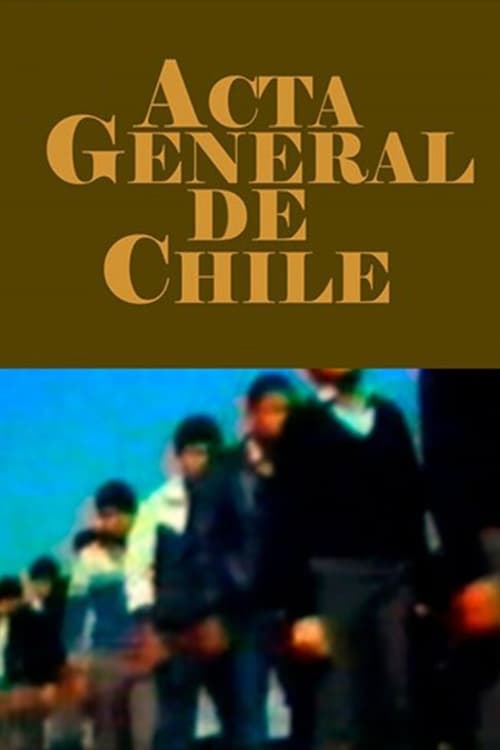
In 1985, exiled director Miguel Littín secretly reentered Chile to film this sweeping documentary portrait of the country under the dictatorship of Augusto Pinochet. Shot clandestinely and later released as a four-part television series, the film combines interviews, historical reflection, and on-the-ground footage to examine Chile’s political climate more than a decade after the 1973 coup.
Chile: A Genral Record

Alsino, a boy of 10 or 12, lives with his grandmother in a remote area of Nicaragua. He's engulfed in the war between rebels and government troops when a US advisor orders the army to open a staging area by the boy's hamlet. Alsino tries to be a child, climbing trees with a girl, looking through his grandfather's trunk of mementos and trying to fly; he goes to town to sell a saddle, has his first drink and is taken to a brothel. But the war surrounds him. The US advisor takes Alsino on a chopper flight, but he's unimpressed. The soldiers' cruelties awake rebel sympathies in Alsino, and after an army assault backfires, the lad is fully baptized into the conflict.
Alsino and the Condor

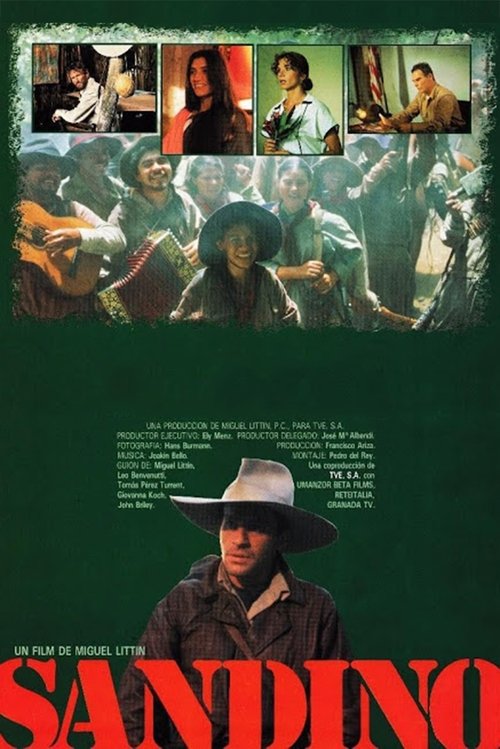
Narrative of a period of life (1926 - 1934) of the Nicaraguan revolutionary leader Sandino, who was known as "The general of free men."
Sandino
No description available.
Chilevisión 60

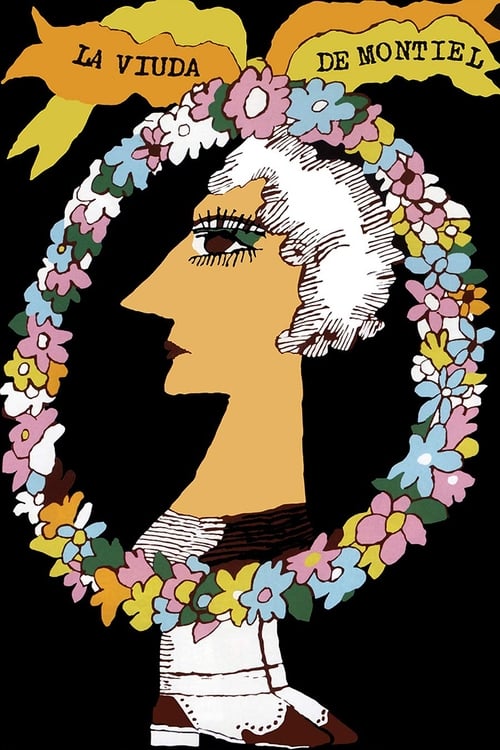
Mexican drama film directed by Miguel Littín. It is based on a short story of the same name by Gabriel García Marquez. It was entered into the 30th Berlin International Film Festival
The Widow of Montiel

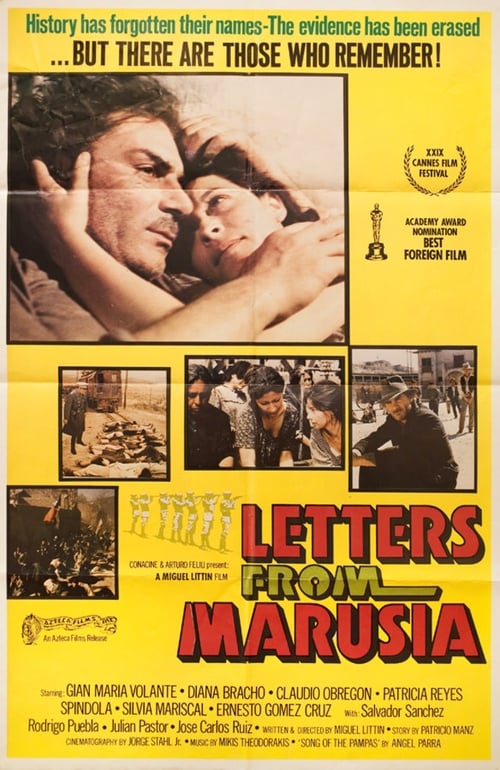
Chronicle of the repression that a foreign company exerts on the miners of a small nitrate town in Chile, whose workers decide to claim their most essential rights. A reflection of the historic union struggles in the northern Chile that ended with terrible repressive acts.
Letters from Marusia

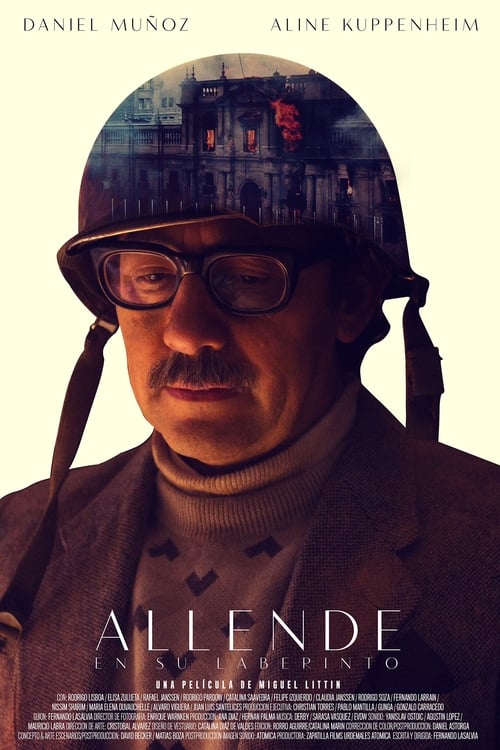
The last 7 hours of former President of Chile Salvador Allende, and his closest collaborators inside the Palace of La Moneda, during the brutal military coup d'etat on Sept. 11, 1973, the day democracy in Chile ended. Based on true events.
Allende in His Maze

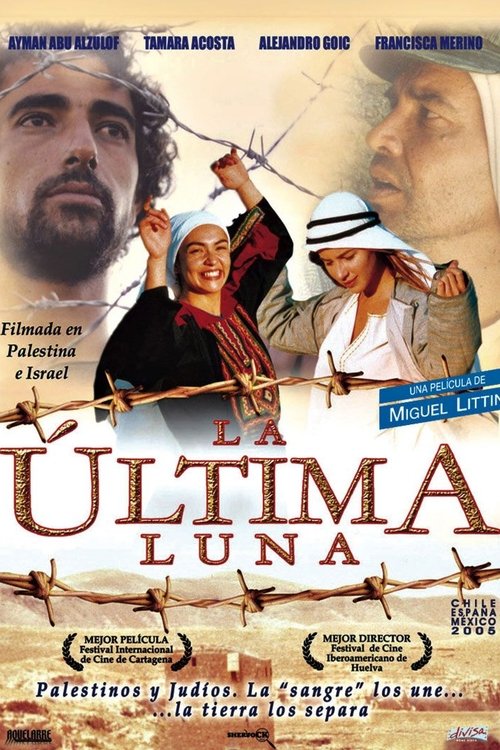
Palestine 1914. One morning in July, Soliman, a young Palestinian and Jacob, his Jewish friend, begin to build a house in Beit-Sajour, in the hills of Judea, with stones brought from Beit-Jala, while the apparent stillness of the place is interrupted by bursts of violence that anticipate the future days of the war.
La última luna

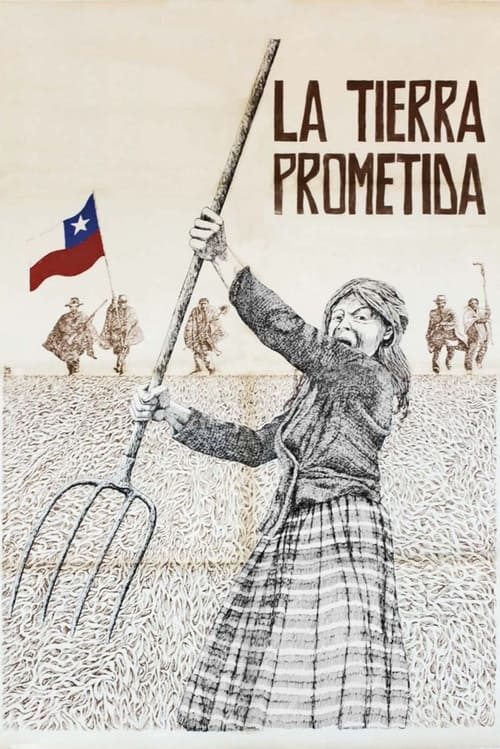
During the socialist government of Marmaduke Grove in 1932, a group of villagers decide to take some land in the area of Palmilla. Almost like a mythical journey, problems arise when seated and in a position to bring the socialist ideal in the population. Everything becomes more complicated with rumors that the reactionary forces have overthrown the socialist government. A movie that because of the coup was not released in Chile and was only terminated by Littin in exile in Mexico.
The Promised Land

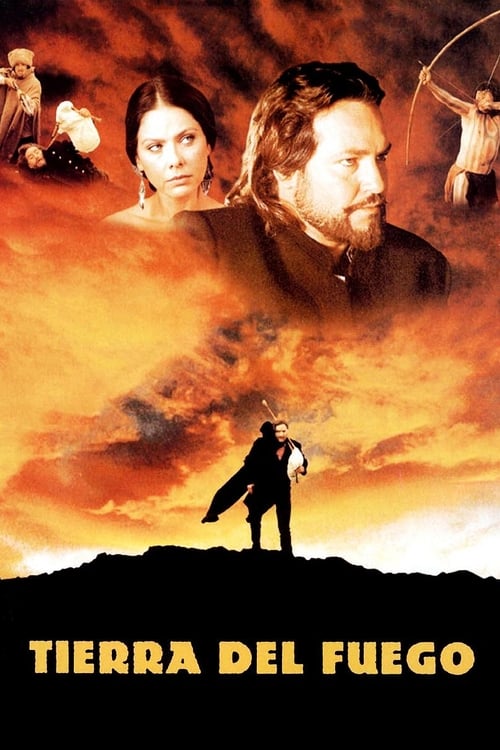
The film is based on the novel (of the same name) by the Chilean writer Francisco Coloane, and on the chronicles of the Romanian engineer Julius Popper, a nationalized Argentine and one of the principle actors in the genocide of the Selk'nam, one of the indigenous peoples who inhabited the Tierra del Fuego Archipelago.
Tierra del fuego

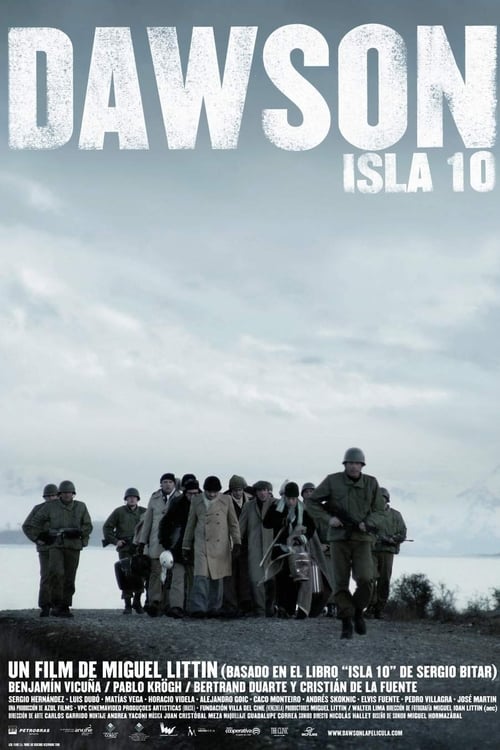
After the 1973 coup that deposed Allende and brought Pinochet to power in Chile, the former members of his cabinet are imprisoned on Dawson Island, the world's southernmost concentration camp. Here these men are determined to survive and provide history with their testimony.
Dawson Isla 10
Two guerrillas (Miguel Littin and Jorge Guerra) wander lost in the desert until one of them dies. A jeep appears in the distance to rescue the survivor, but unable to read the signs of comradeship pointed out to him by the drivers of the vehicle, he shoots them.
El Analfabeto

On January 4, 1971, an extensive dialogue takes place between the president of Chile Salvador Allende and the French intellectual Regis Debray, a discussion about the Chilean process towards the installation of a socialist government. Filmed by a team from Chilefilms, a state-owned company dedicated to the production of audiovisual works, it is a unique testimony to Allende's thinking in the first year of his government.
Compañero Presidente

During May 2001, Chilean filmmaker Miguel Littin traveled through historic Palestine, documenting everyday life amid the war—more precisely, the existential distance between a child throwing stones with a slingshot and tanks filled with artillery.
Palestine Chronicle

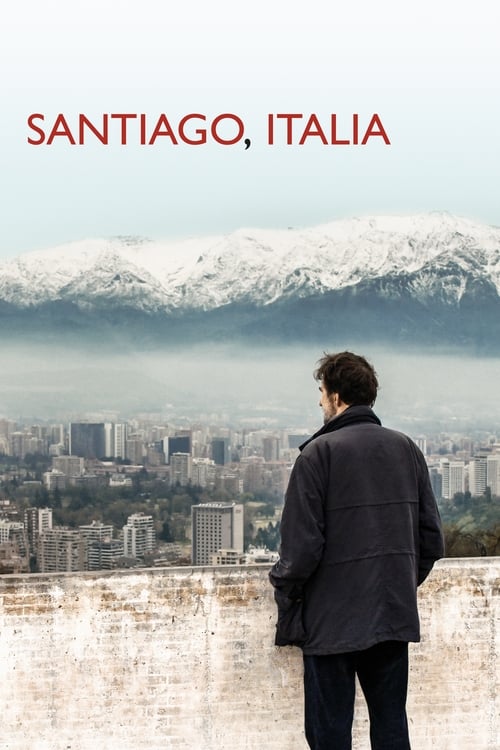
After the coup d'État of the Democratic government of Allende, the embassy of Italy in Santiago played a major role in helping the opposers of the regime, and extradited many of them to Italy.