Charlie Ahearn
Directing
Known For

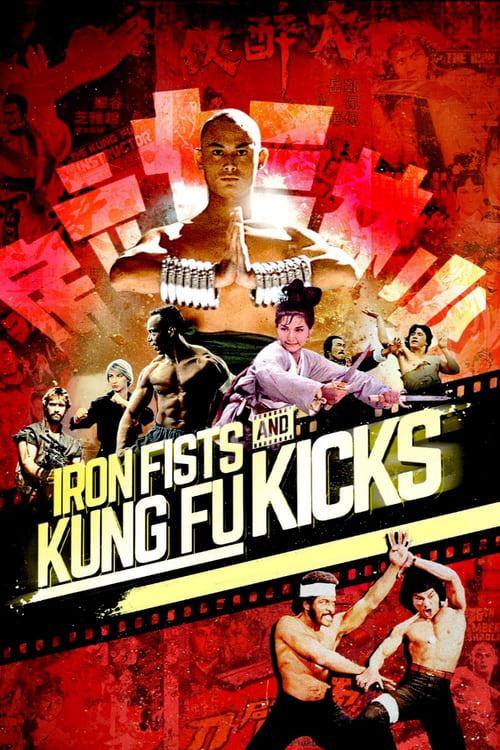
The fantastic story of how an ancient martial art, Chinese kung fu, conquered the world through the hundreds of films that were produced in Hong Kong over the decades, transformed Western action cinema and inspired the birth of cultural movements such as blaxploitation, hip hop music, parkour and Wakaliwood cinema.
Iron Fists and Kung Fu Kicks

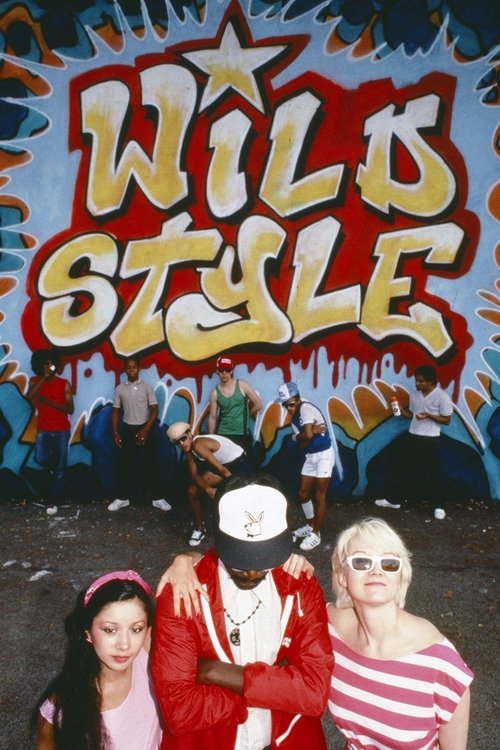
Legendary New York graffiti artist Lee Quinones plays the part of Zoro, the city's hottest and most elusive graffiti writer. The actual story of the movie concerns the tension between Zoro's passion for his art and his personal life, particularly his strained relationship with fellow artist Rose.
Wild Style

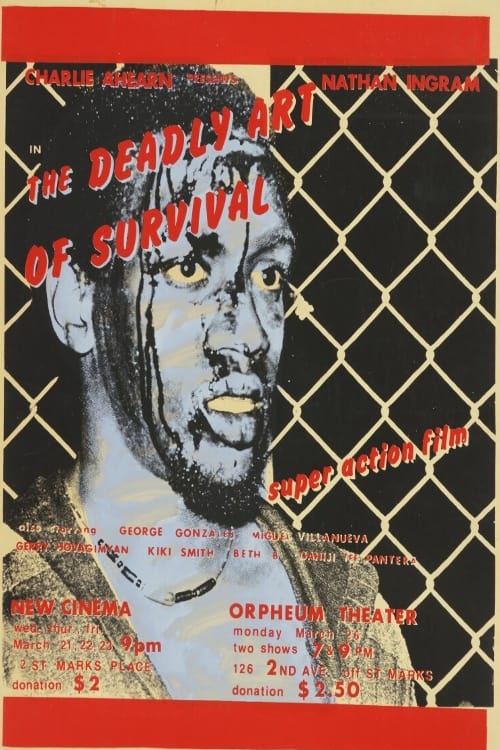
Real-life kung fu master Nathan Ingram stars in this gritty, low-budget martial arts epic as a local karate school owner who clashes with a gang of drug traffickers posing as the owners of a rival dojo. Director Charlie Ahearn (who helmed the landmark hip-hop film Wild Style) used the housing projects next to his New York Lower East Side apartment as his central location in this 1979 classic, shot on a vintage Super 8 camera.
The Deadly Art of Survival

In the years before Ronald Reagan took office, Manhattan was in ruins. But true art has never come from comfort, and it was precisely those dire circumstances that inspired artists like Jim Jarmusch, Lizzy Borden, and Amos Poe to produce some of their best works. Taking their cues from punk rock and new wave music, these young maverick filmmakers confronted viewers with a stark reality that stood in powerful contrast to the escapist product being churned out by Hollywood.
Blank City

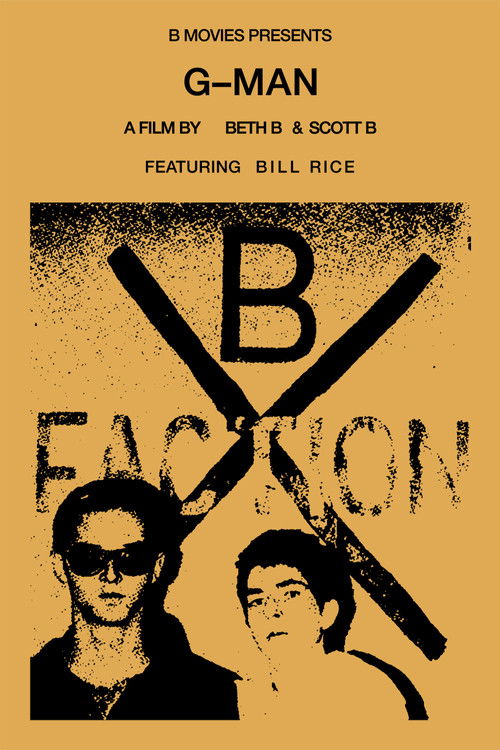
An exploration of social schizophrenia in which terrorists consult their mothers before planting bombs, and the head of the New York City bomb squad succumbs to his dominatrix.
G-Man

In the late 1970s, the "greatest city in the world" was teetering on the edge of total chaos. A failed economy, crime and en mass housing corruption gave way to a city in crisis. Yet out of the economic and social strife that held the "Big Apple" hostage, a family of homegrown cultures that would forever change the world began to emerge. Downtown Calling not only documents, in detail, the evolution of New York City's fertile music and art subculture during this period, but how its collective output continues to play a prominent, driving role in the international fashion, art and music industries today.
Downtown Calling

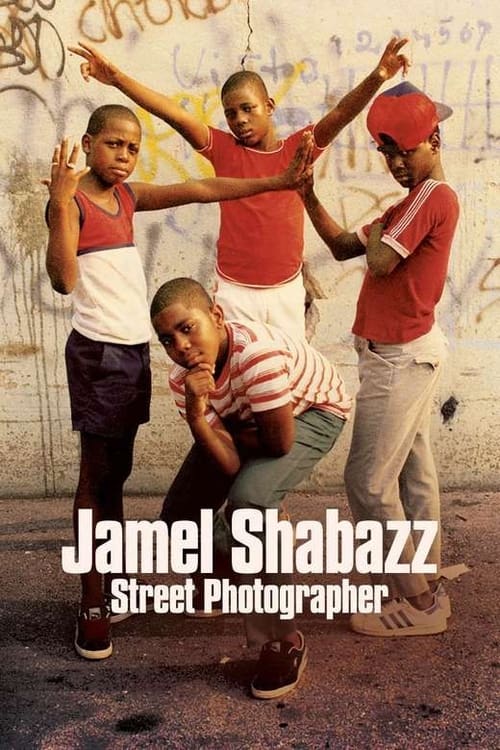
Documentary following the career of Brooklyn-born photographer Jamel Shabazz, who captured hip-hop in its infancy long before it became a worldwide phenomenon. His iconic images of kids sporting sneakers and savvy street style caught the essence of hip-hop as it exploded onto the streets of New York. Intimate interviews with Shabazz and hip hop pioneers explore the hundreds of individual stories and urban history behind a revolutionary cultural movement.
Jamel Shabazz Street Photographer

This road movie explores the nature of the bond between twins by focusing on a love affair between a man and a woman, each of whom has a twin brother.
Fear of Fiction

A four-part documentary series entitled "The Architects." The story is told chronologically and right from the mouths of the greats. Learn how these young gifted pioneers constructed an industry that so many people enjoy now. Featuring Full-Length Videos from: Run DMC, Rob Base & DJ E-Z Rock, Queen Latifah, De La Soul, Special Ed, Dana Dane, and Crash Crew.
Through the Years of Hip Hop Volume 1 Graffiti Extras
Charlie Ahearn revisits the Boogie Down two decades later with Tanzanian rapper Balozi Dola in tow for a bilingual MC battle. 2005, DVCam.
Bongo Barbershop

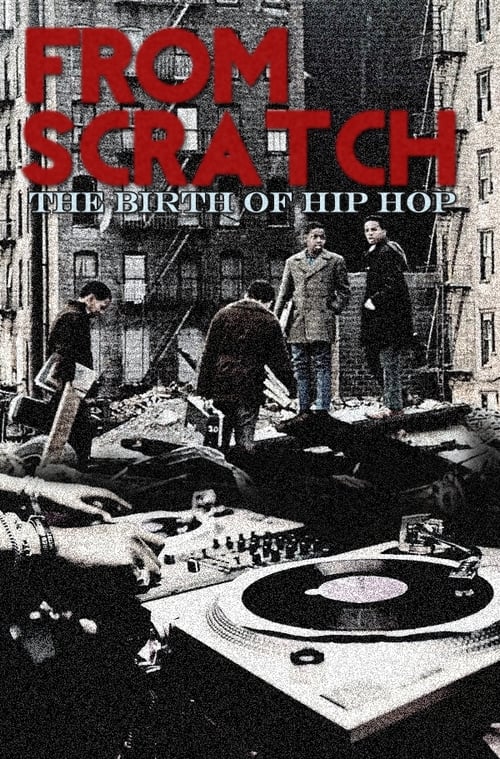
A deep exploration into the historical, cultural, political and musical elements that created the genre, featuring present-day conversations with music legends.
From Scratch: The Birth of Hip Hop

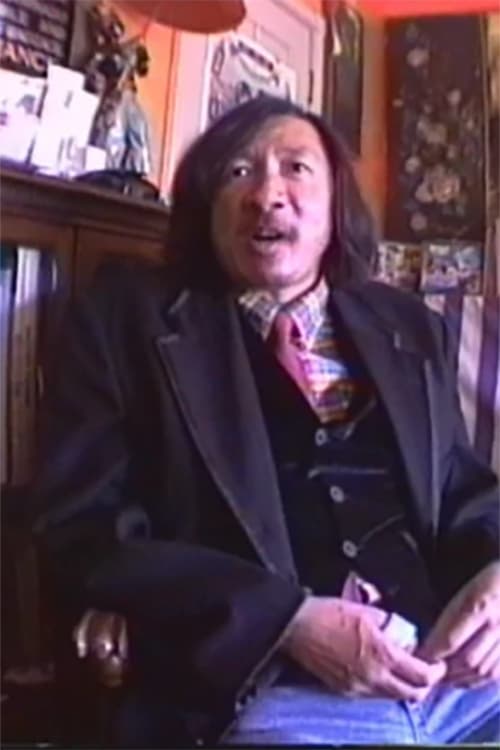
Martin painted the LES ghetto with the most enigmatic realism of bricks to be seen. In 1992 Martin Wong invited Charlie Ahearn up to his Ridge St apartment as he began his autobiographical Chinatown series reflecting his youth in San Francisco and later New York. After he was diagnosed HIV he returned to SF where he later passed away in 1999.
Portrait of Martin Wong

Jane Dickson began her formal career in 1978 after studying at Harvard University and the School of the Museum of Fine Arts, Boston. Having moved to New York, she became a participant in the emerging downtown arts community then beginning to incorporate a number of disparate groups of artists, rock musicians, and hip-hop pioneers. After meeting Charlie Ahearn, Dickson joined Colab; she and Ahearn married in 1983. In 1980, Colab secured funding for and presented the Times Square Show, a multidisciplinary exhibit that gathered the work of over a hundred artists, including Jean-Michel Basquiat, Keith Haring, Jenny Holzer, and David Hammons and which proved to have long-lasting influence on curatorial programming. In 1982, Dickson proposed and coordinated the “Messages to the Public” series for the Public Art Fund, displaying art texts on the Spectracolor LED billboard in Times Square.
Jane in Peepland

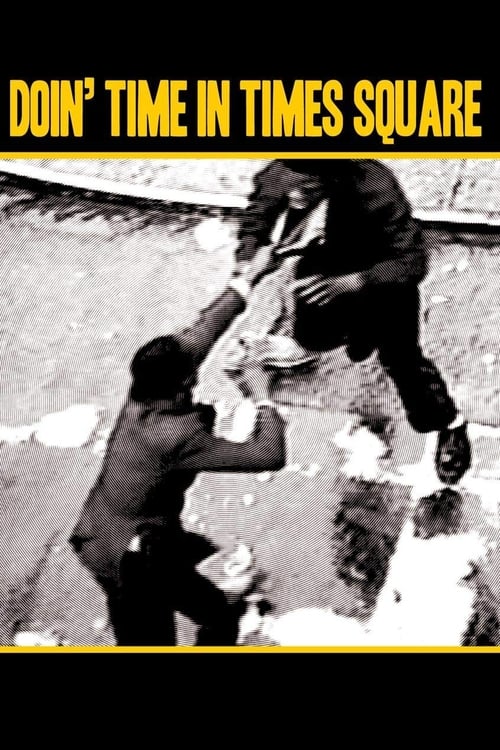
Documents the view and action outside director Charlie Ahearn's 43rd Street apartment window from 1981 to 1983.