FEEL IT.STREAM
Bill Douglas

Bill Douglas

Directing

Biography

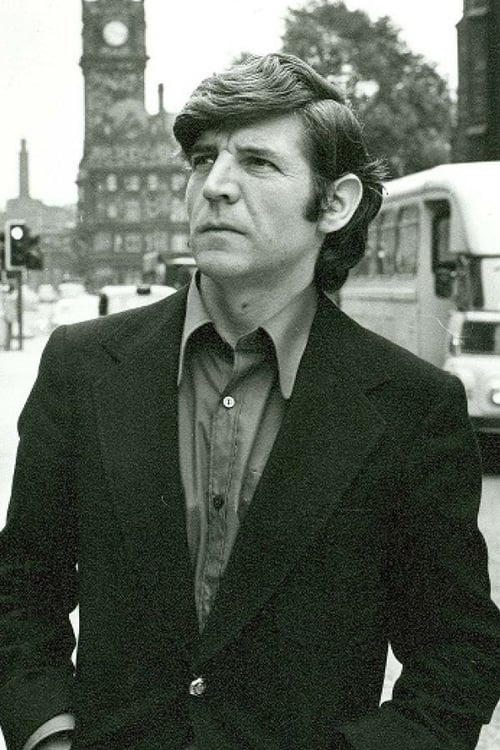
William Gerald Forbes (Bill) Douglas was a Scottish film director best known for the trilogy of films about his early life. Having been interested in film-making all his life, in 1968 Douglas enrolled at the London International Film School, where he wrote the screenplay for a short autobiographical film called Jamie. After initial difficulties in finding support for the project, he eventually found a champion at the British Film Institute in the newly appointed head of Production, Mamoun Hassan, who secured funding on the basis that Jamie should form part one of a trilogy – echoing the great childhood trilogies of Ray and Gorki. The film was renamed "My Childhood", and its success on the international festival circuit paved the way for the second and third instalments of the trilogy of Douglas's formative years: My Ain Folk (1973) and My Way Home (1978). The Bill Douglas Trilogy recounts the harrowing experiences of a young boy, Jamie, growing up in crippling poverty: material and emotional impoverishment; terrible privations at the hands of his paternal grandmother; incarceration in a children’s home; living in a hostel for down-and-outs. Eventually the call-up for national service allows Jamie to find freedom through his friendship with Robert, a young middle class Englishman who introduces him to books and the possibility of a more optimistic and fulfilling future. The austere black and white images of the films embody a stillness and intensity reminiscent of silent cinema and this visual style is augmented by the equally spare and precise use of sound. Just as the stillness of the image forces the audience to look, so the relative silence encourages greater attention to specific sounds – boots scraping on asphalt, the chirping of birds and the timbre of voices – granting an emotional power lost in the aural bombardment characterising much contemporary cinema. The Trilogy gained a wealth of critical plaudits but Douglas struggled to raise financing for his next project, and was forced to find other ways of earning a living. Mamoun Hassan, the former head of BFI Production, invited him to teach at the National Film and Television School from 1978 and he proved to be an inspiring presence. Hassan was also able, in his role as director of the National Film Finance Corporation to help realise the project of Comrades, Douglas's film about the 'Tolpuddle Martyrs', six Dorset farm labourers who in 1834 were arrested and tried for forming a trade union and subsequently transported to Australia. Even so, the film did not appear until 1986, six years after the screenplay had been completed. Dubbed a 'poor man's epic', Comrades continues Douglas's interest in the perseverance of the human spirit in the face of material adversity. It also brings to the fore his fascination with the world of optics and image-making, through a number of references to various forms of Victorian optical entertainments such as the magic lantern, thezoetrope, the peep show and the camera obscura. The story itself is mediated by the character of an itinerant magic lanternist who reappears in a number of roles. Comrades was to be Bill Douglas's last film. He died of cancer and is buried in the churchyard of Bishop's Tawton in Devon.
Known For

No image
9.0

Eleven-part mini-series featuring an ensemble cast of up-and-coming acting talent, in plays by young authors, each actor or actress taking the lead role in turn.

The Younger Generation

1961
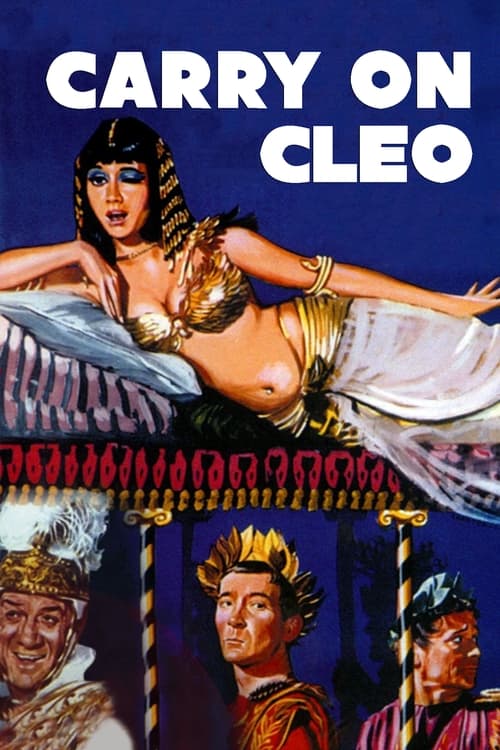
Carry On Cleo
6.6

Two Britons—inventor Hengist Pod, and Horse, a brave and cunning fighter—are captured and enslaved by invading Romans and taken to Rome. One of their first encounters in Rome leaves Hengist being mistaken for a fighter, and gets drafted into the Royal Guard to protect Julius Caesar.

Carry On Cleo

1964
Comrades
6.9

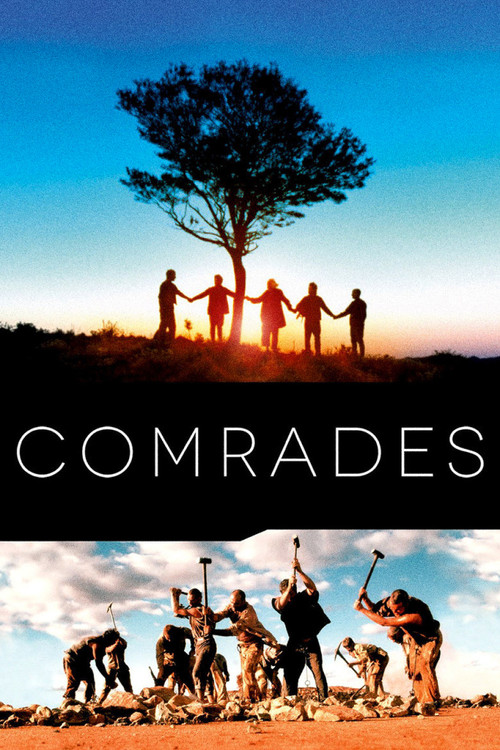
The story of "The Tolpuddle Martyrs". A group of 19th century English farm labourers who formed one of the first trade unions and started a campaign to receive fair wages.

Comrades

1987
My Way Home
7.2

Jamie leaves the children's home to live with his paternal grandmother. After working in a mine and in a tailor's shop, he is conscripted into the RAF, and goes to Egypt, where he is befriended by Robert, whose undemanding companionship releases Jamie from self-pity.

My Way Home

1978
Bill Douglas: My Best Friend
N/A

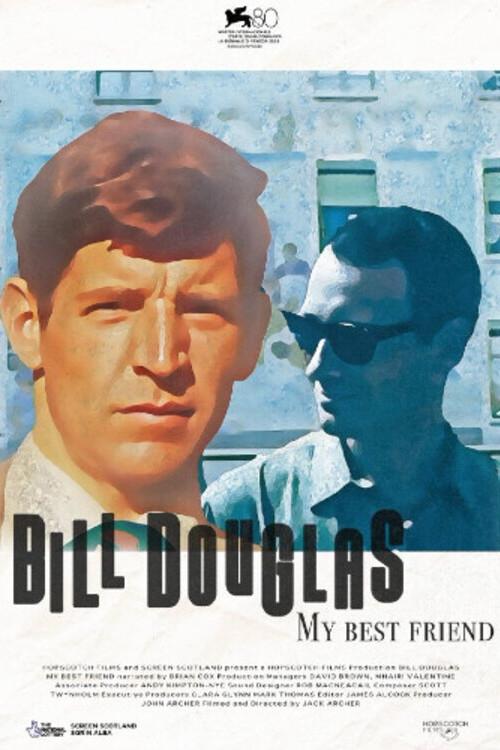
The story of the extraordinary friendship between Scottish film maker Bill Douglas and his lifelong companion and collaborator Peter Jewell. Bill Douglas was Scotland’s finest director, celebrated by the likes of Lynne Ramsay, Lenny Abrahamson, Satajit Ray and Yuliya Solntseva. Bill’s life was turned around in the Egyptian desert when during National Service he met the man who would become his lifelong friend, Peter Jewell. The two men had very different backgrounds but they formed a unique bond that channelled a tremendous creative energy. In this film Peter reminisces about the life he shared with Bill in their tiny Soho flat filled with cinema memorabilia. Their shared love of the movies lead them to start experimenting with an 8mm camera. Peter’s memories and musings about the legacy Bill left behind are illustrated with these never-before-seen short films.

Bill Douglas: My Best Friend

2023
Bill Douglas: Intent on Getting the Image
8.8

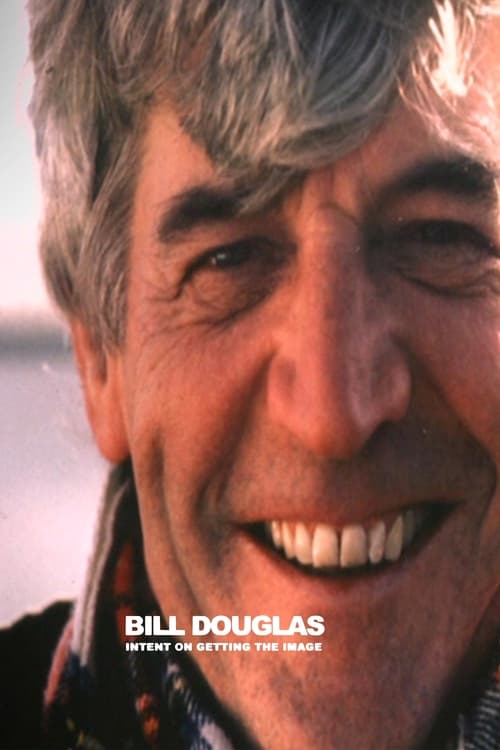
A documentary exploring Bill Douglas' struggle from childhood poverty to acclaimed filmmaker of Comrades and the Trilogy.

Bill Douglas: Intent on Getting the Image

2006
Sleepwalker
5.5

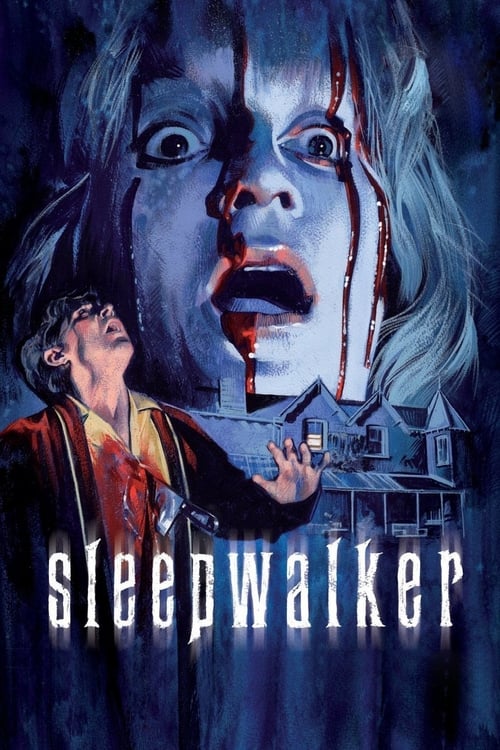
Saxon Logan's extraordinary 49 minute featurette pitches four people into a class war situation with a vicious sting in the tale.

Sleepwalker

1984
My Ain Folk
7.2

When Jamie's maternal grandmother dies, he and his brother Tommy are separated - Tommy is taken off to a welfare home and Jamie goes to live with his other grandmother and uncle. His life is far from happy, filled with silence, rejection and bouts of violence.

My Ain Folk

1973
Come Dancing
6.2

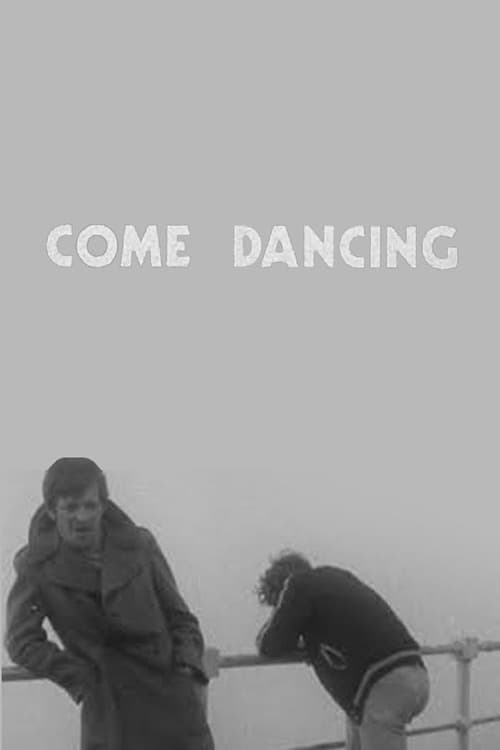
Celebrated filmmaker Bill Douglas’s early student short follows two men who meet in a cafe on a Southend pier. Glances, body language and very brief snatches of lewd dialogue suggest a pick-up, but the atmosphere soon darkens and events take an unexpected twist.

Come Dancing

1970
My Childhood
7.1

The first part of Bill Douglas' influential trilogy harks back to his impoverished upbringing in early-'40s Scotland. Cinema was his only escape - he paid for it with the money he made from returning empty jam jars - and this escape is reflected most closely at this time of his life as an eight-year-old living on the breadline with his half-brother and sick grandmother in a poor mining village.

My Childhood

1972
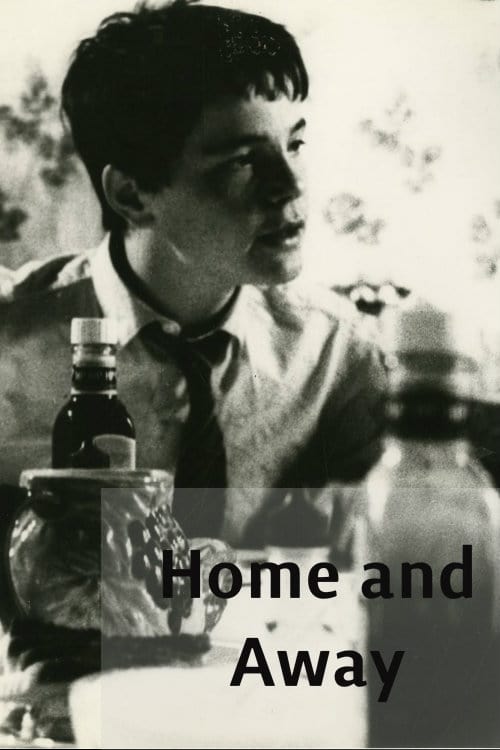
Home and Away
N/A

A young boy away at boarding school struggles when his mother and father split up.

Home and Away

1974
No image
7.2

Bill Douglas plays a writer struggling with a script about the interior lives of two women (played by Joanna David and Heather Page).

Working Surface: A Short Study (with Actors) in the 'Ways' of a Bourgeois Writer

1979
Fever
N/A

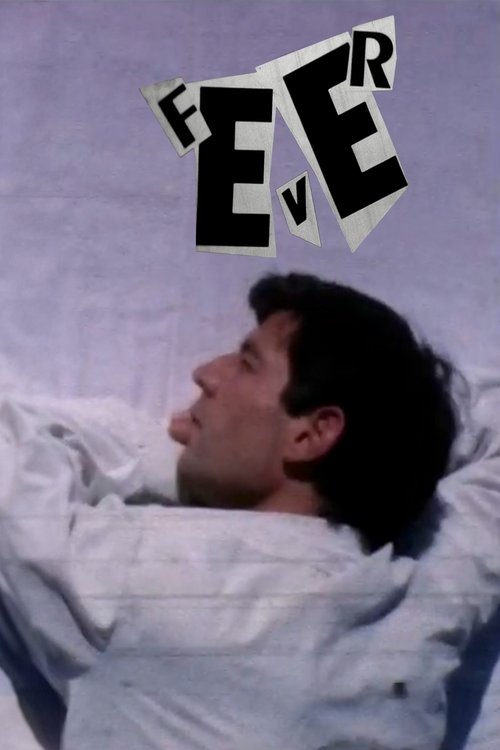
Displaying the cinematic influence of Bunuel and Cocteau, and inspired by a short story by French writer JMG Le Clézio, Bill’s most experimental short depicts a psychiatric patient who travels to Speakers’ Corner, Hyde Park, to warn anyone who will listen about the impending nuclear holocaust.

Fever

1967
The Water Cress File
N/A

Playing with the tropes of the spy genre, The Water Cress File charts the progress of a mysterious briefcase, passed between several characters on the streets of Soho and, in a metaphysical flourish, into a film showing in the Pavilion cinema.

The Water Cress File

1966
The Ring of Truth
N/A

Set in the Necropolis graveyard, Glasgow. A comic and magical tale about the meaning of life and a hunt for a missing diamond ring. An ex-B movie starlet and her daughter search for the ring, lost many years ago whilst the mother was making love with a travelling salesman. Their antics are observed by a small boy who is spending the day with his Grandfather, the custodian of the graveyard. As the story unfolds, the day at the graveyard moves from comedy and tragedy to magic, fantasy and resurrection

The Ring of Truth

1996
Still Life
N/A

An elderly woman is admitted to an asylum and all her possessions are removed by the council. The idea came from Peter Jewell, who was working as a social worker at the time, but is reminiscent of Bill's own family history.

Still Life

1968
Woman in the Park
N/A

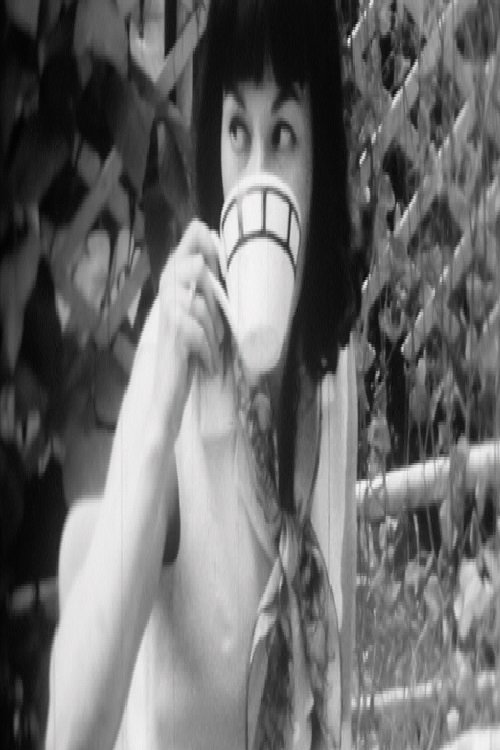
A Hitchcockian psychodrama about an introverted man who pursues a woman with whom he becomes obsessed, demonstrating Bill’s improving grasp of advanced film language.

Woman in the Park

1967
No image
N/A

Bill Douglas short film.

The Party

Gracemary
N/A

A young woman runs to catch the last post with her weekly pools coupon, whilst imagining a more glamorous life for herself.

Gracemary

1966
No image
N/A

Bill Douglas short film.

Rousdon