Acting
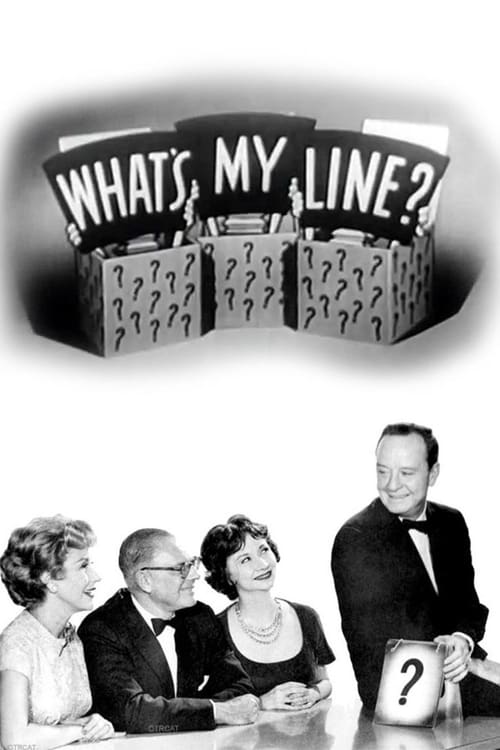
Four panelists must determine guests' occupations - and, in the case of famous guests, while blindfolded, their identity - by asking only "yes" or "no" questions.
The Ed Sullivan Show is an American TV variety show that originally ran on CBS from Sunday June 20, 1948 to Sunday June 6, 1971, and was hosted by New York entertainment columnist Ed Sullivan. It was replaced in September 1971 by the CBS Sunday Night Movie, which ran only one season and was eventually replaced by other shows. In 2002, The Ed Sullivan Show was ranked #15 on TV Guide's 50 Greatest TV Shows of All Time.
Startime, an anthology of drama, comedy and variety, was one of the first American television shows broadcast in color.
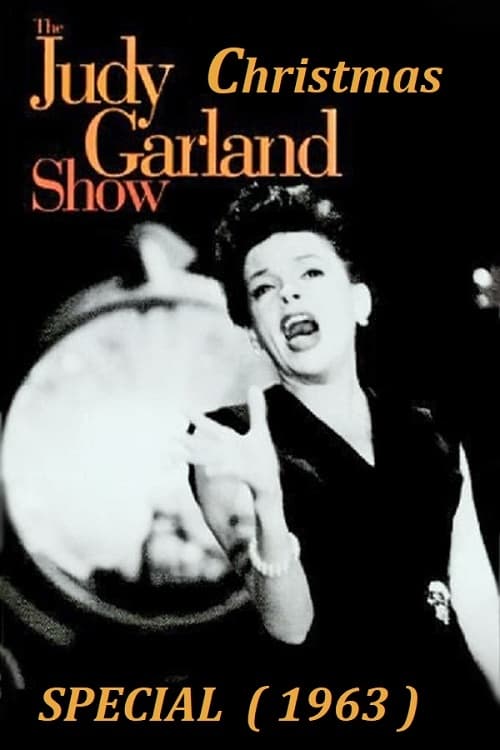
The Judy Garland Show is an American musical variety television series that aired on CBS on Sunday nights during the 1963-1964 television season. Despite a sometimes stormy relationship with Judy Garland, CBS had found success with several television specials featuring the star. Garland, who for years had been reluctant to commit to a weekly series, saw the show as her best chance to pull herself out of severe financial difficulties. Production difficulties beset the series almost from the beginning. The series had three different producers in the course of its 26 episodes and went through a number of other key personnel changes. With the change in producers also came changes to the show's format, which started as comedy/variety but switched to an almost purely concert format. While Garland herself was popular with critics, the initial variety format and her co-star, Jerry Van Dyke, were not. The show competed with Bonanza, then the fourth most popular program on television, and consistently performed poorly in the ratings. Although fans rallied in an attempt to save the show, CBS cancelled it after a single season. TV Guide included the series in their 2013 list of 60 shows that were "Cancelled Too Soon".
Compilation film of various African-American performers and acts.
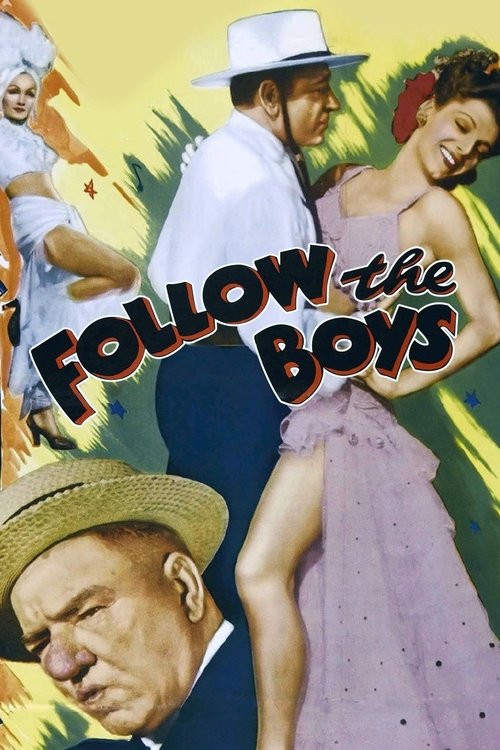
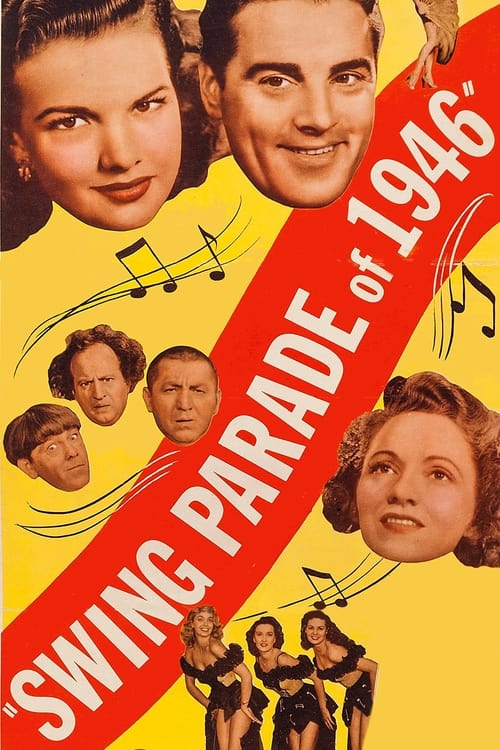
During World War II, all the studios put out "all-star" vehicles which featured virtually every star on the lot--often playing themselves--in musical numbers and comedy skits, and were meant as morale-boosters to both the troops overseas and the civilians at home. This was Universal Pictures' effort. It features everyone from Donald O'Connor to the Andrews Sisters to Orson Welles to W.C. Fields to George Raft to Marlene Dietrich, and dozens of other Universal players.
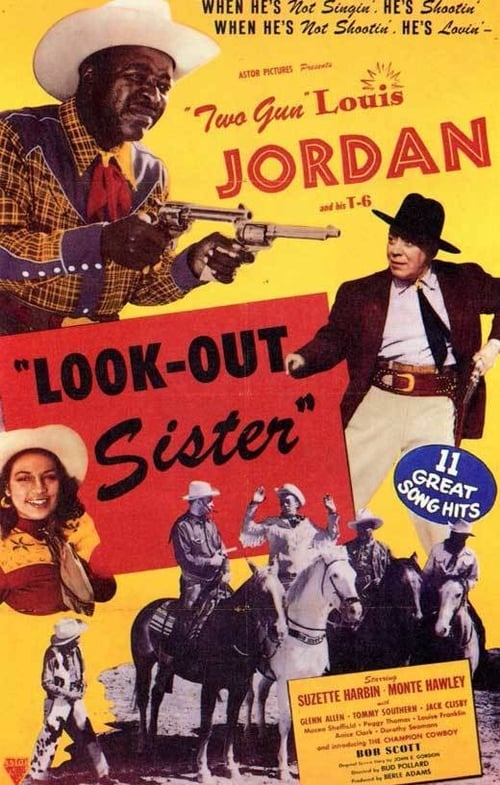
A famous bandleader, suffering from overwork and exhaustion, goes to a sanitarium for a rest. While there he dreams of being out west at a dude ranch, where he finds himself involved in the beautiful owner's struggle to keep her ranch from falling into the hands of the villain, who wants either her or her ranch (or, preferably, both).
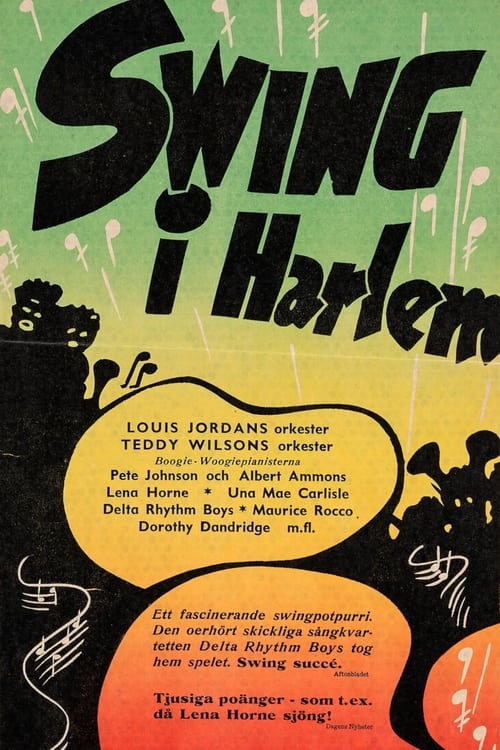
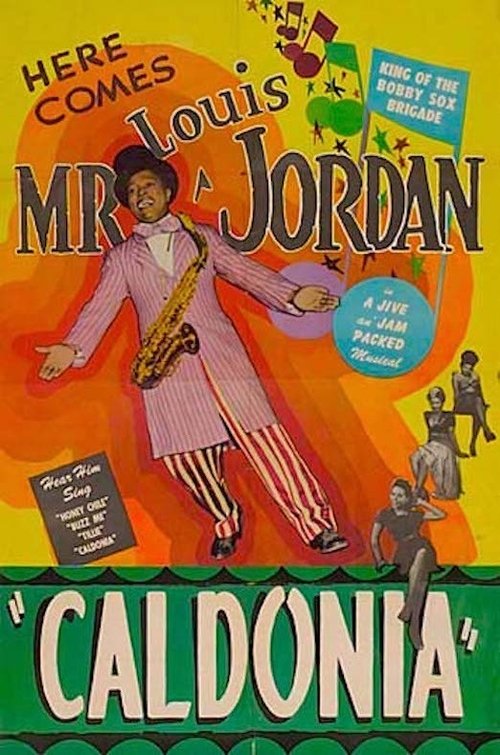
Louis Jordan, with his band, sings and performs the title song, "Caldonia,", and "Honey Child," "Tillie" and 'Buzz Me", wowing the jitter-buggers, zoot suits and bobby-soxers of the mid-1940s, all built around a wisp of a plot dealing with the difficulties of production in Harlem.
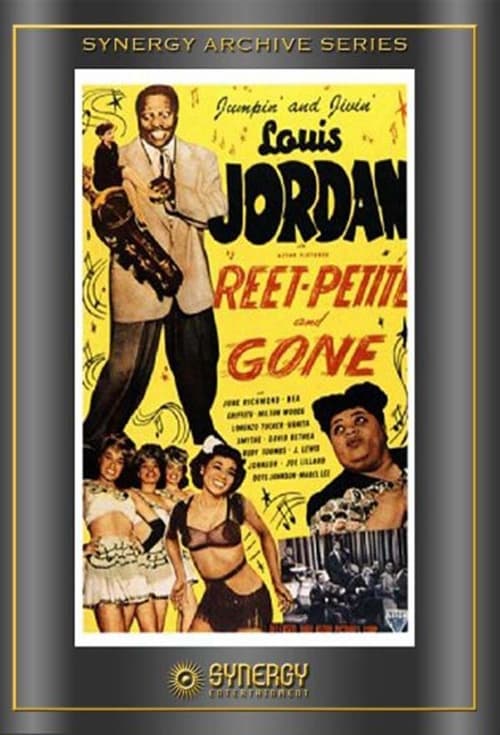
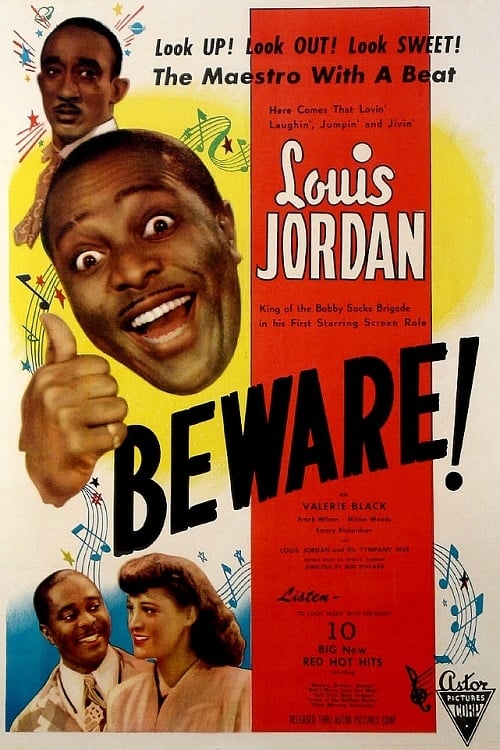
Old-time musical star Schyler Jarvis, now wealthy, is dying; his last act is a visionary plan for the future happiness of his son, swing bandleader Louis Jarvis, and Honey Carter, daughter of his long-lost love. But crooked lawyer Talbot has a nefarious scheme to get his hands on the Jarvis money...and it doesn't include any happiness for Louis and Honey. Plenty of swing from Louis Jordan's Tympany Five.
Paying homage to two of Hollywood's central icons, the film creates an unparalleled portrait of two very different personalities amidst the demise of the studio system.
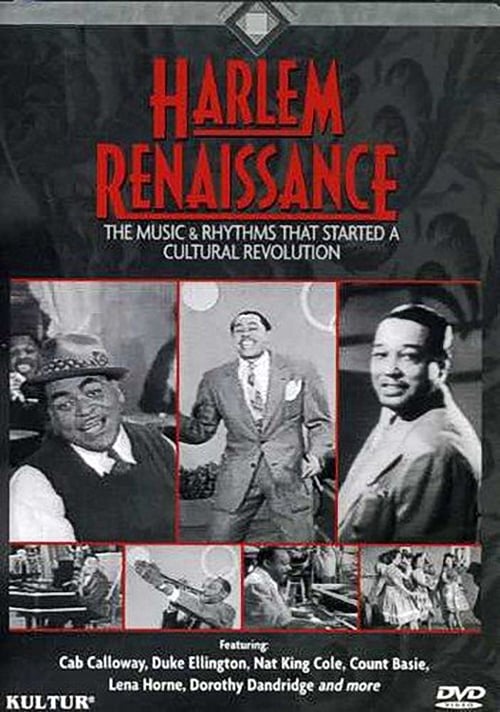
Chronicling the Harlem Renaissance era, this retrospective documentary tracks the origins of the soulful music of the period, along with the challenges many of the genre's artists faced when trying to gain recognition within conventional society. Included are anecdotes from musicians and historians, plus footage of performances and interviews with Cab Calloway, Duke Ellington, Count Basie and more.
Blues as a genre shaped the sound of jazz in the early 20th century and directly led to the creation of rock 'n' roll in the '50s. The scales, chords, and progressions of blues as a musical form can be found in styles from jazz to rock to contemporary R&B.
A struggling young singer falls for a nightclub owner whose father, a millionaire, is trying to shut it down.
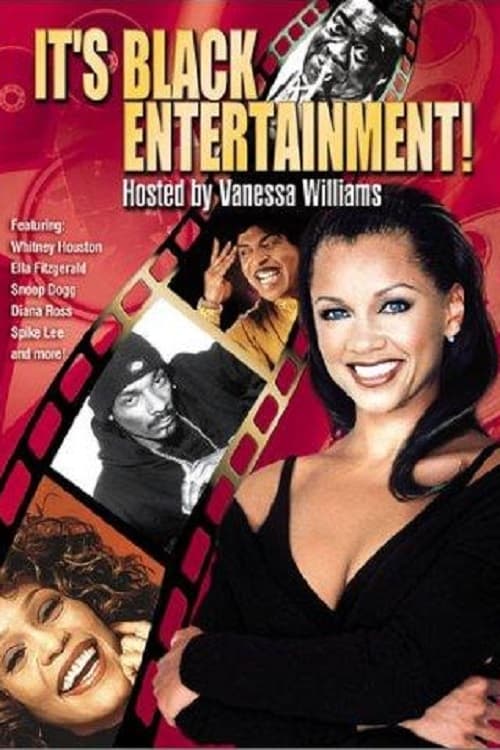
A star-studded tribute (from the creators of That's Entertainment) to the contributions of Afro-Americans in film over the last century. Vanessa Williams traces the struggles and triumphs of the superstars of music and film. Among the many artists featured are: Whitney Houston, Ella Fitzgerald, Sammy Davis Jr., Diana Ross, Michael Jackson, Cab Calloway, Bill "Bojangles" Robinson, Ella Fitzgerald, and Little Richard, Also included are today's contemporary superstars: Snoop Dogg, Ice T, Quincy Jones, Spike Lee, Russell Simmons, and many, more! 80 minutes plus DVD bonus features.
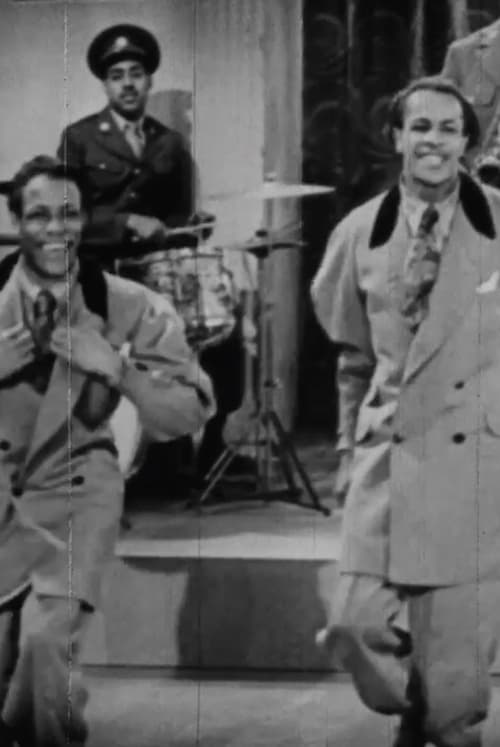
Louis Jordan's Orchestra perform Jordan Jive. Setting is a canteen, with the orchestra and audience in US military uniform. The Swing Maniacs go through some extremely strenuous acrobatic dancing.
Ware College is a small Black college in Ware, Ohio. Once prominent, it is now low in attendance, low in enrollment and low on money; and at a meeting with instructors Drury and Annabelle Brown, Dean Hargreaves reveals that CEO Benjamin Ware III, grandson of the college's founder, claims the estate of his late grandfather is now also destitute, which they believe is untrue and a result of Annabelle's having spurned his affections. They decide to appeal to their famous alumni for financial help thru a reunion, and invitations are sent. Many could help; but surely not Lucius Jordan, a timid lad who loved Annabelle too but dropped out under pressure from Ware. What they don't know is, he's now Louis Jordan, king of swing and leader of the Tympani Band.
After a presumably hard day at work, Dudley Dickerson plunks down at the kitchen table and sings a dry lament about his wife’s roving eye. Meanwhile, his aforementioned better half, Theresa Harris, flirts hilariously with a series of deliverymen.
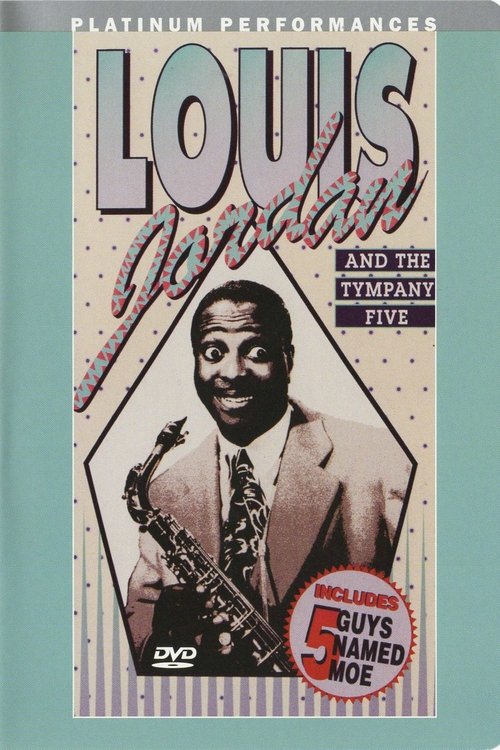
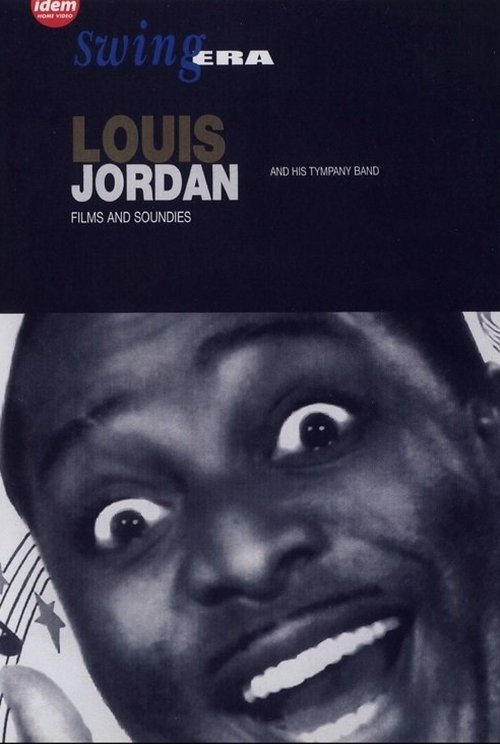
This rare collection of early music videos -- known as "soundies" -- from the 1930s and '40s features jazz legend Louis Jordan and his band performing their hits, including collaborations with Louis Armstrong, Cab Calloway and Nat King Cole. Songs are "Five Guys Named Moe," "Caldonia," "Shine," "Fuzzy Wuzzy," "Call of the Jitterbug," "Is You Is or Is You Ain't My Baby," "Honey Chile," "Don't You Worry About That Mule" and more.
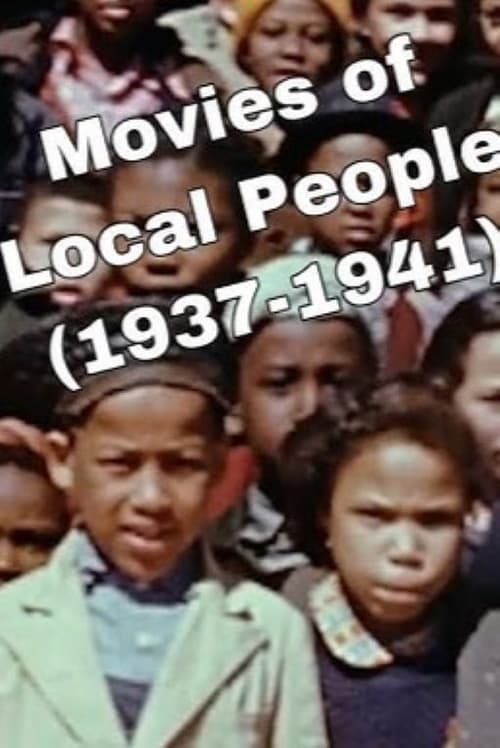
The Hollywood Theater presents Movies of Local People. Photographed in and around Chapel Hill, N.C. April 16-17 1941
One of the chief progenitors of the R&B idiom and a pioneer of the small-combo "jump" blues style so popular during the Forties, vocalist and saxophonist Louis Jordan is justly remembered as a performer who defined an era