
Olivera Katarina
Acting
Biography
Olivera Katarina (Serbian Cyrillic: Оливера Катарина; née Petrović (Петровић); born 5 March 1940), also previously known as Olivera Vučo (Оливера Вучо) and Olivera Šakić (Оливера Шакић), is a Serbian actress, singer and writer. She was one of the leading stars of Yugoslav cinema in the 1960s and the 1970s, and is probably the best known for her performance in Aleksandar Petrović's film I Even Met Happy Gypsies (1967), which won the Grand Prix at the 1967 Cannes Film Festival. As a singer, Olivera Katarina has performed music of various genres, varying from Serbian traditional to pop music, and in numerous languages. Her version of "Đelem, đelem", which she performed in I Even Met Happy Gypsies, has been considered as one of the best rendition of that song ever recorded. Description above from the Wikipedia article Olivera Vučo, licensed under CC-BY-SA, full list of contributors on Wikipedia.
Known For

No description available.
Discorama

In 1700s Austria, a witch-hunter's apprentice has doubts about the righteousness of witch-hunting when he witnesses the brutality, the injustice, the falsehood, the torture and the arbitrary killing that go with the job.
Mark of the Devil
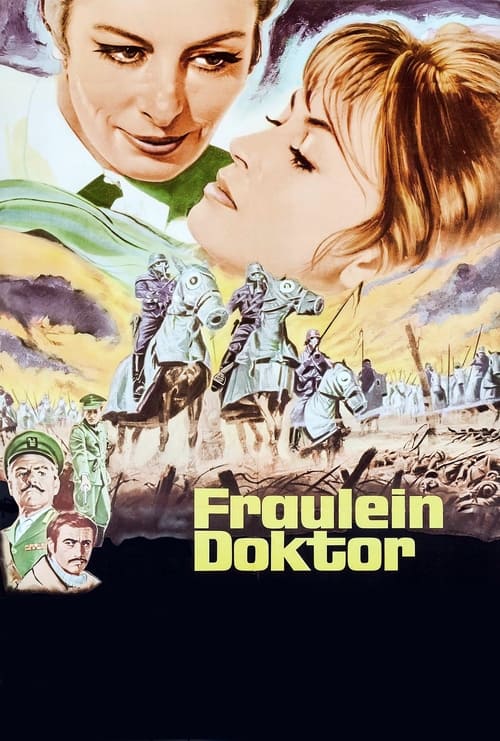
A seductive and ruthless spy in the service of Germany steals state secrets- including the formula for poison gas-from England and France during World War I. British intelligence, in turn, tries to hunt her down.
The Betrayal
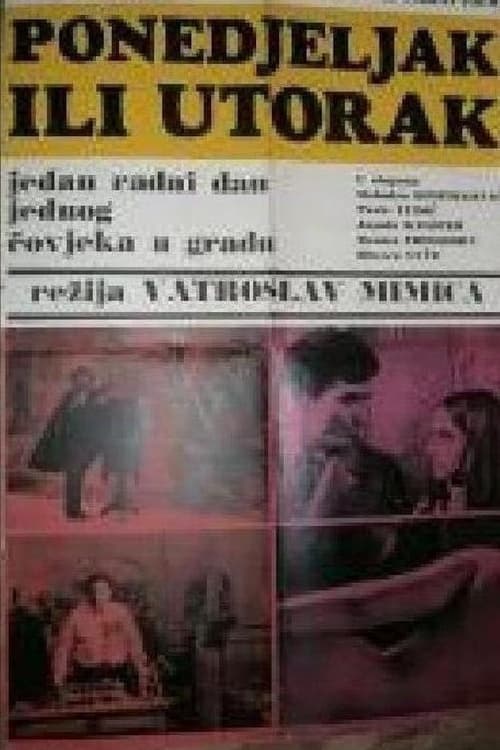
A divorced journalist Marko Požgaj starts his working day by taking his son to the school. During the day many thoughts and images pass through his mind - the memories of childhood, ex-wife, current girlfriend, but mostly his father who died in a war.
Monday or Tuesday

Two rival gangs try to obtain the five parts of a dangerous formula held by five scientists.
A Big Grey-Blue Bird
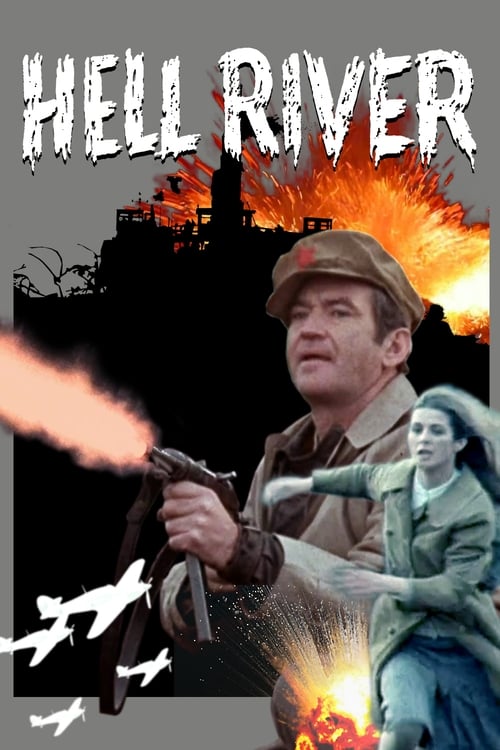
Yugoslav partisans battle Nazi invaders in a series of bloody confrontations which eventually culminate in the Battle at Hell River.
Hell River
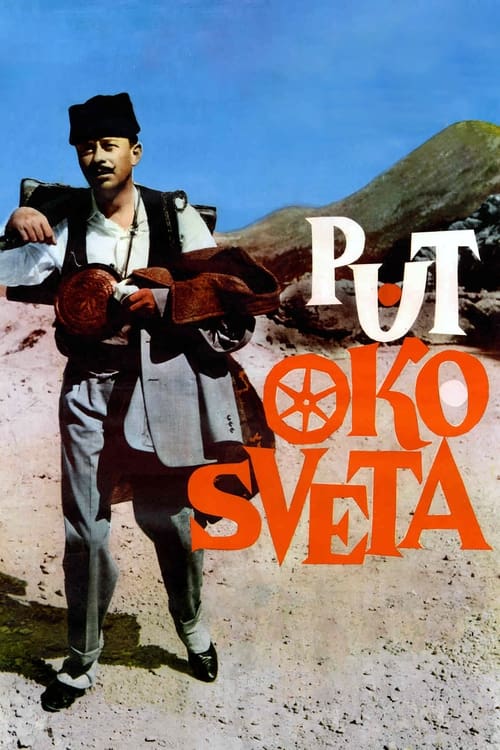
A highly fictionalized account of the first Serbian foreign-lottery winner - Jovanče Micić, a merchant from Jagodina who went on to travel the whole world in the company of his Hungarian mistress and Montenegrin friend with a wooden leg.
A Trip Around the World

The story concerns the Yugoslavian holiday of two toothsome Swedish girls. One of the girls, played by Maria Liljedahl, is (metaphorically speaking) a world-champion in the promiscuity sweepstakes, bedding men (and women) in great profusion. Somehow, the movie also manages to be about film reviewers and film directors. Variety) commented '...the film's inherently good visual and physical qualities are themselves dissipated in [the director's] cynicism, ennui, and involuted intellectual mirror tricks.'
Ann and Eve
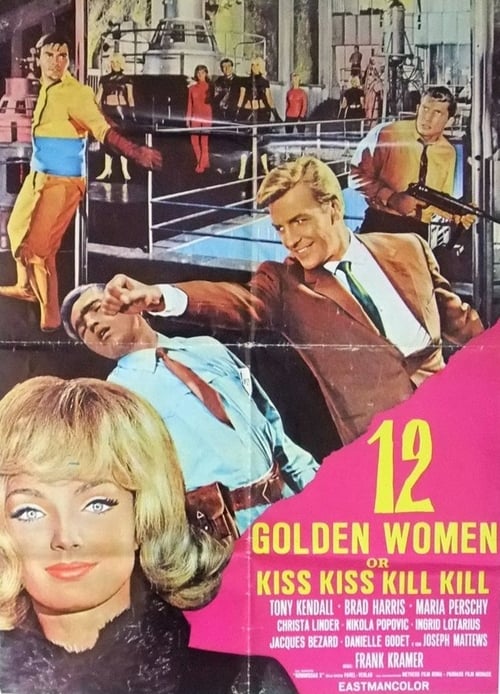
Tony and Brad investigate the murders of politicians and scientists. They soon face off against a team of super hit women with their usual flair.
Kiss Kiss, Kill Kill
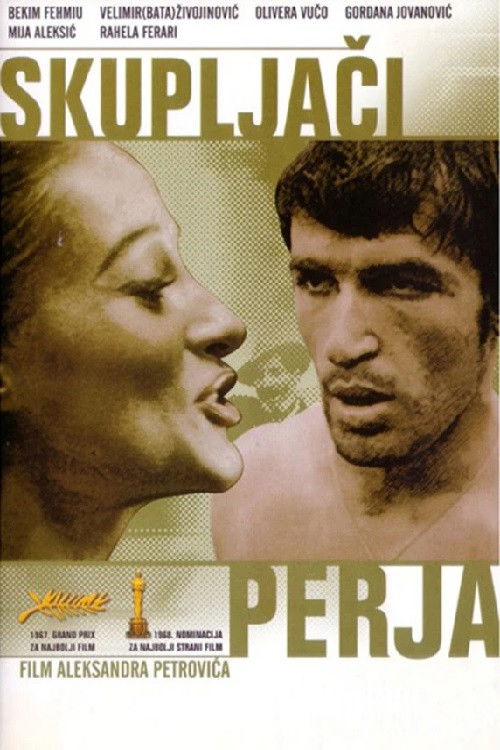
The protagonist, Bora, is a charming but mean-spirited gypsy, while his older wife, Lence, is submissive. Bora is in love with the younger Tisa, who is being offered in marriage by her father. The two get themselves in trouble and eventually have to flee. Tisa rejects her husband and she and Bora get married in the church, and their adventures continue.
I Even Met Happy Gypsies
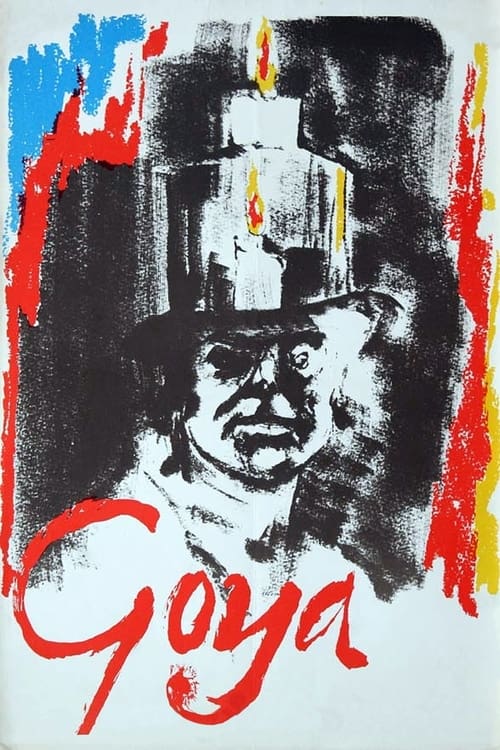
As a painter in the court of King Carlos IV, Goya has attained wealth and reputation. He believes in King and Church, yet he is also a Spaniard who dearly loves his people. This contradiction presents him with a dilemma.
Goya: Or the Hard Way to Enlightenment
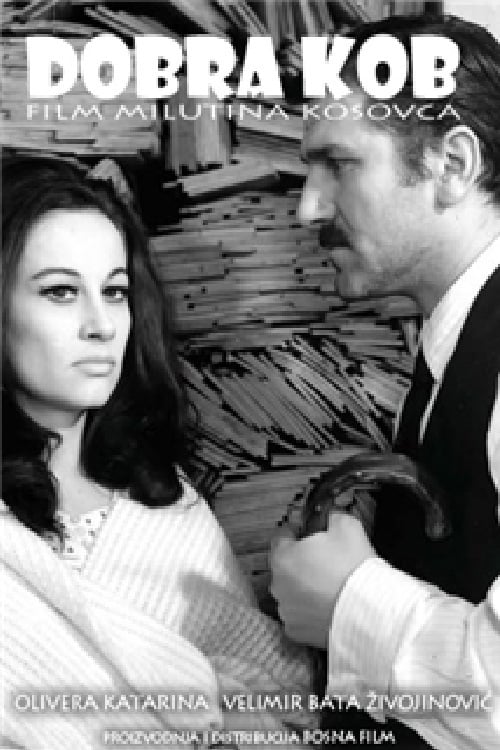
An Australian of German descent has come to Yugoslavia on a hunting trip. He has an arrangement to hunt deers on the hunting ground high in Bosnian mountain. He shoots running deers straight in the head with his sniper carbine. This master shooting arouse suspicion with the gamekeeper that the stranger might be the notorious Nazi sniper who murdered many innocent civilians the same way during WWII.
Good Luck Hunting
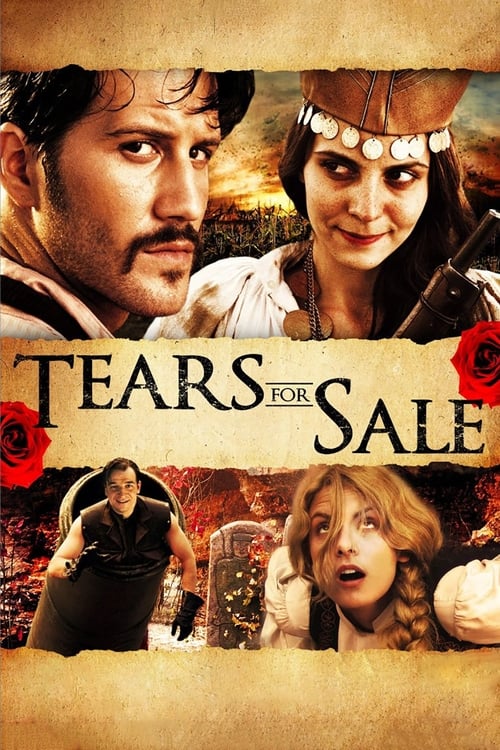
Story of two sisters that grew up in a small Serbian village in the beginning of the 1930s. The village is torn up by wars and years long blood oath. There are no men left in the village. Our heroines, Ognjenka and Mala Boginja decide to go to the city, kidnap men and return life to their village. The lights of the metropolis dazzle them and there starts this little amusing and sentimental adventure.
Tears for Sale
After the liberation in 1946, in a village in western Macedonia implemented collectivization farms. The President of the rural cooperative Stamat, former fighter, who with all their revolutionary zeal and enthusiasm believes collectivization only way for poor farmers. In doing so, he faces resistance from wealthy farmers who can hardly be separated from the property. In contrast, Stamat faced with the decision of the Committee, the mountain that provides a livelihood and that villagers consider her to be assigned to the Wood Industry. His attempt to change this decision, there is no success. He feels that his revolutionary ideal betrayed. In these circumstances Stamat faced with the fact that the villagers do not trust him, but nevertheless he stands on the right side.
Mountain of Wrath

For Seven Easy Pieces Marina Abramovic reenacted five seminal performance works by her peers, dating from the 1960's and 70's, and two of her own, interpreting them as one would a musical score. The project confronted the fact that little documentation exists from this critical early period and one often has to rely upon testimony from witnesses or photographs that show only portions of any given performance. The seven works were performed for seven hours each, over the course of seven consecutive days, November 9 –15, 2005 at the Guggenheim Museum, in New York City. Seven Easy Pieces examines the possibilities of representing and preserving an art form that is, by nature, ephemeral.
Seven Easy Pieces
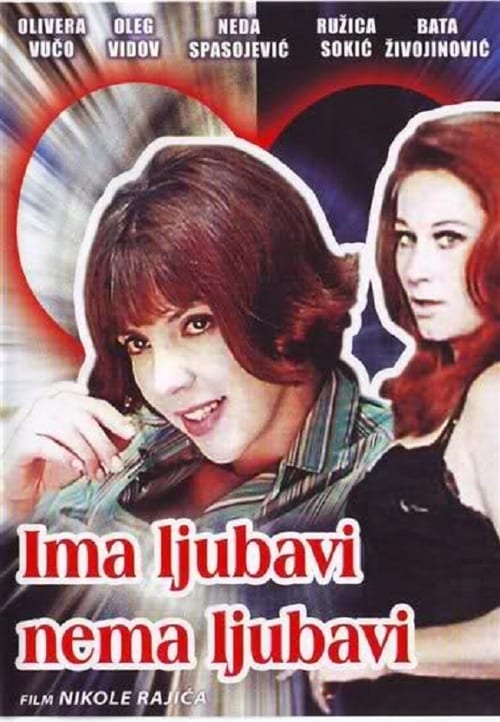
Everything happens during the course of a day. A toddler looks for his lost toy, some people look for their happiness, circling around in some kind of a lost kaleidoscope; they love and hate, suffer and enjoy, being that honest or fake, joyful or saddening. In the end, the boy finds his kaleidoscope, but the question remains if grownups have found their dreams, or at least their traces.
There's Love, There's Not
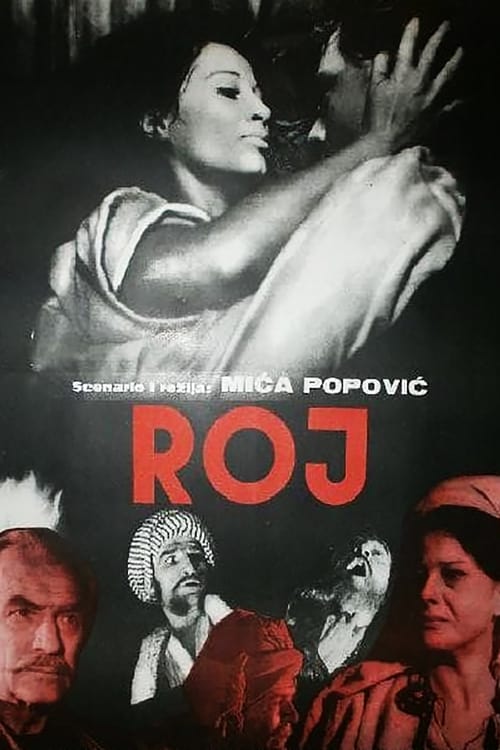
During turbulent times of the First Serbian uprising in 1804, on a freshly liberated land, a woman who betrayed her husband to the Turks has been taken to the court. A complicated truth and the real motives of the case get overlooked by the judge, a neutral Turk.
The Swarm
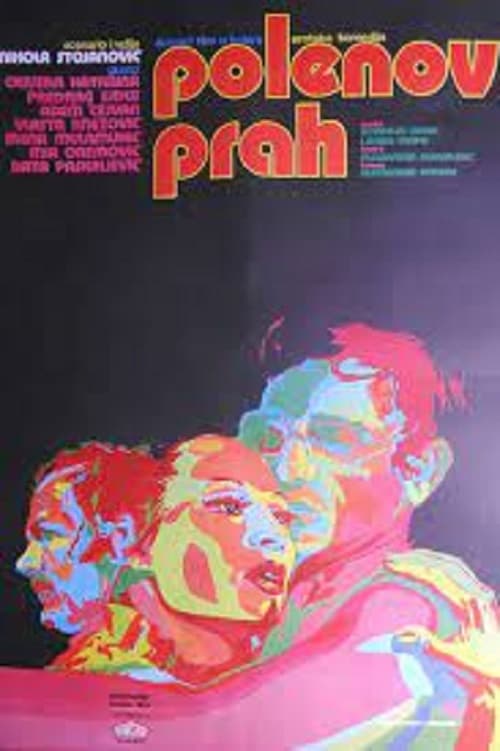
A young journalist is sent to a small Bosnian town to interview people on happiness. He mixes up with local affair and has a romance with a student. He gets a shock when he finds out that he is going to be important due to childhood mumps.
Pollen Dust
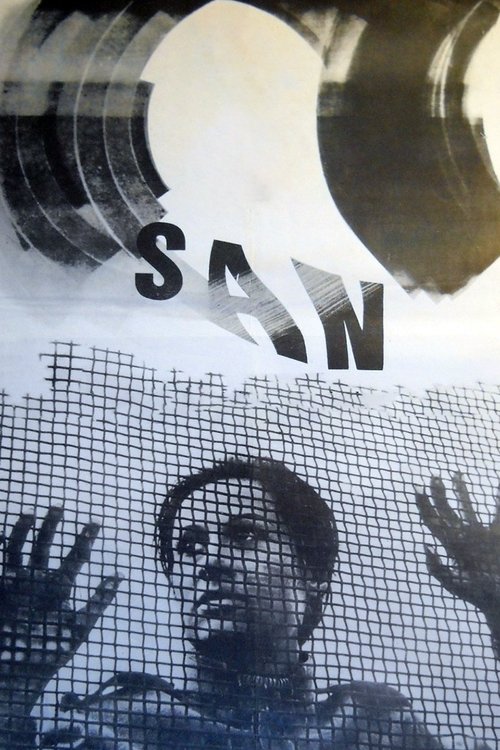
In the whirlpool of WW2, two peaceful towns that have already tasted peace are once again attacked by the Germans. Casualties are high, but the dream of a boy and a girl about their liberated towns cannot be destroyed.
The Dream
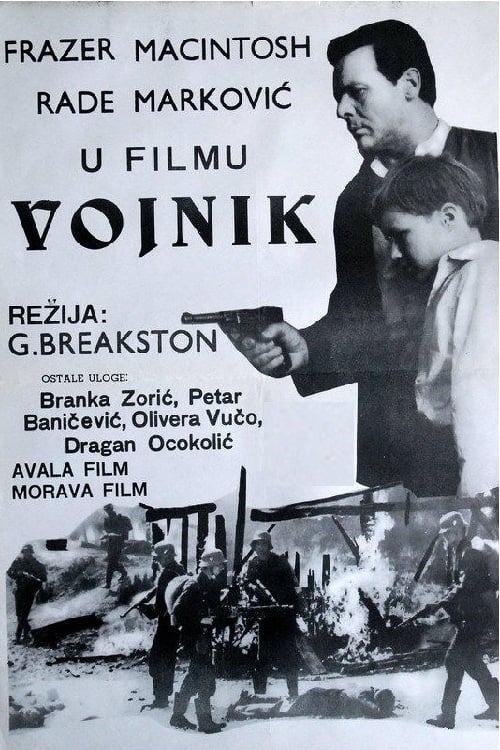
A story of a boy, forced to grow mature before his time and to die too early because of the cruel war circumstances. This film is dedicated to all the children who have died during the National Liberation War.