Volker Koepp
Directing
Biography
Volker Koepp (born June 22, 1944 in Stettin, Pomerania) is a German documentary film director. In 1975, he began a film series about Wittstock. He gained international recognition with Herr Zwilling und Frau Zuckermann (1999).
Known For
A group of men shoot their mouths off in a pub. Their animated talk is all action-packed yarns and, of course, about women.
Playboys
Documentary by Jan Sebening and Daniel Sponsel.
The Last Documentary

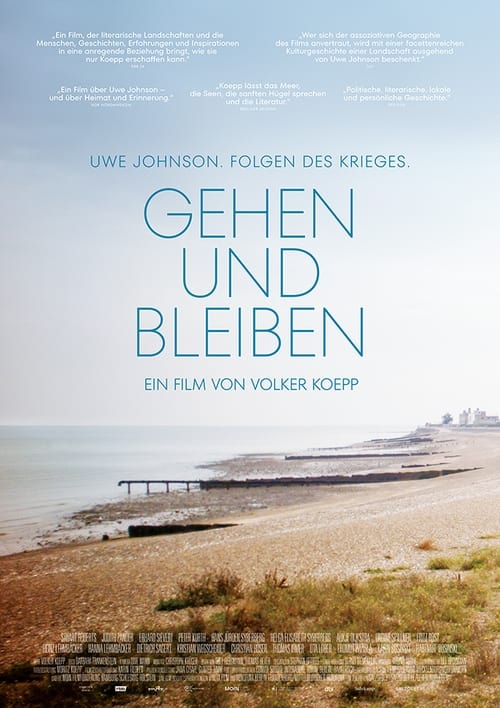
Meetings with readers, acquaintances and contemporaries of writer Uwe Johnson at the places where he lived. Volker Koepp, who is also from Pomerania, looks for Johnson’s sophisticated literary voice in the landscapes of the region they both stem from.
Leaving and Staying

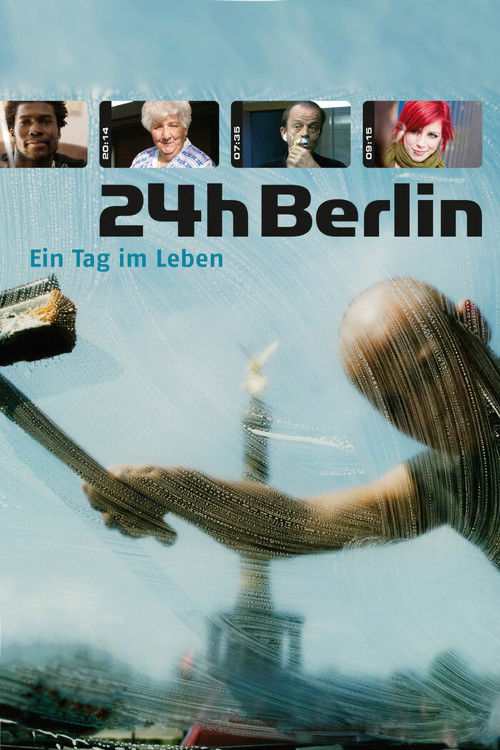
24-hour television documentary about Berlin and its inhabitants, reporting in real time on the everyday lives of more than 50 protagonists from a wide range of professions, social classes, religions and ethnicities.
24 Hours Berlin
Sixth Wittstock film. This Wittstock film, co-produced by the French broadcaster La Sept, begins in 1990. Koepp shows the consequences of reunification and the economic and social upheavals in East Germany. The state-owned knitwear factory is privatized. Edith is the first of the film's protagonists to lose her job. She helped bring about the changes and left the SED, the GDR's ruling party, in September 1989. The three women agree that things could not continue as they were. Although they were all members of the SED and the upheavals hit them hard. Edith is in her mid-30s, as is "Stubsi," alias Elsbeth. Elsbeth is one of a group of 17 out of 80 workers who are allowed to keep their jobs. For now. Renate is laid off shortly after her 50th birthday and after 36 years of working in textile production. One of her daughters moved to the West before the end of the GDR. A good decision, Renate thinks.
Neues in Wittstock

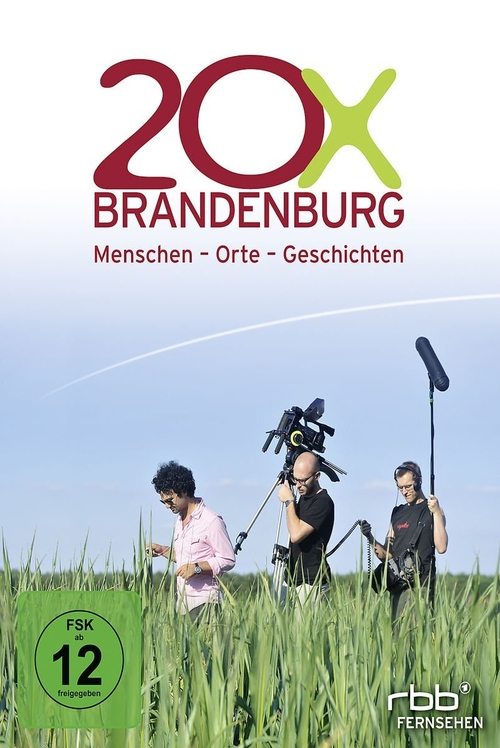
Under the artistic direction of director Andreas Dresen, 20 renowned documentary filmmakers, experienced television writers, and teams tell stories about the country and its people. The teams filmed at 20 different locations between June and August 2010 under the same production conditions: four days of filming, one week of editing.
20 × Brandenburg
No description available.
Das 7. Jahr – Ansichten zur Lage der Nation

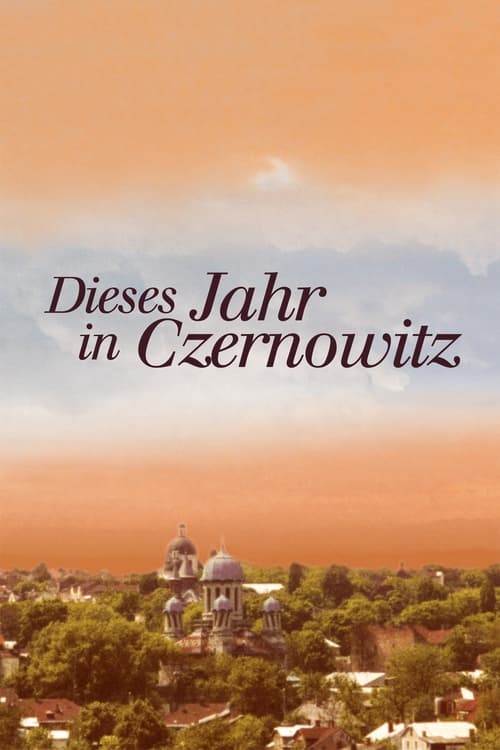
Chernivtsi, an out-of-the-way city in the middle of Europe. It was once part of the Austro-Hungarian monarchy as the capital of the crown province of Bukowina. People of many different nationalities, languages, and cultures lived here together: Ukrainians, Romanians, Germans, Poles, Huzulians. Almost half of the population of Chernivtsi, once amounting to 150,000 inhabitants, were Jews. The southern part of Bukowina is now part of Romania, the north, with Czernowitz/Chernivtsi, belongs to the Ukraine. Six years ago Volker Koepp made his film Herr Zwilling und Frau Zuckermann there. Dieses Jahr in Chernivtsi returns there with emigrants and their descendants.
This Year in Czernowitz
A documentary about young people just starting their higher education and their professional life.
Junge Leute

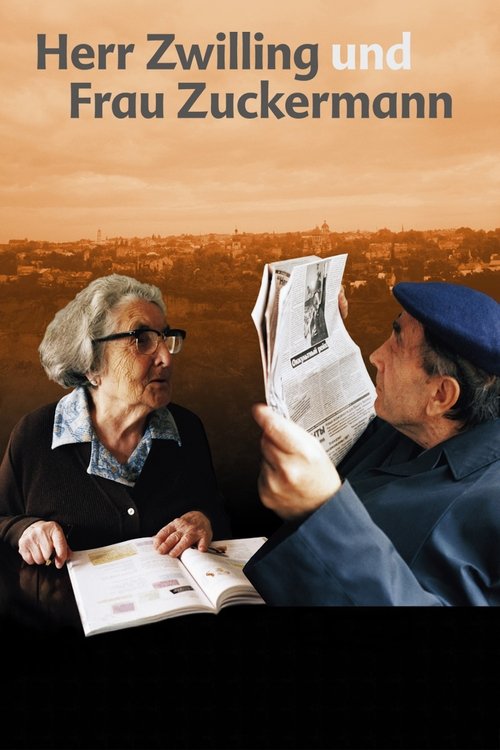
In the west of Ukraine, not far from the border to Romania, there is a faraway European city: Chernivtsi. It was once the centre of Jewish culture in the Bukowina, a border area characterized over centuries by a multi-cultural mixture of peoples. Here, Ukrainians, Poles, Romanians, Germans and Jews lived side by side. Volker Koepp’s film focuses on Mr. Zwilling and Mrs. Zuckermann, two of the last few Jews born in the old Chernivtsi/Czernowitz. They share a friendship but also their love for the German language. Mr. Zwilling visits 90-year-old Mrs. Zuckermann daily in the early hours of the evening. They talk about old times, about shared events, about politics and literature and the worries of everyday life.
Mr. Zwilling and Mrs. Zuckerman
Portrait of 80 year old Gustav J., born in Lithuania, who became a blacksmith and whose paths of life led him to East Prussia, Russia and finally to Germany.
Gustav J.
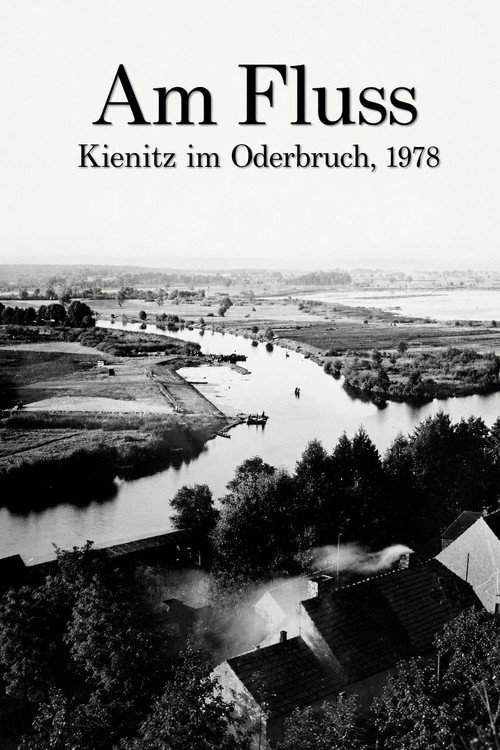
A documentary about the village Kienitz at the river Oder, about the people, their life, their history.
At the River

Documentary by Volker Koepp.
Livland

Comedy drama about one of life's perennial losers who finally strikes it lucky with a beautiful woman, but not before experiencing the usual seemingly endless pitfalls.
Up – Down

Wittstock an der Dosse is located in the German state Mark Brandenburg, apx. 90 kilometers from Berlin. Since 1974 Volker Koepp visited the town several times to examine life of the female workers in the textile industry. He interviewed them about their work, spare-time, thoughts and feelings. Three of them were questioned repeatedly for a long-time overview. This is the outcome of 10 years of Koepp's work. Written by Tom Zoerner
Life in Wittstock
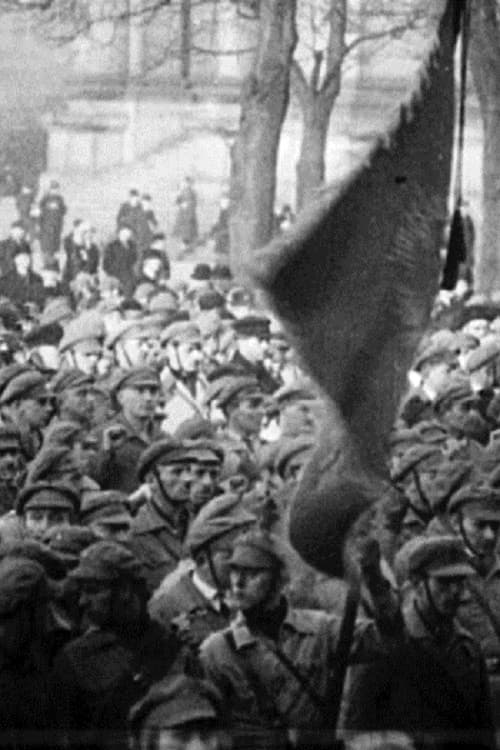
Part 3 of the Wittstock series also shows the surroundings of the textile factory. Older gentlemen in a pub reveal that two factories produced fabrics for the military here during the Second World War. In 1945, only a handful of handlooms remained. The contemporary witness does not say why. It was probably too sensitive to reveal the reason on camera in 1978: The Soviet occupying power dismantled many production facilities in the GDR after the end of the war and transported them to the home of the victorious Red Army.
Wittstock III

In his film "Berlin-Stettin", well-known documentary film director Volker Koepp embarks on a journey to the places of his own past: Born in 1944 in Stettin (now the Polish city of Szczecin) and grown up in Berlin-Karlshorst, Koepp has again and again met people and found places located between the two cities that he turned into the protagonists of his films – in Brandenburg, in Mecklenburg, and in Pomerania. Now, he once again returns to these places and finds out that his own biography overlaps with the biographies of his found again protagonists as well as with the history of this region. During his search for traces, Koepp at the same time finds new people, new regions, and new themes that are also worth becoming a part of Koepp′s narration.
Berlin - Stettin

The end moraines of the Uckermark have kept Volker Koepp busy for decades. Following the socio-historical "Uckermark", he devotes himself in "Landstück" even more intensively to conveying the sensory experience of this sparsely populated, ecologically fascinating region between Berlin and the Baltic Sea.
Landstück

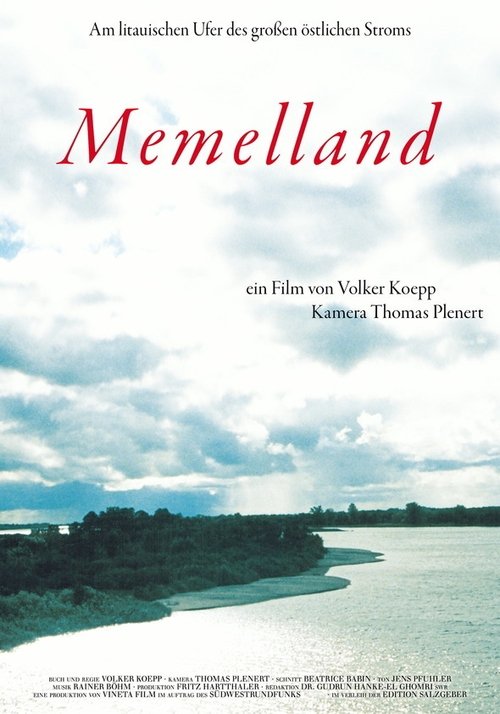
Documentary about the region next to the river Memel.
Memelland
Volker Koepp returns to the Brandenburg Marches, where many of his films were made. Uckermark describes the coexistence of the various eras using the stories and lives of the local people. They are farmers and returning noblemen, men and women hoping that short-term job-creation schemes will lead to meaningful work, a theatre director whom the Uckermark reminds of the past.