
Felipe Rose
Acting
Biography
Felipe Rose (born 12 January 1954) is an American musician who was an original member of the disco group the Village People. While in the group, he performed as a Native American character - usually wearing a costume consisting of an imitation war bonnet, loincloth and theatrical face paint. Rose was a member of the group from 1977 until 2017, when the name of the group was turned over to original lead singer Victor Willis. Rose subsequently launched a solo career and released the single "Going Back to My Roots" in 2018. Felipe Ortiz Rose was born in Manhattan to a Puerto Rican mother. He currently claims Lakota/Taino descent, but at other times has said he is Apache. He was raised in Brooklyn, where he displayed an interest in the arts during his childhood. His mother was his main inspiration as she herself had been a dancer for the Copacabana during the 1940s and 1950s. Rose began as a nightclub dancer. He describes being encouraged by an aunt to begin dancing "in his father's tribal regalia", which he says led to his costume in the Village People. Rose was working as a dancer and a bartender in the gay New York discotheque The Anvil, dressed "as an [American] Indian" when he was discovered by French producer Jacques Morali and executive producer Henri Belolo and so became the first recruit for Village People. In 1977, Village People had their first hit with "San Francisco", although this song became a hit only in the United Kingdom. Then in 1978 they had their first hits in the U.S. with "Macho Man" followed by "YMCA". He is a member of the band's board of directors, called Sixuvus Ltd ("six of us" - named for the six members of the Village People). In 2000, Rose began to work on his solo career. His single "Trails of Tears" won a NAMMY (Native American Music Awards) for Best Historical Recording. In 2002, Rose was the opening act of the fifth Annual Native American Music Awards celebrated at the Marcus Amphitheatre in Milwaukee, Wisconsin. His media company is the "Tomahawk Group". Rose has appeared in the movies Can't Stop the Music (1980), The Best of Village People (1993), and Feathers and Leathers: The Story of the Village People (1999). He also participated in the 2000 documentary, Village People: The E! True Hollywood Story. For a time Rose lived in Richmond, Virginia, and briefly in Jersey City, New Jersey, though he found it to be too crowded. In a 2008 interview, he stated that approximately four or five years prior, he moved to Asbury Park, New Jersey on the advice of several friends who lived there, saying, "So I came down and I just fell in love with the shore... I love the diversity of Asbury because it brings everyone together. There is a very large gay and lesbian community here, but the diversity of artists is amazing; it’s become very bohemian." Source: Article "Felipe Rose" from Wikipedia in English, licensed under CC-BY-SA 3.0.
Known For
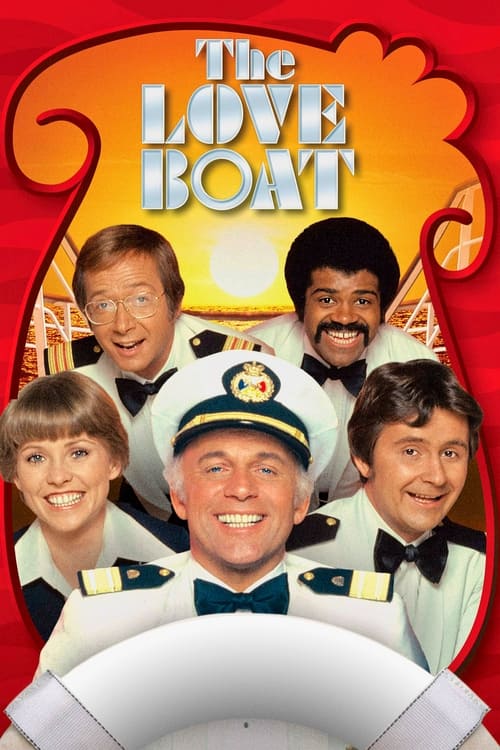
Passengers who search for romantic nights aboard a beautiful ship travelling to tropical or mysterious countries, decide to pass their vacation aboard the "Love Boat", where Gopher, Dr. Bricker, Isaac, Julie, and Captain Stubing try their best to please them, and sometimes help them fall in love. Things are not always so easy, but in the end, love wins.
The Love Boat
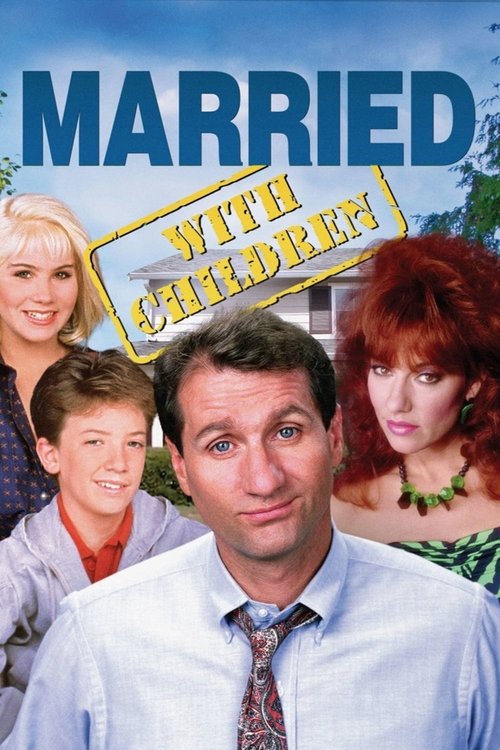
Al Bundy is an unsuccessful middle aged shoe salesman with a miserable life and an equally dysfunctional family. He hates his job, his wife is lazy, his son is dysfunctional (especially with women), and his daughter is dim-witted and promiscuous.
Married... with Children

TV's most-watched history series brings to life the compelling stories from our past that inform our understanding of the world today.
American Experience

A talk show presented by Michel Drucker
Les Rendez-vous du dimanche

No description available.
Le monde est à vous
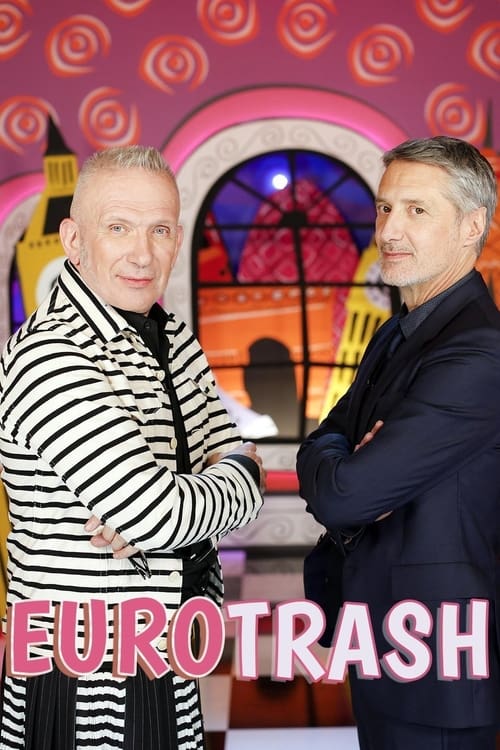
The likes of Antoine de Caunes, Jean Paul Gaultier, Davina McCall, and Lolo Ferrari are your guides to the weird and wonderful in Europe and beyond. How else would you learn about pubic hairdressers, the Penis Olympics, or the latest Japanese sex toys?
Eurotrash
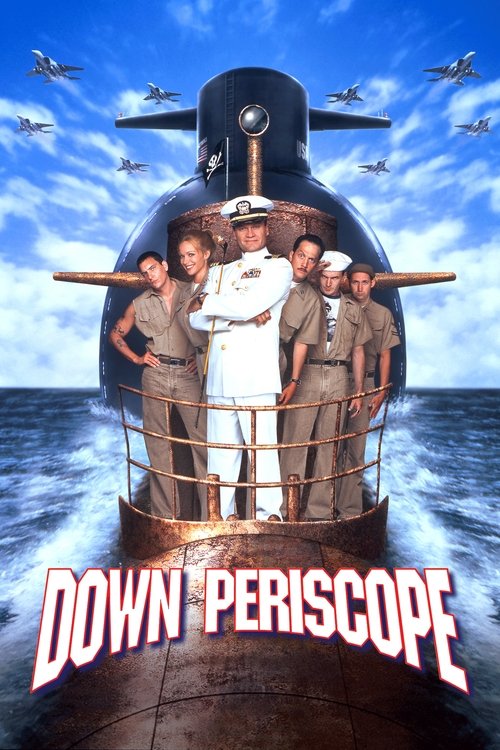
Maverick Navy Lieutenant Commander Tom Dodge will never be a textbook officer, but he's a brilliant seaman who's always wanted to command a nuclear submarine — he's been given one last chance to clean up his record. Unfortunately, Admiral Graham, his nemesis, would rather sink the fleet than give Dodge his own boat. So, Graham stacks the deck against him and assigns Dodge to the Stingray, a diesel-powered WW2 submarine that can barely keep afloat. To make matters worse, Dodge's crew is a collection of maladjusted, mistake-prone misfits. Then, he's tagged the "enemy" in a crucial war game, and ordered to take on the U.S. Navy's best.
Down Periscope

E! True Hollywood Story is an American documentary series on E! that deals with famous Hollywood celebrities, movies, TV shows and also well-known public figures. Among the topics covered on the program include salacious re-tellings of Hollywood secrets, show-biz scandals, celebrity murders and mysteries, porn-star biographies, and "where-are-they-now?" investigations of former child stars. It frequently features in-depth interviews, actual courtroom footage, and dramatic reenactments. When aired on the E! network, episodes will be updated to reflect the current life or status of the subject.
E! True Hollywood Story
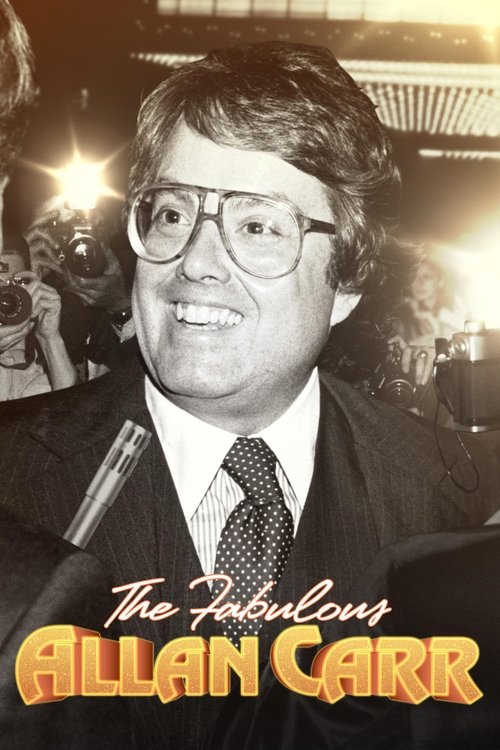
Armed with a limitless Rolodex and a Benedict Canyon enclave with its own disco, Allan Carr threw the Hollywood parties that defined the 1970s. A producer, manager, and marketing genius, Carr built his bombastic reputation amid a series of successes including the mega-hit musical film "Grease," until it all came crashing down after he produced the 1989 Academy Awards, a notorious debacle.
The Fabulous Allan Carr
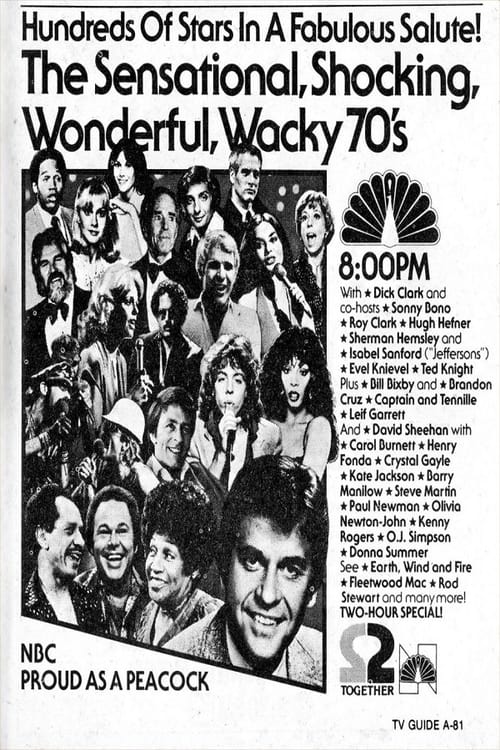
A look back at the people, events, music, and trends of the 1970s.
The Sensational Shocking Wonderful Wacky 70's
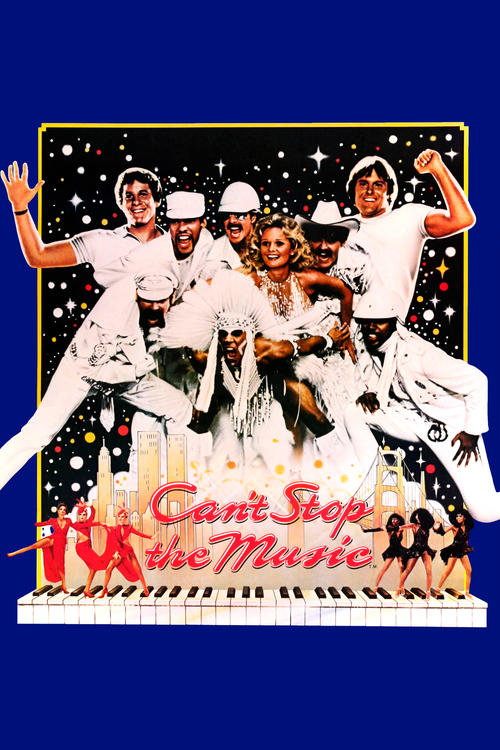
A loose biography of seminal disco hit-makers The Village People and their composer Jacques Morali.
Can't Stop the Music
A documentary film about Studio One which, from 1974 to 1994, was the center of queer nightlife in West Hollywood as well as the staging ground for the rise of the LGBTQ rights movement and fight against the AIDS crisis.
Studio One Forever
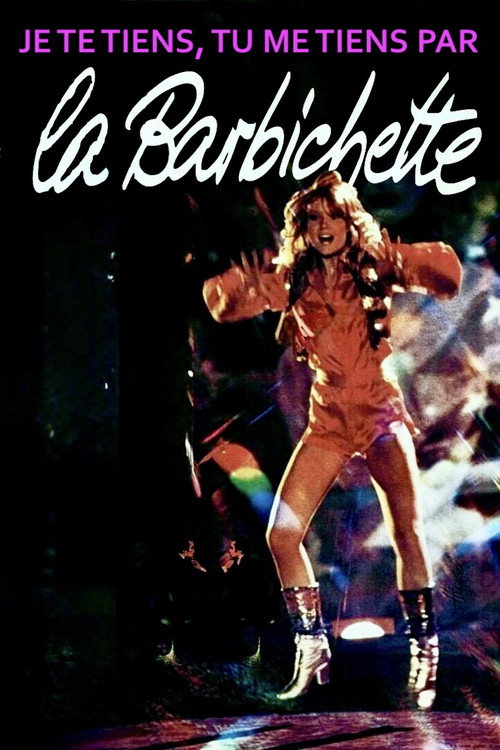
In this satire, a police detectiveis investigating the disappearance and kidnapping of the host of a television dance show. However, instead of finding his man, he is trapped into becoming a contestant on a children's quiz show. What's worse is that he becomes a very successful contestant.
I've Got You, You've Got Me by the Chin Hairs

The portrait of a woman who remembers. Sheila tells the story of Sheila, without concessions or evasions. Her childhood, her parents, her beginnings, the rumors, her love affairs, her marriage, her son, her successes, her farewells, her return, her mourning. The journey of an extraordinary popular icon who never stopped fighting. The courage of an artist who never gives up. "Sheila, toutes ces vies-là" is also a journey through time. 60 years of pop music, punctuated by numerous archives, personal films, timeless hits and illustrations by Marc-Antoine Coulon. But also 60 years of fashion, through a legendary wardrobe (her TV show outfits) that Sheila invites us to rediscover.
Sheila, toutes ces vies-là

This one hour TV special promoting the release of Can't Stop the Music featured the film's stars (The Village People, Valerie Perrine, Steve Guttenberg and Bruce Jenner) with guest appearances by Cher, Hugh Hefner and others.
Magic Night
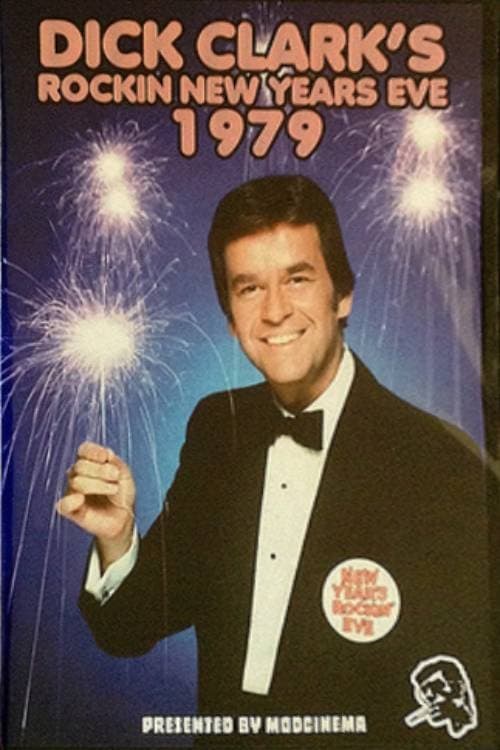
This special broadcast from New York City's Times Square features coverage of its annual ball drop event, along with live and pre-recorded musical performances by popular acts from Times Square and Hollywood, respectively.
Dick Clark's New Year's Rockin' Eve 1979
The War on Disco explores the culture war that erupted over the spectacular rise of disco music. Originating in underground Black and gay clubs, disco had unseated rock as America’s most popular music by the late 1970s. But many diehard rock fans viewed disco, with its repetitive beat and culture that emphasized pleasure, as shallow and superficial. A story that’s about much more than music, The War on Disco explores how the powerful anti-disco backlash revealed a cultural divide that to some seemed to be driven by racism and homophobia. The hostility came to a head on July 12, 1979, when a riot broke out at “Disco Demolition Night” during a baseball game in Chicago.
The War on Disco
A film about how a much-derided music actually changed the world. Between 1969 and 1979 disco was born through gay liberation, female desire in the age of feminism and led to the birth of modern club culture before taking the world by storm. This in turn led to the 'Disco Sucks' movement and the inevitable backlash. With contributions from Nile Rodgers, Robin Gibb, Kathy Sledge and Ian Schrager.