David Hodo
Acting
Biography
David Hodo (born Richard Davis Hodo; July 7, 1947) is an American dancer/singer. He is most well known as a member of the group Village People, in which he was the construction worker character from 1978 to 1982 and from 1987 to 2013. Hodo was born in San Andreas, California, and was raised in Sacramento. He graduated in 1969 from California State University, Sacramento, where he majored in speech and acted in several campus productions, including Oh What a Lovely War, Carnival and Richard III. In 1972, he moved to New York, making his Broadway debut in Doctor Jazz in 1975. Hodo appeared as a chorus member in numerous musicals, including Salvation, a touring company of Funny Girl in 1972, a Broadway revival of Pal Joey in 1976 and The Red BlueGrass Western Flyer Show at the Goodspeed Opera House in 1977. He was also a guest on What's My Line as a roller skating fire eater. Hodo joined the Village People in 1978 and was with the group during its most commercially successful era. He appeared with the group in the 1980 musical film Can't Stop the Music and the accompanying promotional television special Magic Night which also featured Cher and Hugh Hefner. He left the Village People in 1982, but returned to the group in 1987, remaining until 2013 when he retired. Hodo has also appeared on numerous television programs, including Married With Children, The Love Boat and The Osbournes. In 2002, he released a cover of "My Sweet Lord" (originally recorded by George Harrison). In 2008, he released an EP featuring the single "The Kids'll Be Fine", partially inspired by school shootings in the USA. Source: Article "David Hodo" from Wikipedia in English, licensed under CC-BY-SA 3.0.
Known For

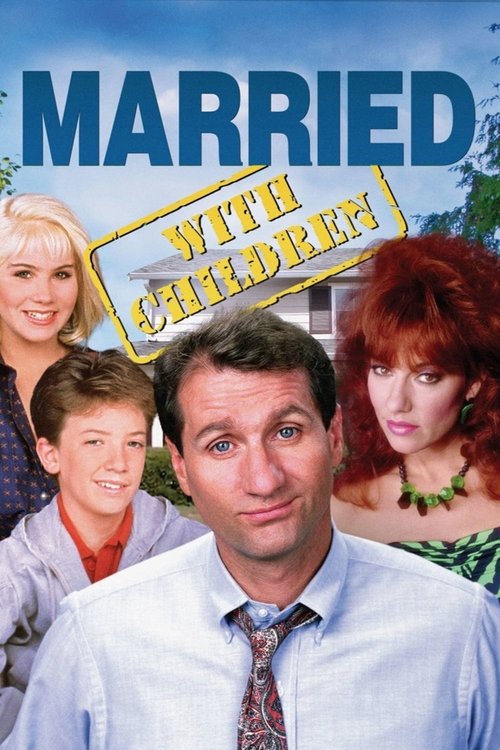
Al Bundy is an unsuccessful middle aged shoe salesman with a miserable life and an equally dysfunctional family. He hates his job, his wife is lazy, his son is dysfunctional (especially with women), and his daughter is dim-witted and promiscuous.
Married... with Children

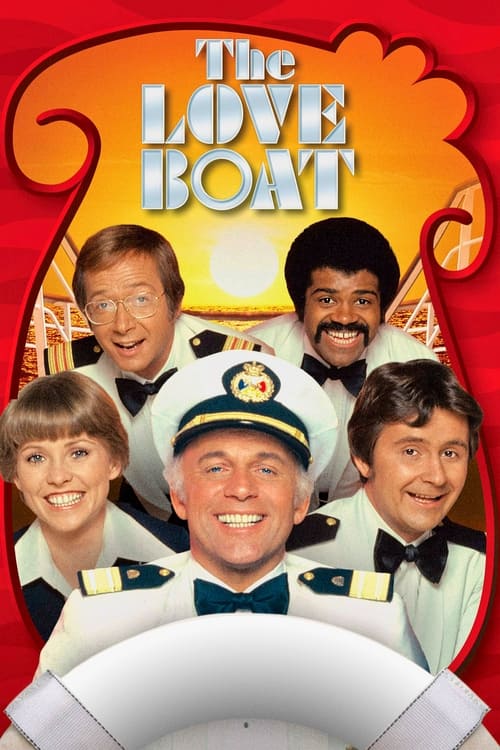
Passengers who search for romantic nights aboard a beautiful ship travelling to tropical or mysterious countries, decide to pass their vacation aboard the "Love Boat", where Gopher, Dr. Bricker, Isaac, Julie, and Captain Stubing try their best to please them, and sometimes help them fall in love. Things are not always so easy, but in the end, love wins.
The Love Boat

A talk show presented by Michel Drucker
Les Rendez-vous du dimanche

No description available.
Le monde est à vous

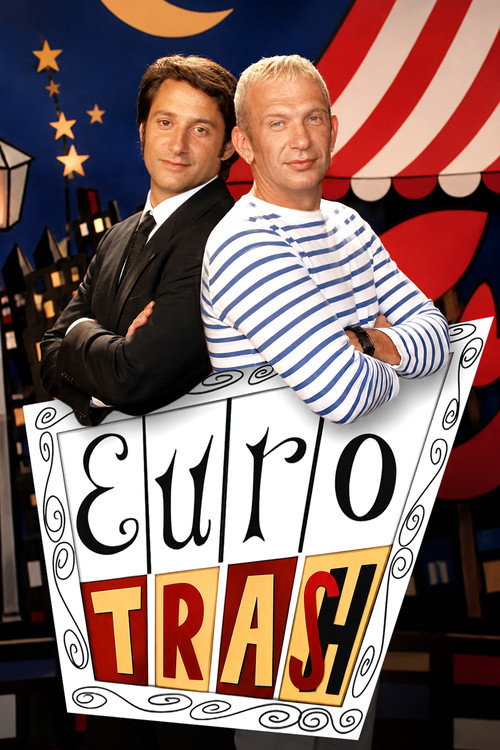
The likes of Antoine de Caunes, Jean Paul Gaultier, Davina McCall, and Lolo Ferrari are your guides to the weird and wonderful in Europe and beyond. How else would you learn about pubic hairdressers, the Penis Olympics, or the latest Japanese sex toys?
Eurotrash

E! True Hollywood Story is an American documentary series on E! that deals with famous Hollywood celebrities, movies, TV shows and also well-known public figures. Among the topics covered on the program include salacious re-tellings of Hollywood secrets, show-biz scandals, celebrity murders and mysteries, porn-star biographies, and "where-are-they-now?" investigations of former child stars. It frequently features in-depth interviews, actual courtroom footage, and dramatic reenactments. When aired on the E! network, episodes will be updated to reflect the current life or status of the subject.
E! True Hollywood Story

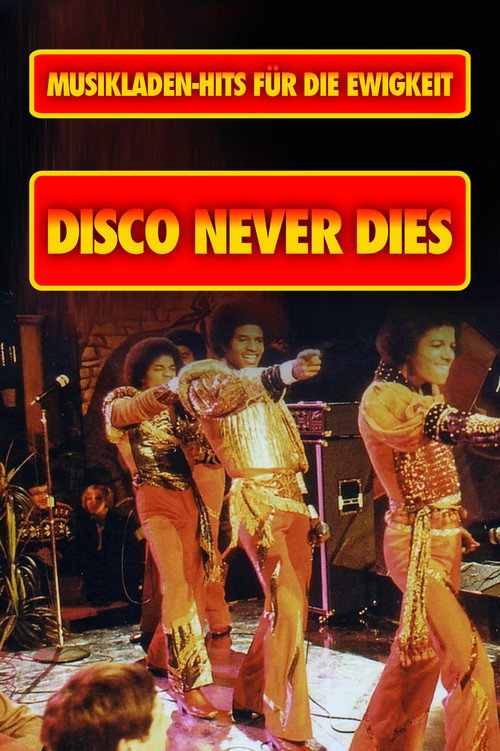
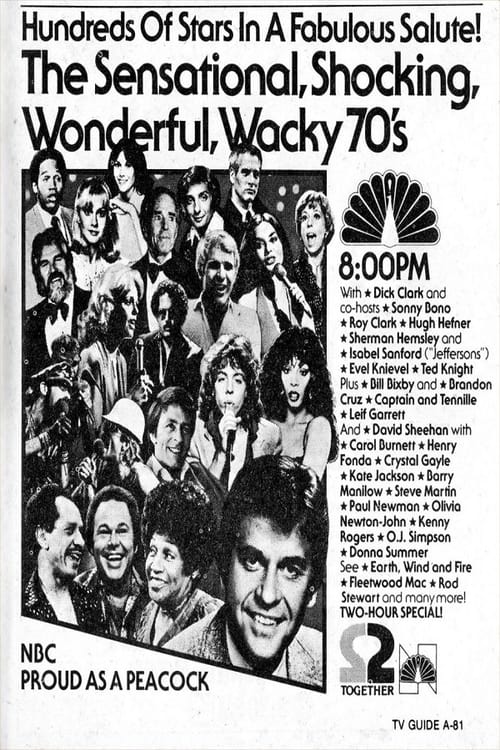
A look back at the people, events, music, and trends of the 1970s.
The Sensational Shocking Wonderful Wacky 70's

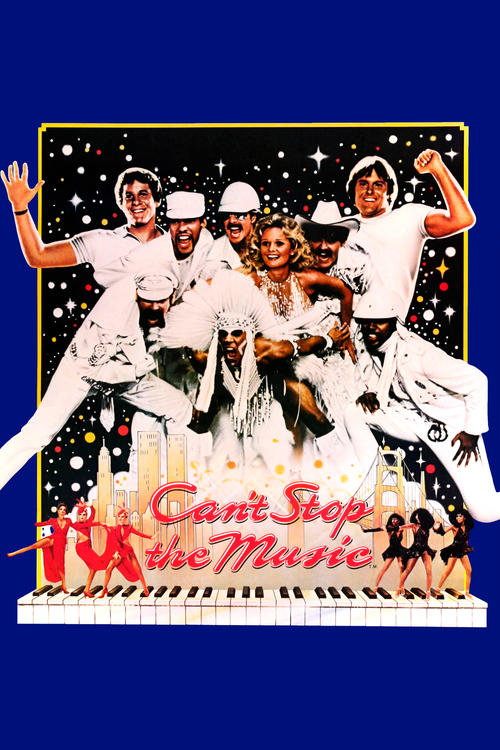
A loose biography of seminal disco hit-makers The Village People and their composer Jacques Morali.
Can't Stop the Music

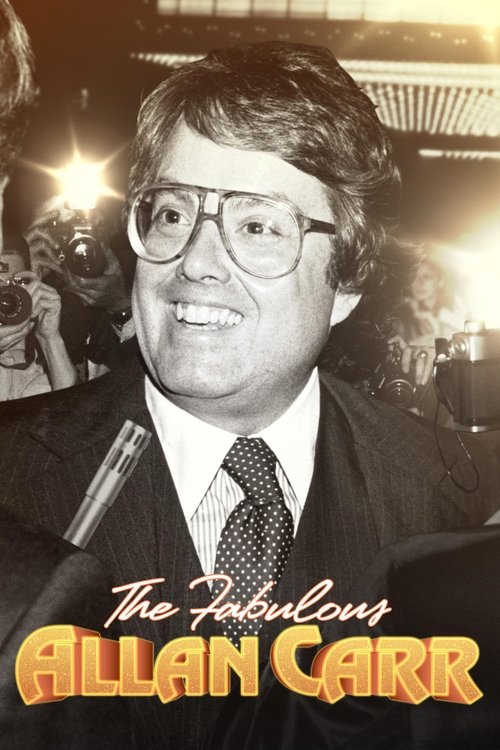
Armed with a limitless Rolodex and a Benedict Canyon enclave with its own disco, Allan Carr threw the Hollywood parties that defined the 1970s. A producer, manager, and marketing genius, Carr built his bombastic reputation amid a series of successes including the mega-hit musical film "Grease," until it all came crashing down after he produced the 1989 Academy Awards, a notorious debacle.
The Fabulous Allan Carr

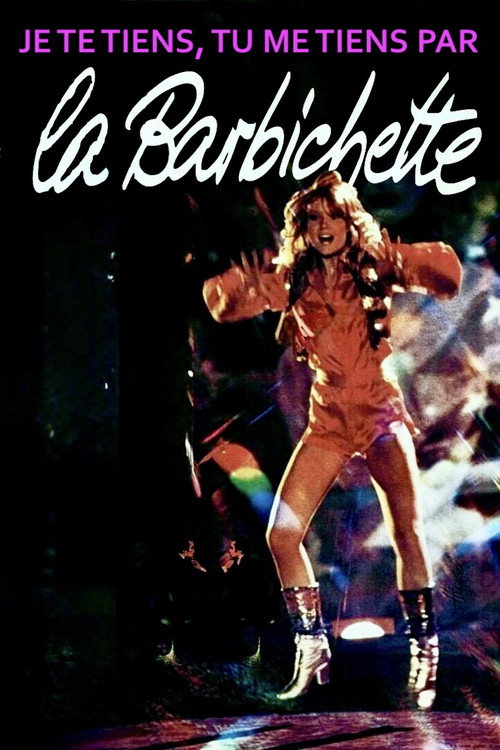
In this satire, a police detectiveis investigating the disappearance and kidnapping of the host of a television dance show. However, instead of finding his man, he is trapped into becoming a contestant on a children's quiz show. What's worse is that he becomes a very successful contestant.
I've Got You, You've Got Me by the Chin Hairs

The portrait of a woman who remembers. Sheila tells the story of Sheila, without concessions or evasions. Her childhood, her parents, her beginnings, the rumors, her love affairs, her marriage, her son, her successes, her farewells, her return, her mourning. The journey of an extraordinary popular icon who never stopped fighting. The courage of an artist who never gives up. "Sheila, toutes ces vies-là" is also a journey through time. 60 years of pop music, punctuated by numerous archives, personal films, timeless hits and illustrations by Marc-Antoine Coulon. But also 60 years of fashion, through a legendary wardrobe (her TV show outfits) that Sheila invites us to rediscover.
Sheila, toutes ces vies-là

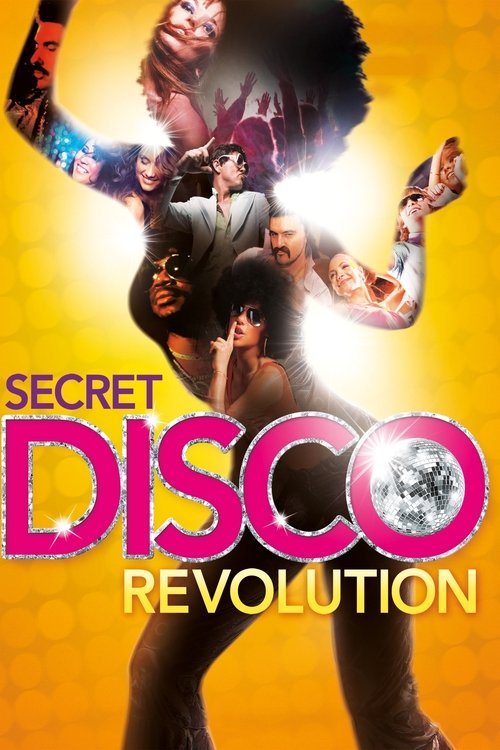
Why won’t Disco die? Might it contain hidden depths? Politically correct revisionists are trying to recast disco as a misunderstood culture of protest. Through interviews with Gloria Gaynor, The Village People, Kool and the Gang and others, along with a goldmine of stock footage and speculative reenactments, The Secret Disco Revolution presents a comic-ironic investigation into disco and its mysterious longevity.
The Secret Disco Revolution

This one hour TV special promoting the release of Can't Stop the Music featured the film's stars (The Village People, Valerie Perrine, Steve Guttenberg and Bruce Jenner) with guest appearances by Cher, Hugh Hefner and others.
Magic Night

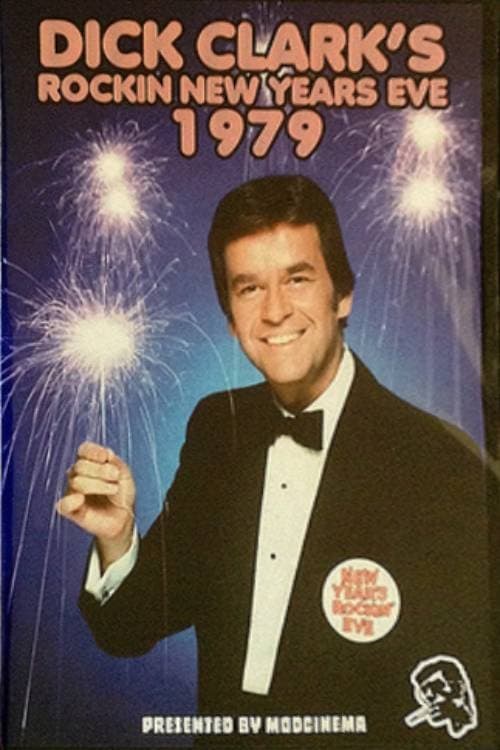
This special broadcast from New York City's Times Square features coverage of its annual ball drop event, along with live and pre-recorded musical performances by popular acts from Times Square and Hollywood, respectively.
Dick Clark's New Year's Rockin' Eve 1979

A film about how a much-derided music actually changed the world. Between 1969 and 1979 disco was born through gay liberation, female desire in the age of feminism and led to the birth of modern club culture before taking the world by storm. This in turn led to the 'Disco Sucks' movement and the inevitable backlash. With contributions from Nile Rodgers, Robin Gibb, Kathy Sledge and Ian Schrager.