Acting
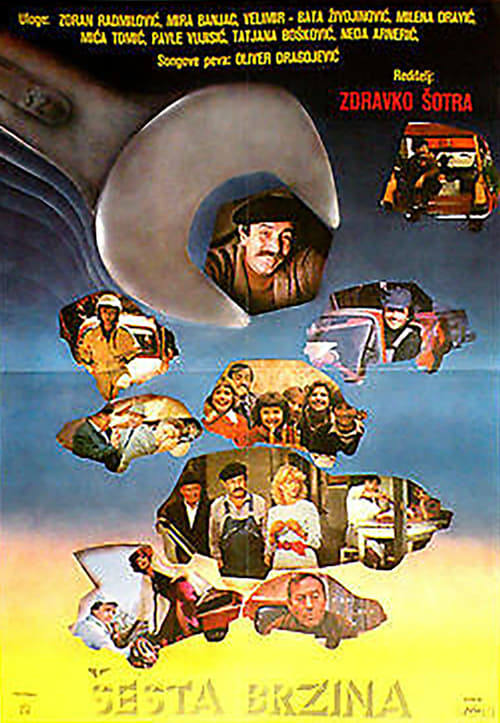
Dealing with his customers with open heart, a car mechanic named Života goes through many adventures. Some are funny, some are sad, some reveal beauty and other human misery. In the end he gets tangled up himself, and not without bitterness he tries to change his ways, to become like his rival across the street which has adapted to modern times: strictly business. But, people who come to him need him just the way he is.
It follows the events at the University of Belgrade that were the basis for this dramatic story. Students are on strike, and the story of Josip Broz’s illegal stay in Belgrade is taking place in parallel. It takes place at a time when Broz is taking over the leadership of the Party.
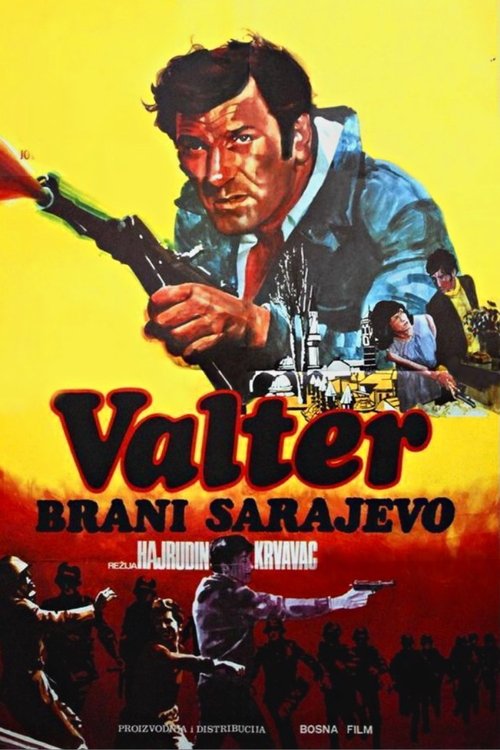
Sarajevo 1944. The German armies desperately need fuel in the retreat. Walter, the enigmatic and charismatic leader of the resistance movement, can endanger their supplies. The Germans are taking a cunning plan to remove that obstacle.
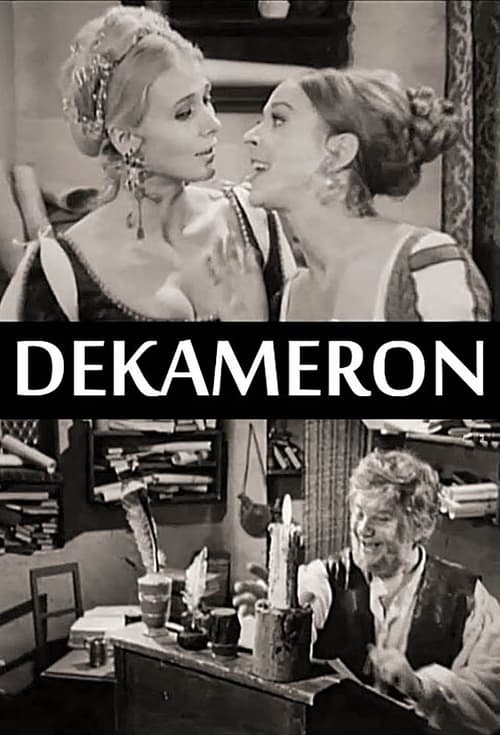
Depicts many funny and satirical tales from Giovanni Boccaccio. Around 200 actors, among them almost all the greatest of the time, with Stane Sever at the helm. He played a mischievous writer who, in each episode, leads viewers into new intriguing stories of the human spirit. After the eighth part, he was replaced by Stevo Žigon due to his death. In 2013, the series was digitized and restored. After many years, it was then broadcast again, but not in the original order.
After Laura's husband commits suicide, her lover Ivan Krizovec and her spend a torrid night together.
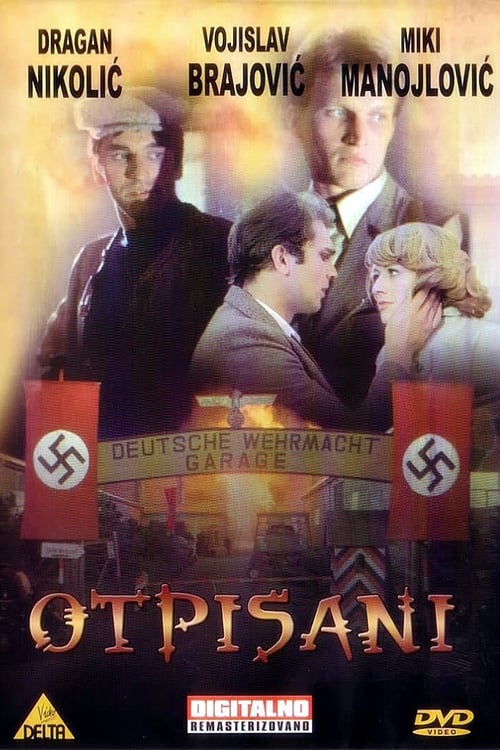
"The Written Off" is a famous Serbian TV miniseries, that was very popular in former Yugoslavia, originally airing in 1974. Due to its popularity, Radio Television of Serbia has shown reruns of the series ten times, the last re-run starting in 2012. The series has achieved something of a cult status among its audience and still attracts an estimated 3 million viewers with its last rerun. Idea of series derives from exploits of freedom fighters in Belgrade during World War II, and all the characters and events are fictitious.
Three gangsters smuggle a microfilm with passport data from West Germany to their buyer from Middle East, which happens to be crucial thing for the security of European Community. On their way through Yugoslavia, they try to hide the microfilm in the Miss Universum's purse who pays visit to the country at its national beauty contest. The problems arise when the microfilm accidentally finds itself in the possession of one of the competitors, unbeknown-st to her. The criminals try to get in possession of the microfilm, however a brave journalist who came because of the contest prevents them of doing so.
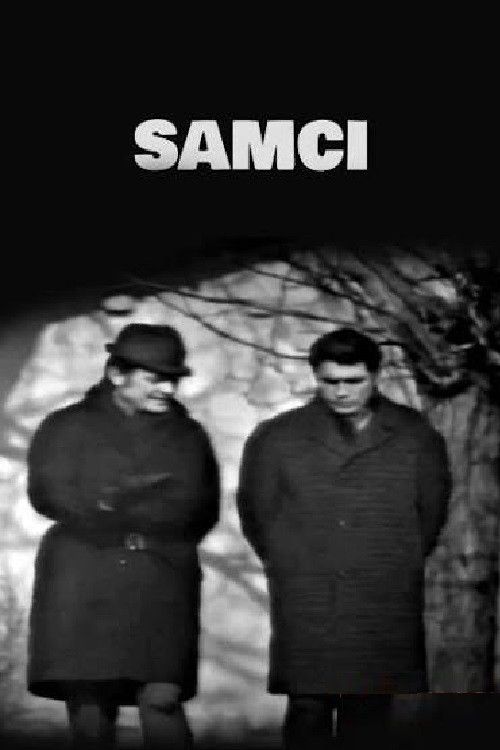
Samci is a Yugoslav black-and-white television anthology produced by RTV Belgrade and broadcast in 1968. It consists of seven episodes, which are short romantic comedies. It was directed by Aleksandar Đorđević and written by Gordan Mihić.
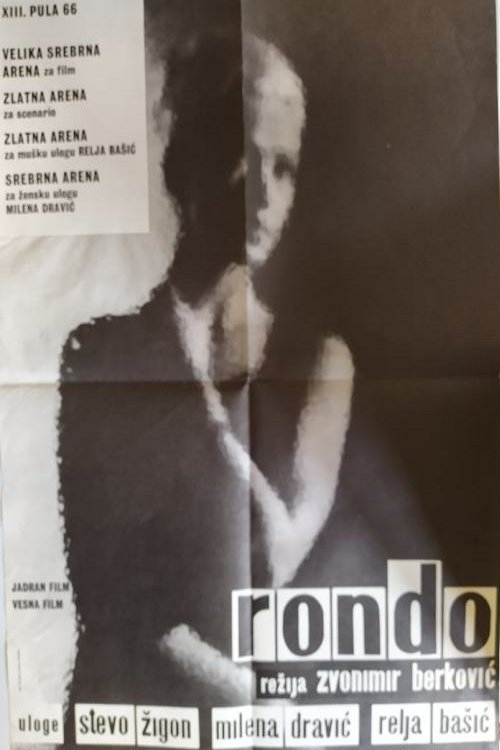
A young married woman Jelena finds about her husband's car accident from an unknown stranger named Vlatko, but also that he wants to be visited by his mistress rather than her. The encounter with her father, an ex-politician, will be another shock, but that's when she accepts Vlatko's courtship without being able to see his self-interested nature.
A 1979 Serbo-Croatian language drama film written and directed by Stevo Žigon, starring Jelena Zigon, Marko Todorović and Olga Spiridonovic.
The story of a young man who, in 1991. receives order to report to a military drill, and finds himself on Vukovar front, where he spends five months. Returning from there, he discovers changes within himself, but within his home town also. Totally lost, he finds no way to make contact with the environment, and suddenly experiences love with the girl who survived all horrors of that war...
In Summer of 1944 Prle and Tihi, young yet veteran resistance fighters, together with Joca, old and moody radio-operator, are sent by Partisans to Belgrade, the Yugoslav capital still under Nazi occupation. As victorious Partisan forces approach, Prle, Tihi and Joca must continue their underground work in order to prepare the city for liberation.
The film speaks of student demonstrations in Belgrade, 1969 and of the critical quality, enthusiasm and discipline of this form of protest. It was the most powerful public criticism of "red bourgeoisie" - members of communist apparatus, who suppressed creativity and affirmation of new generations throughout Eastern block.
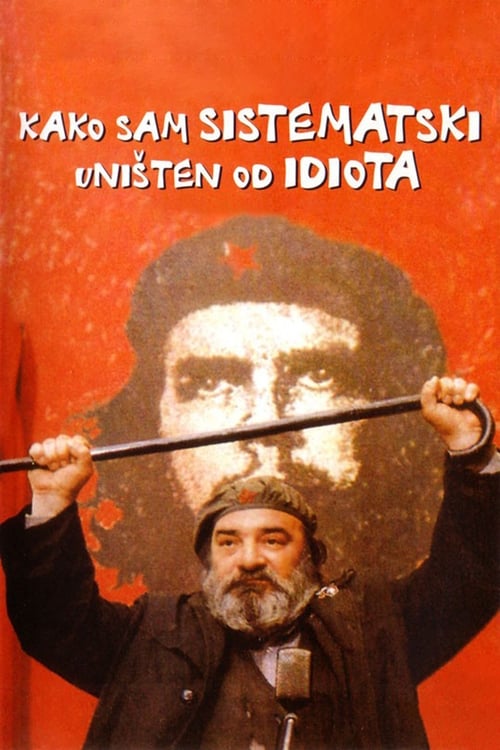
The film follows a life of a homeless, but very well read, Marxist who is coping with Che's death and wishes to live a life of revolutions and workers' uprisings. He is a hypochondriac, bitter at the world, and blaming his old capitalist boss for his life's misery.
On her deathbed, the sister tries to help her brother who, burdened with his poor background, can't figure out his life's directions after completing studies.
The TV movie "Escape" shows the agony of "white" officers, soldiers and citizens who fled before the October Revolution, pursued by the power of the Red Army, but also by the blood of their own crimes. Composed in several "pictures", it is a kind of ballad about madness and despair, the battle for bare life, but also an elegy about exile, crime and punishment.
Two retired, aging British officers meet in the club of special forces' veterans where they stress their conflicted views about WW2 in the former Yugoslavia. One of them was delegate with the Chetniks, while the other one was with partisans.
Careless lives of few Belgrade youths are shattered when Nazis occupy their town in 1941. Soon they join the resistance movement and their activities bring their names to Gestapo's termination list. This movie inspired the series that would get cult status in former Yugoslavia.
Every Sunday, lonely bachelor and refined judge Mladen goes to play chess with his friend, sculptor Fedji. Slowly, he engages in a love affair with Neda, Fedia's wife, and almost invisibly, a love triangle forms. Chess board is the central part of the film, as moves on the board reflect emotions of the characters.
Based on James Joyce’s play which follows four players and two couples, Richard Rowan, a writer and his “common-law wife” Bertha, and Robert Hand with his cousin and previous lover Beatrice, both old friends of the previous couple.