Ljiljana Jovanović
Acting
Known For
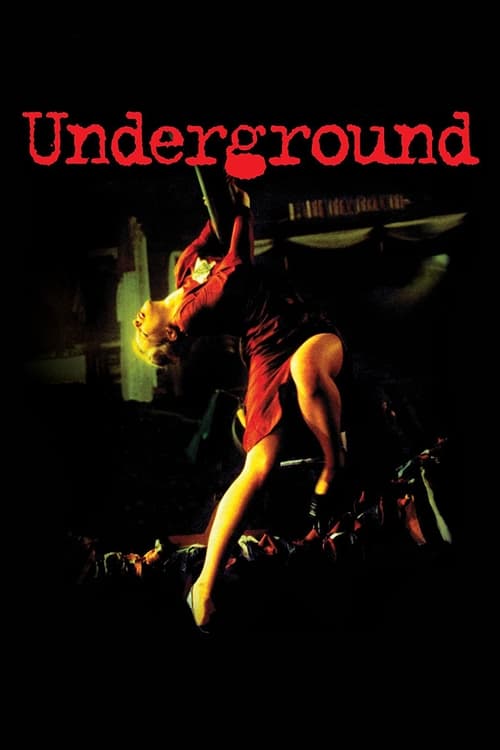
Black marketeers Marko and Blacky manufacture and sell weapons to the Communist resistance in WWII Belgrade, living the good life along the way. Marko's surreal duplicity propels him up the ranks of the Communist Party, and he eventually abandons Blacky and steals his girlfriend. After a lengthy stay in a below-ground shelter, the couple reemerges during the Yugoslavian Civil War of the 1990s as Marko sees the opportunity to exploit the situation.
Underground
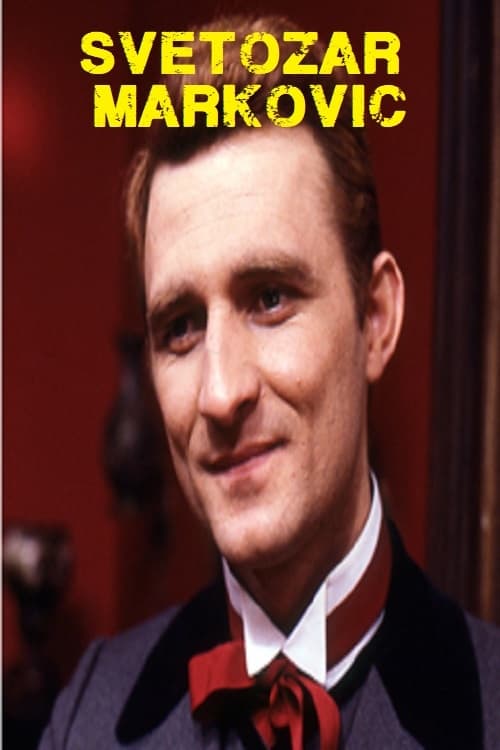
A biopic of an influential Serbian political activist, literary critic and philosopher. Svetozar Markovic developed an activist anthropological philosophy with a definite program of social change, which set foundations for socialist ideals in his homeland.
Svetozar Markovic
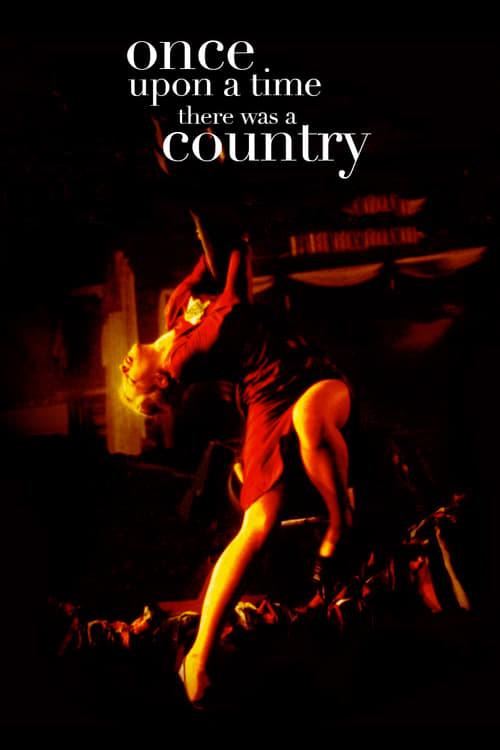
Black marketeers Marko and Blacky manufacture and sell weapons to the Communist resistance in WWII Belgrade, living the good life along the way. Marko's surreal duplicity propels him up the ranks of the Communist Party, and he eventually abandons Blacky and steals his girlfriend. After a lengthy stay in a below-ground shelter, the couple reemerges during the Yugoslavian Civil War of the 1990s as Marko sees the opportunity to exploit the situation. An extended television version of Emir Kusturica's Palme d'Or winning Underground.
Once Upon a Time There Was a Country
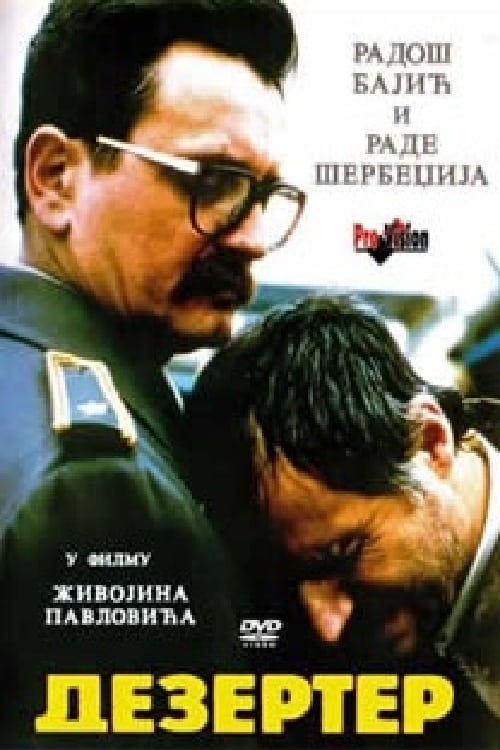
During the Yugoslav break-up, Federal Army officer is fed up with war and takes some leave in Belgrade. However, it turns out that he is less haunted by war horrors than with some sentimental skeletons in the closet. He meets his former comrade and best friend who is AWOL, but can't report him because he had an affair with his wife.
Deserter
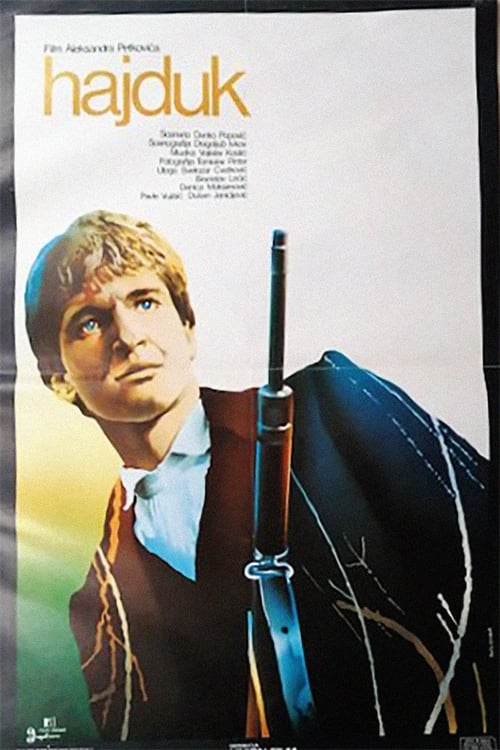
After WWI, two friends, awarded officers return to their lives in peacetime. One of them becomes a commander of the gendarme's, while the other gets into conflict with the authorities and gets imprisoned, but escapes soon. A former hero becomes an outlaw hunted by the police.
The Outlaw
More or less happy adventures of a Yugoslav People's Army unit, a friendly batch that couldn't be more ethnically diverse.
Soldiers
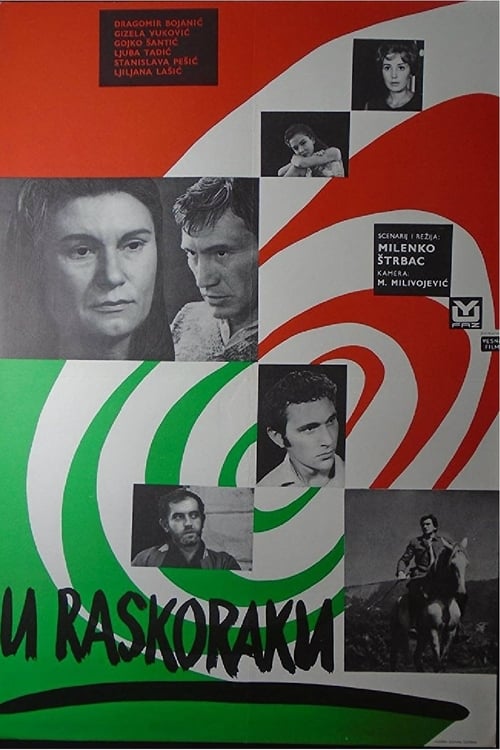
A disabled man takes on the system when his pension is tied up in a morass of red tape. His story is revealed on a television program, and the star of the show is admonished for trying to incite the public against the system. The media, the man and the television manager gather to try to talk out the misunderstandings they all experience with the system of slow-moving social injustices. The message of the film also states that the days of media scrutiny and public-opinion feedback are here to stay.
Out of Step
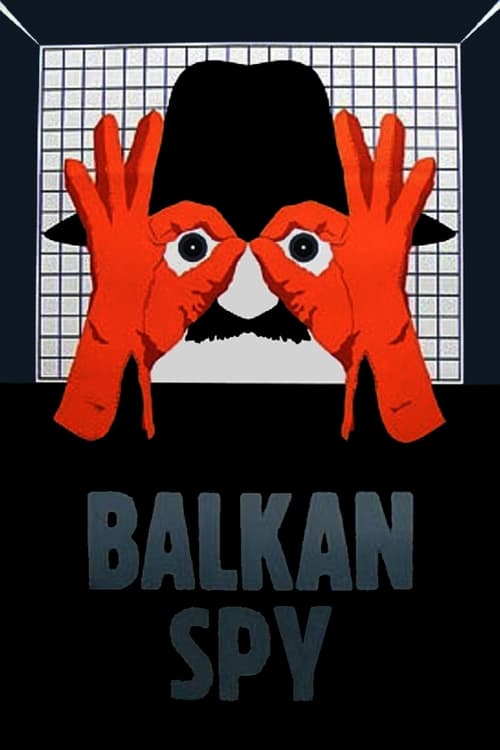
Convinced that his subtenant is a spy and an enemy of the state, Ilija Čvorović falls into deep paranoia which leads to an absurd and destructive chain of events.
Balkan Spy
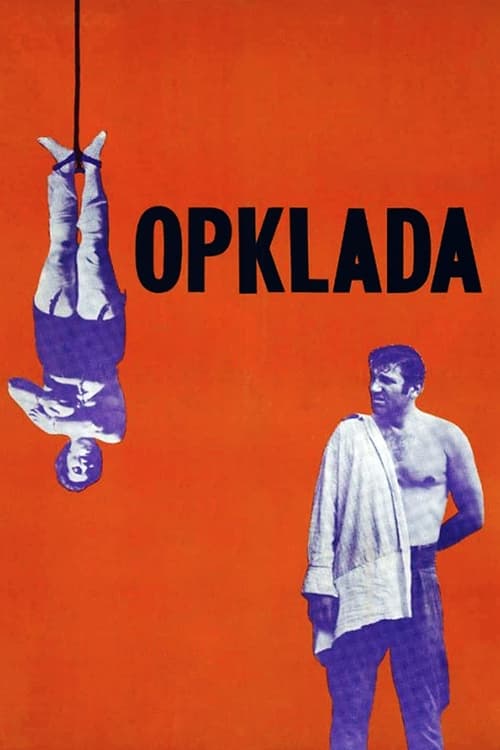
A young woman leaves her older husband, the owner of a village mill, for a truck driver whom she met while he was in their village by business. While trying to find him, she experiences the life in suburbia, and gets back to her husband disappointed, disgraced and humiliated.
The Bet
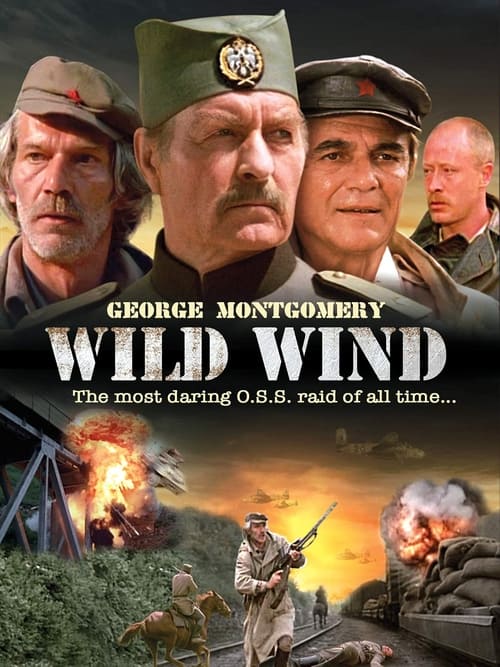
August 1943, Europe. The tentacles of the German octopus have begun to recoil. As the Nazis retreat, their concern focuses on the supply of oil from the refineries of Romania. Without the flow of "black gold", Germany's doom is sealed. Armadas of American bombers from bases in North Africa have begun to assault Pioesti - and there is another threat from the Partisans across the border of Yugoslavia. Against the tableau of spectacular events, the dramatic story of WILD WIND unfolds.
Wild Wind
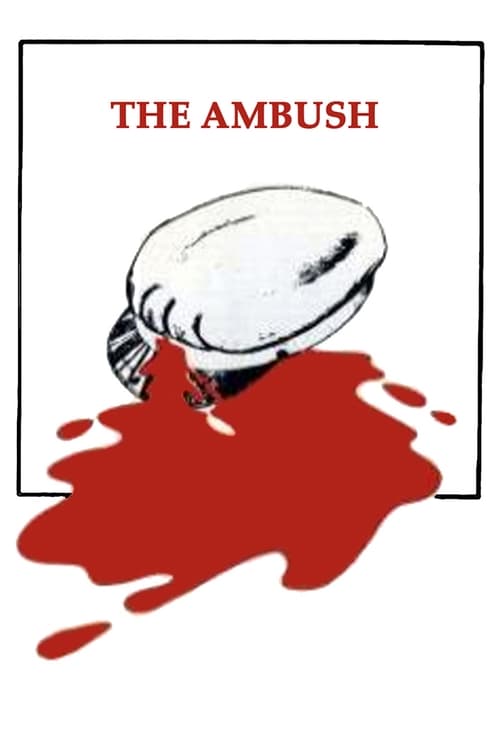
Idealistic young man supports the party and the new Yugoslavia's communist regime, but soon gets involved in various political and criminal machinations becoming more and more confused about what's right and what's wrong.
The Ambush
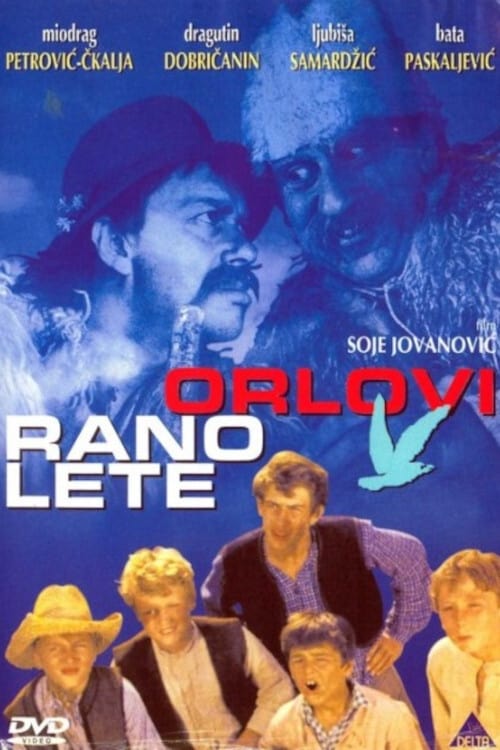
A group of kids from the Bosnian village often run away from school from the terror of Pepper, a teacher who got his nickname because of his red nose. Soon they formed a brigand division, but have been discovered and caught. The sudden arrival of year 1941 turns their game into reality.
Eagles Fly Early
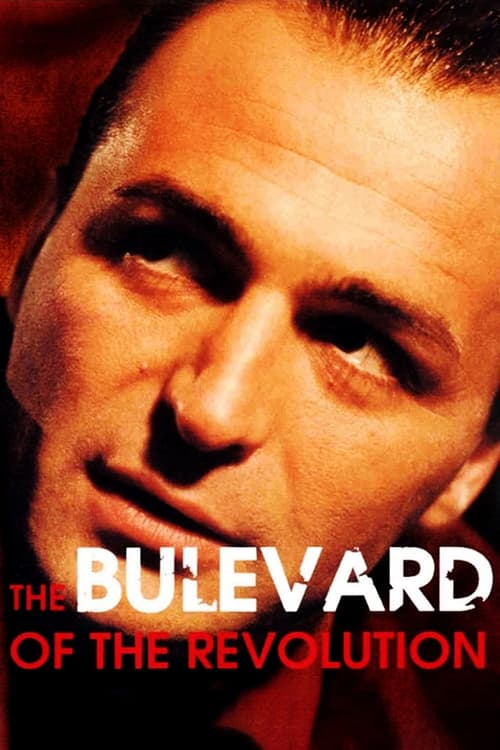
A love story between a teenager girl and a small time mob set in Belgrade during the times of great political turmoil.
Boulevard of the Revolution
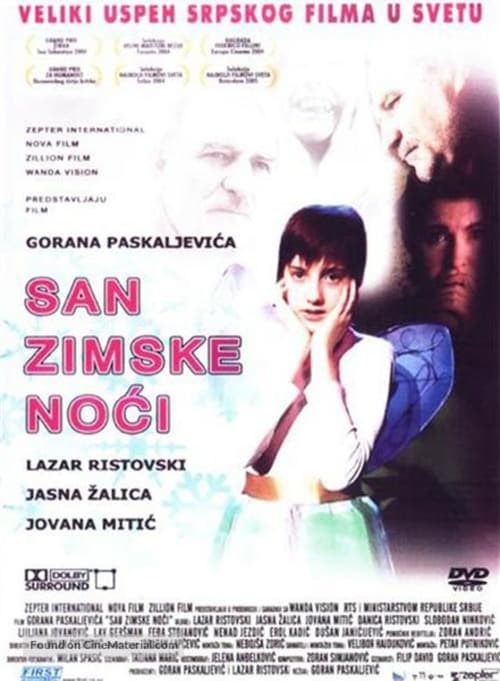
A simple story of an ex-convict who comes home after 10 years, only to find two squatters in the form of a woman and her autistic daughter. Though Lazar initially plans to kick out Jasna and Jovana, he changes his mind after seeing the squalid conditions of the shelter they are to move into. It is an allegory of the Balkan wars. When first released in Serbia, it caused some public outrage because of the sharp criticism of Serbia's role in the war.
Midwinter Night's Dream
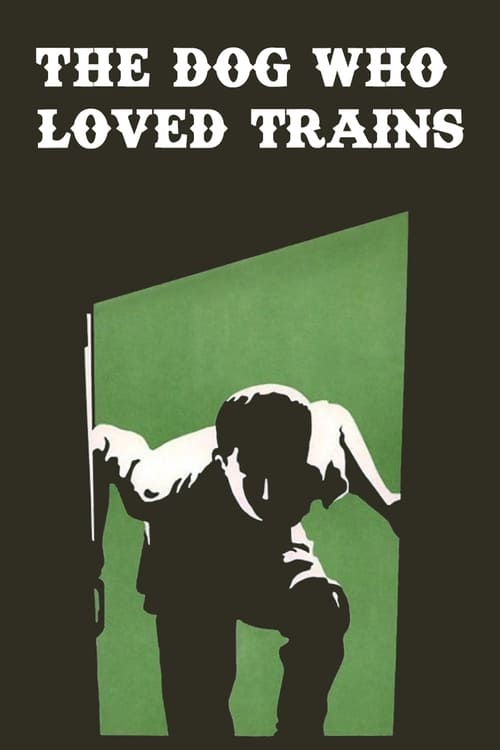
A fugitive girl, a stuntman and a young man who lost his dog quite some time before, are joining together on a trip to reach each of their own destination. A youngster gets emotionally connected to the girl, and he'd try to help her to leave the bossy stuntman, to get false passport and escape to Paris.
The Dog Who Loved Trains
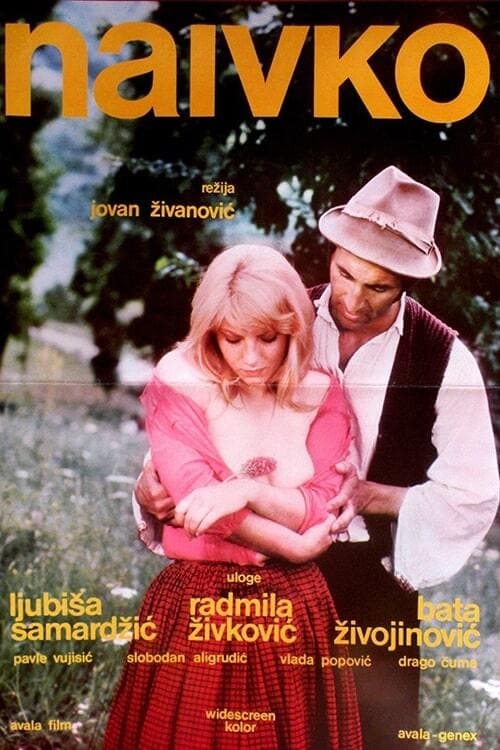
Buzga the shepherd, an object of ridicule among his fellow villagers, discovers his painting talent and becomes famous. Their envy leads them to paint themselves and try to outperform him, but after realizing that only Buzga's paintings are valued, they decide to steal his works.
A Naive Person
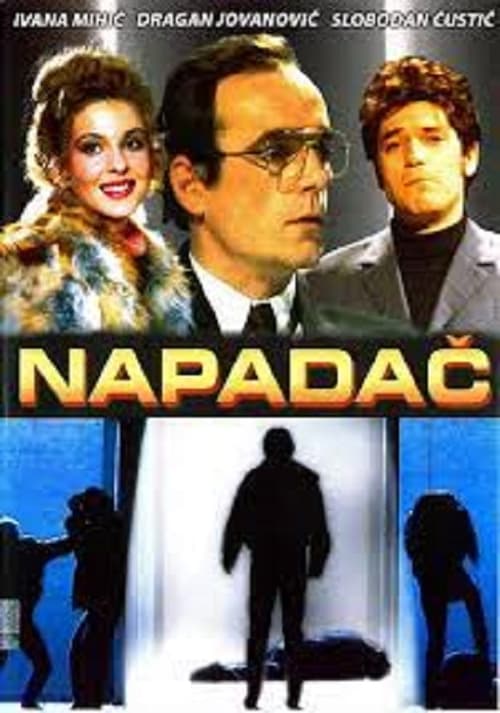
A successful man, a television presenter is living his dignified and comfortable life. And then, one night in the parking lot he gets beaten up. He does not know who attacked him, does not know why he was attacked. When a few days later he experiences another attack, his life begins to change: friends are suspicious, he gets a promotion, his girlfriend doubt his sanity ... lost, he wanders through the dark streets at night and searching for the assailants. On one such night, and I suddenly raises his hand to the unknown man...
Attacker
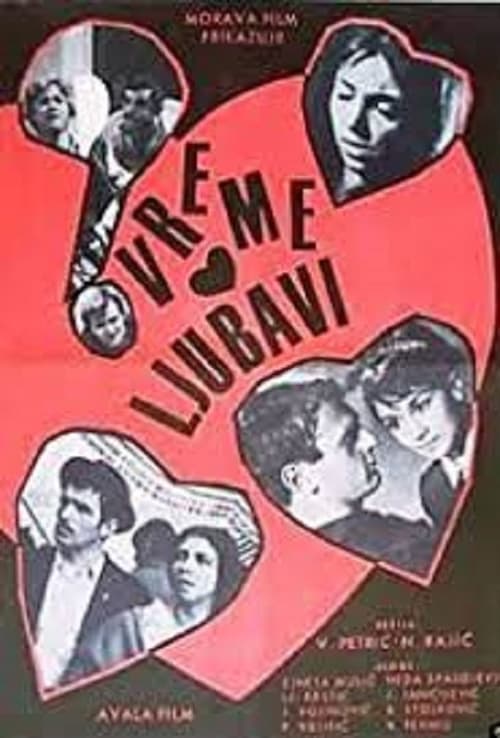
"The Time of Love" is omnibus of two parts. Part I: Experiences and growing up of a 16 years old girl without much of parents' attention. Part II: A brother looks for a husband for his sickly sister, but during that search she finds her true love.
The Time of Love
The story of a young writer who tries to save his personal identity while facing the corrupted environment and temptations of a love affair.
The Last Story
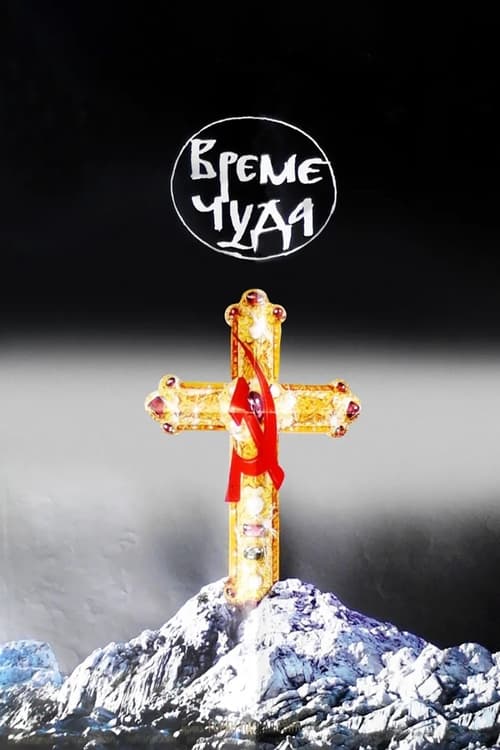
September 1945. The new communist authorities go into the church, hang the flag of the Party and paint over the old frescoes, but each time the frescoes miraculously return. A stranger comes to town and works miracles; the townsfolk are convinced he is the Messiah. Director Paskaljevic cut his TV miniseries, based on the novel by Borislav Pekic, to feature film length.