Bernard Mangiante
Directing
Known For
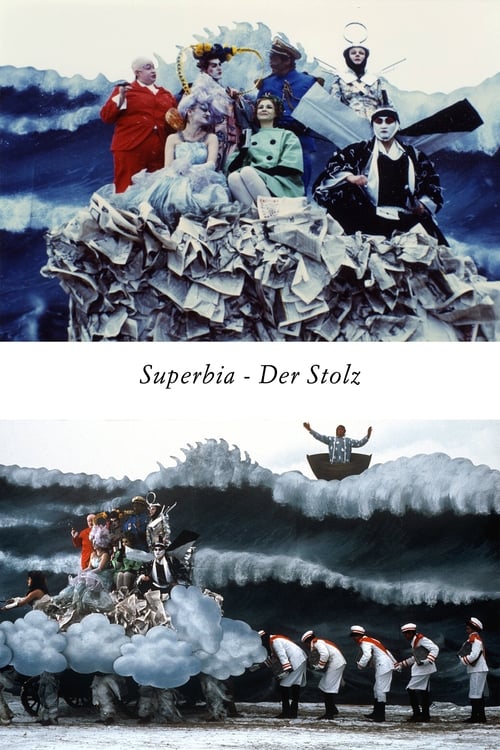
Pride is the first of the seven deadly sins. The introduction is made through early allegorical forms and figures (triumphal procession, dance of death, Baroque tragedy etc.) The triumphal procession of the giant haystack as a symbol of human vanities becomes a military parade of abrupt, functional and arrogant gestures. The most diverse musical fragments and rhythms intone the montage of details in the staged triumphal procession, juxtaposed with documentary images, including marches, ticker-tape parades and military review.
Superbia – The Pride
Documentary film about the camps in the south of France, in which Spanish civil war refugees and the volunteers of the "international brigades", non-sedentary people and Alsatian and foreign Jews were interned from 1939 onwards. Under the Vichy regime, the camps were used to intern other criminalized population groups and French Jews, who were also deported from there to extermination camps. In a mosaic of artificially framed shots, formerly interned contemporary witnesses describe their own life stories. Director Mangiante not only sheds light on the history of the camps, but also the mechanisms of personal memory.
Les camps du silence

The Making of Amour
Making of Amour

No description available.
Du train où vont les mômes

No description available.
Développement: le cas Mozambique
It is the last trial in the career of François Roux, a lawyer specialising in the defence of non-violent activists and a supporter of civil rights. He defends Kaing Guek Eav, aka Douch, considered to be one of the bloodiest tortures of our times. Douch, who directed the detention centre S21 in Phnom Penh from 1975 to 1979, is accused of torturing and executing more than 15,000 people. Kar Savuth, who was detained in the jails of the Red Khmers, is the lawyer assisting Roux in the defence of Douch. On one side Gandhi’s disciple, on the other Pol Pot’s follower, and in the middle a young aide.