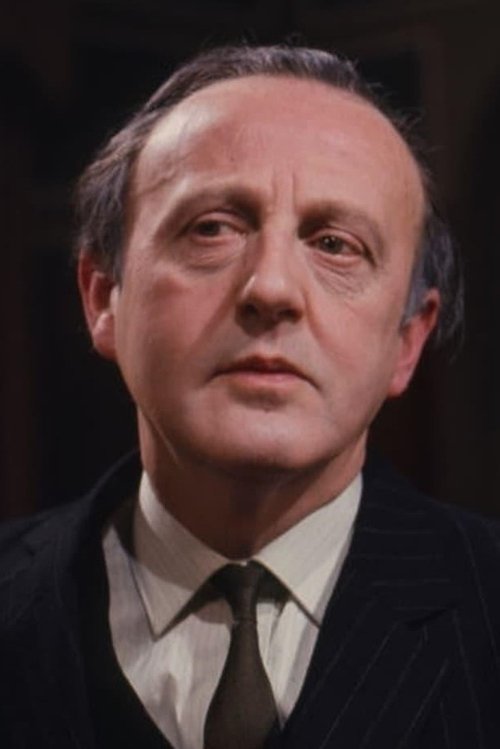
Hugh Burden
Acting
Biography
From Wikipedia Hugh Burden (3 April 1913 – 17 May 1985) was an English actor and playwright. He was the son of a colonial official and was educated at Beaumont College and trained at the Central School of Speech and Drama and RADA. He then appeared on stage in repertory theatre in Croydon and in London's West End before military service in the Hampshire Regiment and the Indian Army from 1939 to 1942. He made appearances in numerous UK television plays and series including Doctor Who: Spearhead from Space (1970), The Crezz (1976), Sykes (1979), Strange Report (1968) and The Avengers (1963). He played the title role in The Mind of Mr. J. G. Reeder (1969). His many film appearances include One of Our Aircraft Is Missing (1942), The Way Ahead (1944), Fame Is the Spur (1947), Malta Story (1953), Funeral in Berlin (1966), Blood from the Mummy's Tomb (1971) and The Ruling Class (1972). He also acted in radio plays and was known for readings of the works of authors such as T. S. Eliot and Evelyn Waugh.
Known For
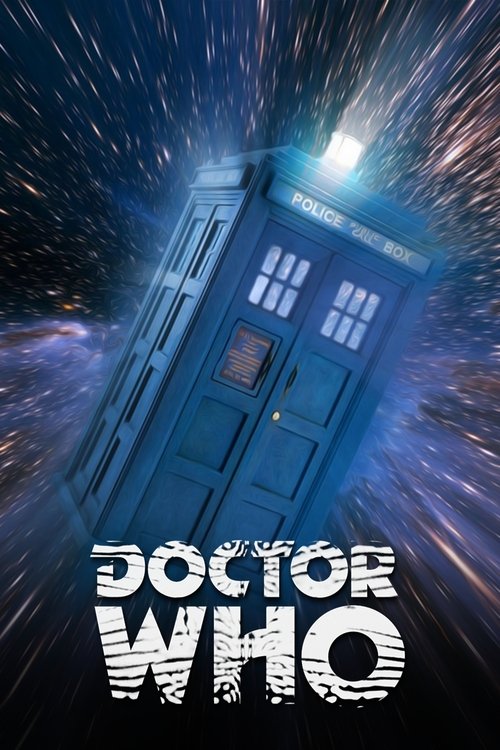
The adventures of The Doctor, a time-traveling humanoid alien known as a Time Lord. He explores the universe in his TARDIS, a sentient time-traveling spaceship. Its exterior appears as a blue British police box, which was a common sight in Britain in 1963 when the series first aired. Along with a succession of companions, The Doctor faces a variety of foes while working to save civilizations, help ordinary people, and right many wrongs.
Doctor Who
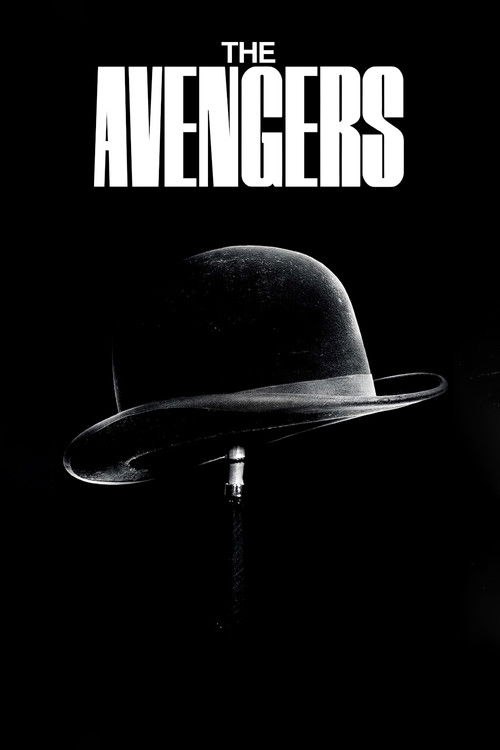
A quirky spy show of the adventures of eccentrically suave British Agent John Steed and his predominantly female partners. Jonathan Steed - an urbane, proper gentleman spy - teams with various assistants throughout the series' run, including Dr. David Keel, Cathy Gale, Emma Peel and Tara King, to repeatedly save the world from diabolical schemes plotted by equally diabolical evil-doers (among them robots and man-eating monsters).
The Avengers

Crown Court is an afternoon television courtroom drama produced by Granada Television for the ITV network that ran from 1972, when the Crown Court system replaced Assize courts and Quarter sessions in the legal system of England and Wales, to 1984.
Crown Court
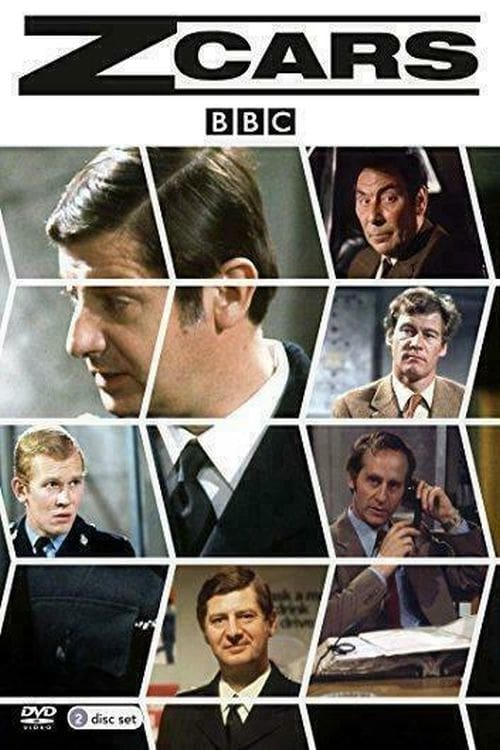
Z-Cars or Z Cars is a British television drama series centred on the work of mobile uniformed police in the fictional town of Newtown, based on Kirkby, Merseyside. Produced by the BBC, it debuted in January 1962 and ran until September 1978.
Z-Cars
A one-hour anthology television series of one-off contemporary and classic dramas produced by the BBC.
Playhouse
ITV Playhouse is a British comedy-drama TV series that ran from 1967 to 1983, which featured contributions from playwrights such as Dennis Potter, Rhys Adrian and Alan Sharp. The series began in black and white, but was later shot in colour and was produced by various companies for the ITV network, a format that would inspire Dramarama. Actors appearing in the series included Leslie Anderson, Gwen Nelson, Ricky Alleyne, Pat Heywood, Michael Elphick, Ian Hendry, Edward Woodward, Margaret Lockwood, Jessie Matthews and Lloyd Peters.
ITV Playhouse

Theatre 625 is a British television drama anthology series, produced by the BBC and transmitted on BBC2 from 1964 to 1968. It was one of the first regular programmes in the line-up of the channel, and the title referred to its production and transmission being in the higher-definition 625-line format, which only BBC2 used at the time.
Theatre 625
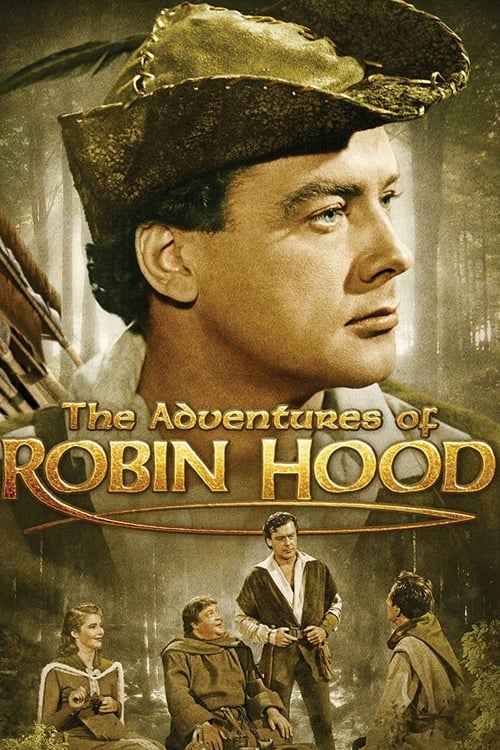
The legendary character Robin Hood and his band of merry men in Sherwood Forest and the surrounding vicinity. While some episodes dramatised the traditional Robin Hood tales, most episodes were original dramas created by the show's writers and producers.
The Adventures of Robin Hood
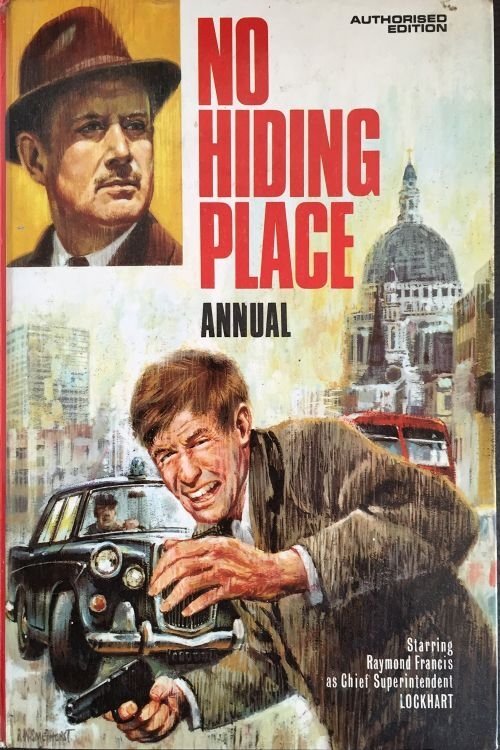
No Hiding Place is a British television series that was produced at Wembley Studios by Associated-Rediffusion for the ITV network between 16 September 1959 and 22 June 1967. It was the sequel to the series Murder Bag and Crime Sheet, all starring Raymond Francis as Detective Superintendent, later Detective Chief Superintendent Tom Lockhart.
No Hiding Place

Sunday Night Theatre was a long-running series of televised live television plays screened by BBC Television from early 1950 until 1959. The productions for the first five years or so of the run were re-staged live the following Thursday, partly because of technical limitations in this era, and the theatrical basis of early television drama. Some of the earliest collaborations between Rudolph Cartier and Nigel Neale were produced for this series, including Arrow to the Heart and Nineteen Eighty-Four. The Sunday night drama slot was subsequently renamed The Sunday-Night Play which ran for four seasons between 1960 and 1963. ITV transmitted its own unrelated run of Sunday Night Theatre between 1971 and 1974.
Sunday Night Theatre
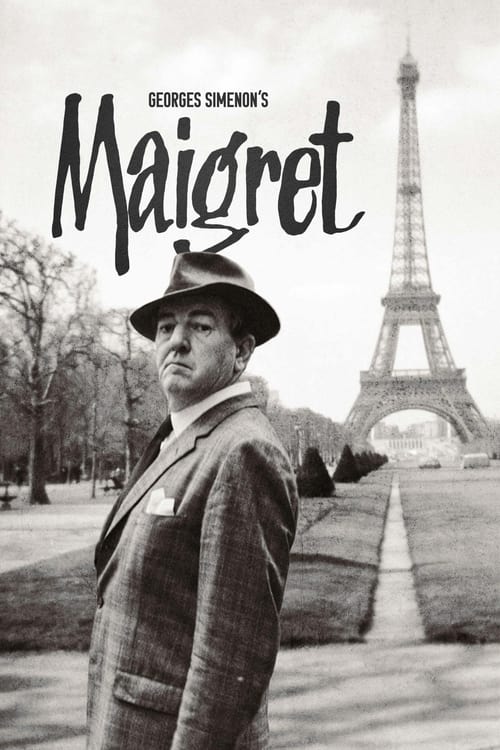
BBC series based on the novels by Georges Simenon which starred Rupert Davies as Inspector Maigret, a French police detective who preferred to watch and listen in order to solve crimes. The series ran from 1960-63 on British television.
Maigret
An anthology of short plays shown on BBC Television between 1965 and 1973, used in part at least as a training ground for new writers, on account of its short length, and which therefore attracted many writers who later became well known.
Thirty-Minute Theatre
An anthology of plays and novels adapted into feature length TV movies, broadcast on BBC2 from September 1977 to April 1979.
BBC2 Play of the Week
Drama 61-67 is anthology drama series which took a different title, based on year of transmission, each year. It alternated with Armchair Theatre from ABC in the Sunday evening slot. The series was described at the time as epitomising ATV drama.
Drama 61-67
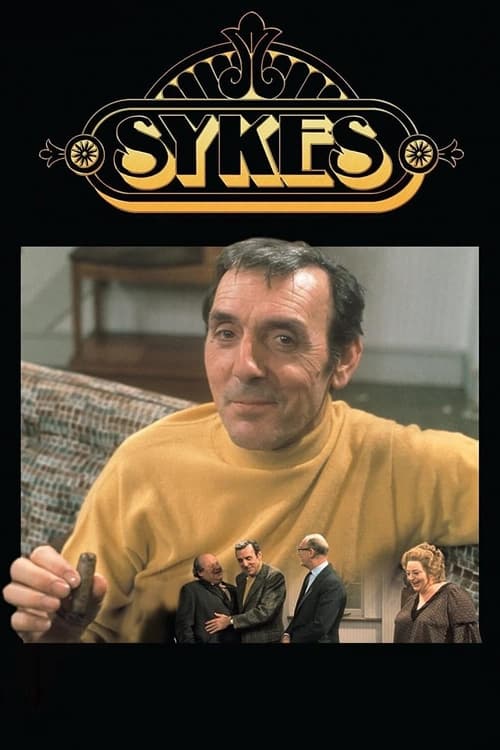
Classic sitcom starring Eric Sykes and Hattie Jacques as brother and sister twins who have to tackle the trials and tribulations of suburban life.
Sykes
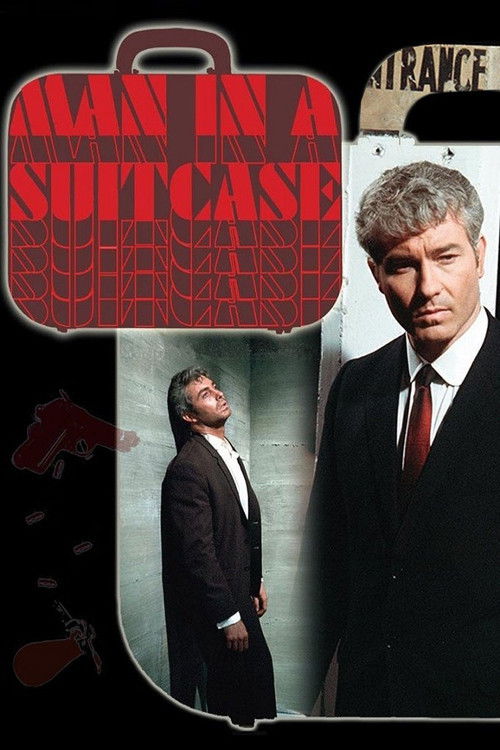
Accused of treason, a former U.S. intelligence officer based in London tries to clear his name, taking on freelance jobs around Europe as he searches for answers.
Man in a Suitcase
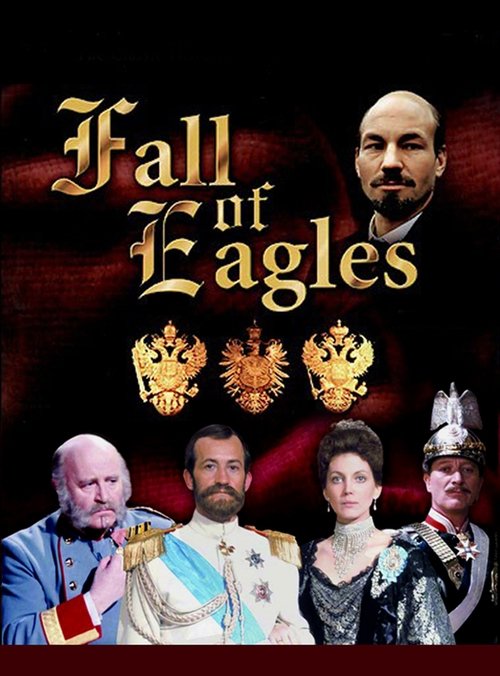
"Fall of Eagles" is a 13-part British television drama aired by the BBC in 1974. The series portrays historical events from 1848 to 1918, dealing with the collapse of the ruling dynasties of Austria-Hungary (the Habsburgs), Germany (the Hohenzollerns) and Russia (the Romanovs).
Fall of Eagles
Anthology series telling suspenseful tales.
Suspense
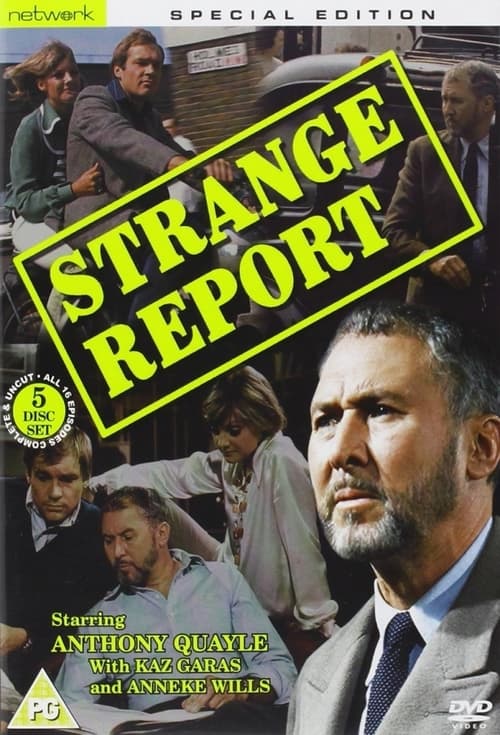
Adam Strange, a retired Home Office criminologist, solves bizarre cases – which have been marked "Open File" by various government departments – with the help of Hamlyn Gynt, Evelyn and Professor Marks. He employs the latest techniques in forensic investigation, which he undertakes in his own laboratory in his flat in Warwick Crescent in the Maida Vale/Little Venice area of Paddington.
Strange Report
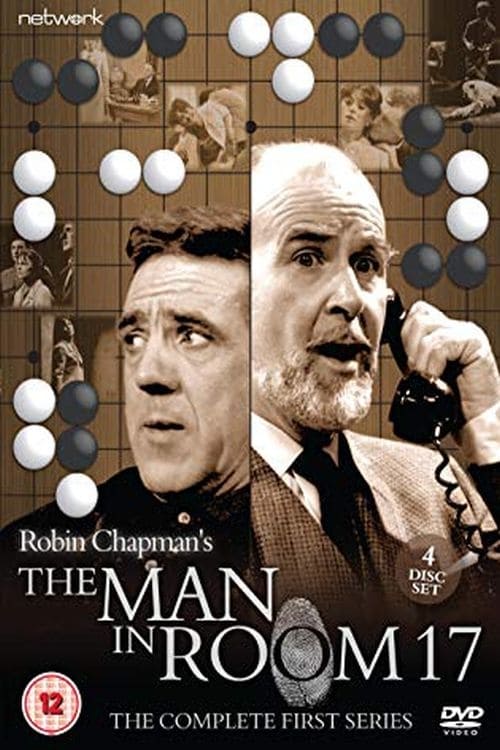
The Man in Room 17 is a British television series which ran for two seasons in the mid-1960s, produced by the Northern ITV franchise, Granada Television. Key to the series' success was the involvement of writer/producer Robin Chapman. The show was set in Room 17 of the Department of Social Research, where former wartime agent-turned-criminologist Edwin Oldenshaw solved difficult police cases through theory and discussions with his assistants. The novelty of the series was that Oldenshaw and his colleagues never needed to leave their office in order to resolve cases, preferring to spend their time playing the Japanese board game of Go. They simply provided their prognosis and left the police to do the cleaning up. Different directors were often appointed to film the Room 17 and outside-world scenes independently, to maintain a sense of distance between the two worlds.