Acting
No description available.
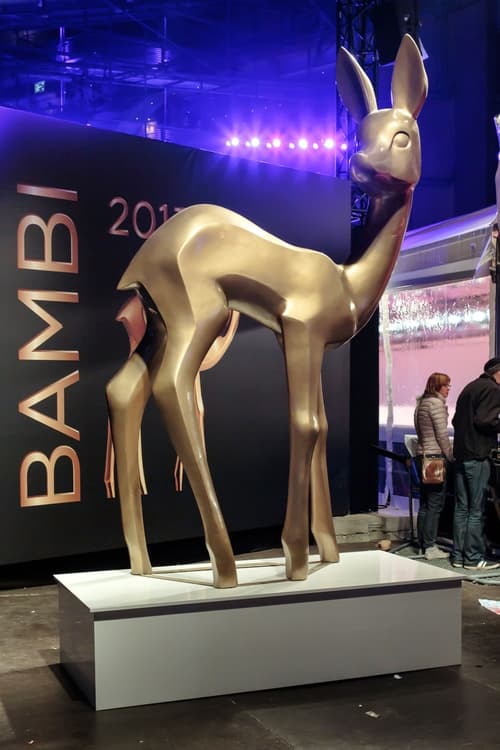
The Bambi, often called the Bambi Award and stylised as BAMBI, is a German award presented annually by Hubert Burda Media to recognize excellence in international media and television to personalities in the media, arts, culture, sports, and other fields "with vision and creativity who affected and inspired the German public that year", both domestic and foreign. First held in 1948, it is the oldest media award in Germany. The trophy is named after Felix Salten's book Bambi, A Life in the Woods and its statuettes are in the shape of the novel's titular fawn character. They were originally made of porcelain until 1958, when the organizers switched to using gold, with the casting done by the art casting workshop of Ernst Strassacker in Süßen.
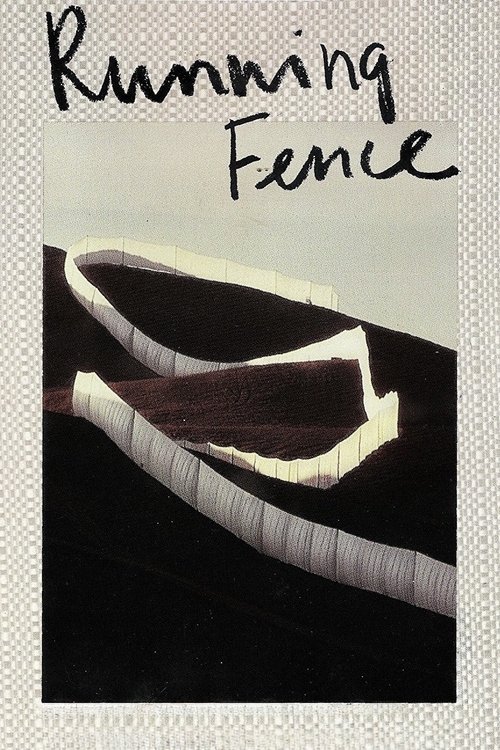
Second in the series by the Maysles brothers documenting the monuments/sculptures of Christo, whose art projects are landscape-scaled, and more "pop" performance art designed to question how we relate to art in the public sphere, especially when it's as oblique, non-political (at least, that is what he would claim), and neutral as running a fence through a landscape.
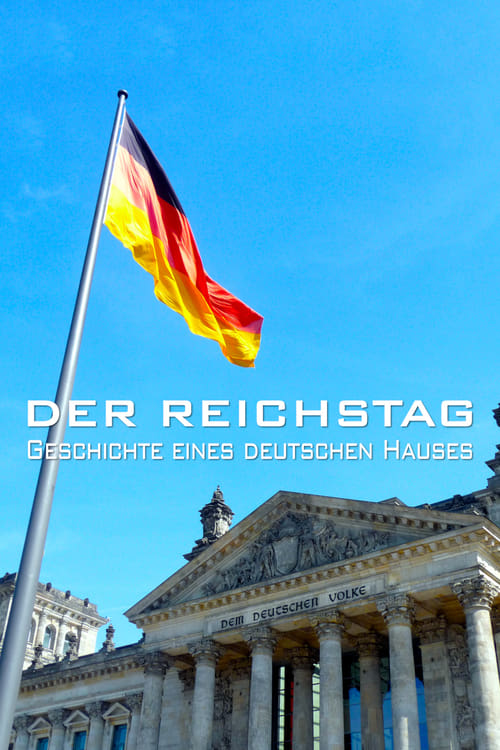
Docudrama telling the story of a building with a breath taking career that began in the empire, flourished in the Weimar Republic, perished in the Nazi dictatorship, and was rebuilt after its partial destruction.
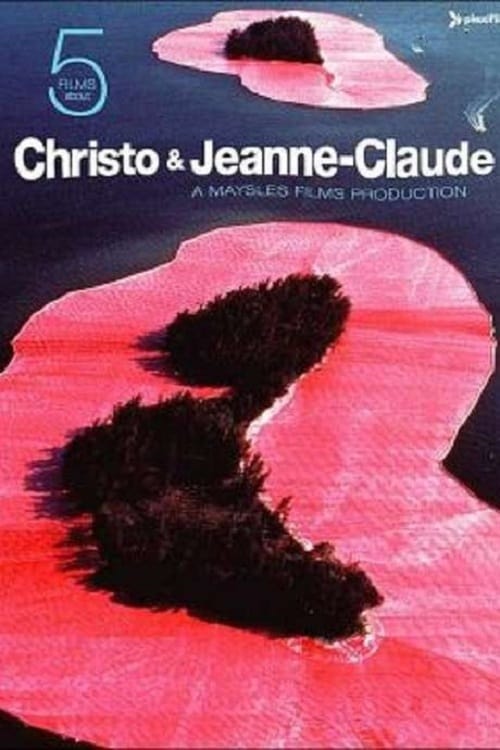
The Maysles' third film about the artists sees them trying to get three projects off the ground: wrapping the Pont Neuf, the oldest bridge in Paris; wrapping the Reichstag; and surrounding eleven man-made islands in Florida with pink plastic sheets. As the latter is the only one that gets approval, it gets the bulk of this film.
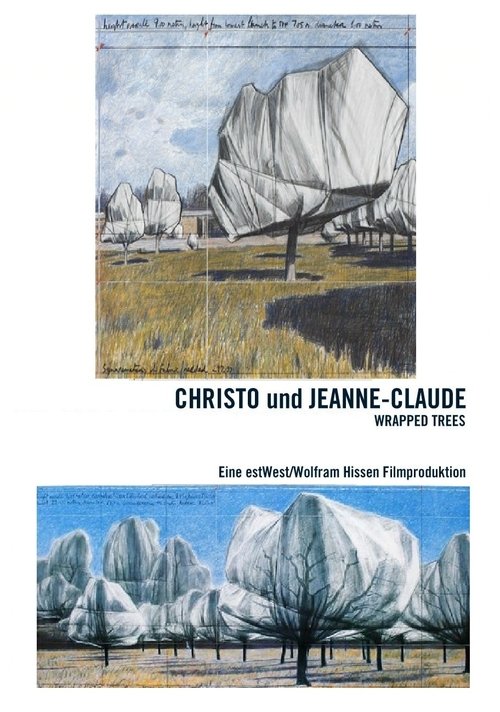
The Hissen Brothers document Christo and Jean-Claude's project "Wrapped Trees" in Switzerland.
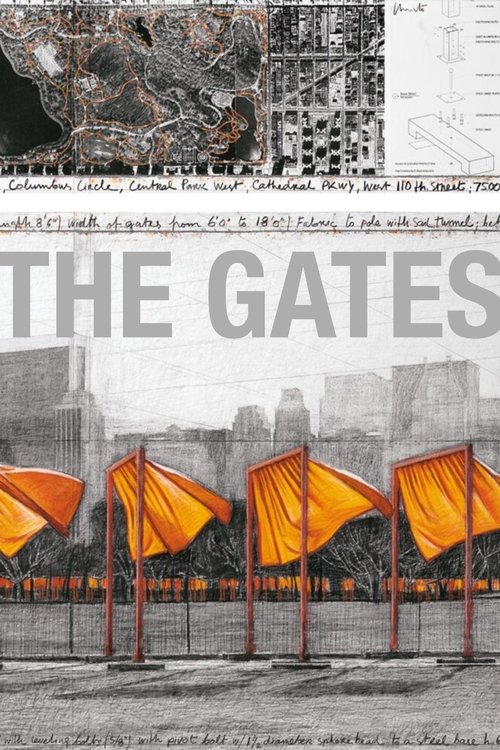
A documentary on New York City’s biggest public art project ever, an installation called “The Gates” by Christo and Jeanne Claude.
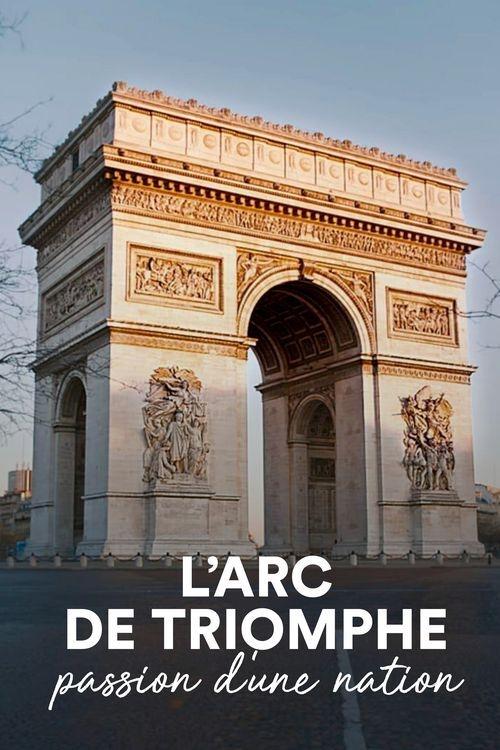
The pride of Napoleon's victories, the Arc de Triomphe, whose first stone was laid in 1806 at the top of the Champs-Élysées, is, along with the Eiffel Tower, one of the most visited monuments in the French capital. Wanted by an emperor, inaugurated under the reign of a king (Louis-Philippe) and sanctuarized by the Republic, this patriotic temple polarizes the passions of a whole nation. A historical portrait before "packaging", which teems with anecdotes and unsuspected details.
An uncensored look into the artistic process and personal relationships of Christo, an artist known for his large-scale installations. For the first time since the passing of his wife and partner, Jeanne-Claude, Christo sets out to realize, The Floating Piers, a project they conceived together many years before.
With their spectacular ephemeral works of art, the visual artists Christo and Jeanne-Claude had made prestigious monuments rediscovered under a new light, from the Pont-Neuf to the Reichstag. An enlightening portrait of an artist couple who became stars.
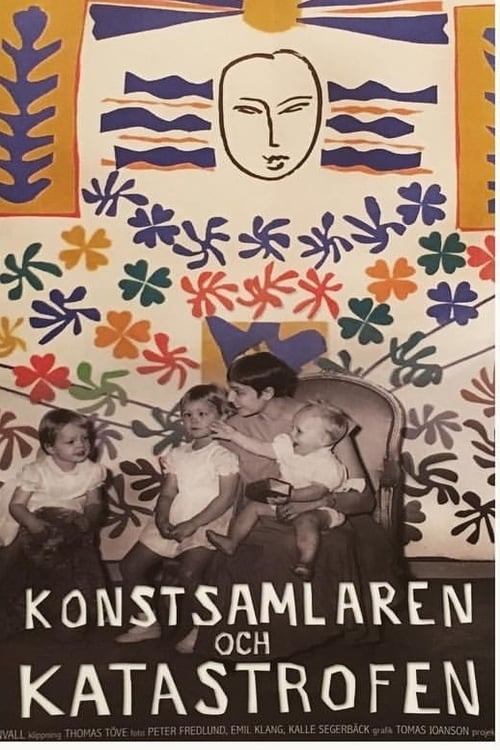
"The Art-collector and the catastrophe" - The untold story of how Sweden lost a world class art collection. Private art collector Theodor "Teto" Ahrenberg obtained art directly by artists like Picasso, Chagall and Matisse. He became friends with the international artists elite. And therefore developed a conflict with the Swedish art establishment. The Director of the Modern museum Pontus Hultén became his nemesis. Revenge to Theodor Ahrenberg would be creating his own art museum of Stockholm. Designed by world-famous architect Le Corbusier.
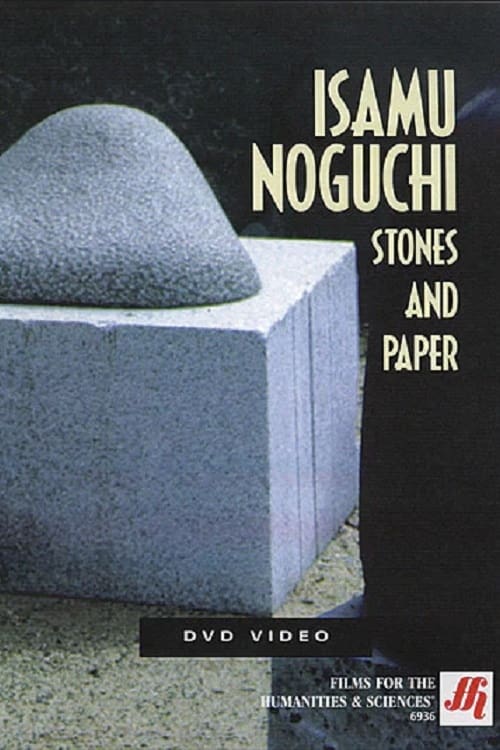
Isamu Noguchi was a sculptor, designer, architect, and craftsman. Throughout his life he struggled to see, alter, and recreate his natural surroundings. His gardens and fountains were transformations meant to bring out the beauty their locations had always possessed.
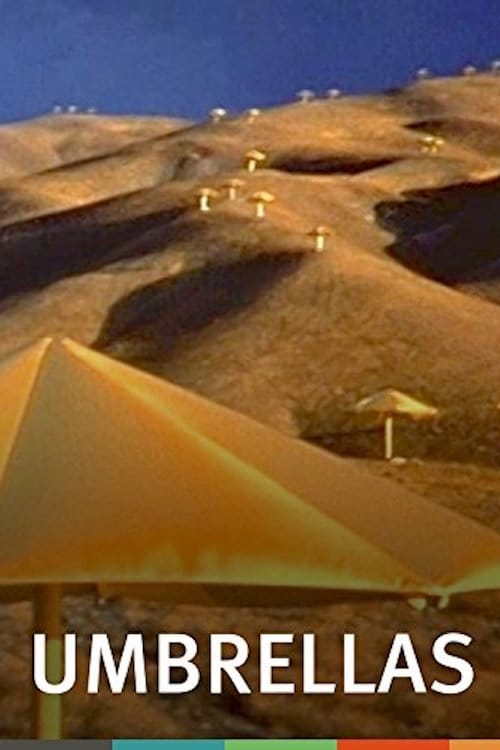
A documentary about artists Christo and Jeanne-Claude's 1991 grand-scale environmental art project in Japan and California.
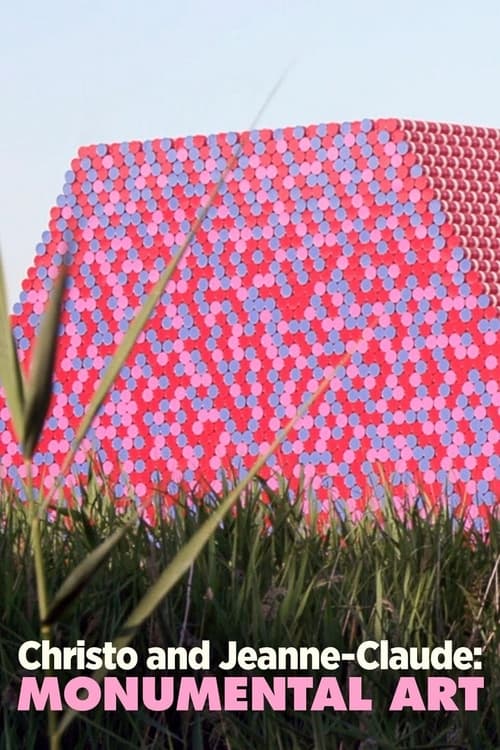
In the summer of 2018, on the Serpentine in London's Hyde Park, world-renowned artist Christo created his first public work of art in the UK. Inspired by ancient Mesopotamian tombs, the Mastaba is constructed from 7,506 painted oil barrels and weighs six hundred tonnes. It is the latest work in a career spanning half a century and stretching across the world. His work to date have included surrounding 11 islands off the Florida coast with pink polypropylene and wrapping Berlin's Reichstag and the Pont Neuf in Paris. This programme charts the creation of the Mastaba - from the first barrels being put on the water to its final unveiling - and paints a portrait of Christo as he looks back on a life spent making provocative works of art with his wife and partner Jeanne-Claude.
The two Yavashev brothers have been living apart for 26 years on the opposite sides of the iron curtain. Confined in the communist Bulgaria Anani Yavashev remains just an ordinary artist. Christo escapes from the country in 1956 and becomes a world-famous modern artist. Two destinies embody the hopes and illusions of two different worlds.
A portrait of the American artist Ray Johnson (1927-1995), based on a personal interpretation of Johnson’s avant-garde strategies, using the telephone and the internet as primary sources for sound and image.
Beginning with their small wrapped objects of 1958, this portrait examines the continuously bold and ambitious artistic ventures of the enigmatic duo, CHRISTO AND JEANNE-CLAUDE. Though their large scale environmental projects, such as Running Fence and Wrapped Coast, are often met with distress and concern from the surrounding community, perceptions of the project are likely to shift when it comes time to interact with the grand, finished piece. Neither permanent nor purchasable, Christo and Jeanne-Claude’s works exude the essence of freedom and exist only for the sake of existing.
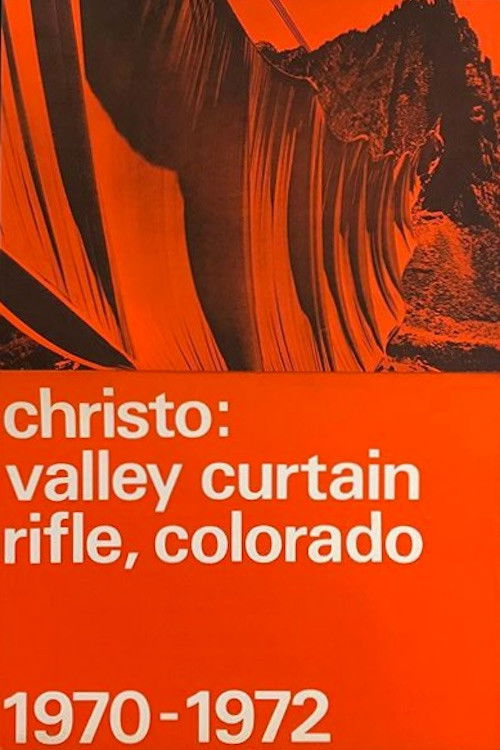
This Oscar-nominated documentary follows Christo and Jeanne-Claude as they conceive and execute Valley Curtain, an immense orange fabric installation stretched across a Colorado mountain pass. Filmed in a direct-cinema style, "Christo’s Valley Curtain" observes the negotiations, engineering challenges, and collective labor that shape the artwork, revealing the process itself as an essential part of the final creation.