Acting
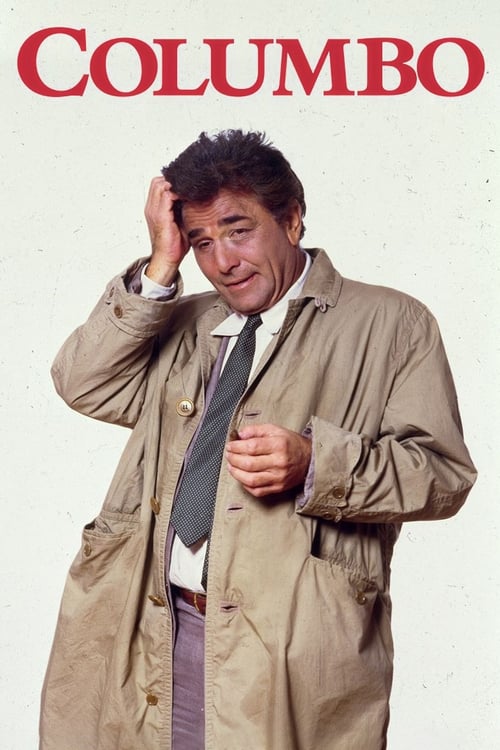
Columbo is a friendly, verbose, disheveled-looking police detective who is consistently underestimated by his suspects. Despite his unprepossessing appearance and apparent absentmindedness, he shrewdly solves all of his cases and secures all evidence needed for indictment. His formidable eye for detail and meticulously dedicated approach often become clear to the killer only late in the storyline.
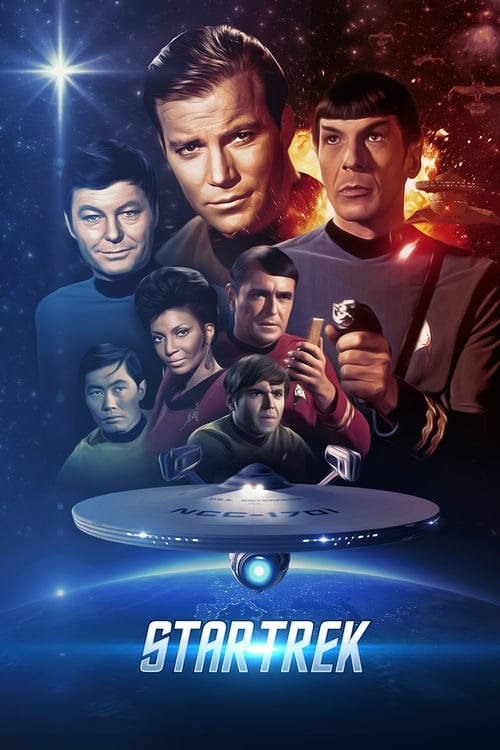
Space. The Final Frontier. The U.S.S. Enterprise embarks on a five year mission to explore the galaxy. The Enterprise is under the command of Captain James T. Kirk with First Officer Mr. Spock, from the planet Vulcan. With a determined crew, the Enterprise encounters Klingons, Romulans, time paradoxes, tribbles and genetic supermen led by Khan Noonian Singh. Their mission is to explore strange new worlds, to seek new life and new civilizations, and to boldly go where no man has gone before.
Richard Kimble is falsely convicted of his wife's murder and given the death penalty. En route to death row, Kimble's train derails and crashes, allowing him to escape and begin a cross-country search for the real killer, a "one-armed man". At the same time, Dr. Kimble is hounded by the authorities, most notably dogged by Police Lieutenant Philip Gerard.
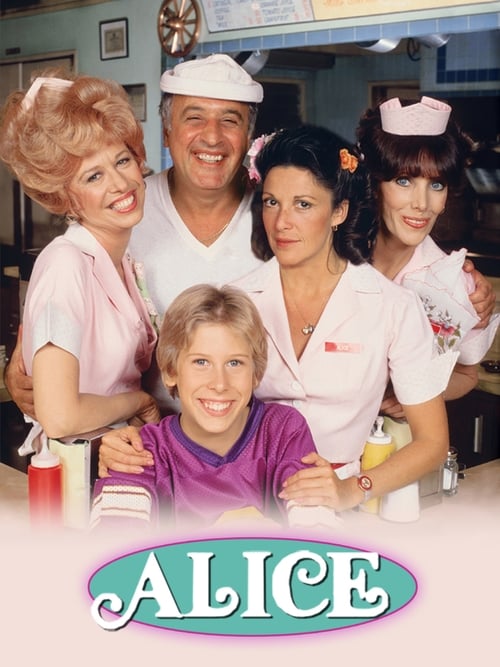
Alice is an American sitcom television series that ran from August 31, 1976 to March 19, 1985 on CBS. The series is based on the 1974 film Alice Doesn't Live Here Anymore. The show stars Linda Lavin in the title role, a widow who moves with her young son to start her life over again, and finds a job working at a roadside diner on the outskirts of Phoenix, Arizona. Most of the episodes revolve around events at Mel's Diner.
ER explores the inner workings of an urban teaching hospital and the critical issues faced by the dedicated physicians and staff of its overburdened emergency room.
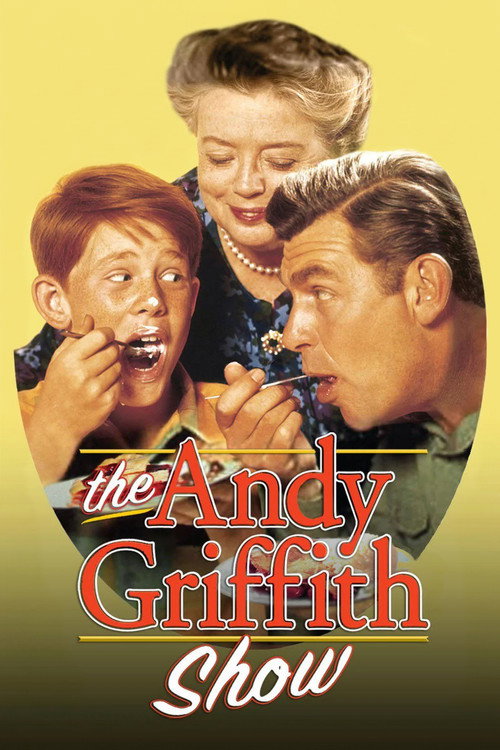
Andy Taylor is the widowed sheriff of the fictional small community of Mayberry, North Carolina. His life is complicated by an inept, but well-meaning deputy, Barney Fife, a spinster aunt and housekeeper, Aunt Bee, and a precocious young son, Opie. Local ne'er-do-wells, bumbling pals, and temperamental girlfriends further complicate his life.
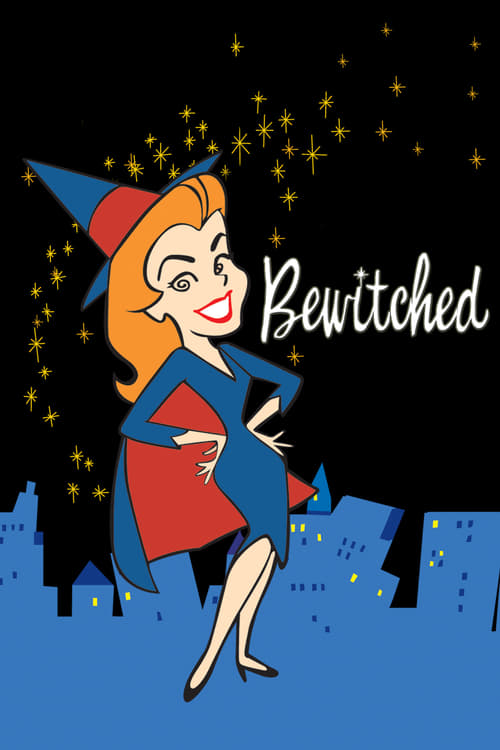
Samantha Stephens is a seemingly normal suburban housewife who also happens to be a genuine witch, with all the requisite magical powers. Her husband Darrin insists that Samantha keep her witchcraft under wraps, but situations invariably require her to indulge her powers while keeping her bothersome mother Endora at bay.
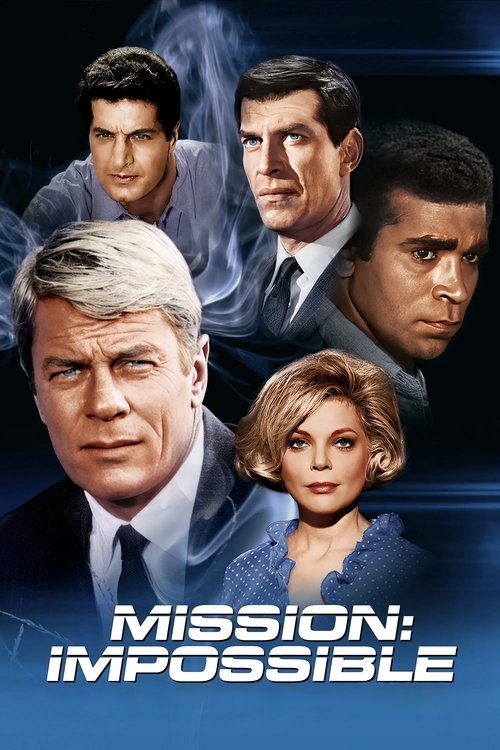
Mission: Impossible is an American television series that was created and initially produced by Bruce Geller. It chronicles the missions of a team of secret government agents known as the Impossible Missions Force. In the first season, the team is led by Dan Briggs, played by Steven Hill; Jim Phelps, played by Peter Graves, takes charge for the remaining seasons. A hallmark of the series shows Briggs or Phelps receiving his instructions on a recording that then self-destructs, followed by the theme music composed by Lalo Schifrin. The series aired on the CBS network from September 1966 to March 1973, then returned to television for two seasons on ABC, from 1988 to 1990, retaining only Graves in the cast. It later inspired a popular series of theatrical motion pictures starring Tom Cruise, beginning in 1996.
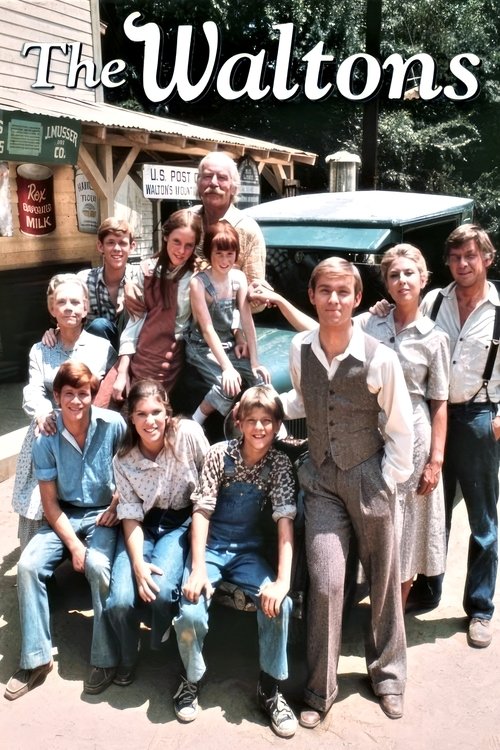
The Waltons live their life in a rural Virginia community during the Great Depression and World War II.
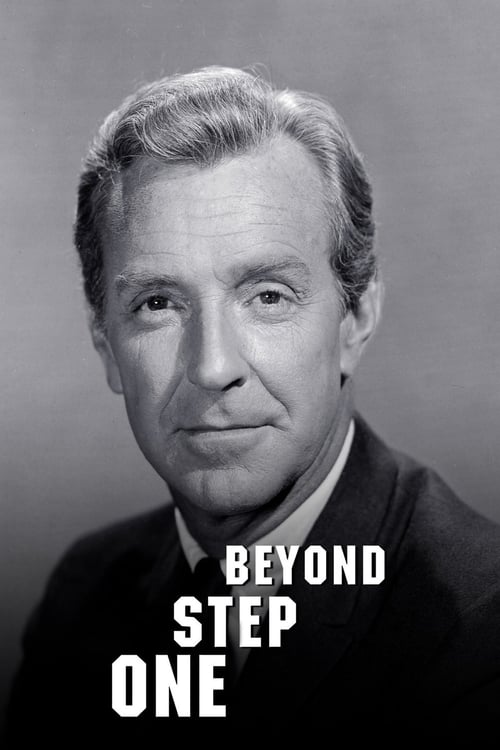
Alcoa Presents: One Step Beyond is an American anthology series created by Merwin Gerard. The original series ran for three seasons on ABC from January 1959 to July 1961.
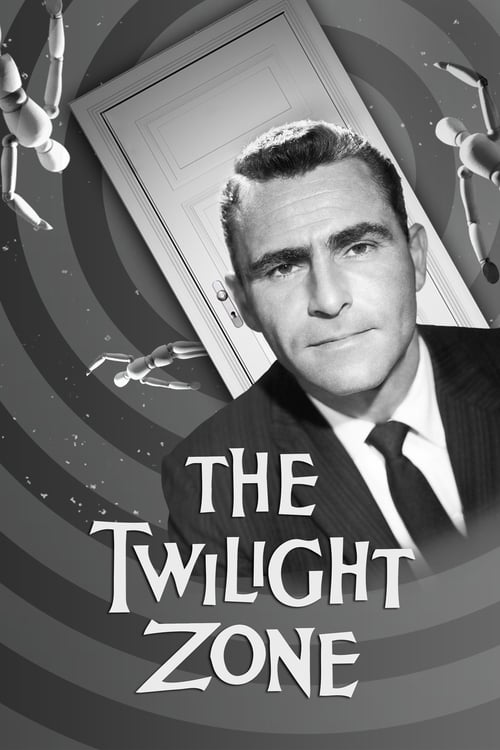
An anthology series containing drama, psychological thriller, fantasy, science fiction, suspense, and/or horror, often concluding with a macabre or unexpected twist.
The Shiloh Ranch in Wyoming Territory of the 1890s is owned in sequence by Judge Henry Garth, the Grainger brothers, and Colonel Alan MacKenzie. It is the setting for a variety of stories, many more based on character and relationships than the usual western.
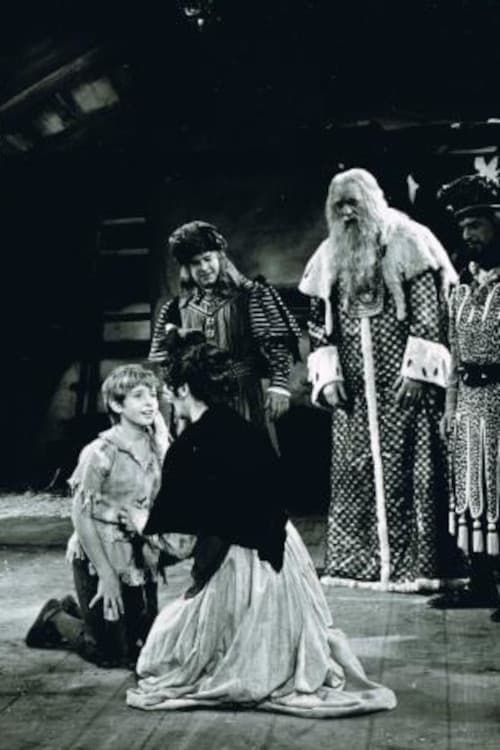
Matinee Theater is an American anthology series that aired on NBC during the Golden Age of Television, from 1955 to 1958. The series, which ran daily in the afternoon, was frequently live. It was produced by Albert McCleery, Darrell Ross, George Cahan and Frank Price with executive producer George Lowther. McCleery had previously produced the live series Cameo Theatre which introduced to television the concept of theater-in-the-round, TV plays staged with minimal sets. Jim Buckley of the Pewter Plough Playhouse recalled: When Al McCleery got back to the States, he originated a most ambitious theatrical TV series for NBC called Matinee Theater: to televise five different stage plays per week live, airing around noon in order to promote color TV to the American housewife as she labored over her ironing. Al was the producer. He hired five directors and five art directors. Richard Bennett, one of our first early presidents of the Pewter Plough Corporation, was one of the directors and I was one of the art directors and, as soon as we were through televising one play, we had lunch and then met to plan next week’s show. That was over 50 years ago, and I’m trying to think; I believe the TV art director is his own set decorator —yes, of course! It had to be, since one of McCleery’s chief claims to favor with the producers was his elimination of the setting per se and simply decorating the scene with a minimum of props. It took a bit of ingenuity.
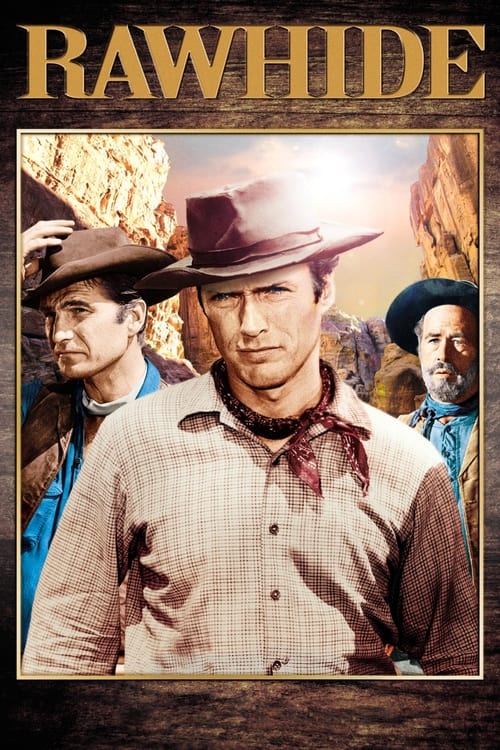
The tale of trail boss Gil Favor and his trusty foreman Rowdy Yates as they drives cattle across the old west. Along the way they meet up with adventure and drama.
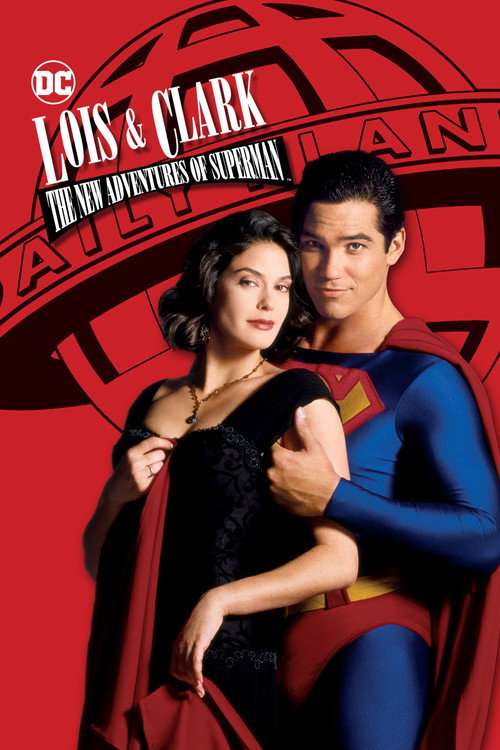
A much more lavish version of the popular Superman television series which had first aired forty years earlier, Lois & Clark focused more on the Man of Steel's early adult years in Metropolis. With the unknowing help of Lois Lane, Clark Kent created Superman there in Metropolis after finding work at the world-famous Daily Planet newspaper, where he meets fellow reporter Lois Lane.
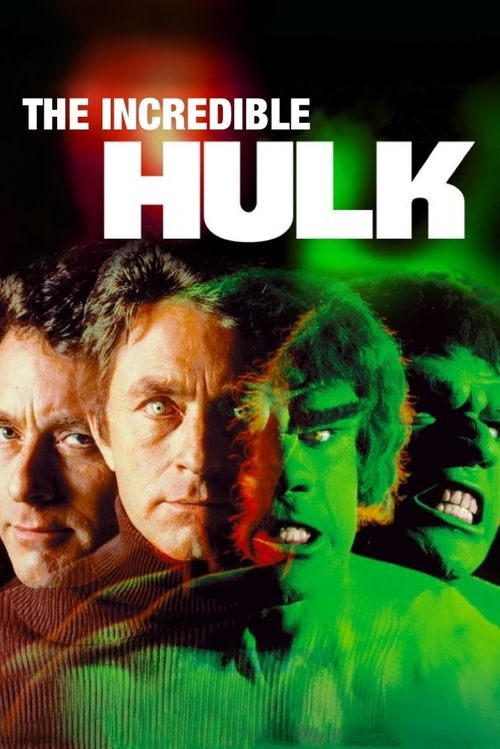
During an experiment gone bad, radiation turns a scientist into a raging green behemoth whenever he becomes agitated. Unable to control his transformations, David Banner searches for a cure as he crosses the country, fugitive-style, with a dogged tabloid reporter on his trail.
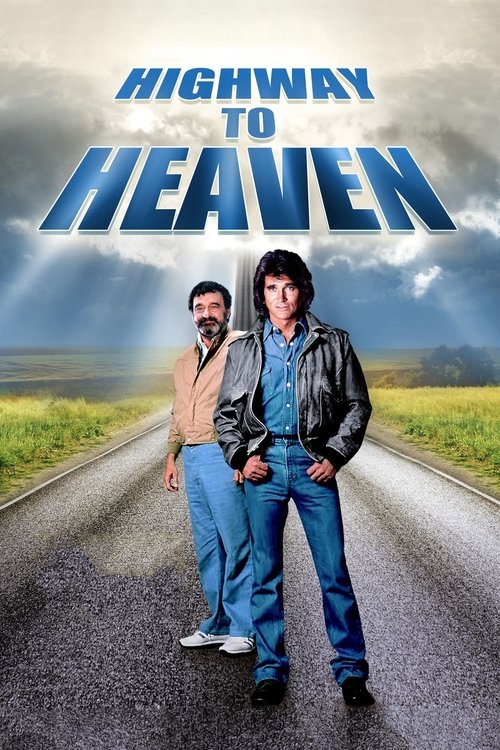
A probationary angel is sent back to Earth to team up with an ex-cop and help people.
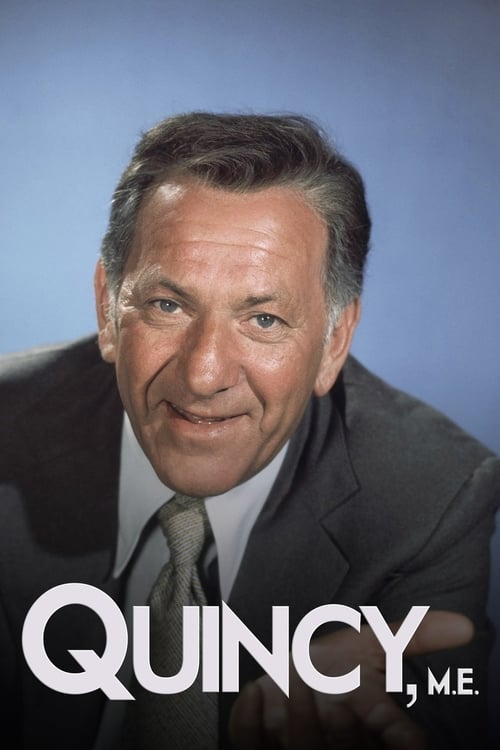
Los Angeles County medical examiner Quincy routinely engages in police investigations.
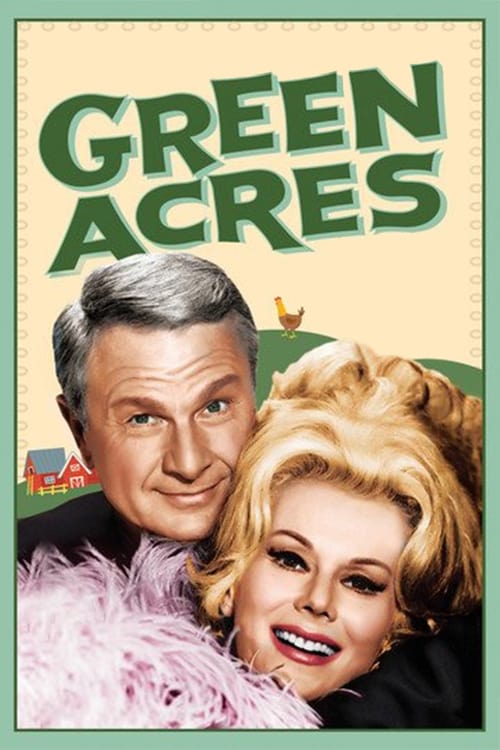
Green Acres is an American sitcom starring Eddie Albert and Eva Gabor as a couple who move from New York City to a rural country farm. Produced by Filmways as a sister show to Petticoat Junction, the series was first broadcast on CBS, from September 15, 1965 to April 27, 1971. Receiving solid ratings during its six-year run, Green Acres was cancelled in 1971 as part of the "rural purge" by CBS. The sitcom has been in syndication and is available in DVD and VHS releases. In 1997, the two-part episode "A Star Named Arnold is Born" was ranked #59 on TV Guide's 100 Greatest Episodes of All Time.
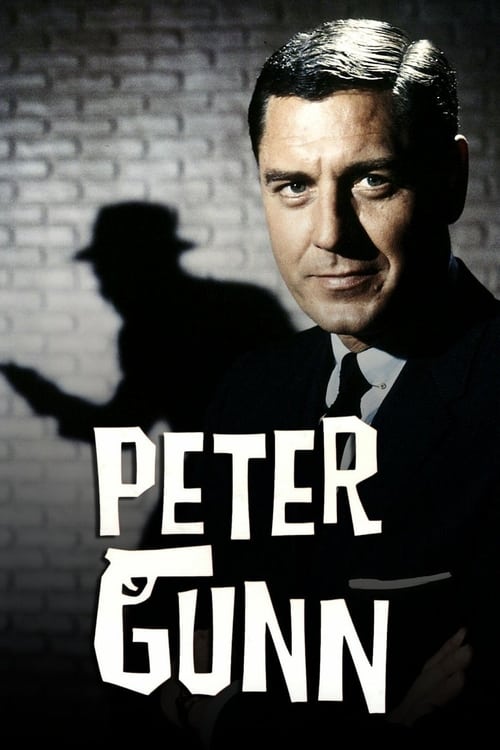
Peter Gunn is an American private eye television series. Filmed in a film noir atmosphere and featuring Henry Mancini music that could tell you the action with your eyes closed, Peter Gunn worked in style. Known as Pete to his friends and simply as Gunn to his enemies, he did his job in a calm cool way.