FEEL IT.STREAM
Peter Kubelka

Peter Kubelka

Directing

Biography

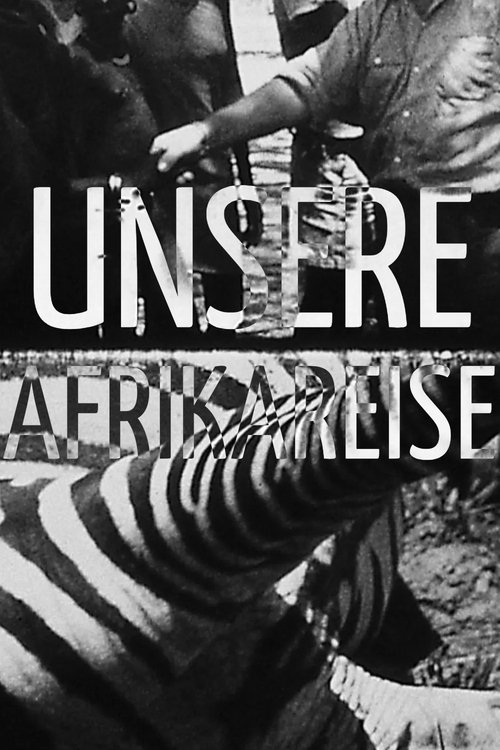
Peter Kubelka (born 23 March 1934 in Vienna, Austria) is an Austrian experimental filmmaker, architect, musician, curator and lecturer. His films are primarily short experiments in linking seemingly disparate sound and images. He is best known for his 1966 avant-garde classic Unsere Afrikareise (Our Trip to Africa). Kubelka made 16mm films, mostly shorts, and is known for his 1960 film Arnulf Rainer, a "flicker film" which alternates black and clear film that is projected to create a "flicker" effect. Kubelka also designed the Anthology Film Archives custom film screening space in the 1970s in New York. The theater had highly raked (tiered) seating with a cowel over each seat and visual barriers between each seat so that the audience member was totally isolated visually from other patrons. The theater was painted black and the seating was covered in black velvet. The only light in the room between film showings came from a spotlight aimed at the screen, thus ensuring that the only light in the room came from the screen. The design is illustrative of the purist aesthetic of the Avant Garde film movement of that era. Description above from the Wikipedia article Peter Kubelka, licensed under CC-BY-SA, full list of contributors on Wikipedia.​

Known For

Cinématon
4.9

Cinématon is a 156-hour long experimental film by French director Gérard Courant. It was the longest film ever released until 2011. Composed over 36 years from 1978 until 2006, it consists of a series of over 2,821 silent vignettes (cinématons), each 3 minutes and 25 seconds long, of various celebrities, artists, journalists and friends of the director, each doing whatever they want for the allotted time. Subjects of the film include directors Barbet Schroeder, Nagisa Oshima, Volker Schlöndorff, Ken Loach, Benjamin Cuq, Youssef Chahine, Wim Wenders, Joseph Losey, Jean-Luc Godard, Samuel Fuller and Terry Gilliam, chess grandmaster Joël Lautier, and actors Roberto Benigni, Stéphane Audran, Julie Delpy and Lesley Chatterley. Gilliam is featured eating a 100-franc note, while Fuller smokes a cigar. Courant's favourite subject was a 7-month-old baby. The film was screened in its then-entirety in Avignon in November 2009 and was screened in Redondo Beach, CA on April 9, 2010.

Cinématon

1978Movie
Four Shadows
7.0

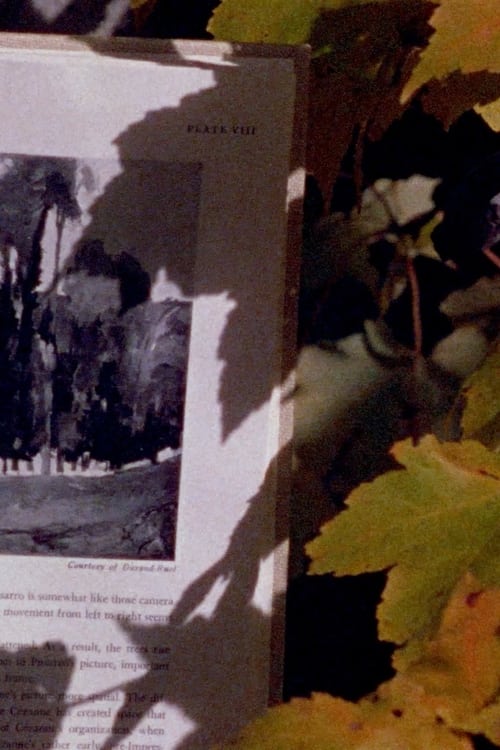
Four four-minute image sections and four four-minute sound sections are linked in all combinations of the sound sections with each of the image sections. This established affinities between each of the image sections to the others, and the sound sections to each other. The image sections are: surveyors measuring the land near my house as seen through an old window, a family of Siamang Gibbon apes in the Washington zoo, an industrial site, and a page turned from a book on Cézanne’s composition showing a diagram of his painting Mardi Gras, filmed against bright leaves. The sound sections are: a dramatic scene from Debussy’s opera “Pelléas et Mélisande”, a passage from William Wordworth’s autobiographical poem “The Prelude,” sounds from rowing on a lake at night, and the sounds of the apes vocalizing.

Four Shadows

1978Movie
Schwechater
4.9

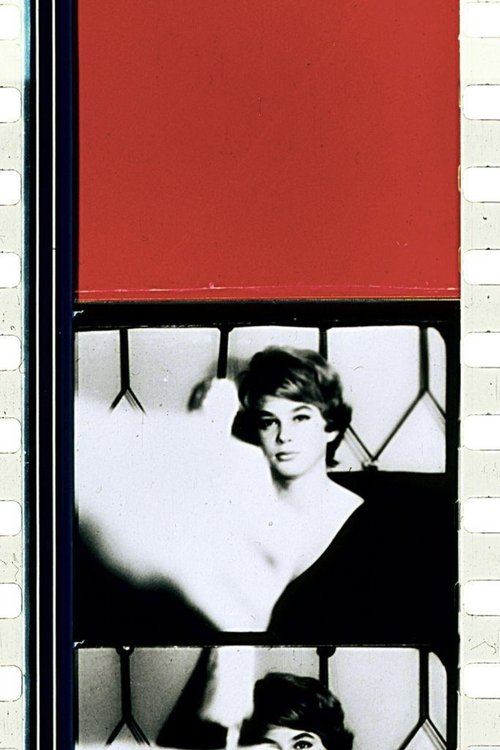
In 1957, Peter Kubelka was hired to make a short commercial for Schwechater beer. The beer company undoubtedly thought they were commissioning a film that would help them sell their beers; Kubelka had other ideas. He shot his film with a camera that did not even have a viewer, simply pointing it in the general direction of the action. He then took many months to edit his footage, while the company fumed and demanded a finished product. Finally he submitted a film, 90 seconds long, that featured extremely rapid cutting (cutting at the limits of most viewers' perception) between images washed out almost to the point of abstraction — in black-and-white positive and negative and with red tint — of dimly visible people drinking beer and of the froth of beer seen in a fully abstract pattern.

Schwechater

1958Movie