Koji Fukada
Directing
Biography
Koji Fukada (深田 晃司, born 1980) is a Japanese film director and screenwriter. Born in Tokyo, Fukada had a father who was a film aficionado and he watched many films on VHS when he was young. When he was 19 years old studying at Taisho University and discovered the Film School of Tokyo, he began taking evening classes in filmmaking. One of his teachers was Kiyoshi Kurosawa. He made his first feature-length film, The Chair, in 2002. He joined the Seinendan theater troupe, headed by Oriza Hirata, in 2005, and has often used their work and their actors in his films. His film Hospitalité won Best Picture in the Japanese Eyes competition of the Tokyo International Film Festival in 2010. Au revoir l'été won the grand prize and the prize of the young jury at the Three Continents Festival in 2013 and his 2016 film Harmonium won the Prix du Jury in the Un Certain Regard section of the Cannes Film Festival. Description above from the Wikipedia article Koji Fukada, licensed under CC-BY-SA, full list of contributors on Wikipedia.

Known For

Mai, a rising J-Pop idol, is finally about to have her big break when she unexpectedly falls in love. But in a treacherous industry where young singers must maintain an image of flawless purity, love is forbidden. When her relationship is exposed, Mai's agency takes drastic action, dragging the couple to court over the "no love" clause in her contract, throwing her life into chaos.
Love on Trial

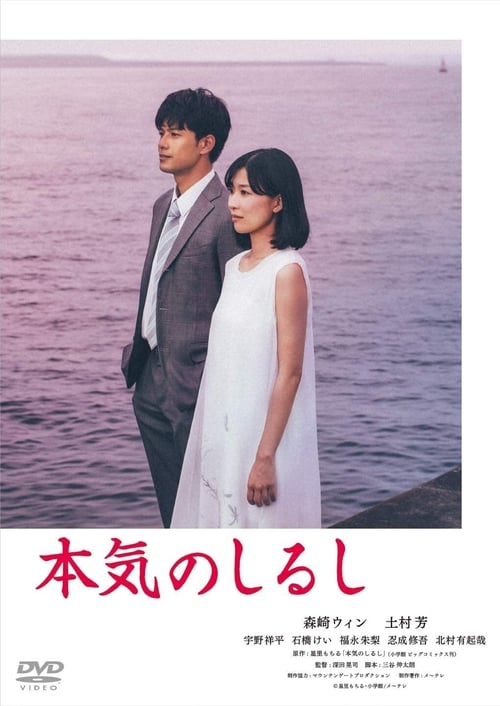
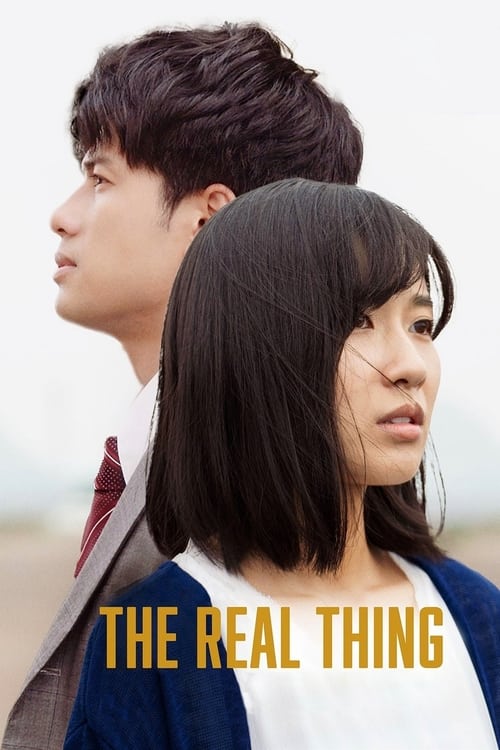
Kazumichi Tsuji is a bored office worker in questionable relationships with two women at work. One day he meets the intriguing Ukiyo Hayama at a convenience store. However, having her in his life brings nothing but trouble.
The Real Thing

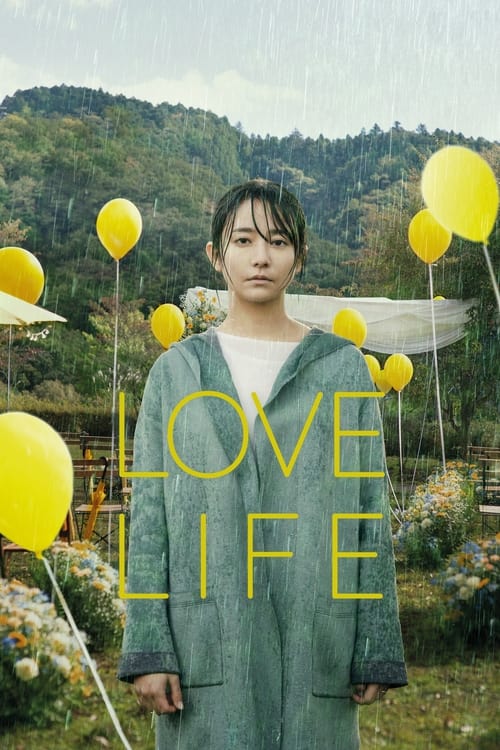
Taeko and her husband, Jirō, are living a peaceful existence with her young son, Keita, when a tragic accident brings the boy's long-lost father, Park, back into her life. To cope with the pain and guilt, Taeko throws herself into helping this deaf and homeless man.
Love Life

After failing her university entrance exam, Sakuko is invited by her aunt Mikie to spend summer vacation in a beautiful seaside town. Sakuko gets to know the people of the town, including Takashi, a shy relative of her childhood friend.
Au revoir l'été

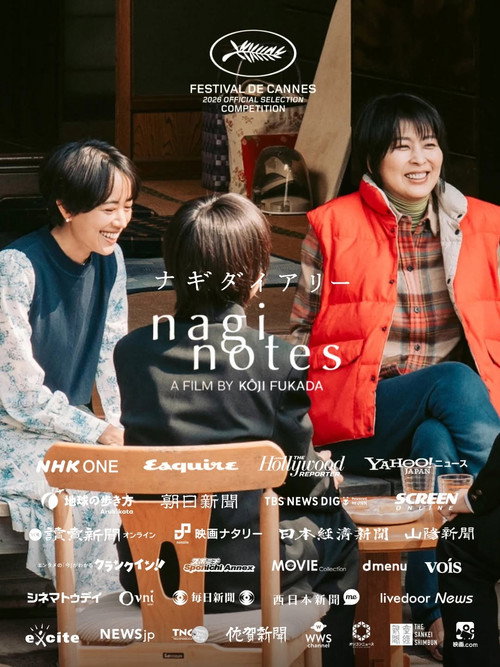
Yoriko, an artist living in rural Nagi, is haunted by a former love affair she cannot bear to mourn. When Yuri, a recently separated architect, travels from Tokyo to visit her friend and former sister-in-law, both women find themselves at a crossroad, each searching for ways to let go of the past and define their identities. Yuri's brief escape from the city settles into a quiet confrontation of loss and probing for the two women in bucolic Nagi.
Nagi Notes

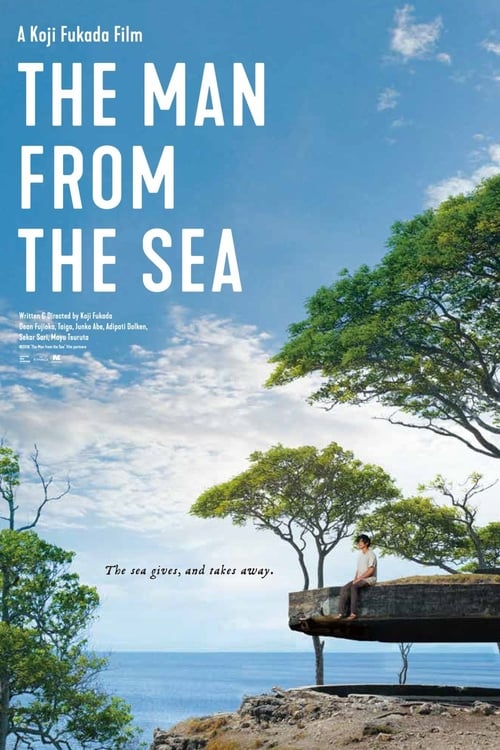
A man is found washed up on a beach in Banda Aceh, Indonesia, suffering from amnesia and speaking in broken Indonesian and Japanese.
The Man from the Sea

Ichiko works as a private nurse for a family she almost became a part of. While Ichiko cares for the grandmother, she is also a confidant to Motoko, the eldest sister. But one day, Motoko’s younger sister disappears. And the media soon reveal the kidnapper to be Ichiko’s own nephew.
A Girl Missing

Toshio hires Yasaka to work in his workshop. But then this old acquaintance, who has just been released from prison, begins to meddle in Toshio's family life.
Harmonium

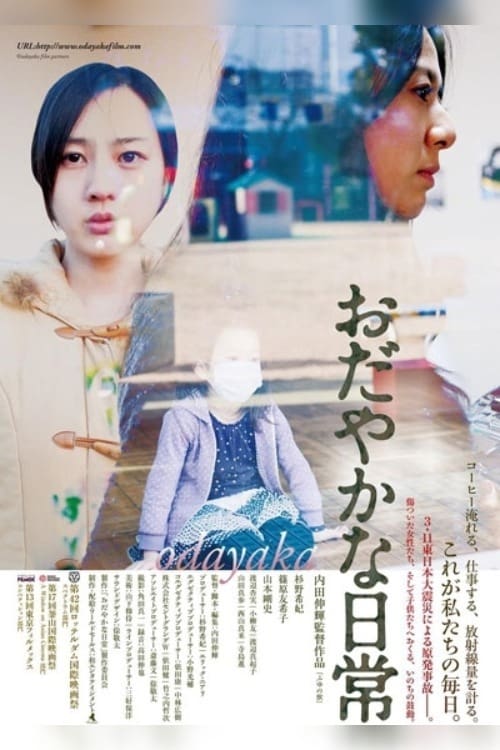
Saeko and Yukako live together in a small apartment complex in Tokyo. After the Tohoku earthquake in 2011, both live in a state of unease. Saeko, who is in a divorce, is worried that her daughter is exposed to radiation. Yukako is also afraid of radiation and tries to convince her husband to move. The two become friends after Yukako tries to save Saeko after a suicide attempt.
Odayaka

Kazumichi Tsuji is a bored office worker in questionable relationships with two women at work. One day he meets the intriguing Ukiyo Hayama at a convenience store. However, having her in his life brings nothing but trouble.
The Real Thing

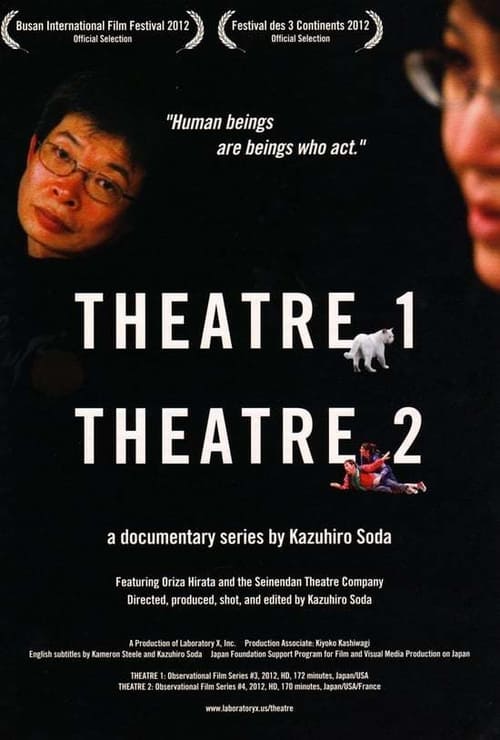
Theatre 1 (Observational Film Series #3) is a feature length documentary, which closely depicts the world of Oriza Hirata, Japan's leading playwright and director, and his theatrical company, Seinendan. By depicting them, the film leads the audience to revisit fundamental but timely questions: What is theatre? Why do human beings act?
Theatre 1

A young man is unable to have relations with the girls he likes. A pimp meets him after having a strange experience and they are althogether on a bizarre ride through a gloomy and disconnected Tokyo.
Look of Love

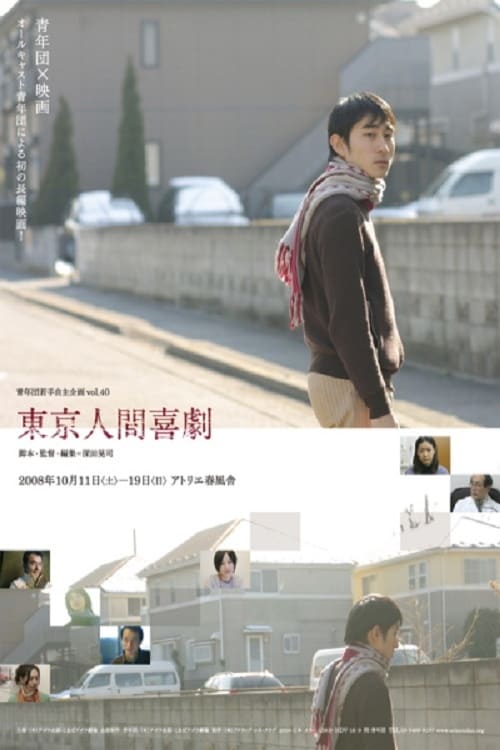
'Human Comedy in Tokyo', describes ordinary everyday lives without any significant incidents. Various dialogues are elaborately woven to bring tiny splits in human relationships to light, and through the three episodes the characters have their moments of realizing that they are actually in solitude.
Human Comedy in Tokyo

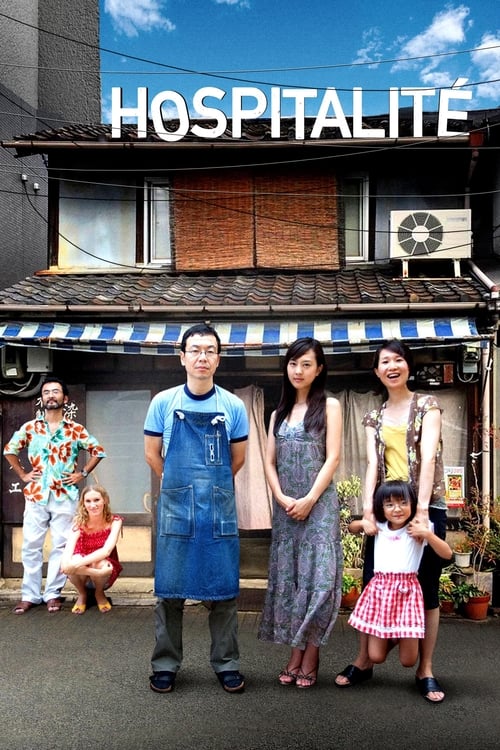
In this black comedy the lives of a timid small-time printer and his young wife are turned inside out by the arrival of a stranger who moves in and takes over their world. Set in a village-like outpost in the heart of Tokyo, this is a wry commentary on Japanese xenophobia. Kiki Sugino heads a spritely ensemble cast.
Hospitalité

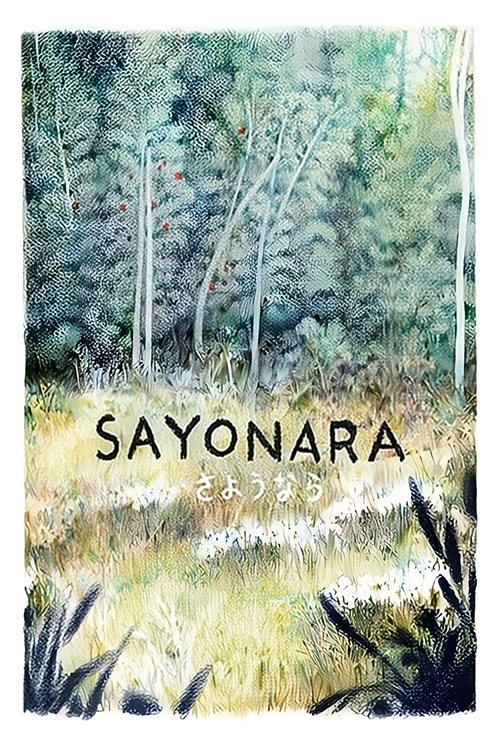
The world's first human-android acting duo, called Android Theater Project, is the collaborative brainchild of noted Japanese playwright Oriza Hirata and the leading robotics scientist Hiroshi Ishiguro. "Sayonara" is a remakable android play and has been adapted to feature film by the acclaimed filmmaker Koji Fukada (Hospitalité, Au revoir l’été). In this film project the setting of the story is largely expanded, depicting time and space in a way which can only be achieved in film, examining life and death though the communication between dying human and immortal android.
Sayonara

No description available.
Chair

Experimental short movie mostly made of still photos, following a strange woman looking for the truth behind a high school girl's death.
Sadness and Anger

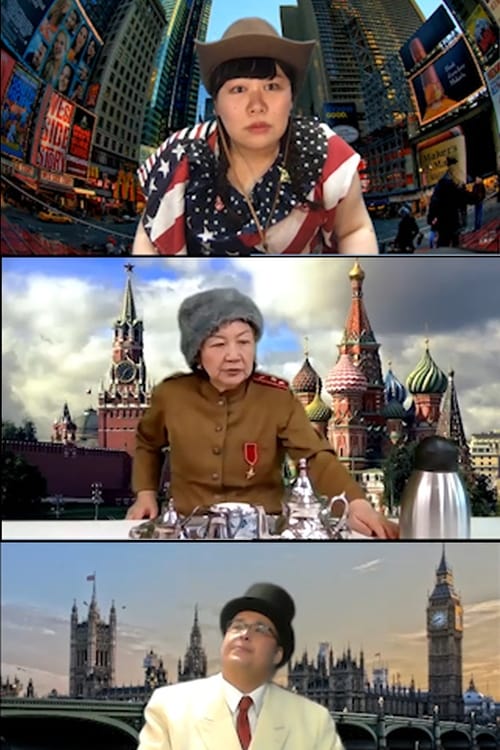
Just before the end of World War II, the Yalta Conference was held by the “Big Three” Allied leaders: Franklin Delano Roosevelt of the United States, Winston Churchill of Britain, and Joseph Stalin of the USSR. Japanese theater company Seinendan reimagines their conversations about postwar rule and power as a darkly humorous satire.
The Yalta Conference Online

The Japanese painter FUKAZAWA Takeshi expresses in pictures the novel written by Honoré de BALZAC “La grenadière”. Over 70 tempera paintings are beautifully brought to life and put together by FUKADA Koji for this Ga-nime that tells us the story of a mother and child in the 19th century, coated in a music that punctuates the whole experience. FUKAZAWA and FUKADA thus succeed in reproducing the ambiance of this mansion so dear to BALZAC, as the artistic pictures call to the imagination and the emotions of the viewer that only be so aroused by a Ga-nime.
La Grenadière

She insists she needs to know everything and be told the extent of it when a woman catches her husband kissing another woman at their apartment upon returning from the book store. It turns out the man invited the woman in promising to show her his birds.