Ed Emshwiller
Directing
Biography
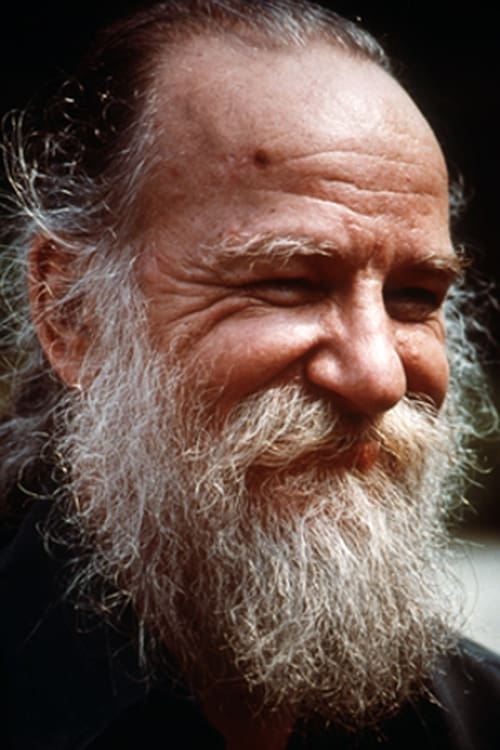
Born in 1925, Ed Emshwiller studied graphic design at the University of Michigan and L'Ecole des Beaux Arts in Paris. By the late '60s Emshwiller was working as a science fiction illustrator, and had established his place in the American avant-garde cinema with such works as Relativity (1966) and Image, Flesh and Voice (1969). His early films featured collaborations with dancers and choreographers—a theme he carried over into his videoworks. As both an artist and a teacher, Emshwiller’s pioneering efforts to develop an alternative technological language in video were enormously influential. His early experiments with synthesizers and computers included the electronic rendering of three-dimensional space, the interplay of illusion and reality, and manipulations of time, movement, and scale that explore the relationship between "external reality and subjective feelings." Emshwiller was among the first artists-in-residence at the TV Lab at WNET, where he produced the groundbreaking Scape-mates (1972). Sunstone (1979) was made over a period of eight months at the New York Institute of Technology. Emshwiller passed away in 1990 and an extensive collection of his work is housed by Anthology Film Archives.
Known For

In this wildly entertaining vision of one of the twentieth century’s greatest artists, Bob Dylan is surrounded by teen fans, gets into heated philosophical jousts with journalists, and kicks back with fellow musicians Joan Baez, Donovan, and Alan Price.
Bob Dylan – Don't Look Back
Also known as Walden, Jonas Mekas’s first diary film is a six-reel chronicle of his life in 1960s New York, interweaving moments with family, friends, lovers, and artistic idols. Blending everyday encounters with portraits of the avant-garde art scene, it forms an epic, personal meditation on community, creativity, and the passage of time.
Diaries, Notes, and Sketches
Painters Painting: The New York Art Scene 1940-1970 is a 1972 documentary directed by Emile de Antonio. It covers American art movements from abstract expressionism to pop art through conversations with artists in their studios. Artists appearing in the film include Willem de Kooning, Jasper Johns, Andy Warhol, Robert Rauschenberg, Helen Frankenthaler, Frank Stella, Barnett Newman, Hans Hofmann, Jules Olitski, Philip Pavia, Larry Poons, Robert Motherwell, and Kenneth Noland.
Painters Painting
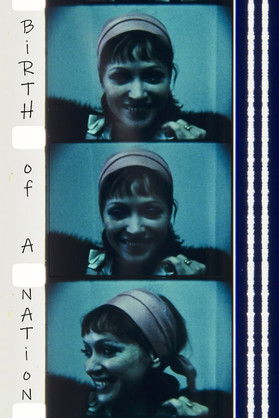
Jonas Mekas assembles 160 portraits, appearances, and fleeting sketches of underground and independent filmmakers captured between 1955 and 1996. Fast-paced and archival in spirit, the film celebrates the avant-garde as its own “nation of cinema,” a vital community existing outside the dominance of commercial film.
Birth of a Nation
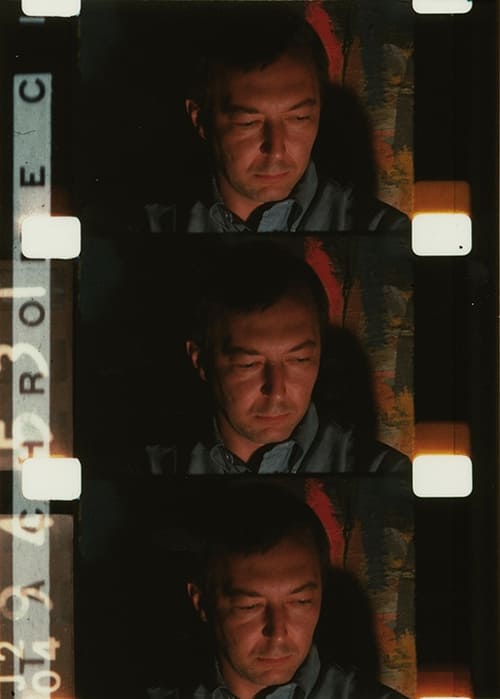
In March and April of 1966, Markopoulos created this filmic portrait of writers and artists from his New York circle, including Parker Tyler, W. H. Auden, Jasper Johns, Susan Sontag, Storm De Hirsch, Jonas Mekas, Allen Ginsberg, and George and Mike Kuchar, most observed in their homes or studios. Filmed in vibrant color, Galaxie pulses with life. It is a masterpiece of in-camera composition and editing, and stands as a vibrant response to Andy Warhol's contemporary Screen Tests. Preserved by the Academy Film Archive in 2001.
Galaxie
George Orr, a man whose dreams can change waking reality, tries to suppress this unpredictable gift with drugs. Dr. Haber, an assigned psychiatrist, discovers the gift to be real and hypnotically induces Mr. Orr to change reality for the benefit of mankind --- with bizarre and frightening results.
The Lathe of Heaven
Drawn from footage shot between 1949 and 1963, Jonas Mekas’s autobiographical diary film chronicles his early years in exile, capturing the struggle to build a new life in New York and his gradual discovery of a vibrant artistic community.
Lost, Lost, Lost
Suite 212 is Paik's "personal New York sketchbook," an electronic collage that presents multiple perspectives of New York's media landscape as a fragmented tour of the city. Paik critiques the selling of New York by multinational corporations and the city's role as the master of the media and information industries; Collaborators Yalkut, Davis and Kubota contribute their own vibrant and punchy segments.
Suite 212
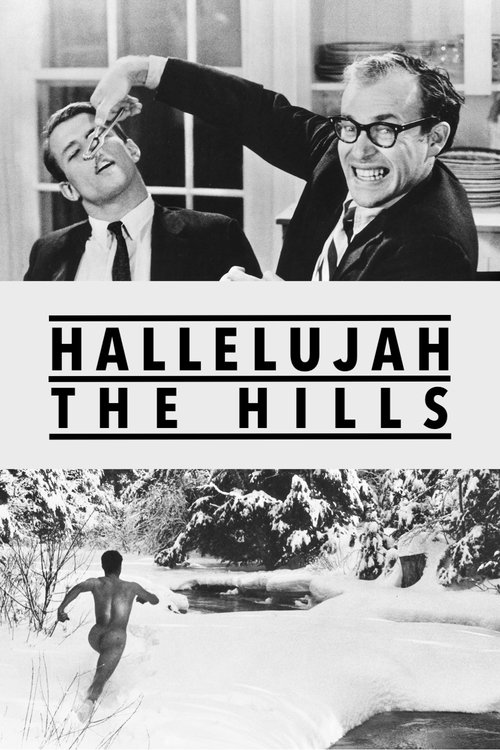
Jack and Leo vie for the affections of Vera – who appears a little differently to each man – over the course of a series of energetic sketches, flashbacks and homages.
Hallelujah the Hills
Home movies shot on Super 8mm by W+B Hein over 10 years.
Home Movies 1971-81
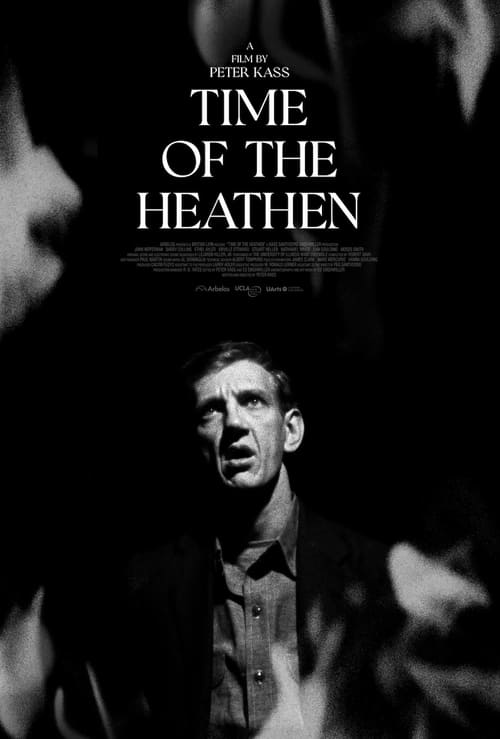
In New York four years after the bombing of Hiroshima, a bible-carrying drifter who witnesses the rape and murder of a black woman is framed and pursued by locals while left as the sole protector of the woman’s young son.
Time of the Heathen
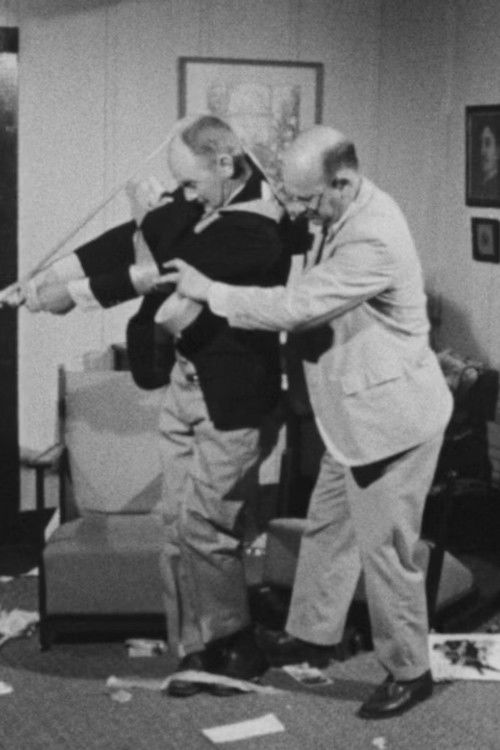
Oysters Are in Season feautures the improvised humor of Swede Sorenson, Dean Preece and Molly Parkin as they play out sharply satiric situations. Utter foolishness abounds in short skits that range from an employment interview with an applicant whose previous experience has left him physically uncontrollable, and an unsuspecting golfer who arrives for a first lesson, to scenes of mayhem with a hammock and a chinese lantern masquerading as an artificial kidney.
Oysters Are in Season
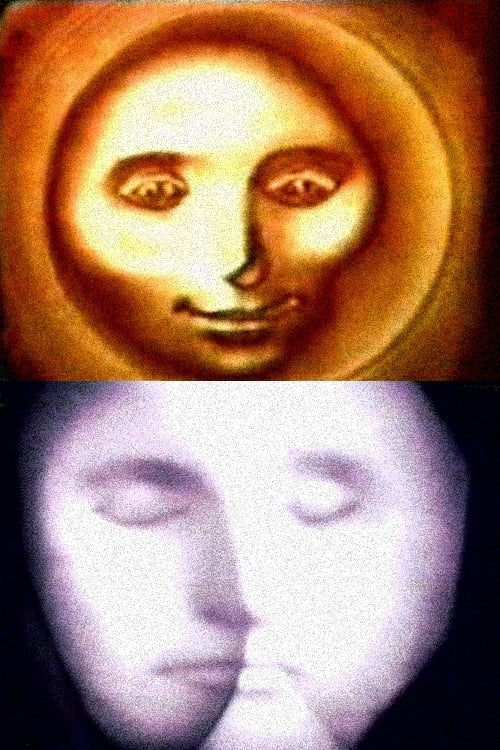
Made for Roger Reynolds's Voicescapes performance, containing elements from Emshwiller's previous film "Sunstone."
Eclipse
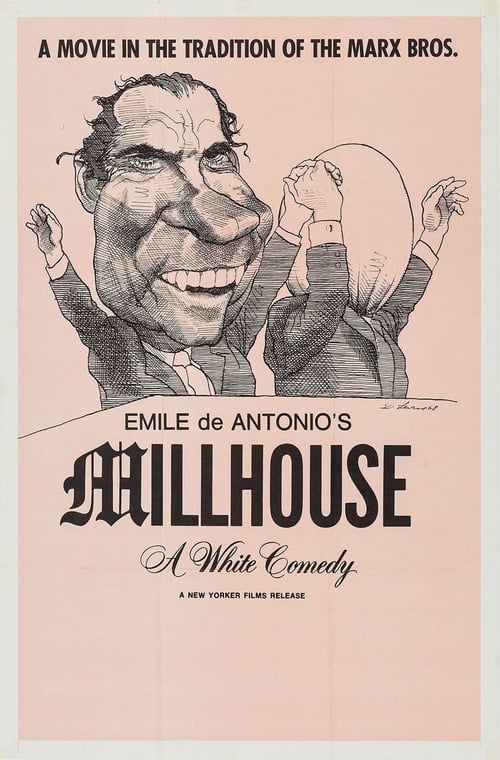
Emile de Antonio's film decimates Richard Nixon and exposes him as a paranoid, power mad lunatic... de Antonio compiles (via video and film) what amounts to the "best of" one of the worst political figures of the 20th century. Nixon was a shameless self-promoter while trying desperately to convince everyone that he wasn't. Through Alger Hiss and the "Checkers" speech to the character assassination of Helen Gahagan Douglas (among others), there are few stones left unturned.
Millhouse
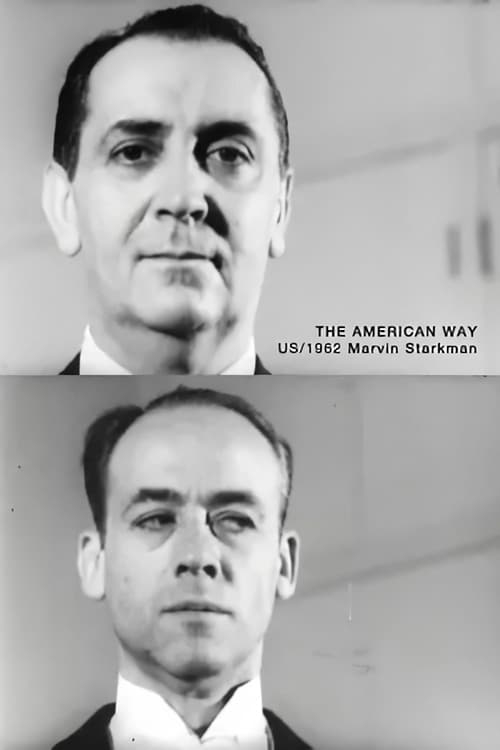
A comedy short which pokes merry anarchistic fun at such quintessential American institutions as mom, baseball, and apple pie. It features an early appearance from actor John Cazale.
The American Way
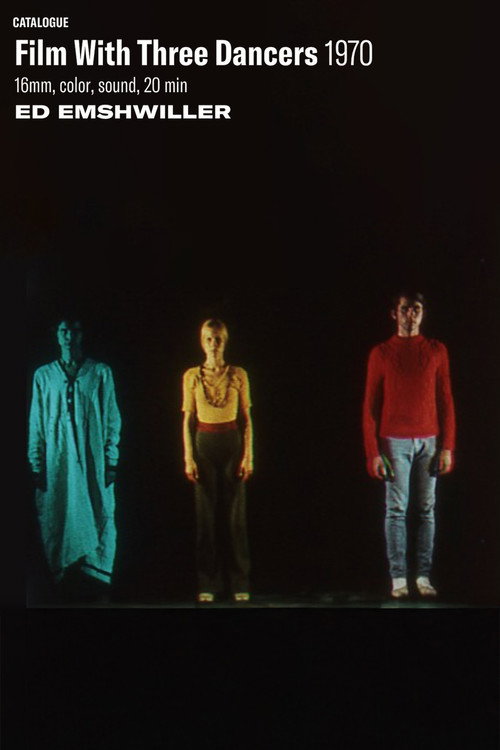
In this spin-off from his original plan for Relativity (1966), Emshwiller continued with his desire to penetrate “space in a kind of flying camera, a dream of flying, a kind of sensual, sexual imagery where you were constantly going into an unknown space.” A trio of dancers (Carolyn Carlson, Emery Hermans, Bob Beswick) appear "first in leotards, then in bluejeans, then naked, as they “pass through rituals of movement.”
Film with Three Dancers
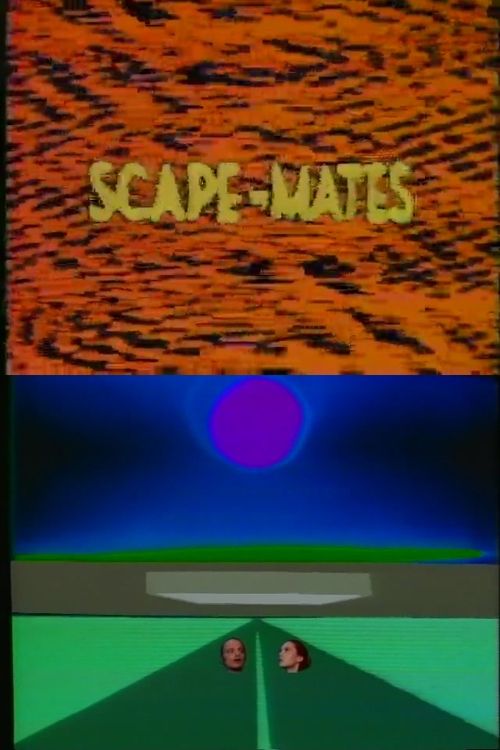
In one of his first experiments in video, Emshwiller creates an electronic landscape of both abstract and figurative elements, where colorized dancers are chroma-keyed into a mutable, computer-animated environment. Working with the "Scan-i-mate," an early analog video synthesizer, Emshwiller choreographs an architectural, illusory video space, in which frames proliferate within frames, disembodied heads and hands move within a collage of animated forms, and the dancers and their environment are subjected to constant transformations through image processing. With its witty interplay of the "real" and the "unreal" in an electronically rendered videospace, and the skillful manipulation and articulation of a sculptural illusion of three-dimensionality, Scape-mates introduced a new vocabulary of video image-making.
Scape-Mates

A kaleidoscopic collage of colours and dehumanised modern dancers, making subtle use of double exposure and electronic music. Shapes move and grow to form designs which are reflected. turned. twisted and finally fragmented. to reveal an understanding for the infinitude of design.
Fusion
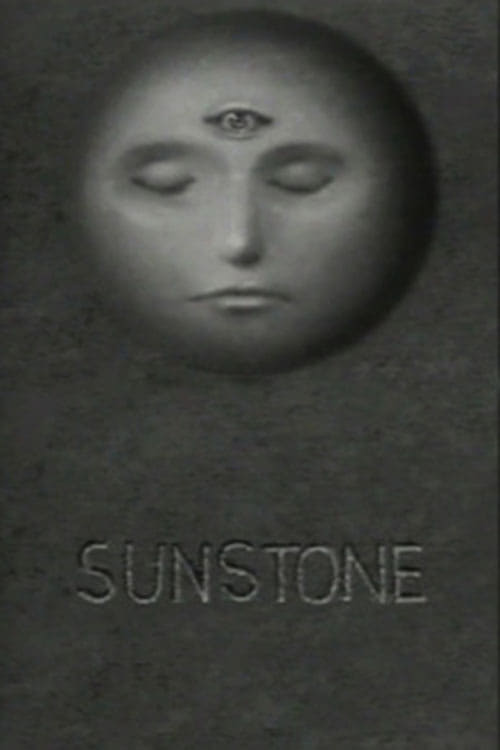
Experimental computer animation from pioneering artist Ed Emshwiller.
Sunstone
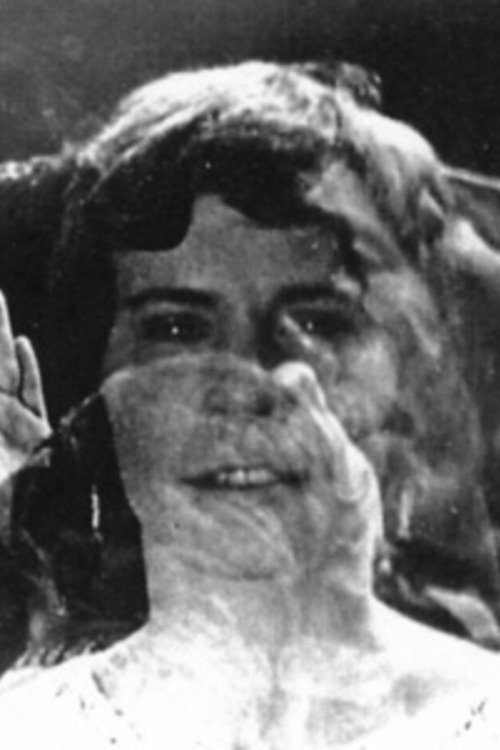
A subjective film song of awareness; woman alone, woman with child, woman as scientist, woman as artist, woman with woman, woman with man. Paradox and dilemma, the human state as seen through today's suburban woman. The filmmaker explored with several women their conditions and sought ways of relating and structuring those states in a film.