Acting
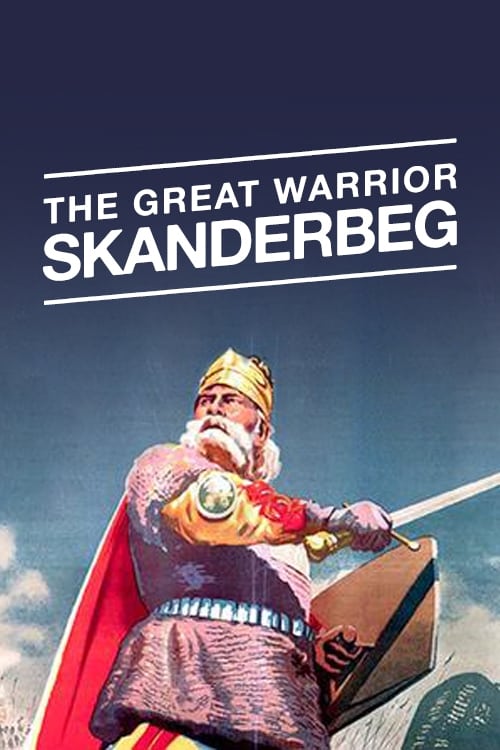
A biography of George Kastriot Skanderbeg widely known as Skanderbeg, a 15th-century Albanian lord who defended his land against the Ottoman Empire for more than two decades.
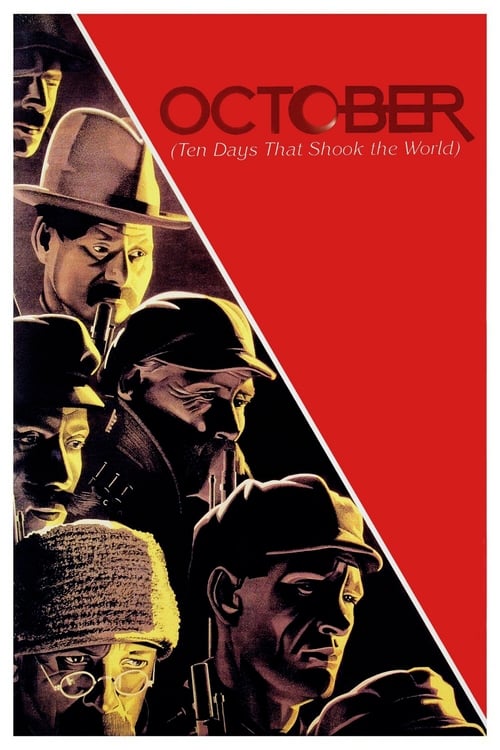
Sergei M. Eisenstein's docu-drama about the 1917 October Revolution in Russia. Made ten years after the events and edited in Eisenstein's 'Soviet Montage' style, it re-enacts in celebratory terms several key scenes from the revolution.
No description available.
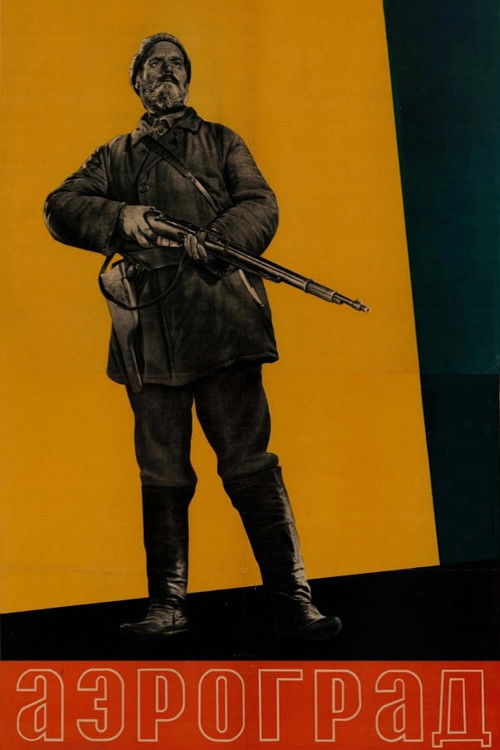
A Russian outpost in Eastern Siberia comes under threat of attack by the Japanese. Aerograd is a new town with a strategically located airfield of vital interest to the government. Work on the new outpost is complicated when tensions develop between workers and a religious sect. Relations between the two countries are further strained in the days before World War II, dating back to the Russo-Japanese War of 1905.
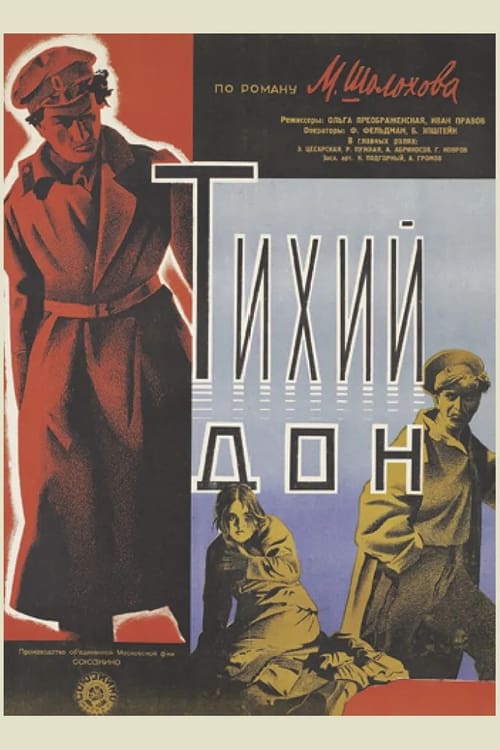
The first screen adaptation of an epic Russian novel about a village of Cossacks on the Don River, covering the last days of peace on the riverside before the beginning of the First World War.
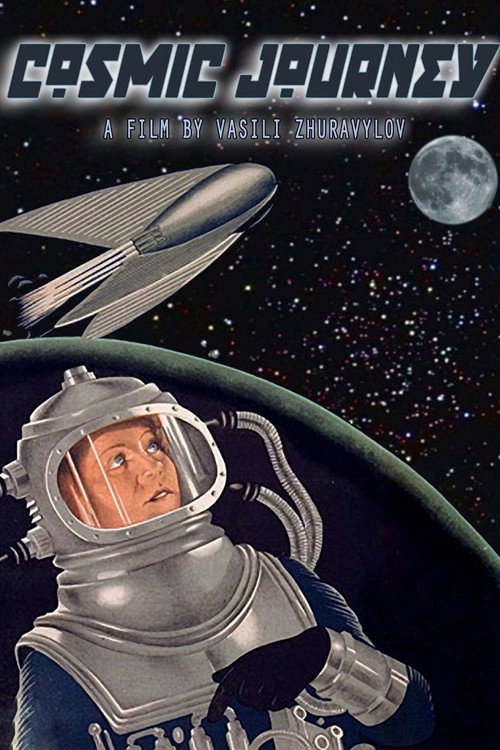
Scientist Pavel Sedykh grows impatient with the restrictions of the conservative Soviet space institute in Moscow. Sedikh builds his own spacecraft, and accompanied by a female astronaut and a boy, he embarks on a the first human trip to the moon.
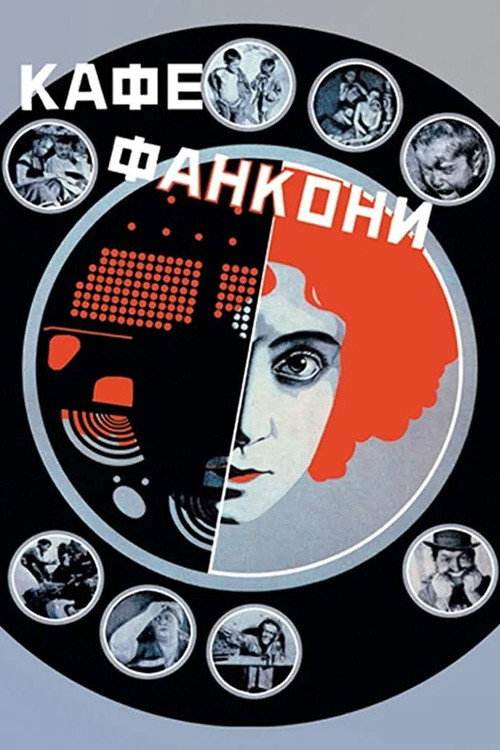
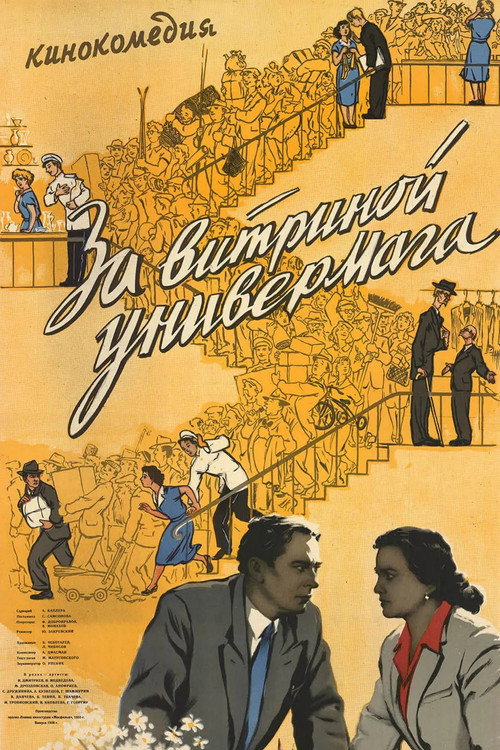
A funny story about a life of a big department store and its employees and customers.
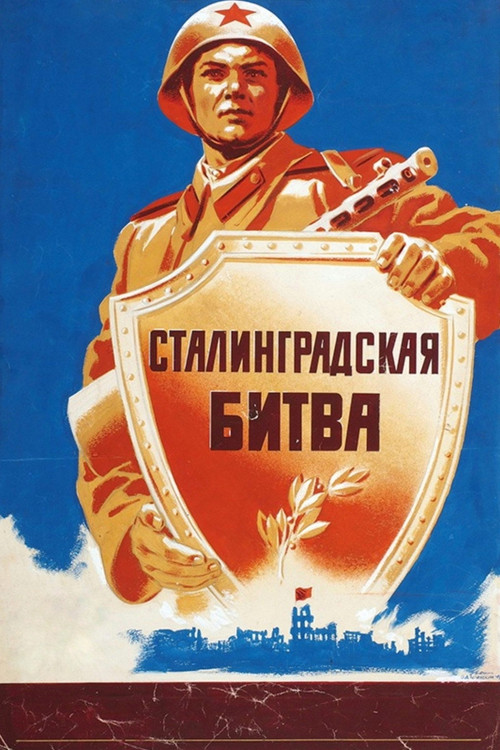
A 1949 two-part Soviet epic war film about the Battle of Stalingrad.
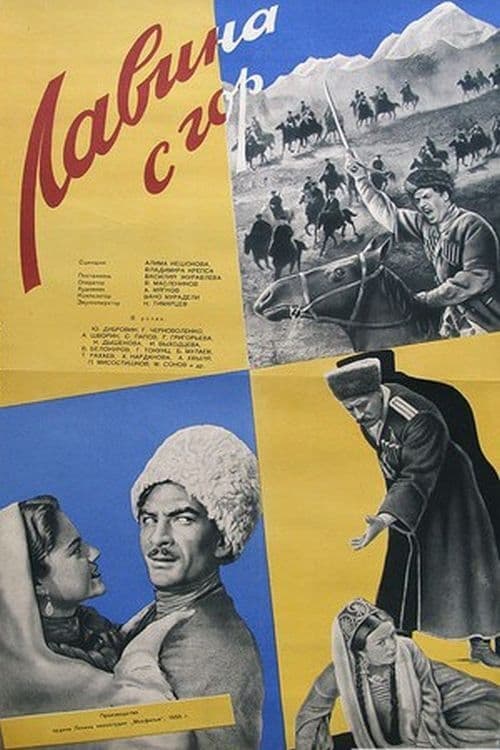
Spring of 1917. Soldiers of the former Wild Division are returning to their villages. Anzor, a footman of Prince Naurbek, commander of the Kabarda regiment, finds poverty and ruin at home - his mother and many other villagers have fallen into bondage debts to Princess Zhansurat. Anzor goes to the prince and asks him to return his land - after all, he shielded Naurbek from enemy bullets in battle. Having received a handful of millet, Anzor returns to his place. Subsequent meetings with the Bolsheviks Kantemir and Mashuko, and then with Kirov himself, convince Anzor of the necessity to fight against the princes.
The first Ukrainian adventure detective story. The action takes place in Odesa in 1920, occupied by Denikin's troops. The White Guard counterintelligence conducts a fruitless search for the Bolshevik agent "7+2". The search is led by officer Enger. Dizzying races, disasters, and murders further confuse the agent's trail. It is only with the arrival of the Bolsheviks that the case is solved. Incompletely preserved
Lost film.
Docu-drama about political and military conflict during the Russian Civil War in 1918, from an orthodox pro-Communist viewpoint.
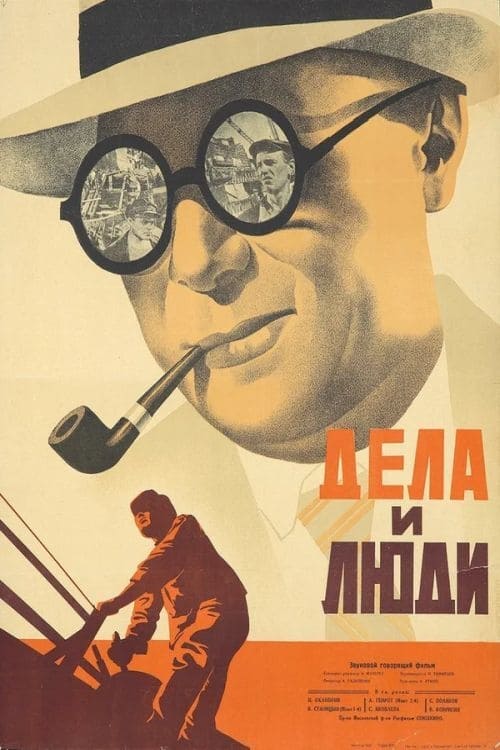
About the fight against bureaucrats and saboteurs at a foundry under construction during the first five-year plan. Lost movie.
An American engineer, consulting on a Soviet construction project, inspires a backward and timid new foreman to learn better about his job, assert himself, solve problems and inspire his own men to bring the job in ahead of schedule.
Staged scenes of life in all strata of the Russian population before the October Revolution. Restoration of the national economy after the Civil War. Construction of new factories: Rostselmash, the Stalingrad Tractor Factory, and the Magnitogorsk Metallurgical Plant. Kuznetskstroy. Creation of new state farms. Training of personnel for the national economy. Elimination of illiteracy among the population in all regions of the country. Development of the rationalization movement among workers. Physical culture and mass sports activities among the population.
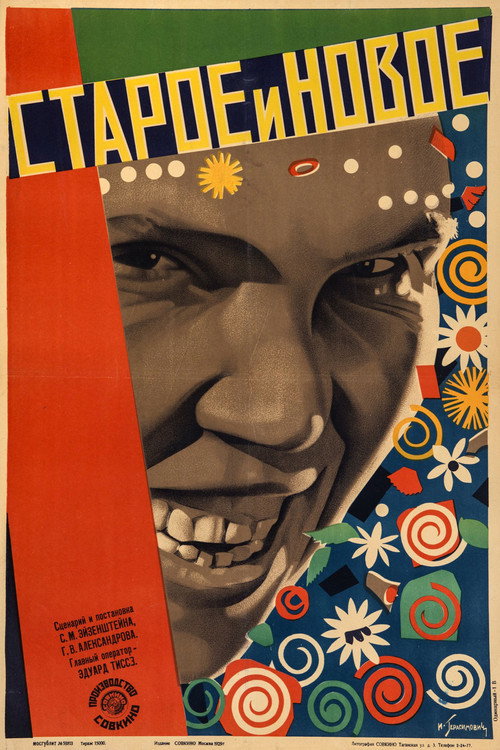
Also known as The Old and the New, The General Line illustrates Lenin’s stated imperative that the nation move from agrarian to industrial culture in an epic ode to farm-collectivization progress.
A satirical melodrama based on the short story of the same name by Mikhail Zoshchenko, written in 1923. The film was included in the first issue of the VUFKU film magazine "Mahovyk." Considered lost.
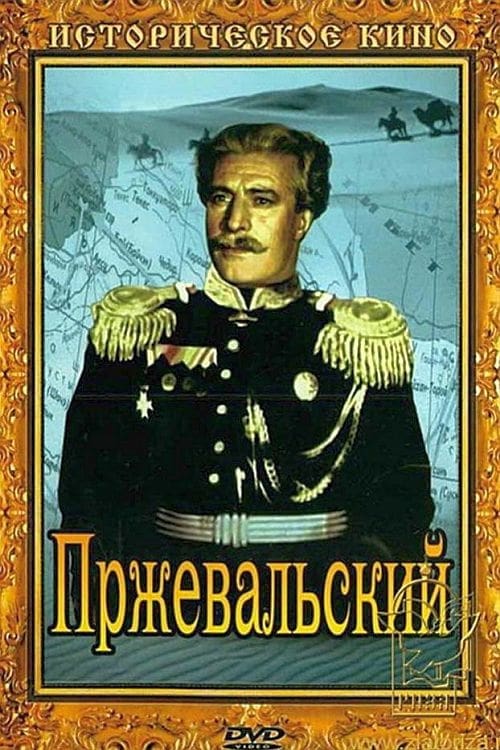
A Russian scientist spends a year documenting the natural world in Central Asia.
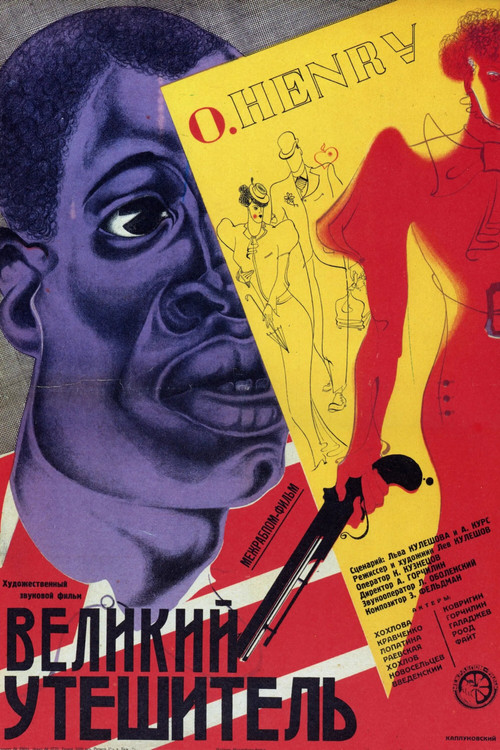
The Great Consoler is Lev Kuleshov’s most personal film reflecting both the facts of his life and his thoughts about the place of the artist in contemporary reality. It was the only film in the Soviet cinema of those years that raised the question of what role a creative person played in society.