Acting
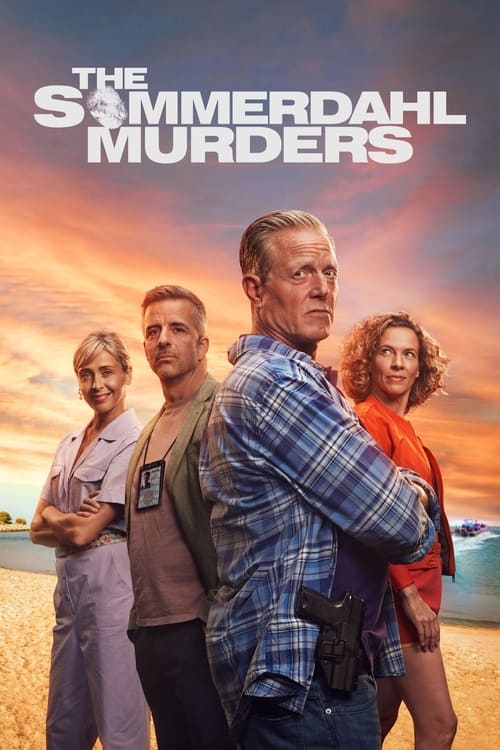
A love triangle between Dan Sommerdahl, his wife Marianne Sommerdahl and their best friend Flemming Torp occurs as they try to solves killings in Helsingør.
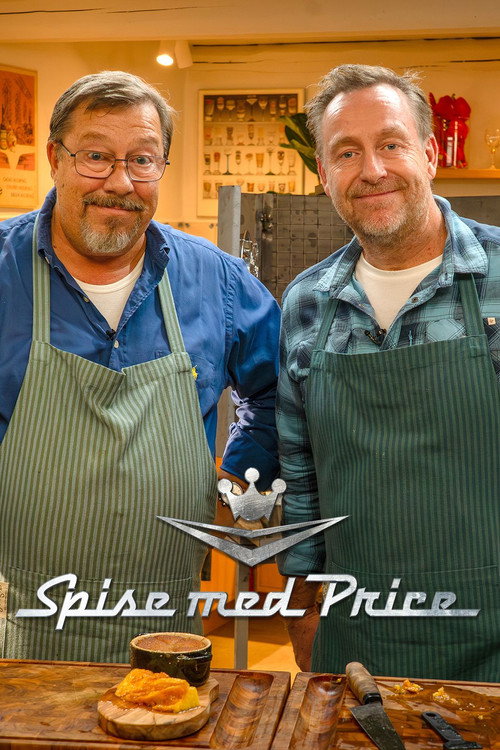
The artistically streaked brothers James and Adam Price learned early on to LOVE food and both are right at home in the kitchen. In this series they alternate between working together and competing against each other as they take on each episode's theme of food. Some dishes are done the old fashioned way, some get a twist but all is done in a humorous atmosphere of good-natured bantering, teasing and story telling.
No description available.
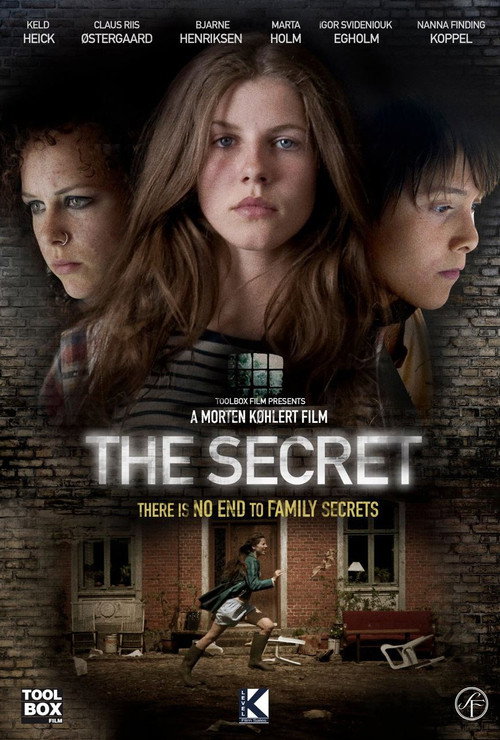
It's a roller coaste coming-of-age story. Focus is on the three kids thrown into extraordinary circumstances, which brings out best and worst in their relationship to themselves, each other, death and having to be/become an adult. Mum's corpse only appears briefly in the first episode, and the morbid aspects of the story are undertoned in relationship to the subtle humor.
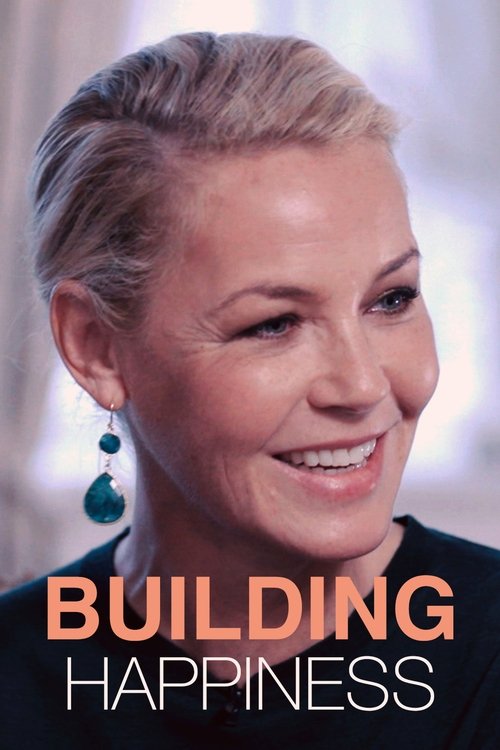
The Scandinavian countries are consistently at the top of the World Happiness Report, which is published each year by the UN. In the last 100 years, Scandinavia has managed to create a society based on solidarity, peace, tolerance and democracy. What is the secret of Scandinavian happiness?
Herluf lives a complacent life with his wife Inger-Lise. Their daily routines are only interrupted by their daughter's marriages, the third now about to take place. But Herluf's problems are more serious than an indecisive daughter, his wife is cheating on him and he's started forgetting things at work. And one day Herluf doesn't return home.
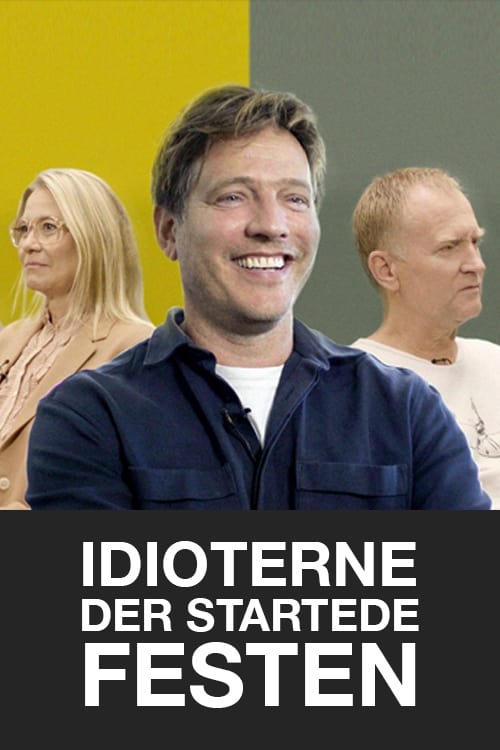
Danish film has never felt stronger on the international stage than it did with the Dogme films, which at the world premiere of 'The Party' and 'The Idiots' during the Cannes Film Festival in 1998 put Denmark on the film world map. Another eight films under the strict Dogme rules followed and created great international careers for several of the talents in front of and behind the handheld camera. Thomas Vinterberg, Søren Kragh-Jacobsen, Paprika Steen, Ulrich Thomsen, Trine Dyrholm, Iben Hjejle, Anders W. Berthelsen, Lone Scherfig, Sonja Richter and many more of the country's greatest filmmakers look back on when Denmark became Dogme.
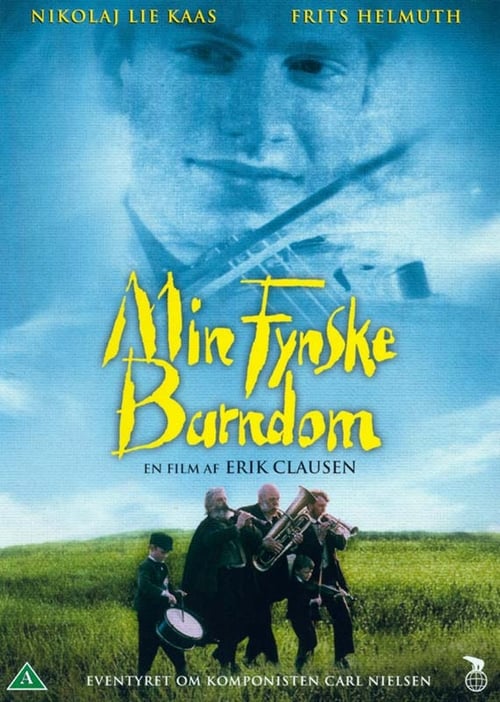
Combining the exultant sweep of epic period drama with the subtle intimacy of biography in a social perspective, this is a tale of materially impoverished childhood, struggling early manhood and an unrequited first love turned into good musical fortune for Carl Nielsen, one of the great composers of the 20th century. Based on the composer's autobiography, the film itself is designed to soar like a symphony.
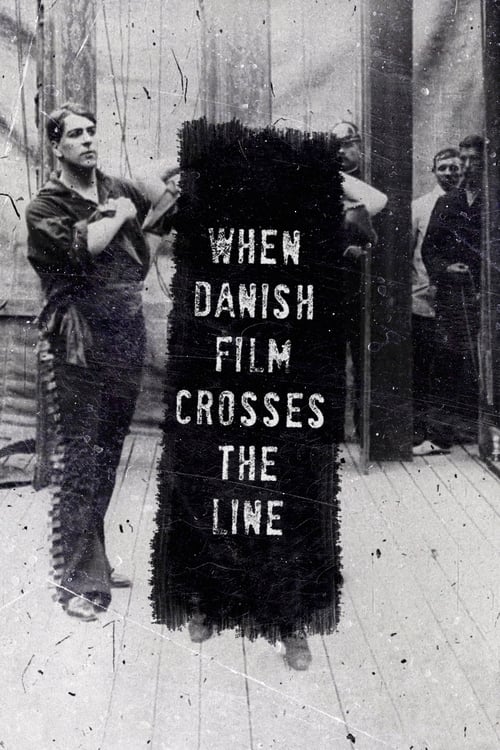
Sex, animal cruelty, Jesus and politics! Movies evoke emotions - some more than others. In this documentary, Maria Månson explores the Danish films that have outraged, angered, provoked... and have put Denmark on the cinematic map. This is a celebration of those who dared to step across the accepted border between good and bad.
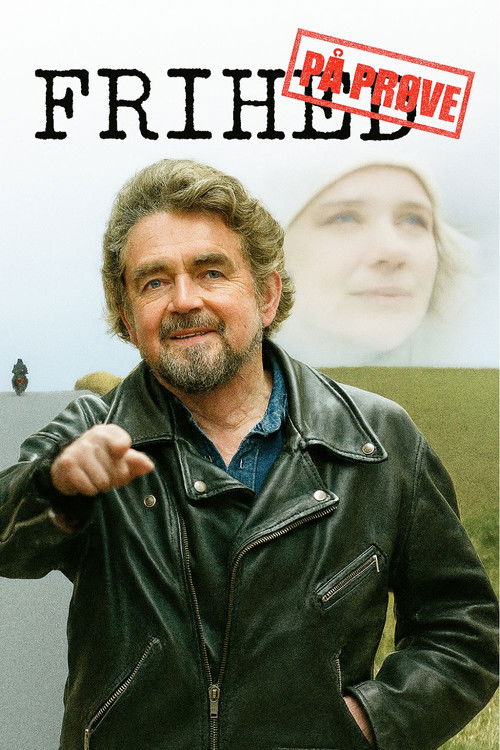
When career criminal John - the character from Clausen's drama-comedy »Temporary Release« (2007) - is granted parole, he hastens to Jutland to visit his son who is in difficulty. John might be a dedicated father, a perfect employee, and a great line-dancer, but life isn't exactly plain sailing.
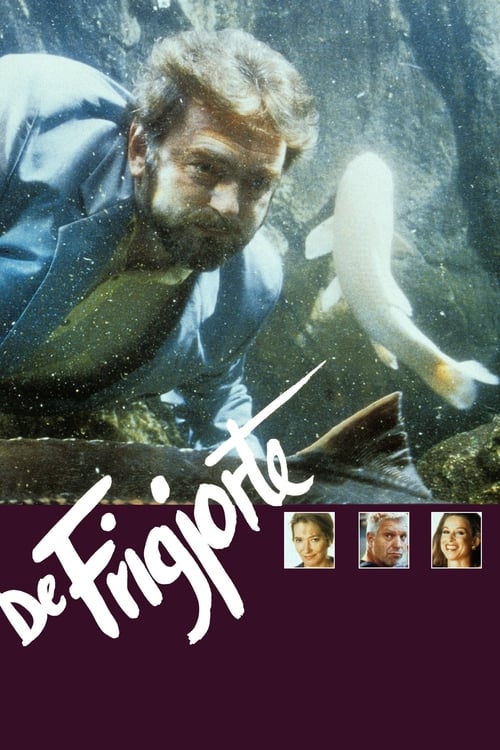
The early 1990s: 300,000 Danes are out of work. Viggo, a machinist with two grown children, is silent about feelings, scared he'll lose his job, loud about the value of trade unionism, interested in his pet fish, and argumentative at dinner. His wife Oda puts up with his moods and works on family genealogy. When Viggo is laid off, he becomes a fish out of water, hardly looking for work, starting a garden, and taking up with Karen, a polished but unhappy widow. He lies to his wife about a union training and goes to Mallorca with Karen. When she stops the affair, Viggo ends up in a psychiatric ward and must figure out what's really important in his life and in his character