Acting
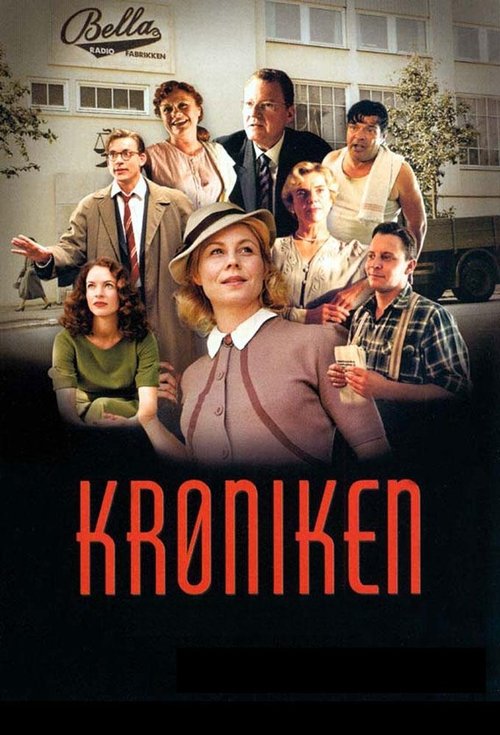
The lives of two fictional families during the historical development of Danmarks Radio television network from the 1950s to the 1970s.
Newly divorced journalist returns to her hometown to restart her life and work through her past.
TAXA is a Danish television drama made by Danmarks Radio with 56 episodes, written by Stig Thorsboe and produced by Rumble Hammerich. The series revolves around a small taxi central, CrownTaxi, in Copenhagen. The series was a success from the start, 14 September 1997 on DR1. The series was broadcast during the period 1997-1999 for a total of five series. CrownTaxi has its ups and downs and in the course of the series, following the various drivers, radio opertor Lizzie and boss Verner Boye-Larsen. They have all their problems both with clients and family life and constantly threaten the show's villain Hermann from the competing taxi firm, City Car, which wants to take over the CrownTaxi. TAXA was also screened in Sweden on SVT1.
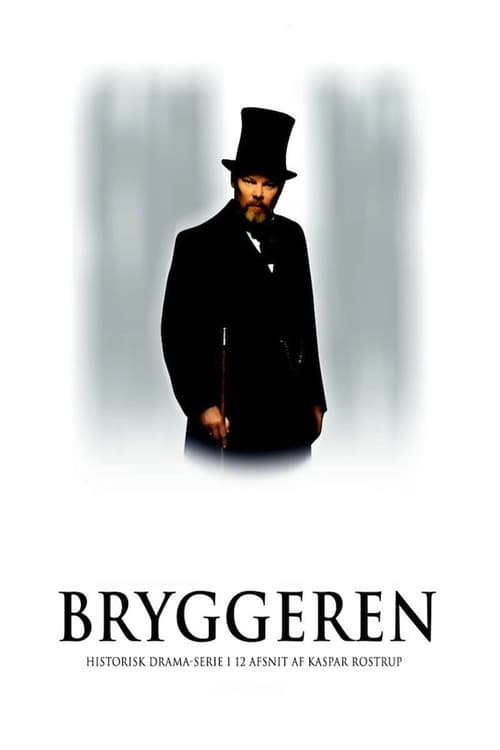
A story about Carlsberg founder JC Jacobsen, his son Carl, and their struggle to create a brewing company, and simultaneously a look at fifty years of Danish history.
A group of people gather at a Copenhagen suburban home to break all the limitations and to bring out the 'inner idiot' in themselves.
No description available.
In a small two-room apartment in a backyard in Vesterbro, Copenhagen, 14-year-old Ester lives with her father, mother, and older brother Carl. It is a typical working-class neighborhood of the time, and the apartment lacks any modern conveniences. Coal must be fetched from a dark basement where homeless people have sought shelter and lodging for the night. Ester is a dreamer. She wants to be a writer and secretly writes poetry. She often loses track of time and place when her thoughts wander.
A drama about a boy who's inspired by Dr. Martin Luther King Jr. and challenges repressive school authority in 1969 Denmark.
Donna wants to live the perfect Free Woman life. At the same time she needs the daily comfort of a close relationship to her girl-friend Britt. Britt is romantically inclined in an old-fashioned way and would rather opt for life with a wrong man than with no man at all.
He freed the slaves in 1848. He spoke out against the king and the government. He loved his wives equally. He was colorful, he was autocratic, he was Denmark's last governor-general of the West Indies, his name was Peter von Scholten. The film about him is a magnificent story of greatness, power, and stubbornness on the one hand, and of love, loyalty, and melancholy on the other. It is a colorful gallery of characters that depicts the times, the Dane in a foreign land—and the black man in relief to the white.
Being a stranger doesn’t necessarily mean to be coming from the farthest away. Karl and his mother are about to learn this when they move from the west coast of Denmark to the ethnically and religiously mixed area of Nørrebro in Copenhagen. Sawsan, a Danish-Turkish girl in Karl’s new class, takes him under her wings and tries to integrate him into the big city, with all its slang and hipness. Sawsan is far more experienced and blunt than most – especially compared to Karl, this young Danish boy from the provinces. Sawsan’s big dream comes true when one of her songs is chosen for the Danish version of the Eurovision Song Contest for kids. Sawsan’s father of course says no, but Karl has a plan.
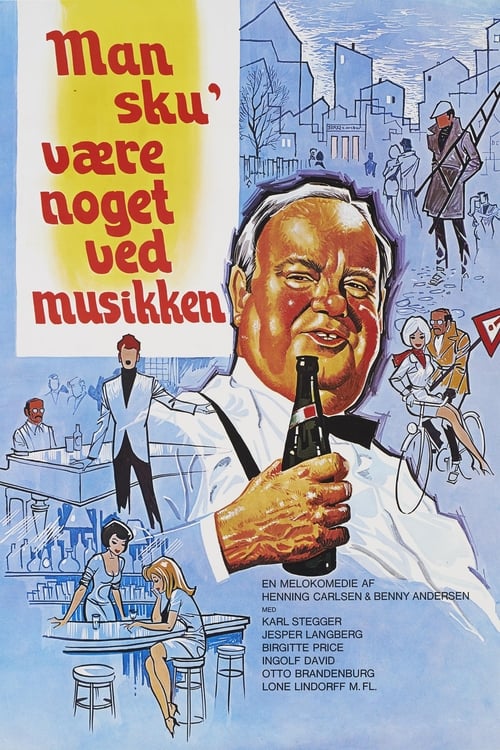
This is a film about the stuff dreams are made of, yet, there is nothing elevated in this concept, on the contrary. The characters around the bar Strudsen (the ostrich) are doing what ostriches do, hiding themselves from the threats of life and keeping their dreams to themselves. Scriptwriter Benny Andersen being a poet is rendering a loving portrait of a number of persons, who fail to try to make their dreams come true, possibly not being sufficiently dissatisfied with their life after all. The manager would like a bar of his own but dare not admit to it, the butcher would like to be an opera singer, the window cleaner (sorry, window polisher) is secretly in love with the bar lady, but dare not show it and the pianist willingly listens to all the different dreams being presented to him. This film was the best accomplished movie from Henning Carlsen since his debut with 'Sult'.
Paul is a calm and sympathetic lawyer who senses from the outset that his wife Anne has found herself a boyfriend. But he doesn't say anything—not until she says something.
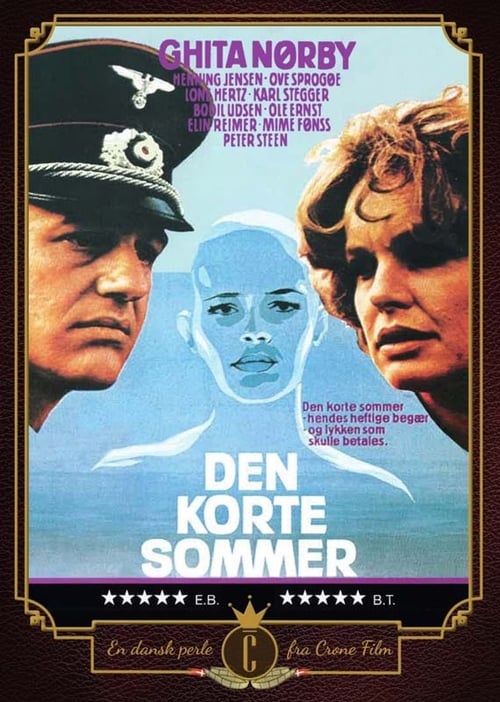
Kirsten gets divorced in her early 40s and moves with her son to her parents' home in Hjørring. Here she falls in love with a German officer, without considering the social ostracism and contempt she exposes herself to. Meanwhile, the tide of war is slowly turning, and German victory is no longer as certain as it once was.