Directing
Recorded live at the Royal Opera House, Covent Garden, London on 2 June 1992.
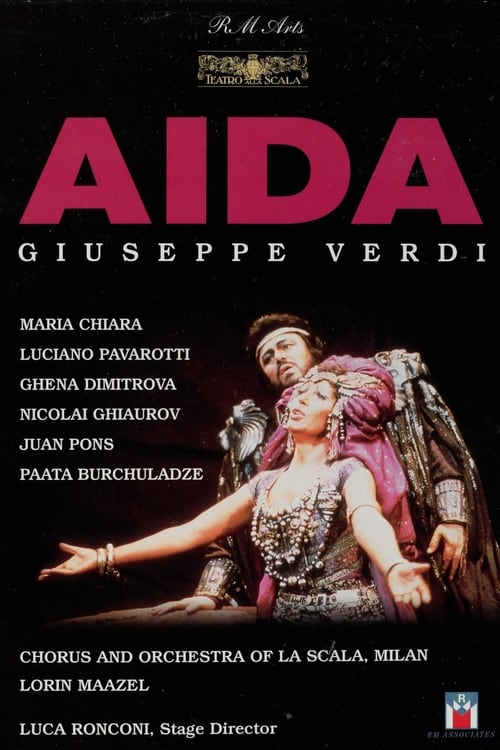
La Scala went all out for its 1986 production of this grandest of grand operas, with a strong cast and, most important for a video recording, a larger-than-life staging. The Triumph Scene in Act II is by no means Aida's only attraction, but it is the part that makes the strongest and most lasting impression and it is the visual and musical climax of this production. Stage director Luca Ronconi brings on a procession to dwarf all processions: looted treasures, heroic statuary, miserable captives struggling under the lash of whip-bearing slave drivers. On par with these visuals is Lorin Maazel's first-class performance of the popular Grand March with the outstanding La Scala chorus and orchestra. In Act III, the contrasting tranquility of the Nile Scene also gets a visual treatment to match the music's qualities.
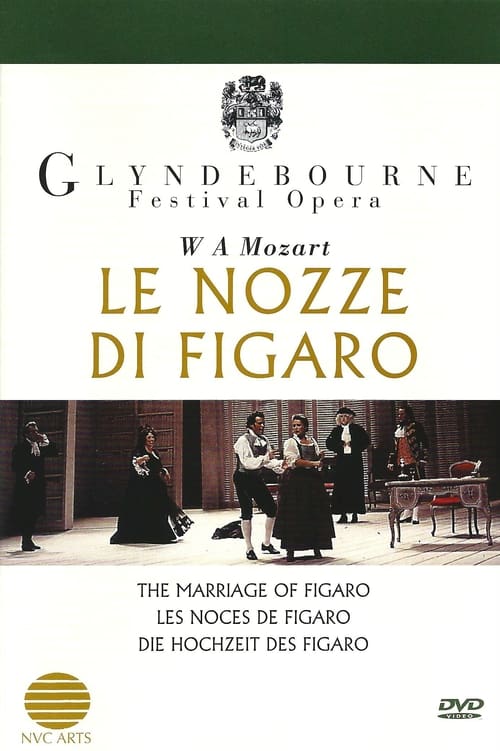
The Marriage of Figaro is a continuation of the plot of The Barber of Seville several years later, and recounts a single "day of madness" in the palace of the Count Almaviva near Seville, Spain. Rosina is now the Countess; Dr. Bartolo is seeking revenge against Figaro for thwarting his plans to marry Rosina himself; and Count Almaviva has degenerated from the romantic youth of Barber into a scheming, bullying, skirt-chasing baritone. This follows the Count trying to obtain favours from Susanna, Figaro's bride to be, under the nose of the Countess.
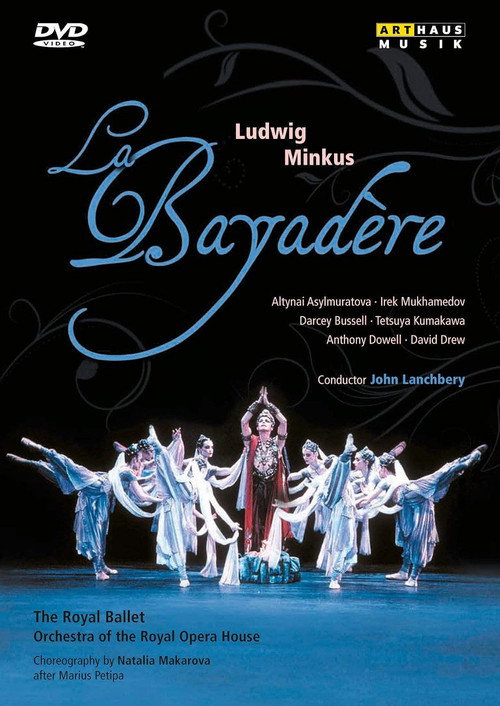
Nikiya, a temple dancer, is in love with the warrior Solor. The High Brahmin also desires Nikiya, and when she rejects him, he plans to take revenge on Solor. When the High Brahmin tells the Rajah about Solor’s secret love, the Rajah decides that Nikiya, not Solor, should be killed. Princess Gamzatti is to be married to Solor. She overhears and tries to bribe Nikiya to give up Solor, but Nikiya refuses. The Rajah and Gamzatti arrange for Nikiya to be killed by a snake bite during the engagement festivities. Despondent, Solor is filled with remorse and haunted by visions of Nikiya. He cannot complete the wedding ceremony. The gods are angered and destroy the temple with all inside it. In the afterlife, Solor and Nikiya are finally united.
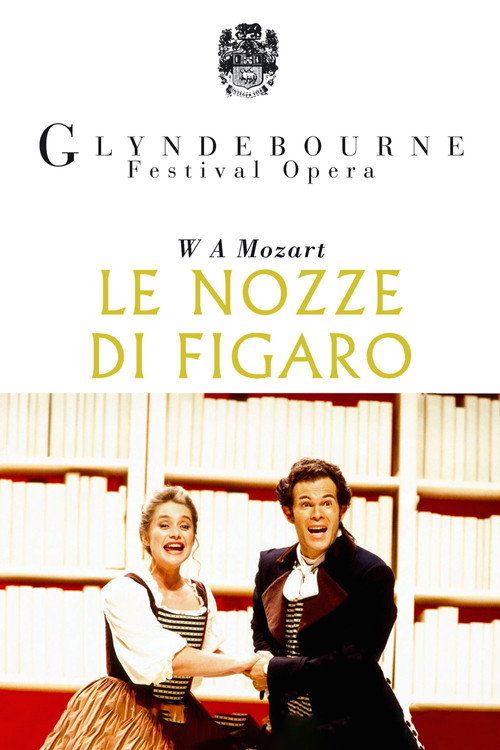
Live from Glyndebourne 1994. The first production to be filmed Live in Glyndebourne´s new opera house May 1994. The Marriage of Figaro is a continuation of the plot of The Barber of Seville several years later, and recounts a single “day of madness” in the palace of the Count Almaviva near Seville, Spain. Rosina is now the Countess; Dr. Bartolo is seeking revenge against Figaro for thwarting his plans to marry Rosina himself; and Count Almaviva has degenerated from the romantic youth of Barber into a scheming, bullying, skirt-chasing baritone. This follows the Count trying to obtain favours from Susanna, Figaro’s bride to be, under the nose of the Countess.
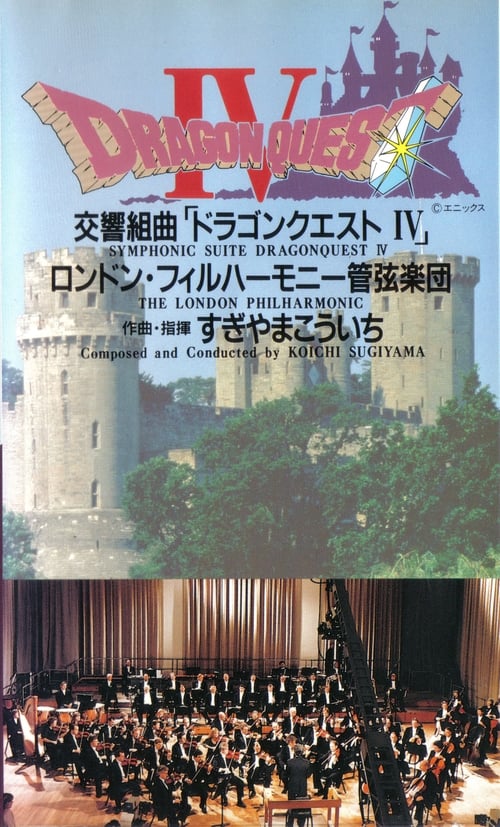
Home video featuring The London Philharmonic performing music from Dragon Quest IV: Michibikareshi Monotachi, conducted by composer Koichi Sugiyama.
National Theatre Cottesloe production filmed for Channel 4
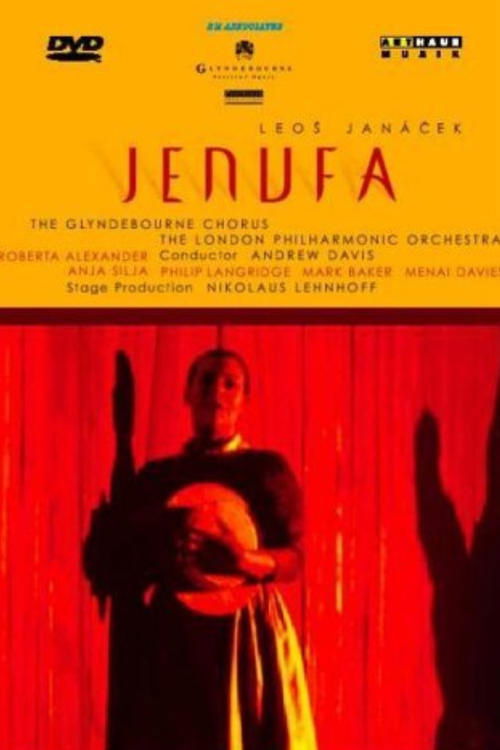
The embittered widow, Kostelnicka, drowns her infant grandson to save her beloved stepdaughter Jenufa from the shame and hardship of raising an illegitimate child.
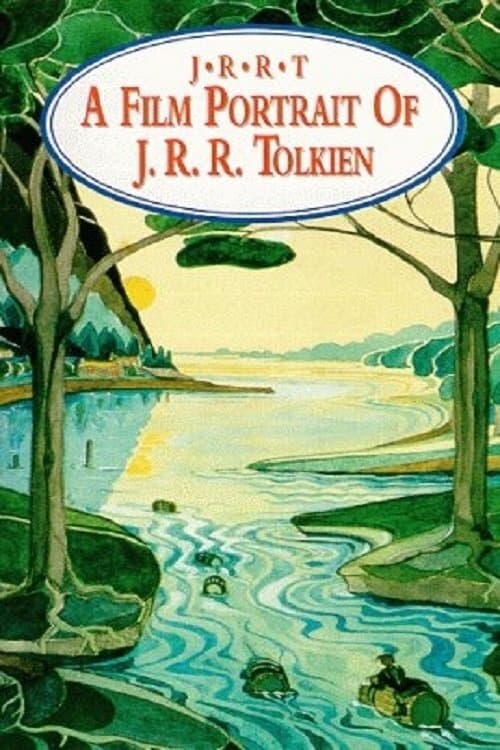
J.R.R.T.: A Study of J.R.R. Tolkien is a 1992 documentary, narrated by Judi Dench, produced to celebrate the centenary of J.R.R. Tolkien's birth. It is sometimes called "J.R.R. Tolkien: A Portrait" and "J.R.R. Tolkien - An Authorized Film Portrait". It features archive footage and audio recordings of J.R.R. Tolkien, and interviews with three of his children Priscilla, John, and Christopher. It also includes interviews with Baillie Tolkien, Robert Murray, Queen Margrethe II of Denmark, Rayner Unwin, Tom Shippey, and Verlyn Flieger.
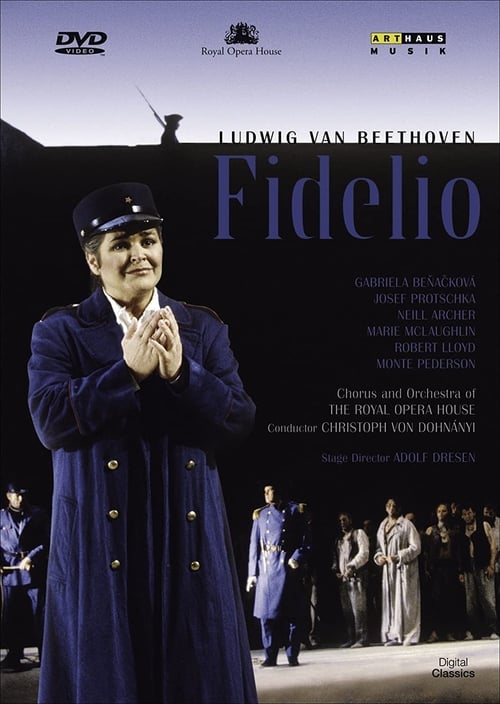
Beethoven's opera Fidelio.
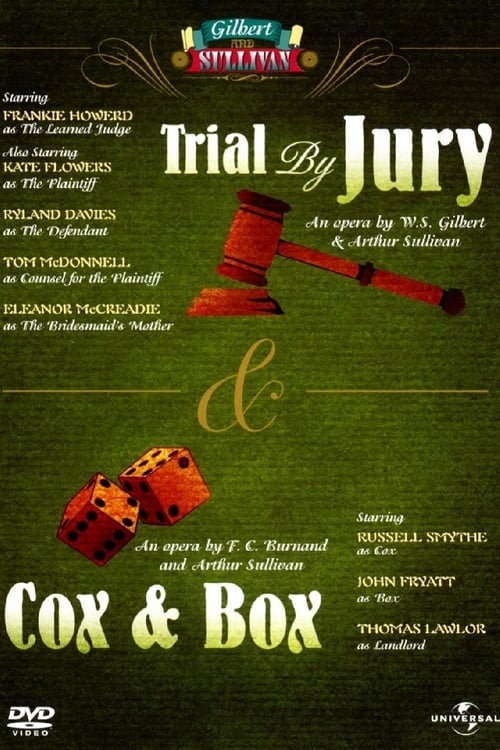
Set around a classic case of broken vows – the defendant having literally left the claimant at the altar – the trial bubbles over with emotion, humour, and downright chaos, leaving the jury divided.
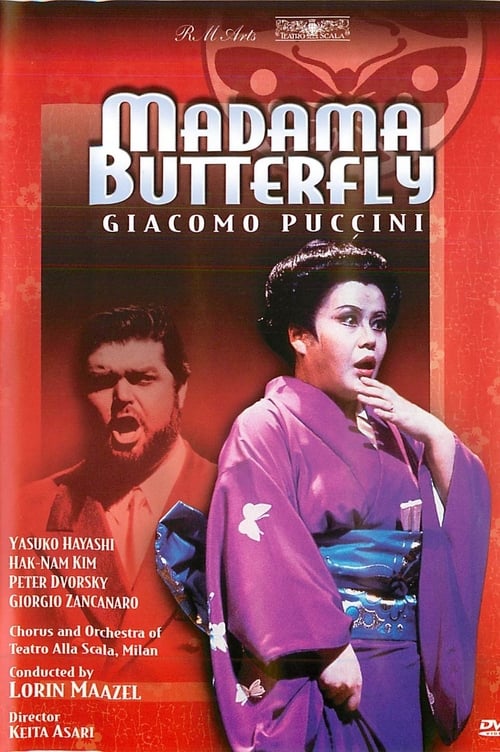
Opera at La Scala Milan
Billboards is a ballet created by the Joffrey Ballet featuring the works of Prince. The premiere was on Wednesday, January 27, 1993, at Hancher Auditorium, University of Iowa, Iowa City. No new music was used, although Prince contributed a special extended ten minute orchestrated version of "Thunder" from the Diamonds and Pearls album. A video of the performance was released on VHS in February 1994, and on Laserdisc format.
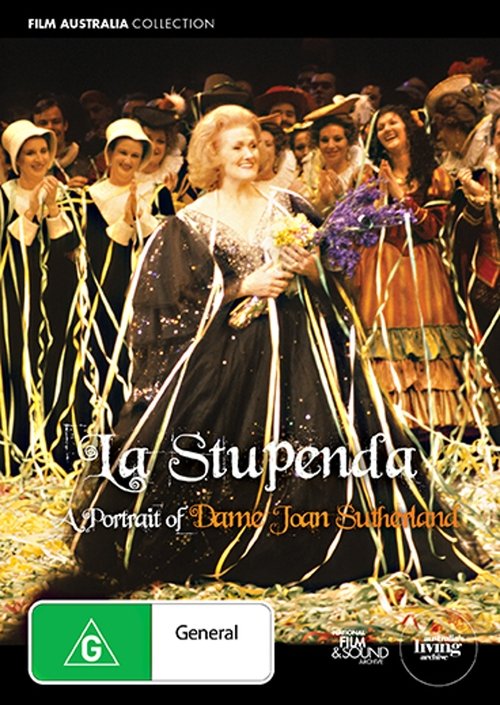
Dubbed ‘La Stupenda’ thirty years ago by an Italian critic, Dame Joan Sutherland and her husband Richard Bonynge talk at length about her distinguished singing career and their life together in opera. The film combines documentary, archival material and performance to present a unique retrospective of those years. Affectionate contributions from some of their close friends and colleagues, including Luciano Pavarotti, Marilyn Horne, Dame Kiri Te Kanawa and fellow Australian Sir Sidney Nolan, add to a celebration of Dame Joan’s singular talent.
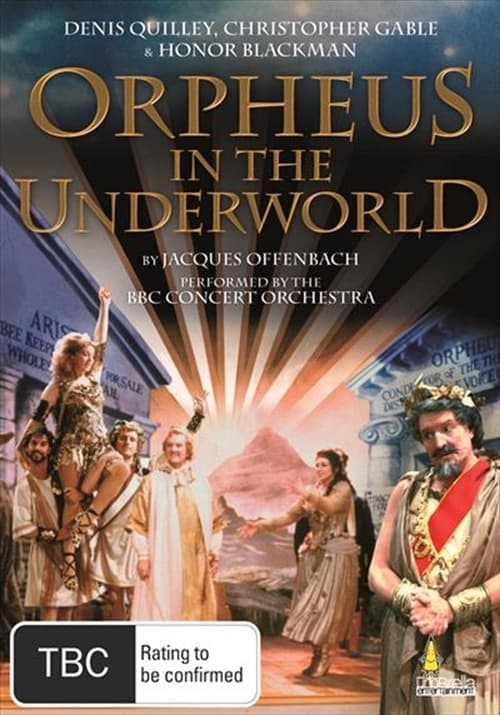
Offenbach's popular comic opera poking fun at Greek mythology in english translation, staged for television by Christopher Renshaw.
A group of young men from Glasgow sign up to fight in the The Great War in a filmed version of Bill Bryden's play.
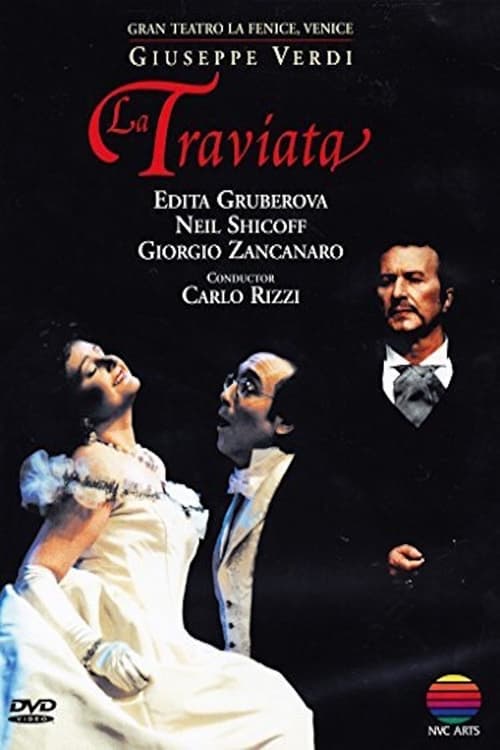
This set has Edita Gruberova singing in top form, all her scooping cast aside, which one finds in abundance in her Lucia under Richard Bonynge. Here, however, she makes ravishing use of those bits of tone that only she can produce: those instances of coloratura and dramatic legato with little asides and small florishes of style that suggest her intelligent approach and her high degree of musical involvement in this role. She does this in her I Puritani and her Anna Bolena, less so in Roberto Deveraux and Maria Stuarda(both sets). Listen to Addio del passato and the Sempre Libra...ravishing, yes, but there are again those nuances learned from Callas that she makes her own. A very singualr perform,ance, and extremely moving with its detail and cry for pity throughout..from the start even. Neil Schicoff is excellent, not an unworthy Alfredo at all! His is a great lyric tenor voice that should have been in the top line.
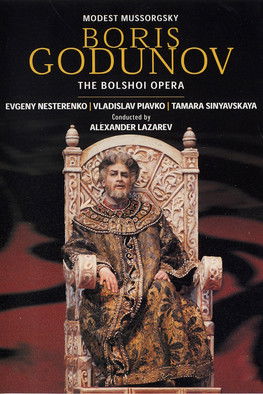
Mussorgsky's quintessential Russian opera is captured live on stage in this performance by the Bolshoi Opera featuring Rimsky-Korsakov's revised vision and starring Evgeny Nesternko and Vladislav Piavko.
Filmed performance of Bill Bryden's play about life in and around the shipyards of Glasgow, performed in the former engine shed of Harland & Wolff shipyard, Govan.
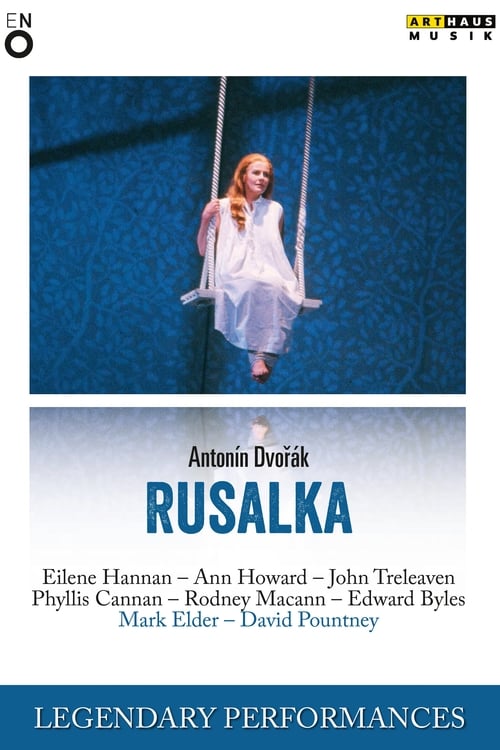
Dvořák's "Rusalka" in a production by David Pountney at the English National Opera in 1986. Mark Elder conducts the orchestra, accompanied by the English National Opera Chorus in English.