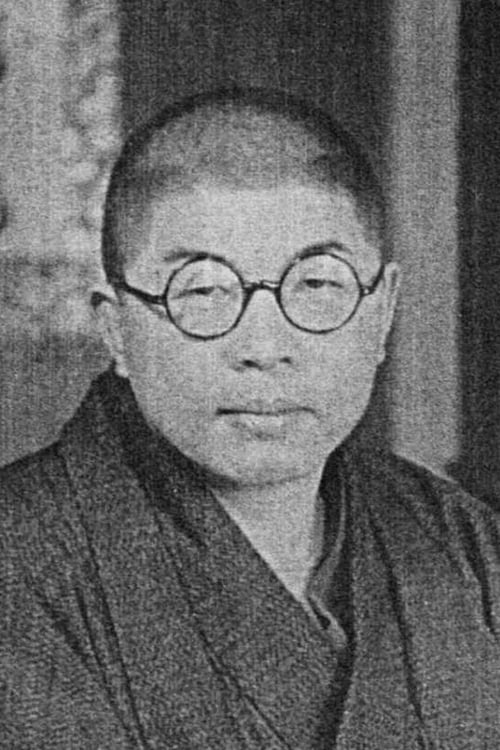
Yasutaro Yagi
Writing
Biography
Yasutarō Yagi (3 February 1903 – 8 September 1987) was a Japanese screenwriter, mostly famous for his adaptations of literary works for the director Tomu Uchida in the 1930s, such as Jinsei gekijō and Kagirinaki zenshin, and for his collaborations with leftist filmmakers such as Kaneto Shindo and Tadashi Imai in the postwar period. He served as president of the Japan Screenwriters Guild. Wikipedia contributors. "Yasutarō Yagi." Wikipedia, The Free Encyclopedia. Wikipedia, The Free Encyclopedia, 24 Jan. 2021. Web. 3 Nov. 2021.
Known For
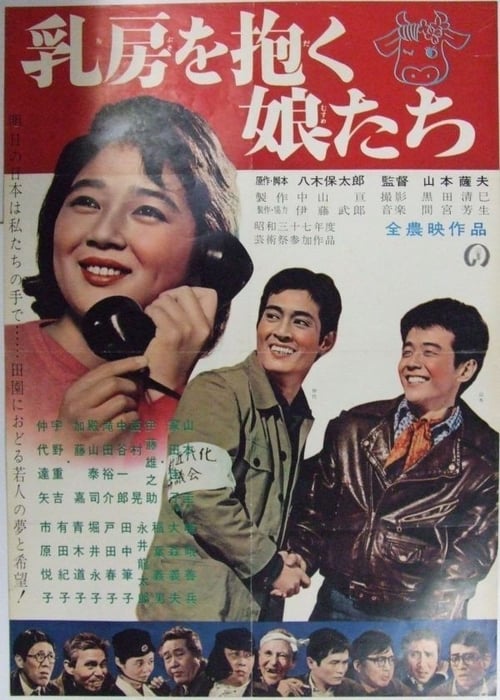
Japanese drama.
Farm Girls
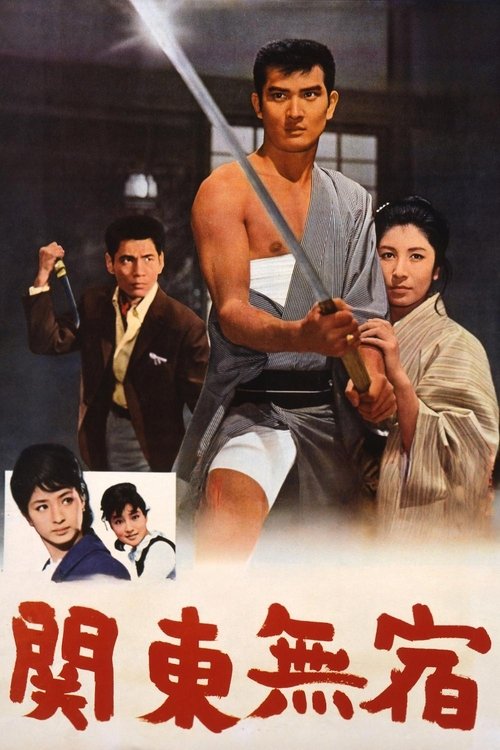
Handsome young Katsuta tries to follow the yakuza code, but even his boss doesn't believe in it. Diamond Fuyu is less ethical, and allows the idiotic Tetsu to trick a schoolgirl he fancies, Hanako, into a type of bonded prostitution. Because of gang conflict, the Izu family (to whom Katsuta belongs) has their last gambling den taken over, and he seeks revenge. This brings him back into contact with a former lover who is also a card trickster - she is also Diamond Fuyu's sister, and is now married to Okaru-Hachi, who has mastered a clever card cheating trick called Okaru, which involves the deft use of mirrors.
Kanto Wanderer
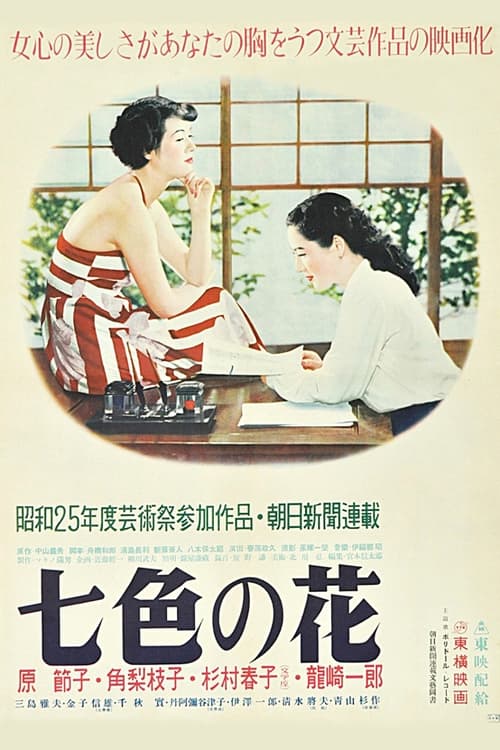
Ebihara is a budding novelist entangled in a complicated web of relationships with three women from three different generations: Kazue, a coquettish teenage war orphan who tries to offer herself for money but is instead taken in by Ebihara, Koyabu, a middle-aged woman who has spent much of her life as the kept woman of a wealthy man, and Teruko, the modest daughter of Ebihara's former teacher who comes to rely on him after the death of her father.
The Rainbow-Colored Flower
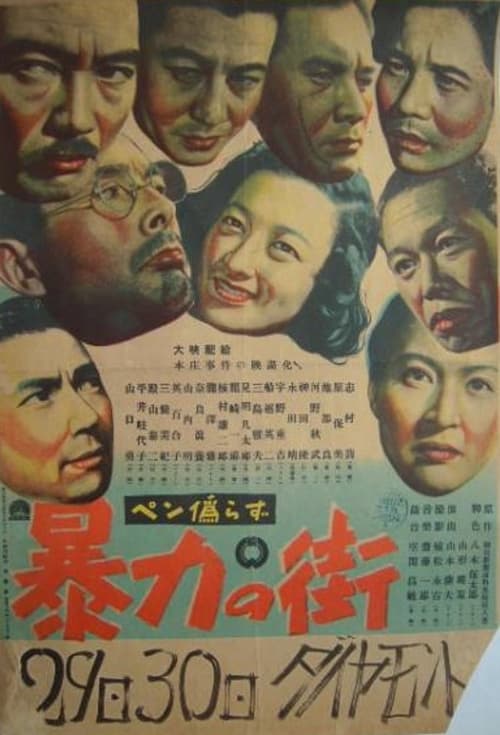
An attempt is made to suppress a journalist's investigation of collusion between a rural police chief and the local gangster bosses.
Town of Violence
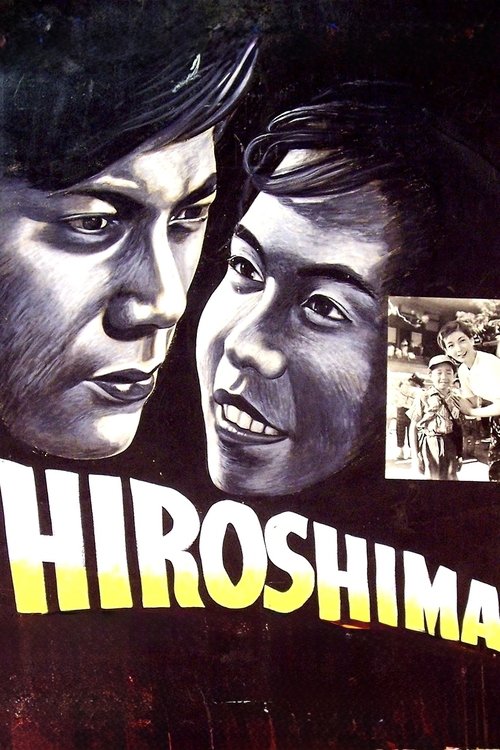
Historical fiction about the aftermath of the atomic bombing of Hiroshima, Japan, on 6 August 1945, and its effects on various civilians, especially children, of that city.
Hiroshima
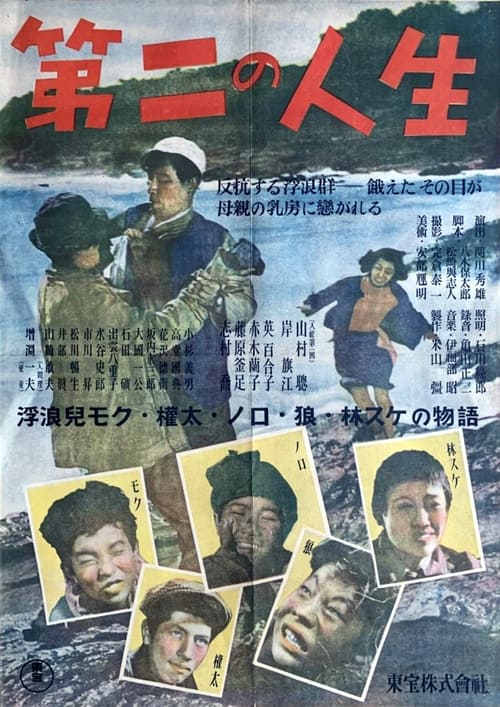
1948 Japanese drama film.
A Second Life
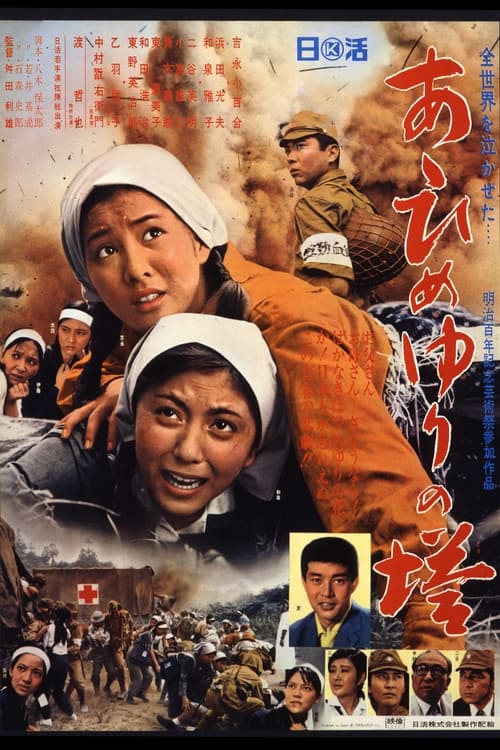
In 1943, critical developments in the Pacific War have placed Japan at a disadvantage, although the fiery breaths of war hadn't yet reached Okinawa Normal School for women. Nothing seemed the least bit out of the ordinary, as Kazuko and her friends enjoyed a day of sports. A year later the war takes a devastating turn, as US forces plan an amphibious attack known as "Operation Iceberg" on the Ryukyu island.
Monument to the Girl's Corps
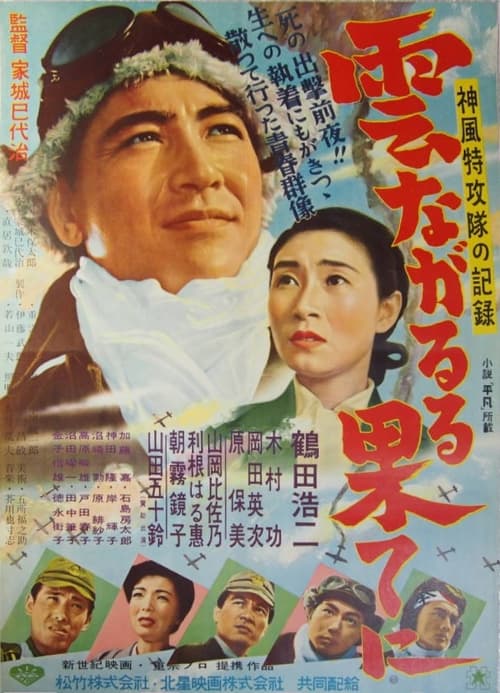
A movie that depicts the tragic fate of many Yokaren flight-academy pilots.
At the End of the Clouds
An ageing fishing boat, Dai-go Fukuryu Maru ("Lucky Dragon No. 5") sets out from the port of Yaizu in Shizuoka Prefecture. It travels around the Pacific line fishing. While the ship is near Bikini Atoll, the ship's navigator sees a flash. All the crew come up to watch. They realize it is an atomic explosion, but take time to clear their fishing gear. A short time later, grey ash starts to fall on the ship. When the ship returns to port the sailors have been burned brown. They unload the fish, which are then transported away. They visit the local doctor and then go to Tokyo for an examination. It turns out they are all highly radioactive. Their symptoms become worse, and the contaminated fish causes a panic.
Lucky Dragon No. 5
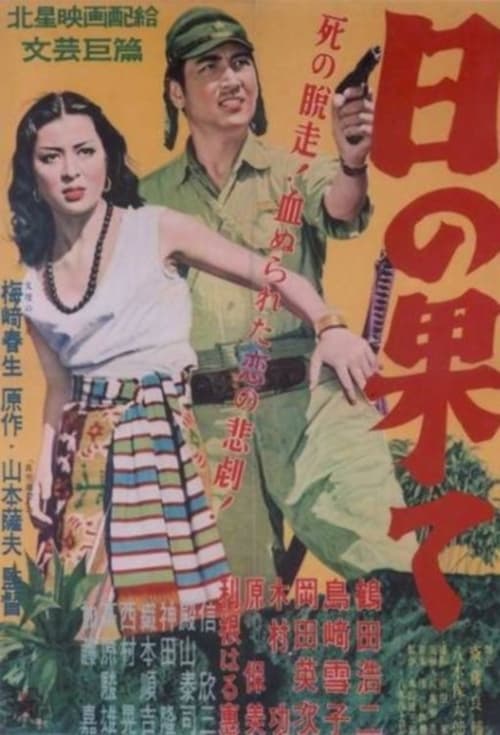
Military doctor Leutenant Hanada deserts during the war in the Philippines with a local girl. The officer in command orders Lieutenant Uji to shoot Hanada. Uji takes a sharpshooter called Takagi and tracks him. At first Uji cannot forgive Hanada but as Uji is isolated from the main force he too starts to think of desertion.
The End of a Day
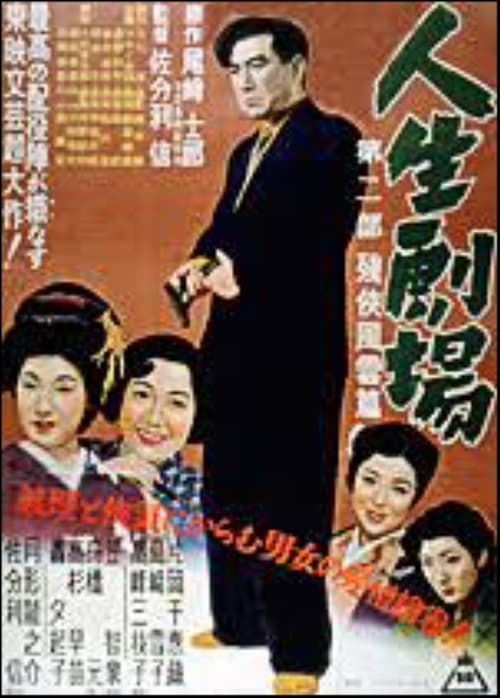
Part two of Shin Saburi's Theater of Life adaptation.
Jinsei Gekijo: dai ni bu
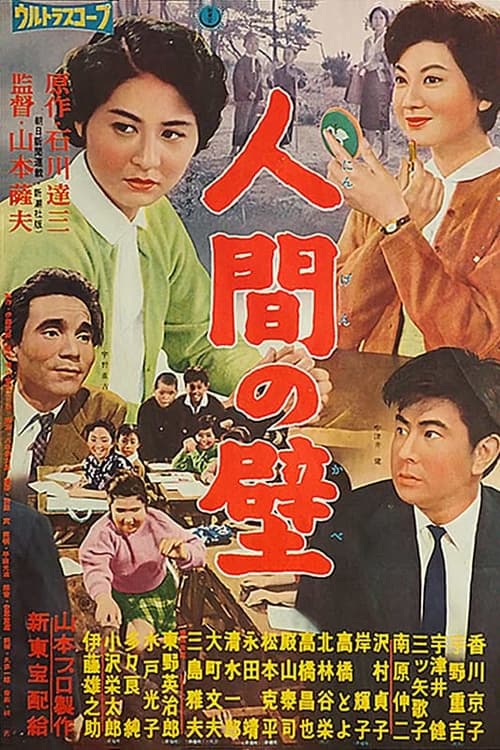
Drama which shows the struggle of Fumiko, a female teacher, at work and at home.
The Human Wall
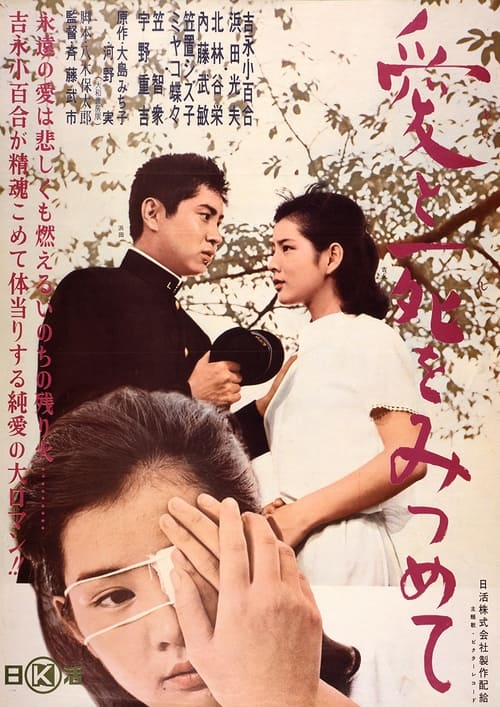
A young girl knows that she is going to die and in this she is supported by the devotion of the boy who loves her. They originally met at the hospital. There it transpired that the only way to save her life was to sacrifice an eye and part of her face. The operation seems a success. Later, however, her other eye becomes affected. She feels she must let the boy go, and yet she depends so much upon his devotion.
Gazing at Love and Death
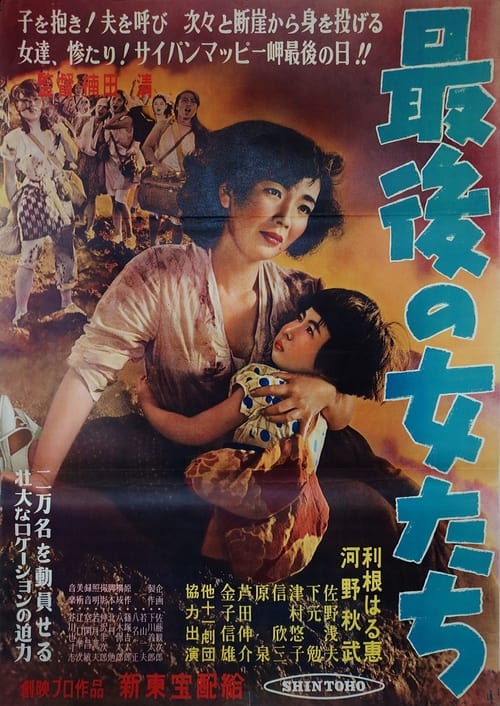
The events of the film are based on the real facts of the Pacific War, when in June 1944 the American troops began landing on the Saipan island. On July 7, an order comes that everyone must die in order not to be captured by the enemy.
The Last Women

This film is strongly anti-war film. The film is based on the collection of writings by Japanese student soldiers who died during World War II. The film is located to Burma. It shows the everyday problems of soldiers in contrast of their ideas and the cynicism of their commanders. Soldiers are also victims of military bullying by their commanders.
Listen to the Voices of the Sea
At 38, Seiu marries Masako, who is emotionally distant and attempts suicide. Masako’s past includes being sold into servitude and an unrecognised pregnancy. Seiu learns the truth and accepts Masako and the unborn child, embracing his roles as husband and father. He also reforms a troubled youth at his institution. In a climactic speech, Seiu inspires his students with resilience and love.
Children of the Sun
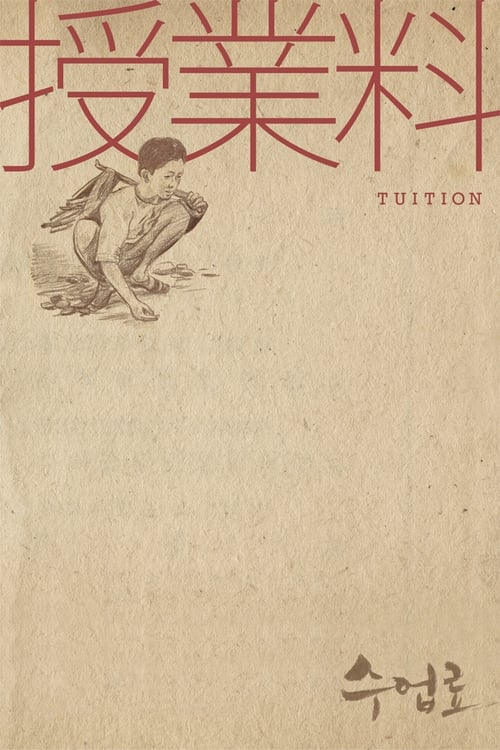
A film based on the memoir of a 4th grade student who received the grand prize in a writing contest sponsored by Gyeongseong Daily. A boy, whose parents sell brass spoons on the street while his grandmother is sick in bed, never has money for his tuition. Fortunately, his aunt offers to pay for his tuition and his classmates raising funds for him. To top it all off, his parents return a few days later to promise him that they will pay for his tuition the next time.
Tuition
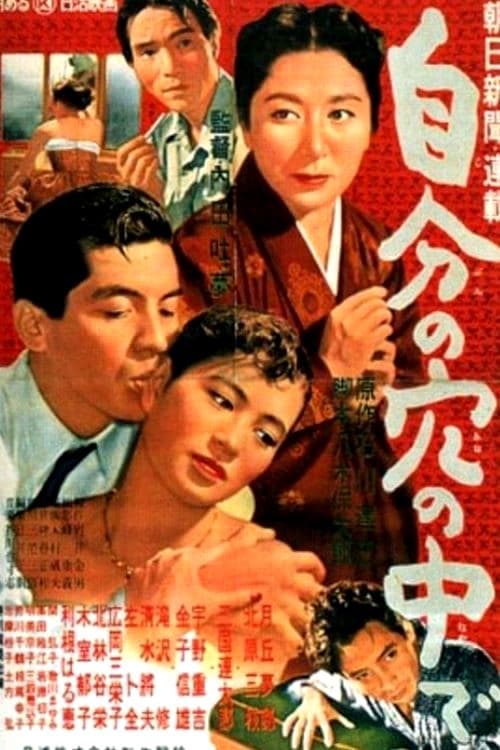
Nobuko is a widow who lives with her stepchild Tamiko and her brother Junjiro. The family's gatekeeper, Komatsu, is attracted to Tamiko, but she is encouraged to marry a doctor and he is afraid to tell her his feelings.
A Hole of My Own Making
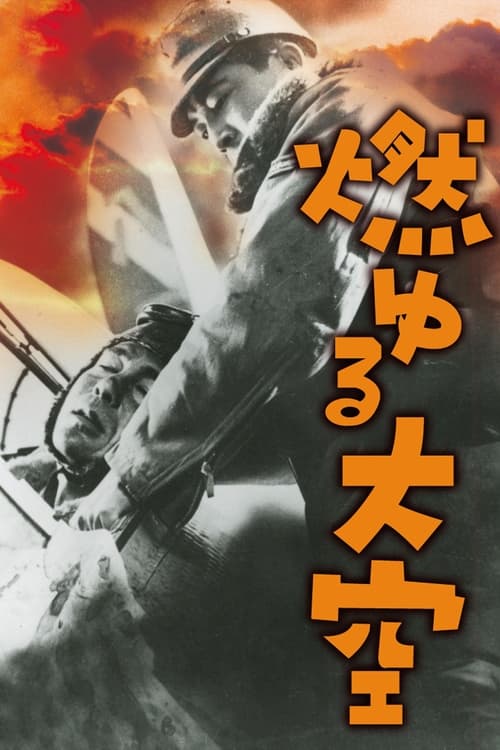
The film was produced during Second Sino-Japanese War, before the Pearl Harbor Attack in 1941. The film mainly concerns the training of newly-recruited pilots and their daily life, then their subsequent fighting experiences in China. Army supported the production, providing all the authentic airplanes, training and actual actions. They even provided the older biplanes disguised as Chinese fighter planes. Obinata plays the trainer-turned-combat-leader, who is passionate and cool at the same time. All his boys love him, of course. The film is not as intense, full of sugar-coated camaraderie, until young pilots are killed in action one by one. Last twenty minutes are fairly grim, as the message of self-sacrifice is heard loud and clear.
The Burning Sky
No description available.