Directing
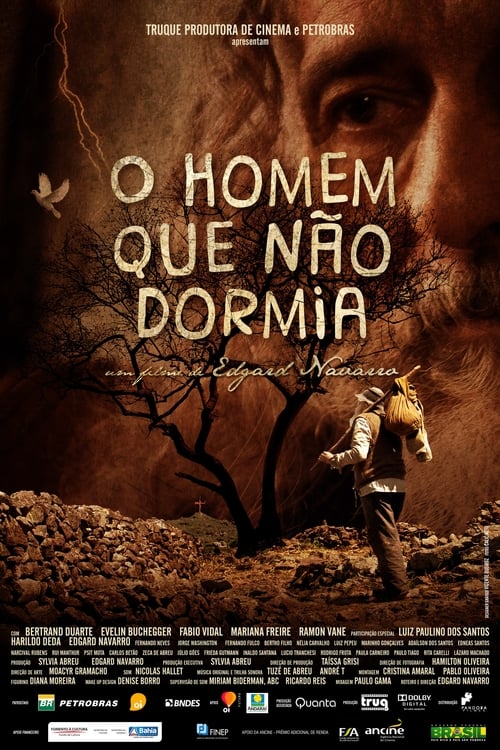
On a same night, five people from a small country town have the same nightmare. Upon the arrival of a pilgrim, the village is taken off its mediocre routine and the characters are thrown on the vortex of an uncommon situation. Each one’s truth will come to light, releasing them of the wicked hypocrisies, fears and diseases, compelling them to take control of their fate and rewrite their life.
No description available.
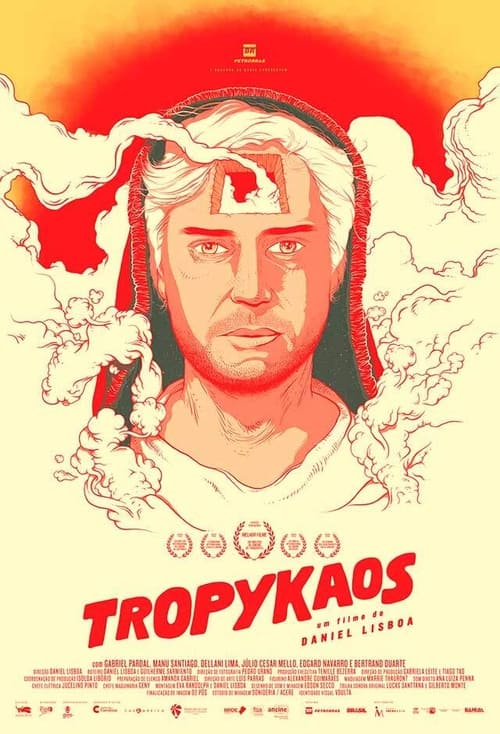
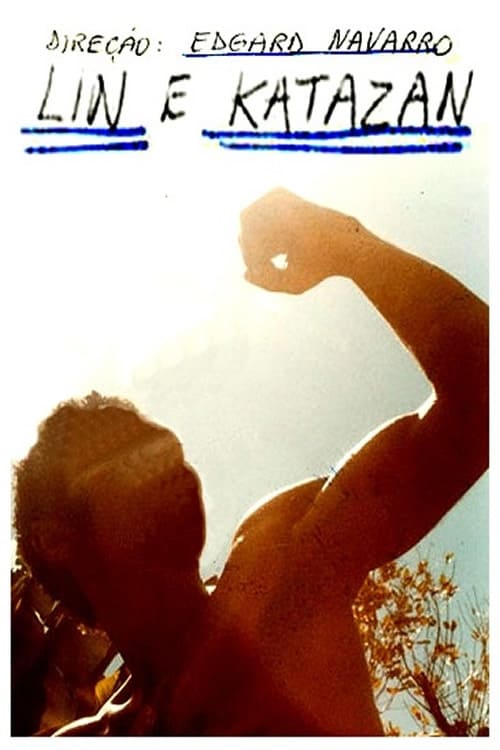
The film tells the saga of Guima, a young poet who believes he suffers from “solar ultra violence” during the hottest summer in 50 years in Salvador. The alleged disease is caused by the relentless heat that hits the city. Under the marginal eyes of Guima, in a mix of reality and fantasy, the film presents a tropical/chaotic Salvador, as opposed to the stereotypical city seen in postcards, on a journey of a search for a redemptive air conditioning that can rid this contemporary antihero of what suffocates his existence.
Schizophrenic tramp performs outrageous acts in the streets of Salvador, and in the end tries to fulfill his ultimate dream: to fly over the city, as a superhero would.
An emblematic film having as a guiding thread the clothes spread on the poles.
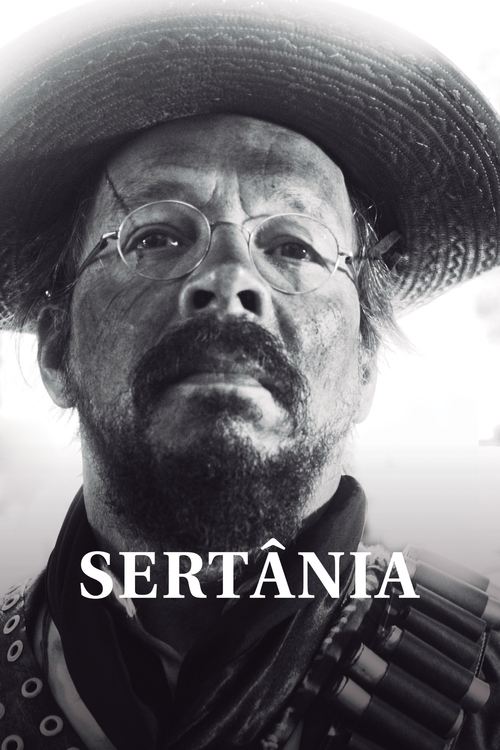
When bandits take the town of Sertânia, Antão gets shot, arrested, and left to die. Bleeding out, Antão's delirious mind begins to recall the events that led up to the incident through a sequence of increasingly unreliable fever dreams.
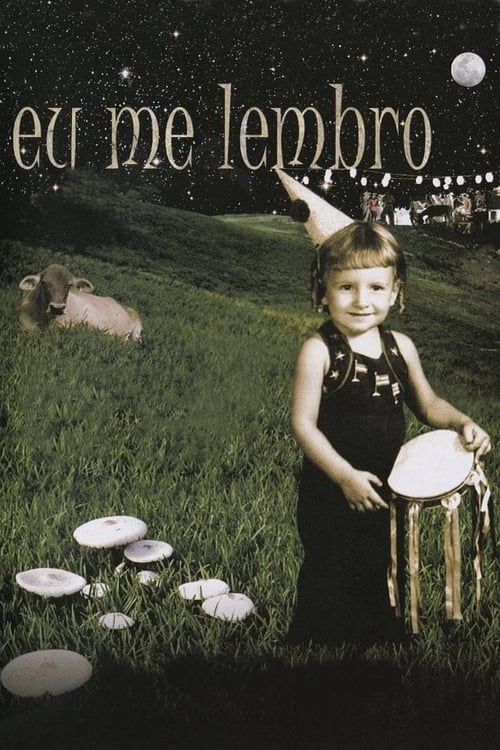
The memories of Guiga, from early childhood to young adulthood: his family, relatives, friends, fears, dreams and reality in a still provincial city of Salvador, Bahia, from the 50s to the 70s.
Bené spent many years looking for his spiritual evolution in a small country town. He has made great progress and is fully integrated into the community, but will be put to the test when he meets Letícia and is brought into the underworld of the big city.
On the day of his death, Carlos Lamarca is visited by the ghost of Lampião.
A documentarist is convinced by her son to travel to Brazil's Northeast so she can throw his dad ashes at São Francisco river.
Based on text from Chico Buarque de Holanda's Fazenda Modelo, the film is a parable about a construction worker and the foreman of the plant.
Fire, old and burned portraits of family life, dogs copulating, figures from the political era of the military dictatorship. Armed, manly, phallic power.
The life of a Lebanese immigrant through 50 years in Brazil.
The act of defecating, filmed in an explicit and impactful way, introduces the parodic story of a demonstrator who evacuates in various institutions in Bahia.
To break with the logic of a historicist and positivist narrative, from the delirium, the mystical and the daydream. To search in the same cinematic experimentalism adventure, a time space image where the Angelus Novus is a call to risk and break with the linear logic of overwhelming conving story-telling. "For the incredible!" - Shouts the Angelus Novus. Performance instead of acting and digital images enlarged and experimentally shot and edited.