Socorro Avelar
Acting
Known For
No description available.
Bendita Mentira
Alma Rebelde is a 1999 Mexican telenovela, starring Lisette Morelos, Eduardo Verástegui and the late Edgar Ponce. It was produced by Televisa. This telenovela contained 90 episodes.
Alma Rebelde

In the village of San Andres, the rivalry between two families the Valdes and the Ramirez is centered on "El Manantial", a beautiful fountain of water that happens to bathe the small property of the Valdes and not the neighboring ranch, the rich and prosperous hacienda "Piedras Grandes", where the best cattle are raised and is property of the Ramirez. But the spring is not the real reason for the hatred between the families. Justo Ramirez, married to Margarita Insunza, had a relationship with Francisca Rivero, wife of his enemy and neighbor Rigoberto Valdes. This relationship, founded in the betrayal, will cause the utmost bitterness and the destruction between the two families. The Valdes have a beautiful daughter named Alfonsina, who was born in the same year as Alejandro, the son and heir of the Ramirez. Although they have grown separately with their souls full of prejudices against their respective families, the two cannot avoid feeling attracted to each other. Margarita will not permit this and so she tells her husband to make sure her son will never be together with Alfonsina so he could marry Barbara, her cousin's daughter. Justo rapes Alfonsina and she leaves along with her mom and her aunt. Five years later... Alfonsina is graduating from school and has a good life until her mother commits suicide because she found out she was deathly ill and could no longer live with the guilt of her lifestyle. Before dying, her mother confesses to Alfonsina that Justo Ramirez destroyed her life and after that Alfonsina vows revenge on the man who destroyed her family. She returns to San Andres and there she once again sees Alejandro who is now engaged to Barbara. Their love is still present in their hearts. They will have to fight for their love and see if they can be happy by the shores of El Manantial... El Manantial is a Mexican telenovela that first aired in 2001, starring Adela Noriega and Mauricio Islas. The telenovela received TVyNovelas Award for Best Telenovela, in 2002.
El Manantial
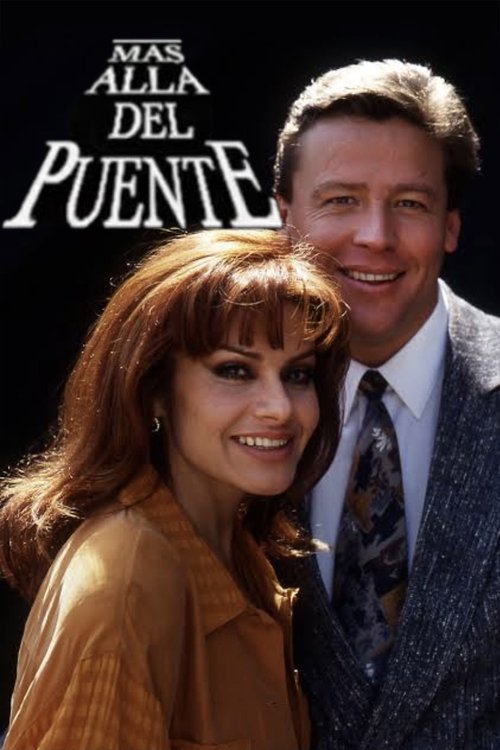
Alicia Sandoval and Eduardo Fuentes are already married and are happy waiting for the arrival of their first child. This incites Ofelia, Eduardo's mother, to take revenge on Alicia for having taken her son from her. Carolina and Luis Enrique are very much in love and ready to marry as soon as they finish school. Chole also lives happy for the marriage of her daughter, Lupita, with Jacinto, and also eager to have Alicia's son in her arms. ' On the other hand, Rosalía, Jacinto's sister, falls in love with a good man named Felipe, but she is forced to give up on him to marry Valerio, the son of a powerful and terrible businessman from La Antigua.
Más allá del puente

An android fighting-machine is charged with destroying a small brigade of rebels in a Latin American war who are fighting to maintain their freedom and protect their village. Contrary to his programming, Peebles decides to stay and assist the rebels in their plight. Having gained this information, his "creators" develop a more powerful android to try and defeat him.
Solo

A Catholic priest in a poor community lives a charitable life in accordance with his religious principles, but others do not return the favor.
Nazarín

A couple on the verge of getting married gets mixed up with a gang of thugs in this routine crime drama that underscores the Socio-economic disparity in the Mexican culture. The upper-class couple rides along with outsiders who go club-hopping and resort to petty thievery. After their adventure, the couple questions whether or not they are right for each other.
The Outsiders
Atrévete a Olvidarme is a short-lived Mexican telenovela. Running for only one month in 2001, the program starred Adriana Fonseca and Jorge Salinas.
Atrévete a Olvidarme
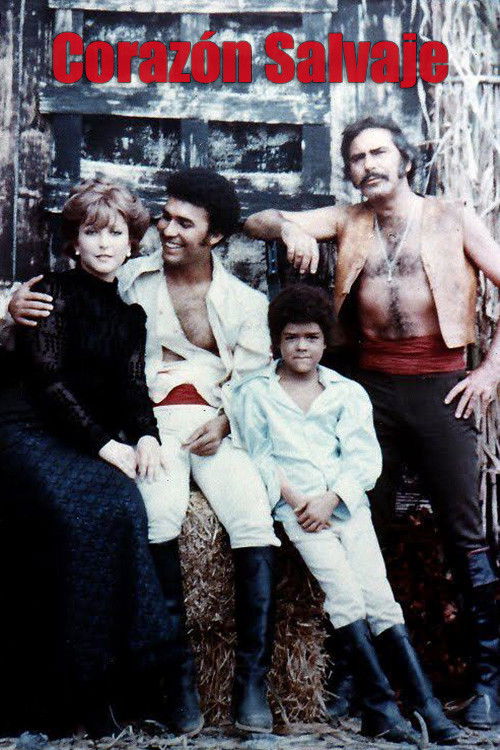
Corazón salvaje is a Mexican telenovela, which was produced by and broadcast on Televisa in 1977. It is the fourth of five screen adaptations of the novel of the same name by Caridad Bravo Adams, and the second telenovela. The first telenovela was starred by singer Julissa while the 1977 production was starred by singer Angélica María who had previously had the role of Mónica in the 1968 film version. Actor Ernesto Alonso produced this version and after not casting Julissa and instead repeating Angélica María the first allegedly declared "Since my father is not employed in this company anymore Ernesto Alonso has forgotten me in his castings".
Corazón salvaje
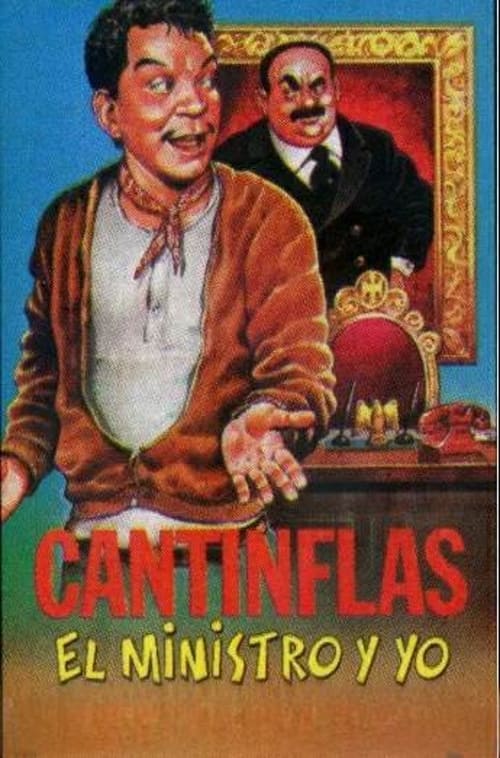
Mateo Melgarejo is a notary public and scribe for the illiterate people of Santo Domingo, a neighborhood north of Mexico City's Zócalo. A squatter friend asks for his help in negotiating with the land census bureau to regularize a land title. After a great deal of frustration with the government bureaucracy, he writes a letter to the cabinet minister, earning an audience with him. The minister hires Melgarejo to reform the bureau, and the appointee proceeds to lecture the officials on their duties in a democratic society. At the end, he gives up the post, returning to Santo Domingo to help its poor residents.
The Minister and Me

The Driver is drafted by the UN to rescue a wounded war photographer named Harvey Jacobs from out of hostile territory. While they are leaving Jacobs tells the Driver about the horrors he saw as a photographer, but he regrets his inability to help war victims. Jacobs answers the driver curiosity about why he is a photographer by saying how his mother taught him to see. He gives the Driver the film needed for a New York Times story and also his dog tags to give to his mother. When they reach the border, they are confronted by a guard who begins to draw arms as Jacobs begins taking pictures, trying to get himself killed. The Driver drives through a hail of gunfire to the border, but finds Jacobs killed by a bullet through the seat. The Driver arrives in America to visit Jacobs' mother and share the news of him winning the Pulitzer prize and hand over the dog tags, only to discover that she is blind.
Powder Keg

The Mexican painter Francisco Goitia, feeling his death approaching, manages to make a memory of his life: the reunion with his country and his people, his permanent search for identity as a man and as an artist and his struggle against the demons of the body and his subsequent religious conversion.
Goitia: A God for Himself
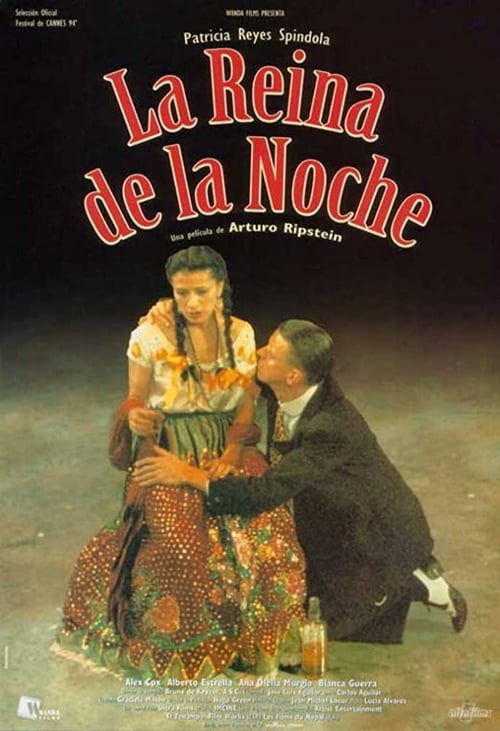
The legendary life of Mexican singer Lucha Reyes is the basis of this fictionalized biography ( or as director Arturo Ripstein puts it "an imaginary biography"). Lucha Reyes was an unconventional, and sexually liberated woman, most famous for her "cancion ranchera" style singing. Her story begins in 1939, where at 33 she still lived at home with her mother, Dona Victora, the madame of a renowned Mexico City whorehouse. Lucha marries the liberal Pedro Calderon and then buys a beggar's daughter. She becomes the mother to this child, Luzma. Lucha craves lasting love like junkies crave heroin. But for her loyal daughter, she never finds it and in the end no one can help her.
The Queen of the Night
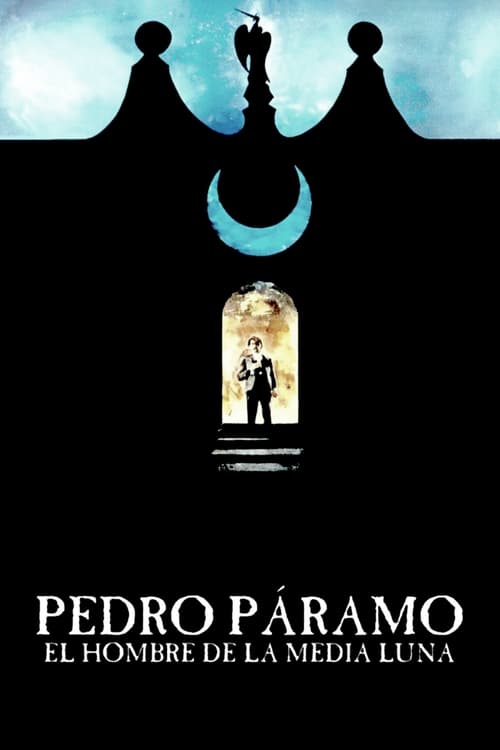
Juan Preciado, son of Pedro Páramo, goes to Comala to claim his inheritance; but when he arrives he finds an abandoned and sinister town, inhabited by mysterious voices and whispers…
Pedro Páramo, el hombre de la Media Luna
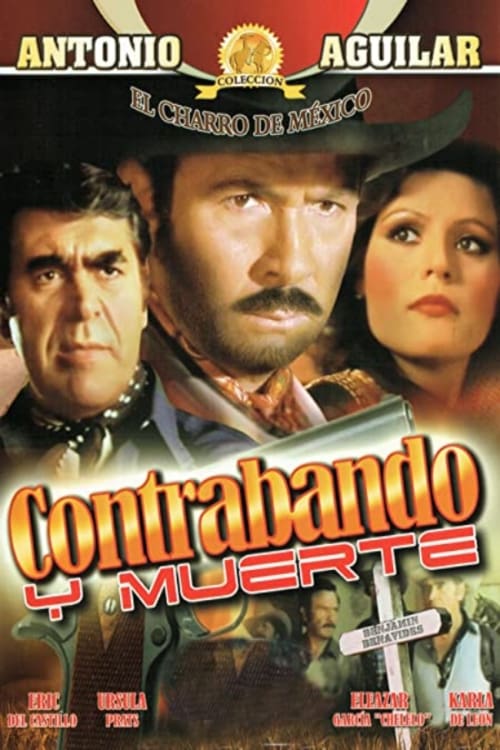
A young man gets involved in the drug trade and is murdered. His father sets out to find the killers.
Contrabando y muerte

Sofia meets a stranger man who hacks the computer system where she works before she has an accident. After the accident, she is the only one that remember seeing this man, so she decides to search for him.
Katuwira, donde nacen y mueren los sueños
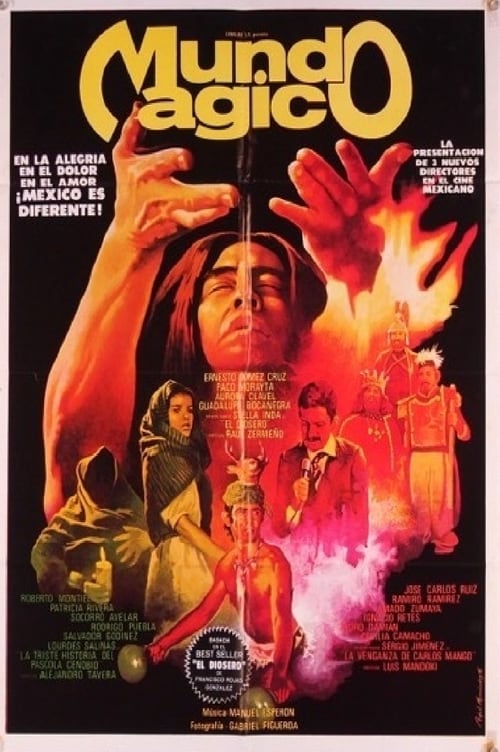
Anthology movie that presents 3 stories about romance.
Mundo mágico
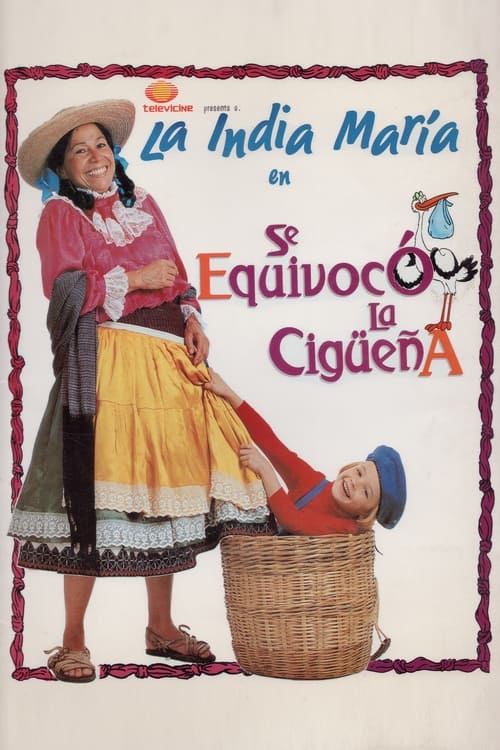
India María raises a kidnapped newborn and is pursued by criminals who want the boy.
The Stork's Mistake
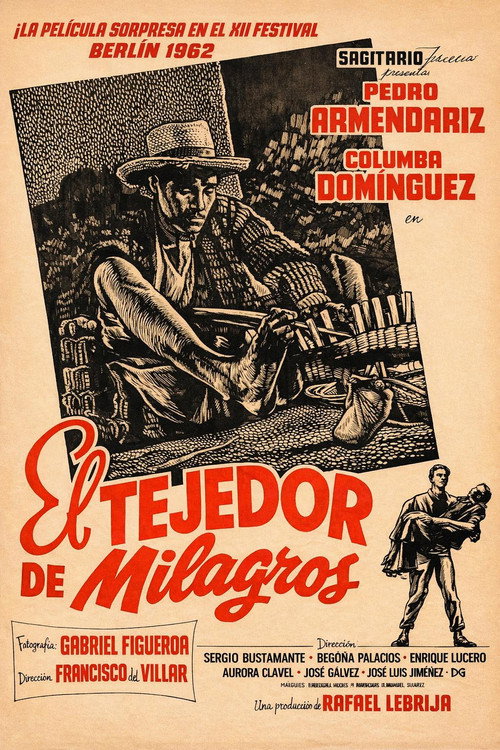
Arnulfo is a man weaving baskets. Remedios has given birth in front of the house of a woman and her aid, but the village is spread the word that the child born as a child God and an atheist would think exploit to their advantage the "miracle ".
Miracles Weaver
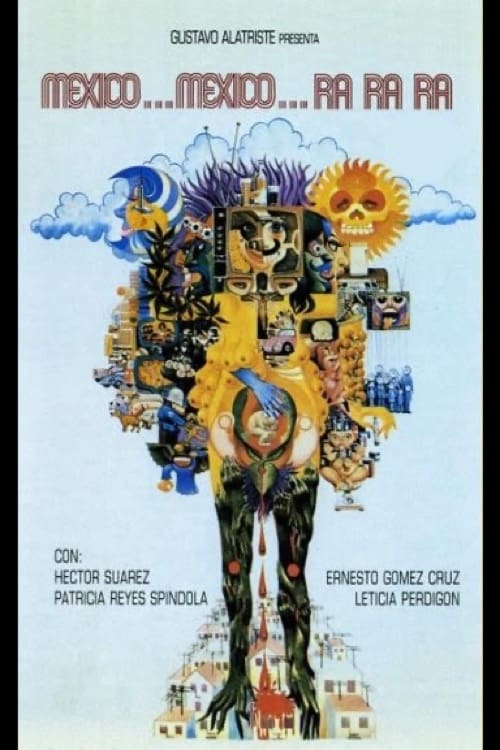
Librado, an unemployed man, lives in a crowded small house with numerous children and relatives, is beaten for stealing a car antenna. His godmother and her children try to settle in his place. She then is arrested at a supermarket for stealing, however, she offers herself and volunteers a friend of hers for sex to the policemen so she can be released. She is a maid of an employee who acts subservient to his boss, a mid-level government employee at once servile who delivers speeches on sexuality in educational texts and then discusses the matter with his brother, a corrupt inspector.