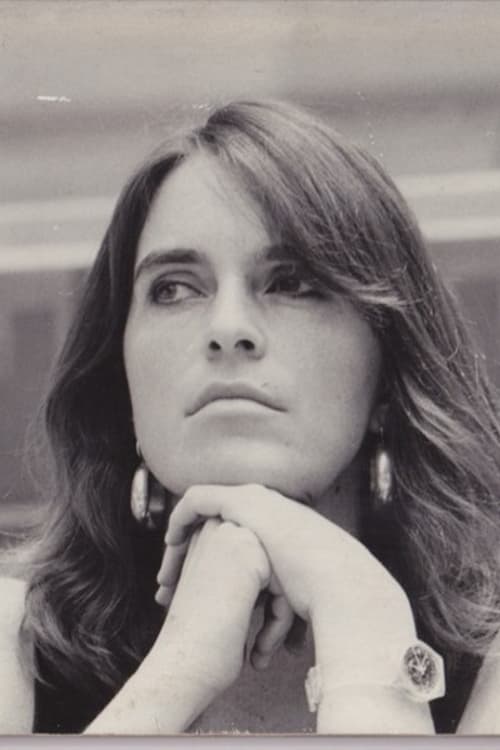
María Novaro
Directing
Biography
María Luisa Novaro Peñaloza (September 11, 1951, in Mexico City), better known as María Novaro, is a Mexican film director. She was among the first generation of female filmmakers to graduate from a film school in Mexico. She has made five feature films and fourteen short films. Within the Mexican film industry, she has been a cinematographer, sound mixer, director, screenwriter and editor. Today, Novaro is one of the best known Mexican filmmakers to come out of the New Mexican Cinema and her films express Millian's idea of cinema in feminine.
Known For
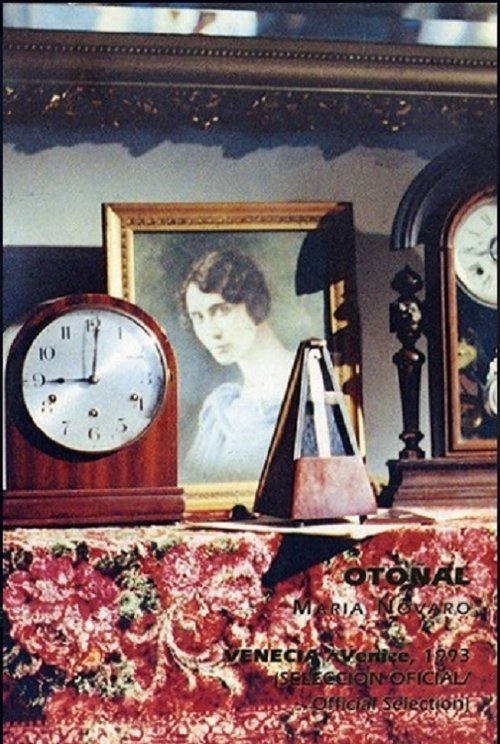
A woman, who lives alone with her mother, invents a fantasy life to escape her reality.
Autumn
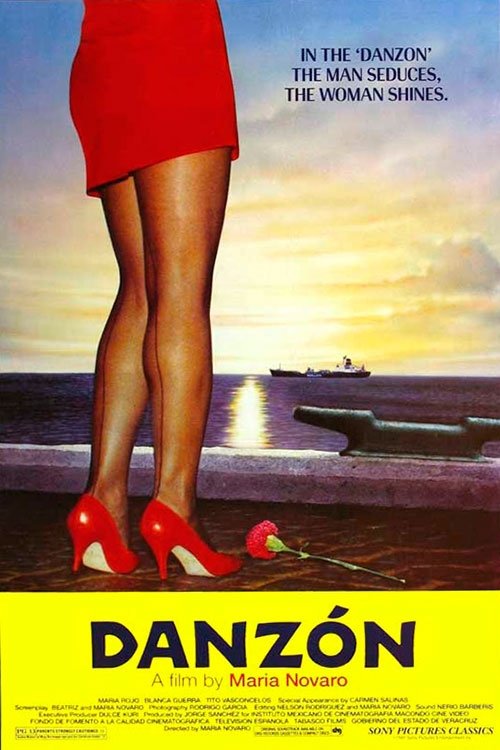
A telephone operator from Mexico City tries to support a family and her passion for popular dance.
Danzón
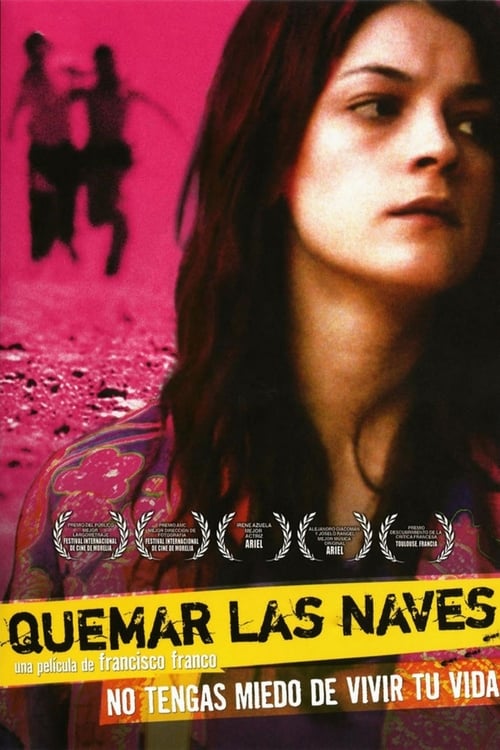
A story of two teens, brother and sister, who live with their dying mother in a rundown mansion in Zacatecas, sustain by a dangerously dependent relationship.
Burn the Bridges

A woman steals from her drug-dealer boyfriend and runs away. She meets a sympathetic woman on the way who helps her escape.
Without a Trace

Right at the heart of the debates on the discrimination of women in the film industry, this documentary raises questions, while offering a voice to women and their cinema. Catherine Breillat, Claire Denis, Mira Nair, Margarethe Von Trotta, Ulrike Ottinger, Micheline Lanctot, Rakshnan Bani-Etemad, María Novaro but also the names of the less visible directors of the general public. Joining the filmmakers are the voices and comments of producers, film specialists and archivists through whom our images are meticulously preserved.
Les réalisatrices contemporaines: l'état des choses
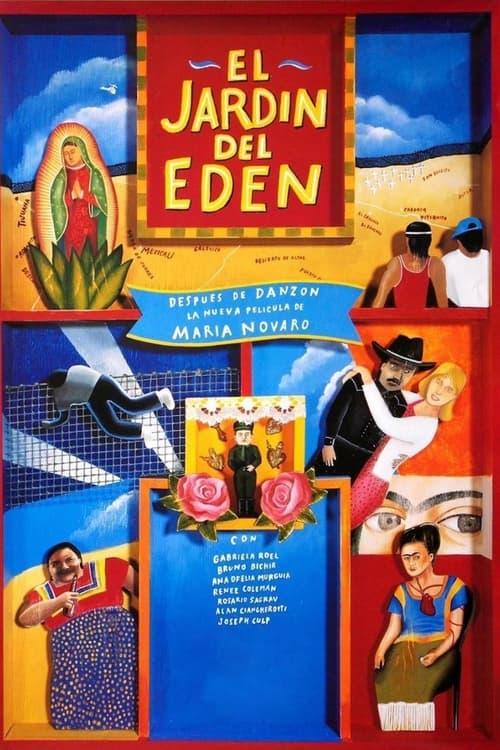
Tijuana is a mystical city and the scene of different stories, where the characters search for meaning in their lives.
The Garden of Eden
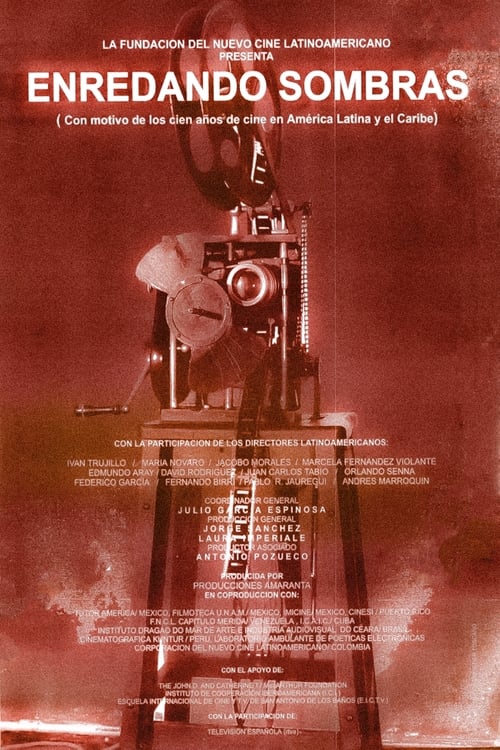
Documentary that celebrates 100 years of cinema in Latin America and talks about the origins and the development of cinema in this subcontinent. Its structure is based in 12 short films directed by various Latin American directors. These are: 1) "Los inicios", Iván Trujillo 2) "Cuando comenzamos a hablar", María Novaro 3) "Jugando en serio", Jacobo Morales 4) "De cuerpo presente [Las espirales perpetuas del placer y el poder] Cine Mexicano [1931- 1997]", Marcela Fernández Violante 5) "Cuando quisimos ser adultos", Edmundo Aray and David Rodríguez 6) "Cinema Novo", Orlando Senna 7) "Memorias de una isla, Juan Carlos Tabío 8) "Un grito, 24 cuadros por segundo", Julio García-Espinosa 9) "El día de la independencia", Federico García 10) "¿Sólo las formas permanecen?", Fernando Birri and Pablo Rodríguez Gauregui 11) "Todo final es un principio", Andrés Marriquín.
Entangling Shadows
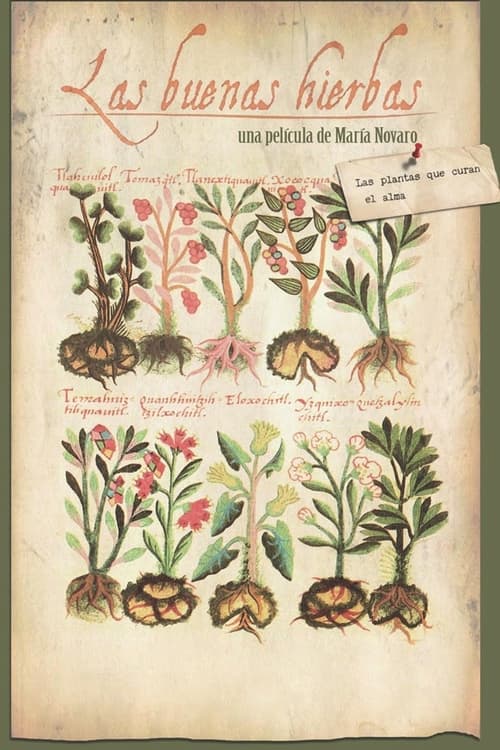
A young woman has to deal with her mother's degradation due to Alzheimer's disease.
The Good Herbs
"Alguien se acerca", "Viajeros", "Lilí" and "Azul celeste", four stories directed by Ramón Cervantes, Rafael Montero, Gerardo Lara and María Novaro, respectively.
Tales of the City

Siblings Dylan and Andrea set off with their new friends on a marvelous journey of discovery in search of long lost pirate loot.
Tesoros
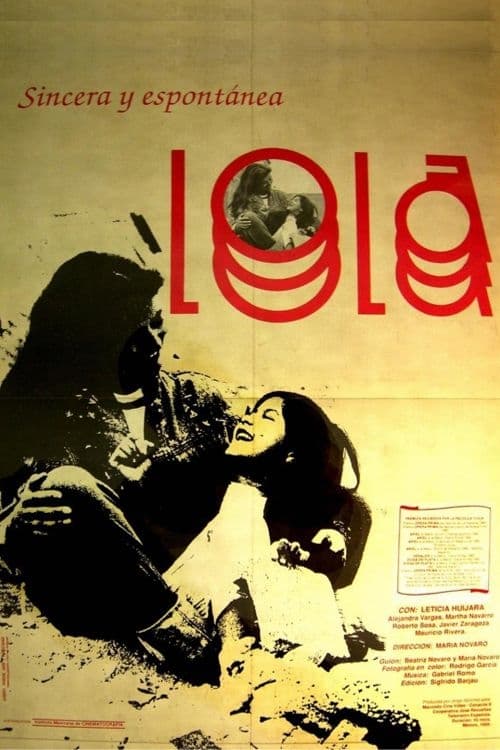
A single mother sells clothes on the streets to support her daughter in Mexico City after the earthquake.
Lola
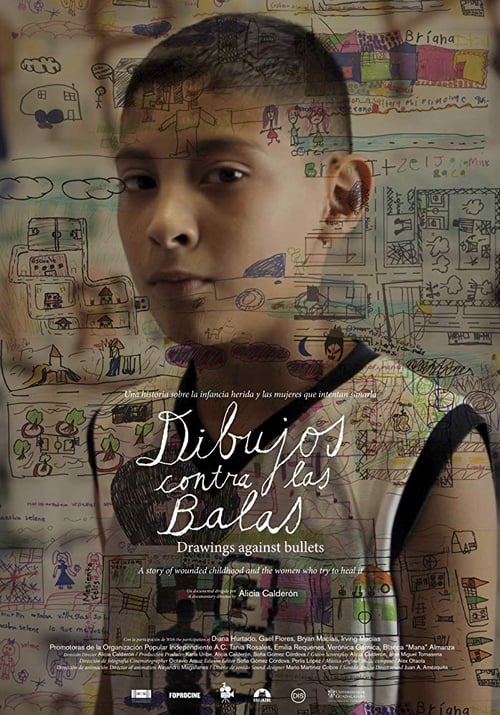
Women who live in Ciudad Juarez organize safe havens for children in some of the most violent neighborhoods in Mexico. There, Diana, Joseph and Gael seek out the freedom that they once had on the streets, and try to heal the wounds that the violence of organized crime has caused them.
Drawings Against Bullets
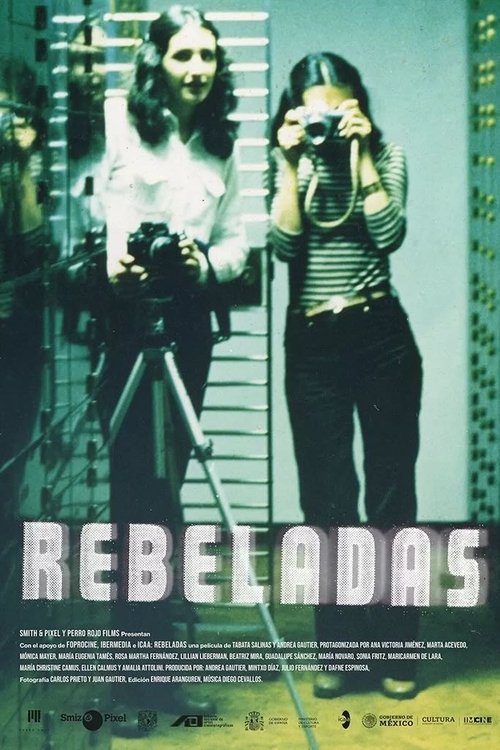
40 years ago in Mexico, a group of women filmmakers gathered to make films dealing with taboo subjects, gender violence, rape, feminicide, clandestine abortion, labor discrimination. They called themselves “Cine Mujer” and were active as a collective for over 10 years. Today they reflect on violence against women and their continuous struggles, which are still prevalent in modern society.
Rebelled
In the eyes of a foreigner practically any street of Mexico City’s Centro Histórico holds potential for a film. Life on the street deserves more than just the natural condition of observer anyone could have, it demands an extra attention. In a 100-meter radius, the sociological exuberance of the events going on is simply impossible to ignore. The street is a mise en scène in itself.
Lopez Street
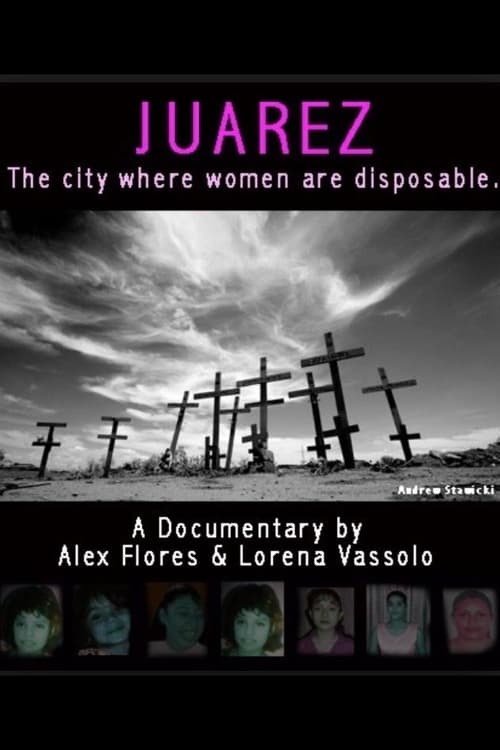
Femicide is a growing phenomenon in Mexico. Since 1993, more than 450 women have been brutally murdered in Ciudad Juarez.
Juarez: The City Where Women Are Disposable
A young girl grows up on a coast without knowing who her mother was. Those around her mock her, but the young girl goes to the mountains and, with the landscape and her imagination, replaces her mother and her affection.
An Island Surrounded by Water
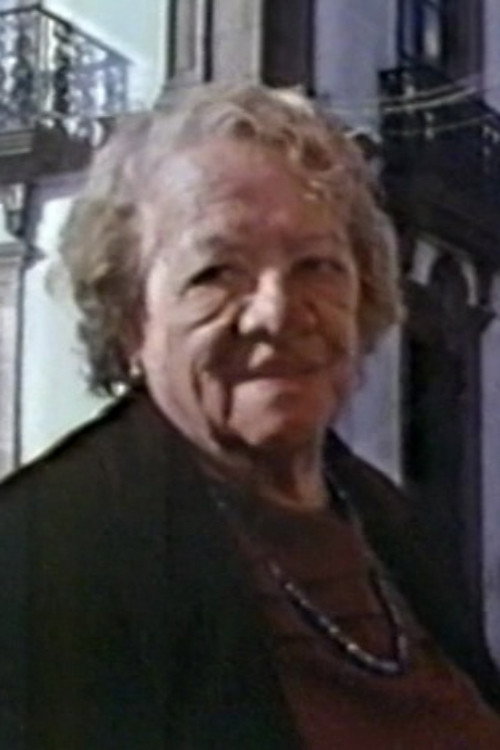
Matilde Landeta entered the flourishing Mexican film industry in the 1930s, working her way up from script girl to direct 110 shorts and, in the late 40s, to produce and direct three features, including LA NEGRA ANGUSTIAS. In this engrossing documentary filmed in Mexico City, a vibrant Landeta, now in her 70s, recalls those years. Interviews with Mexican directors Marcela Fernandez-Violante and Maria Novaro enrich this illuminating tribute.
My Filmmaking, My Life: Matilde Landeta
A young woman from Chihuahua, seduced and abandoned, travels to Mexico City in search of the man who left her. Neither her pregnancy nor the labyrinthine metropolis can stop her in her quest. Part of the anthology film "Historias de Ciudad".