Masataka Matsuda
Writing
Known For
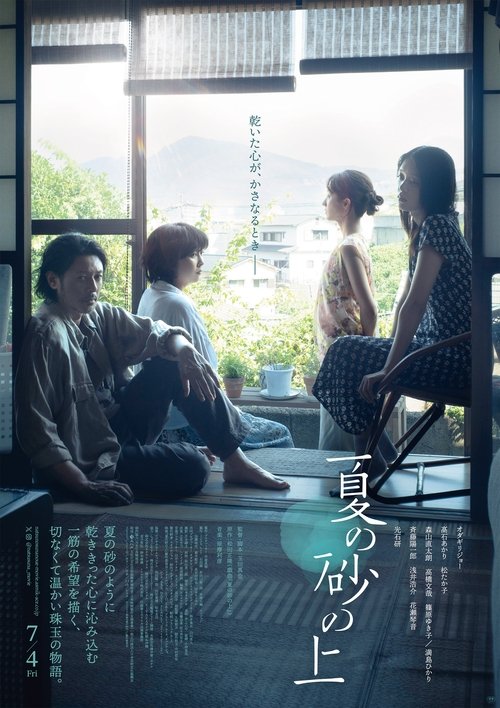
This story begins with a protagonist whose sense of time has halted due to the grief of losing his son, now abandoned by his wife, and his sudden cohabitation with his 17-year-old niece left behind by his sister. A man who has lost love, a woman who has renounced love, and a girl who knows nothing of love... As they confront their respective pains, their journey of discovering faint sprouts of hope in hearts as parched as summer sand is depicted—a poignant yet tender masterpiece where sorrow and warmth intertwine.
On Summer Sand
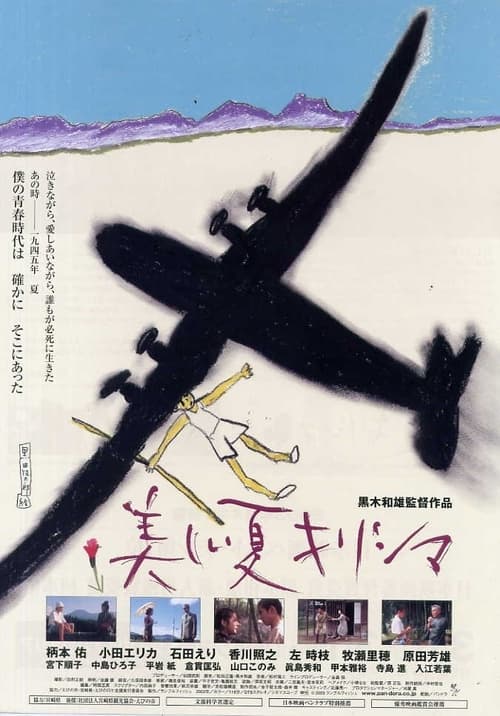
Commencing well-respected Nippon director Kazuo Kuroki's sixth decade behind the camera, "A Boy's Summer in 1945" (literally "A Beautiful Summer in Kirishima") is a lyric, novelistic drama set in the countryside in the last days before Japan's surrender ending WWII. Striking a welcome retro note in its languid pacing and delicate handling of seriocomic ensemble threads, handsome production is a natural for fests. It might also prove a cornerstone for retrospectives or ancillary releases of works by a helmer ("Preparation of the Festival," "Ronin-gai") who's long been appreciated at home but has won just limited attention abroad.
A Boy's Summer in 1945
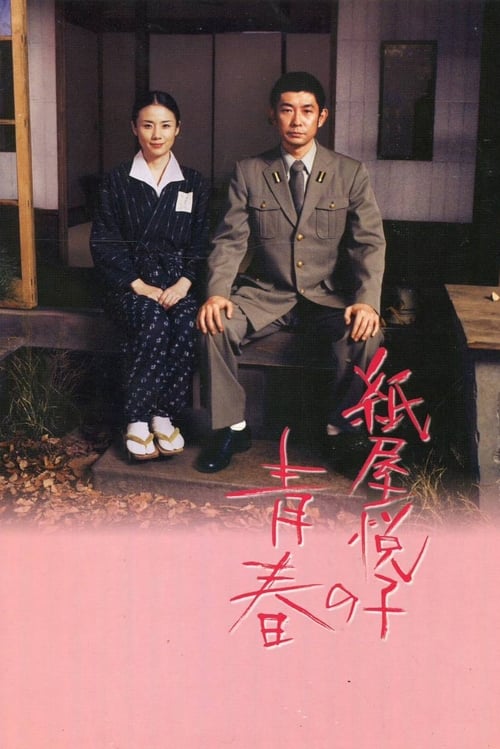
In Kagoshima, in the final days of World War II, an offer of marriage comes to Etsuko Kamiya, who lives with her brother and his wife. The offer comes from Nagayo, but Etsuko is attracted to his friend, Akashi.