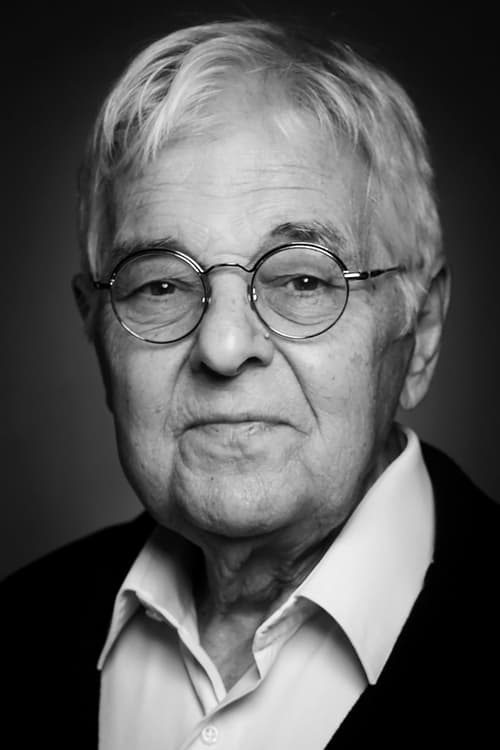
Branko Cvejić
Acting
Biography
Branko Cvejić was a Serbian actor. In the period 2002-2011 he was director of the Yugoslav Drama Theatre.
Known For
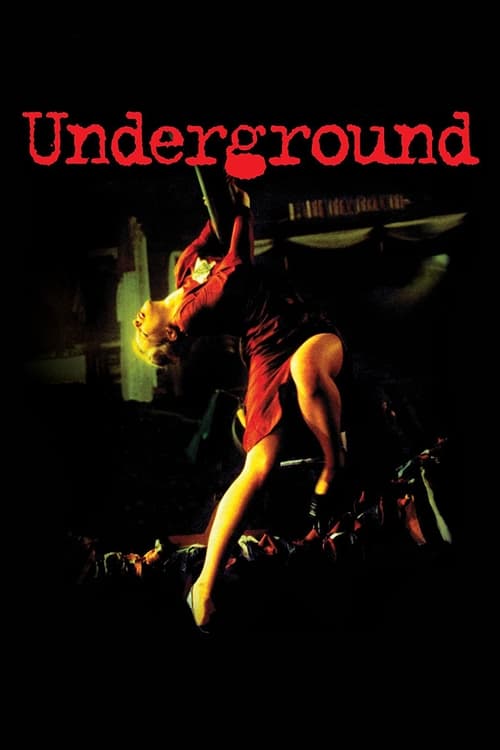
Black marketeers Marko and Blacky manufacture and sell weapons to the Communist resistance in WWII Belgrade, living the good life along the way. Marko's surreal duplicity propels him up the ranks of the Communist Party, and he eventually abandons Blacky and steals his girlfriend. After a lengthy stay in a below-ground shelter, the couple reemerges during the Yugoslavian Civil War of the 1990s as Marko sees the opportunity to exploit the situation.
Underground
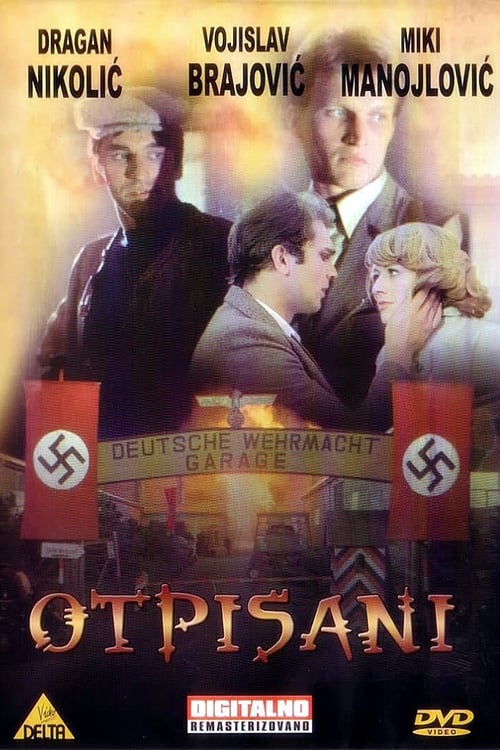
"The Written Off" is a famous Serbian TV miniseries, that was very popular in former Yugoslavia, originally airing in 1974. Due to its popularity, Radio Television of Serbia has shown reruns of the series ten times, the last re-run starting in 2012. The series has achieved something of a cult status among its audience and still attracts an estimated 3 million viewers with its last rerun. Idea of series derives from exploits of freedom fighters in Belgrade during World War II, and all the characters and events are fictitious.
The Written Off
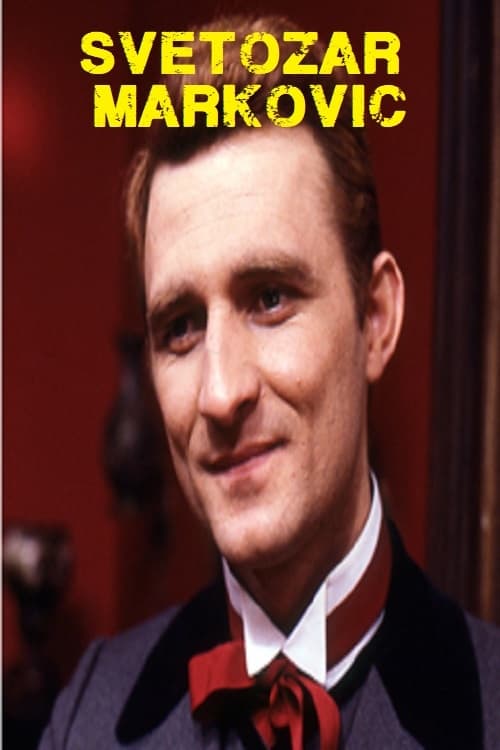
A biopic of an influential Serbian political activist, literary critic and philosopher. Svetozar Markovic developed an activist anthropological philosophy with a definite program of social change, which set foundations for socialist ideals in his homeland.
Svetozar Markovic
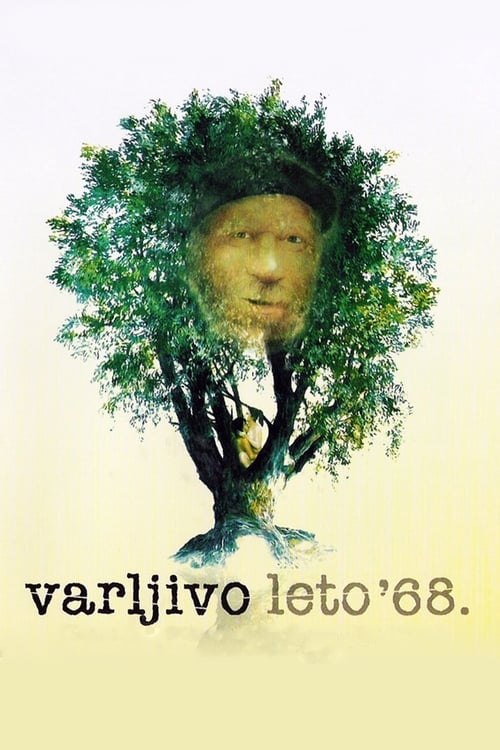
For the young man who lives in Serbian province town, the maturing coincides with the turbulent political events of the year 1968.
The Elusive Summer of '68
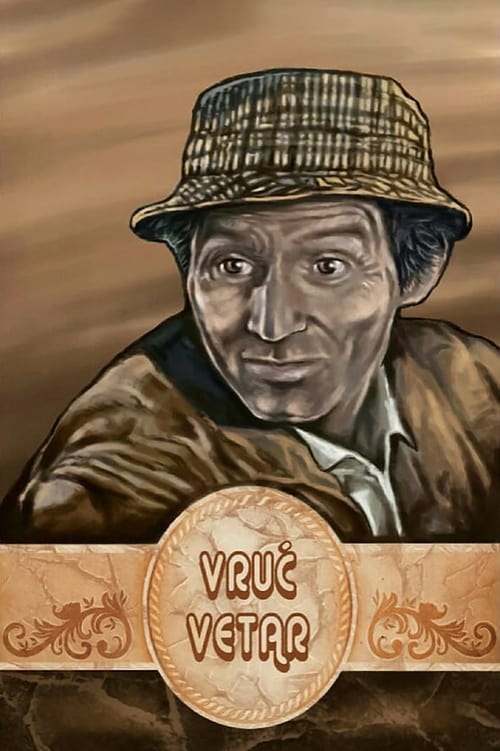
Vruć vetar is one of the most popular Yugoslav TV miniseries that aired in 1980. The show and movie cut from scenes of the show were popular in neighboring countries-also very popular in Czechoslovakia. Its main theme became very popular and enjoying a bit of a cult status. The story follows Shurda, a man in his 30s, who comes from a small town to Belgrade to get rich. However, as no job is good enough for him, he tries his luck in Germany, but this venture proves to be the same, so he returns to his native Yugoslavia.
Hot Wind
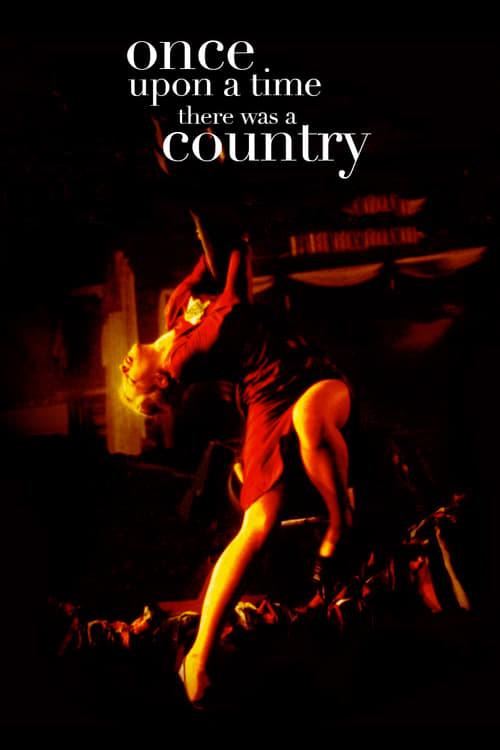
Black marketeers Marko and Blacky manufacture and sell weapons to the Communist resistance in WWII Belgrade, living the good life along the way. Marko's surreal duplicity propels him up the ranks of the Communist Party, and he eventually abandons Blacky and steals his girlfriend. After a lengthy stay in a below-ground shelter, the couple reemerges during the Yugoslavian Civil War of the 1990s as Marko sees the opportunity to exploit the situation. An extended television version of Emir Kusturica's Palme d'Or winning Underground.
Once Upon a Time There Was a Country

A sitcom that follows intertwined lives of three couples set mostly in the building in which they live and the café owned by one of these people.
Things Like Love
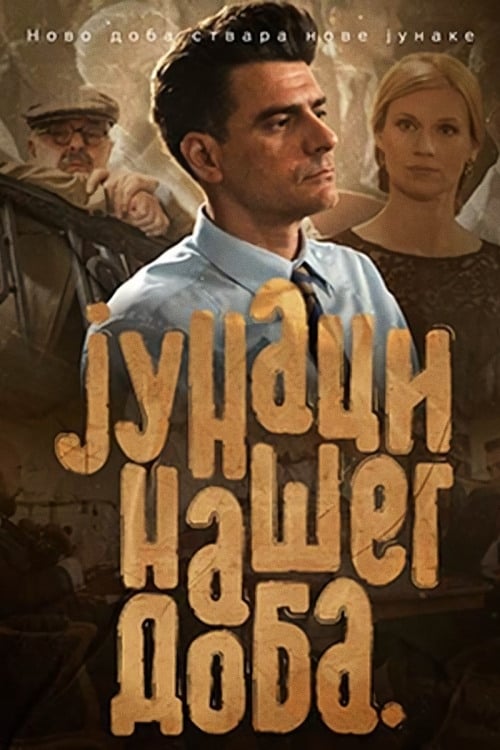
A well-educated family man realizes that his life is in crisis. Could the next generation do better?
The Heroes of Our Time
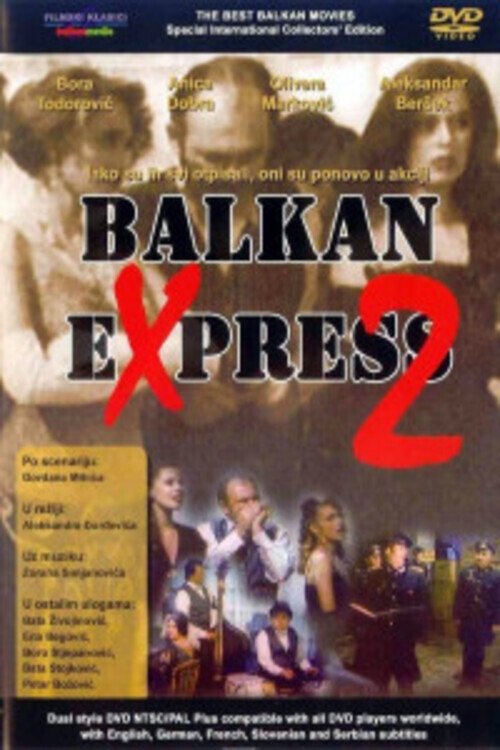
TV series made as an extended version of an eponymous feature film. A quintet of small-time crooks that works under disguise of a musical band become the supporters of Partisan resistance movement in WW2. Being forced to escape to another part of the occupied territory, they hide in "Marlene Saloon" forgetting that the bordellos of the kind are an ideal place for espionage during the war. They get more problems than peace and rest and the tragicomedy starts.
Balkan Express 2
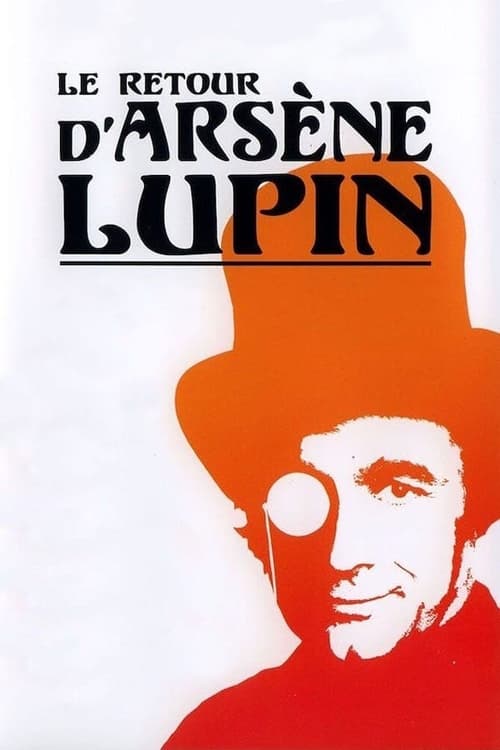
The Return of Arsène Lupin (1989) is a French crime television series consisting of 12 episodes, each approximately 55 minutes long, broadcast on FR3 between November 1989 and January 1990. It features the famous gentleman thief created by Maurice Leblanc, played here by François Dunoyer, in a more mischievous and modern interpretation than his predecessors, which retains the hero's refinement and intelligence while immersing him in stories with international overtones, with a more contemporary tone for the late 1980s.
Le Retour d'Arsène Lupin
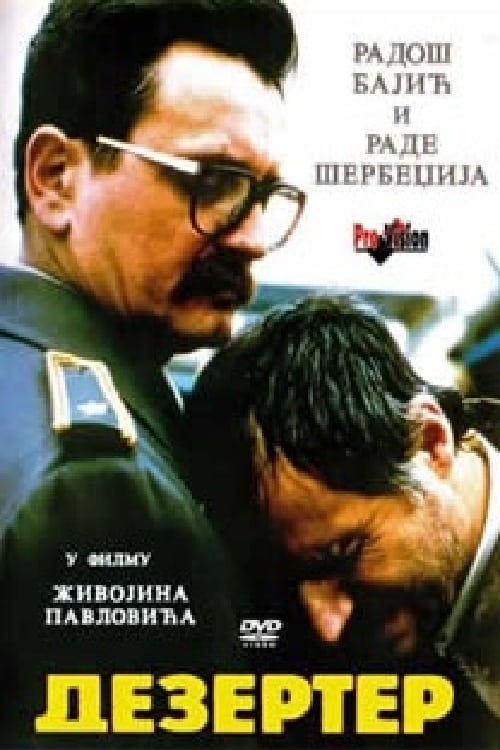
During the Yugoslav break-up, Federal Army officer is fed up with war and takes some leave in Belgrade. However, it turns out that he is less haunted by war horrors than with some sentimental skeletons in the closet. He meets his former comrade and best friend who is AWOL, but can't report him because he had an affair with his wife.
Deserter
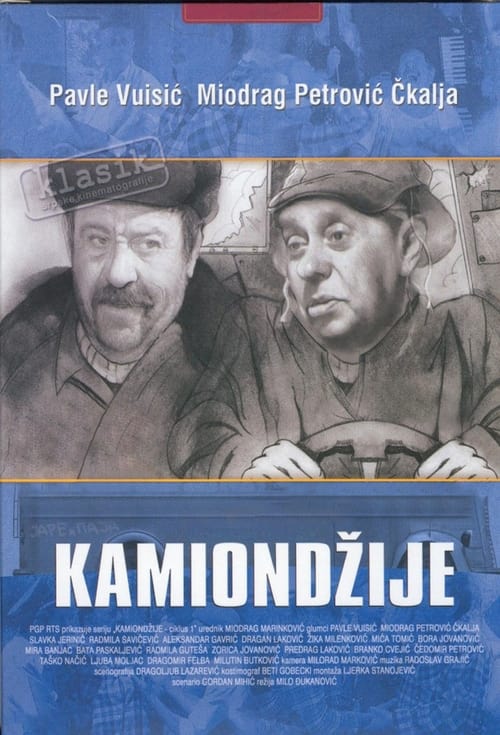
The adventures of Paja and Jare, the two honest and good-natured truck drivers and partners in business. They meet various people while on the road, which mostly turns out bad for them, but at the end it's their friendship that saves the day.
Truckers
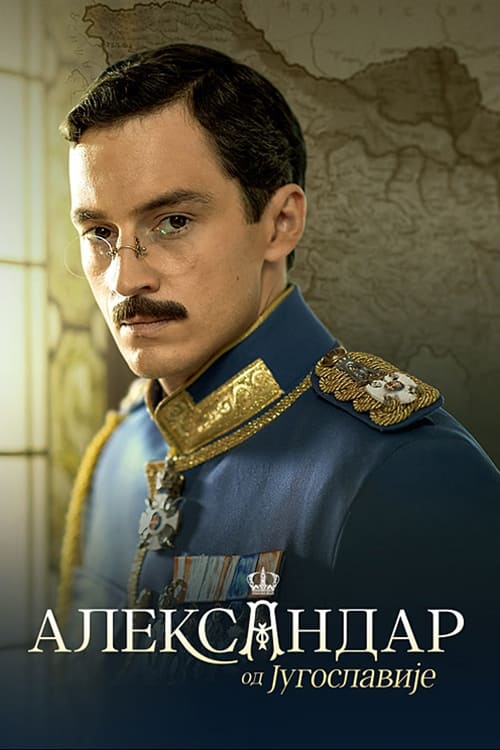
The series covers the period from the entry of King Alexander into liberated Belgrade after the end of the First World War until the assassination in Marseilles.
Alexandar of Yugoslavia
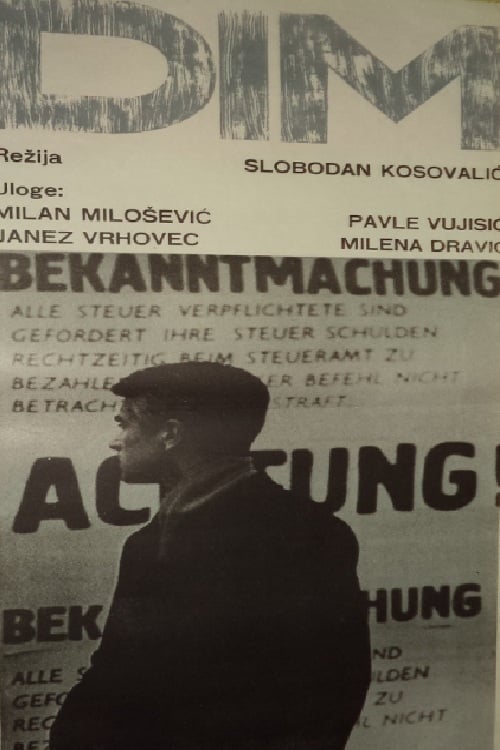
Driven by the trauma of the Holocaust, a young Jewish man arrives in a small town to hunt down the former commandant of the concentration camp where his family was exterminated. Upon discovering that the man has been released after serving only a minimal sentence, he prepares to exact his own brand of justice.
Smoke
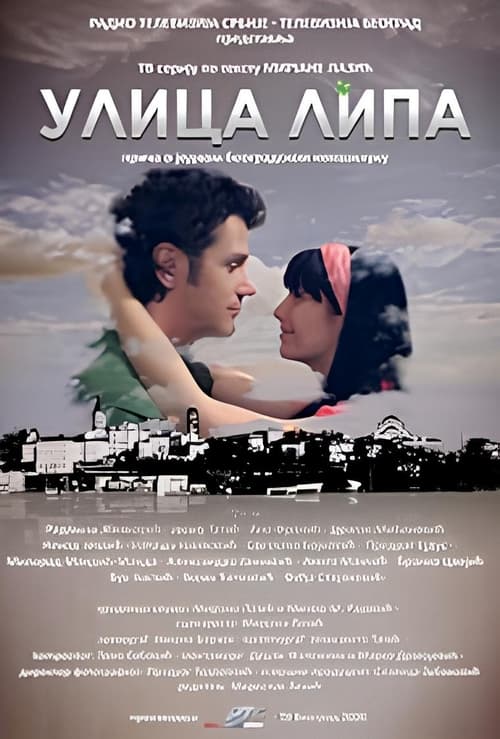
A TV show that follows life in a typical Belgrade neighborhood.
Street of the Linden Trees
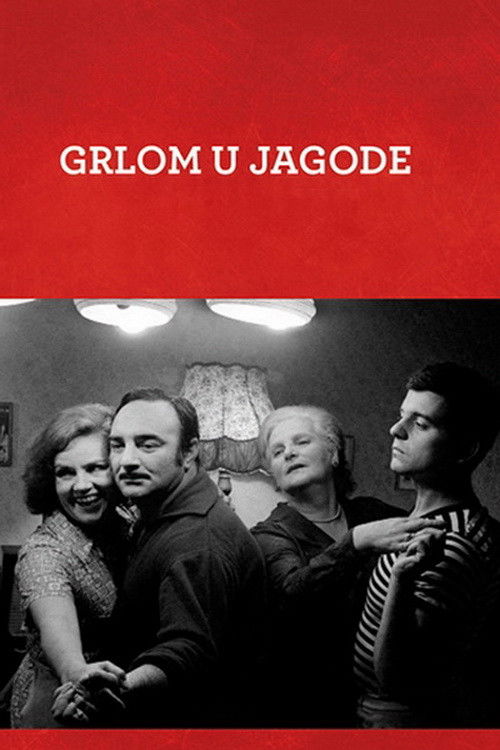
Grlom u jagode is a 1975 Yugoslavian TV miniseries directed by Srđan Karanović and co-written by Karanović and Rajko Grlić. Depicting the life and times of a young man nicknamed Bane Bumbar, the series achieved huge popularity throughout SFR Yugoslavia. Revolving around Bane, his family, and his circle of friends, the series also portrays 1960s Belgrade, Serbia and Yugoslavia.
The Unpicked Strawberries
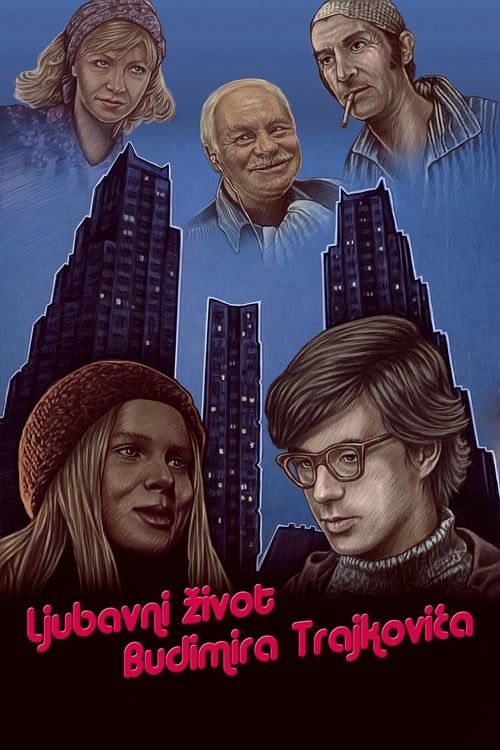
Trajković family are bridge builders. Being forced to move every once in a while, the bridges are everything but pleasant thing for 17 year old Budimir, who is unable to make any permanent love relationship. In their last attempt to settle down in capital, a boy will experience love in its full meaning.
The Love Life of Budimir Trajković
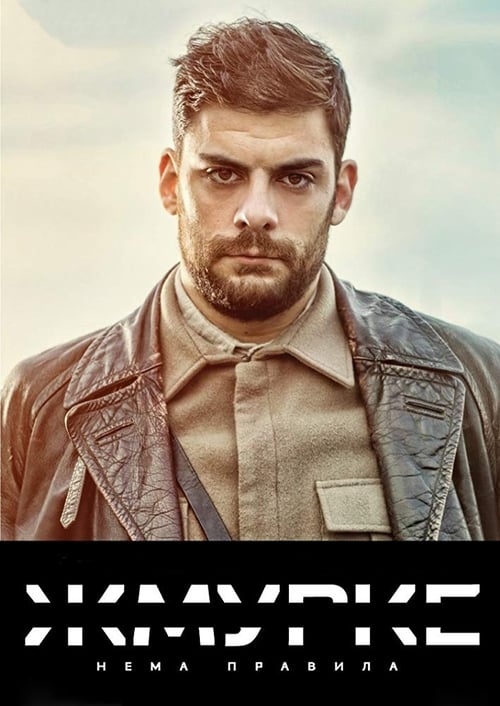
The story of the fate of boys and girls who go to school on the day of the Victory of Fascism on May 9, 1945. The script is based on true events and tells the fate of the children of the victorious and vanquished in a common environment at the end of World War II in Serbia.
Hide-and-Seek
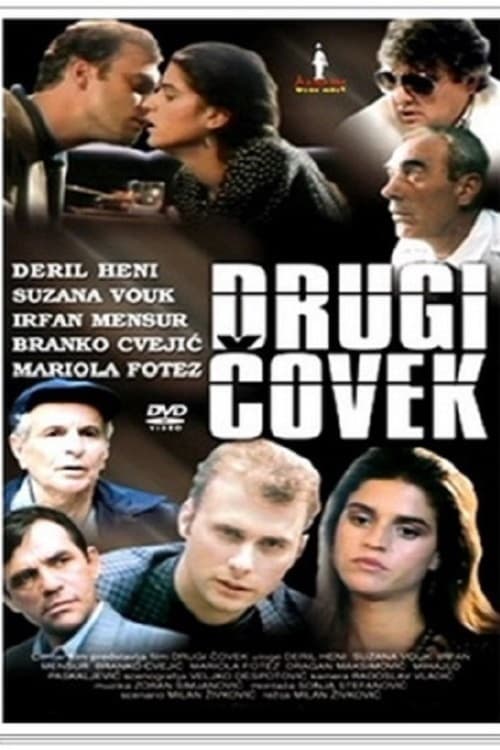
Young American actor comes to Yugoslavia to star in co-production film of the two countries, only to find out that the director was mysteriously killed. Later he discovers that the reason was his involvement in the white slavery trade.
The Other Man
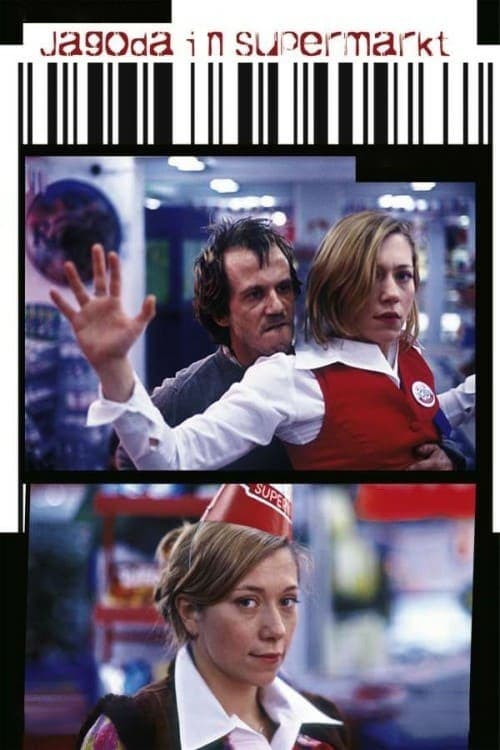
An ex-soldier storms a supermarket and takes all the cashiers captive because one of them insulted his grandmother.