Directing
Peter Nestler was born on 1 June 1937 in Freiburg im Breisgau, Germany.
A short pamphlet based on a text by Peter Weiss and on the contrapuntal use of the relation between image and sound. The commercial activities and fantasies linked to tourism in Sweden are contradicted by the geopolitics of capitalist imperialism, in particular with the war in Vietnam.
No description available.
Tensions rise when a U.S. military base is built in a small village in post-war Germany.
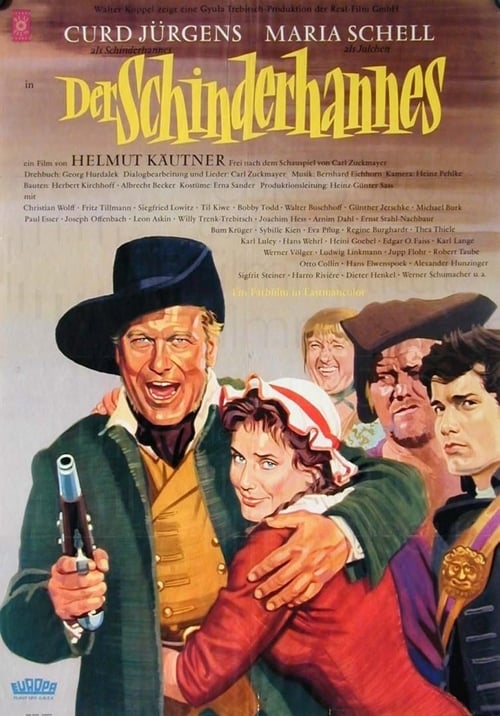
1802: The adventurous life story of Hans Bückler, known as “Schinderhannes”, who fights against the French occupying forces and large landowners who exploit poor farmers in the Hunsrück region during the Napoleonic Wars.
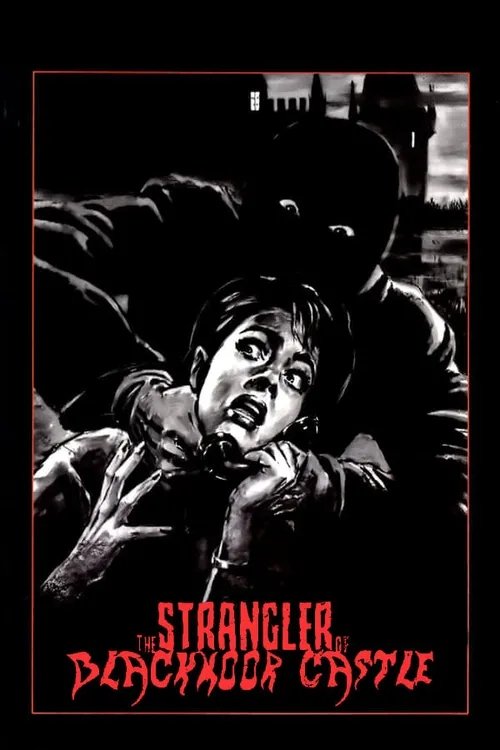
A strangler is loose on a British estate, and he not only strangles his victims but brands an "M" onto their foreheads before he decapitates them.
A large German city at the beginning of the 1960s. This is where the well-to-do Berger family lives. Outwardly a bourgeois idyll, but behind the scenes the family is in turmoil. The relationship between father and son in particular is extremely tense. Martin Berger is seduced by the attractive Britta. It is the beginning of an affair that ends tragically. When the young man finds out that his father is also having sex with the young woman, Martin decides to kill her and also cleans up his friends who are not averse to the vices of life...
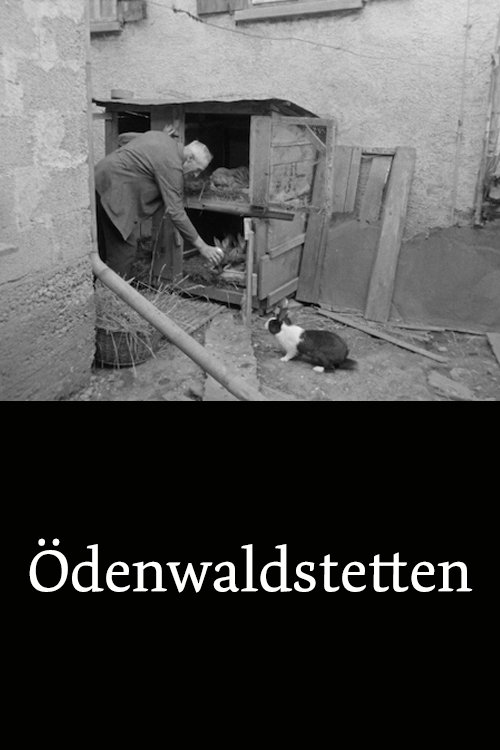
Portrait of a small south German village and its residents in the early sixties. Rural culture is undergoing a transformation caused by the intrusion of the industrial world. Gestures at work and words of its inhabitants.
For more than eight decades, German Sinti and Roma experienced injustice. The film tells of the family of activist Romani Rose, their resistance and insistence on justice. The painful story of a minority between trauma and self-assertion. The two-part film deals with various forms of resistance by German and Austrian Sinti and Roma over eight decades. It is about rebellion against injustice and the insistence on dignity and justice.
This dialogue-free short is edited to music and the rhythms of change in a small town in the Ruhr region, shot a few years after the first mining pits were closed in the area. Nestler takes his audience on a journey through mining pits, coal heaps, cold stores, and to workingmen settlements and pubs of Mülheim.
A hommage to Jean-Marie Straub's and Danièle Huillet's film Quei loro incontri (2005), and to their access to cinema itself. In various encounters and conversations Nestler offers an insight into their life and work, including passages from Italian poet Cesare Pavese.
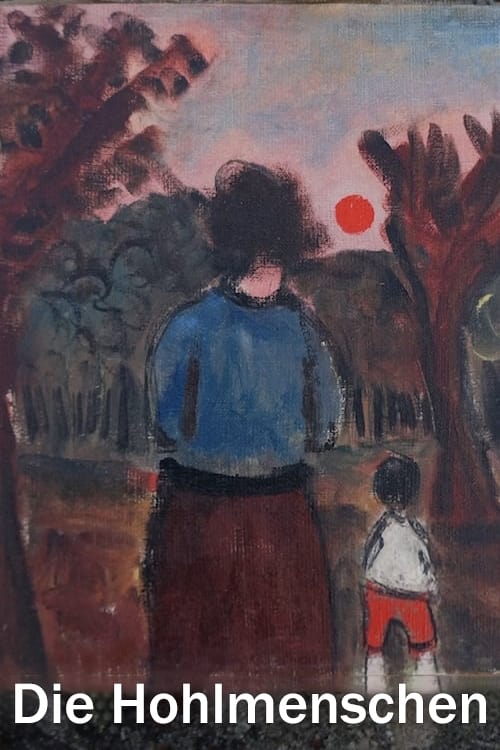
“Don’t be scared,” he’d whisper, “There’s nothing to be scared of. It’s just the hollow people.” Peter Nestler has made a film based on Israeli author and scriptwriter Etgar Keret’s short story “The Hollow Men”. a man’s memories of his childhood, marked by the fear of bodiless voices and masks. A beautiful and terrible miniature at the same time.
The film presents artists from the Sinti and Roma minority who shape the trauma of persecution and very personal experiences in their works.
The burial of an old woman leads to several complications among family and friends.
The film consists of a staged discussion between Greek political refugees in Sweden. Dialogue is mainly in Greek, but the first few minutes shows one of the participators giving some background to the political situation in Greece in Swedish. This historical background is also illustrated with some archival material. The film was produced for Swedish public television but was never aired.
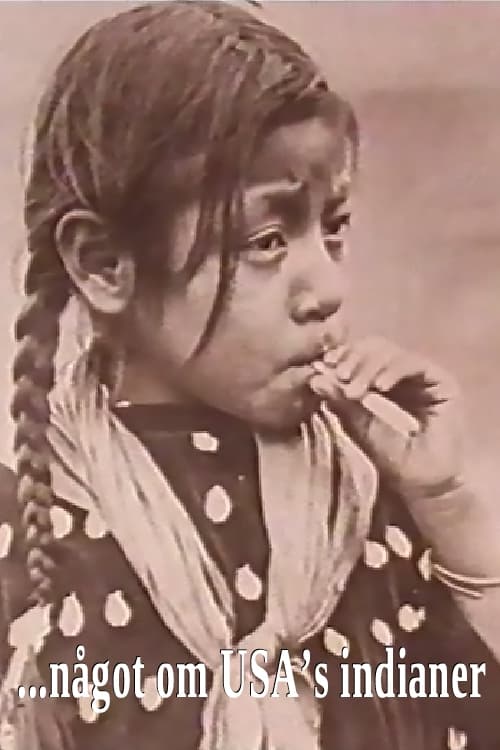
Documentary short made for Swedish public television (SVT) about the past and current situation for Native Americans in the US. The film was produced as an introduction to the American documentary Navajo Girl (Robert Young, 1973). Något om USA:s indianer [Something about the Indians in the USA] is another example of Nestler's method of combining still photos, drawings and moving images from different sources.
Roma and Sinti people talk about their experiences in the Third Reich and the Federal Republic of Germany, inspired by Otto Pankok’s paintings of Romani theme and subject in the 1930s, declared degenerate art by the Nazis. These are moving narratives of persecution, discrimination, marginalisation, of life as second-class human beings, all of which lasts, incredibly enough, right up to the allegedly democratic present day of the film, since they live in inhumane conditions in barracks at the margins of cities and society and are not officially recognised as Nazi victims. Long, nearly uncut sequences open space for the people and their stories. That’s all it takes for one of Peter and Zsóka Nestler’s most important works.
In his first film, Peter Nestler gives voice to an old floodgate. A nearby village, its inhabitants, wooden posts and twisted willow rods are presented from this unusual perspective. The floodgate ponders the fisher boats coming home from the sea along the shipping channel which is fed at low tide by a small river.
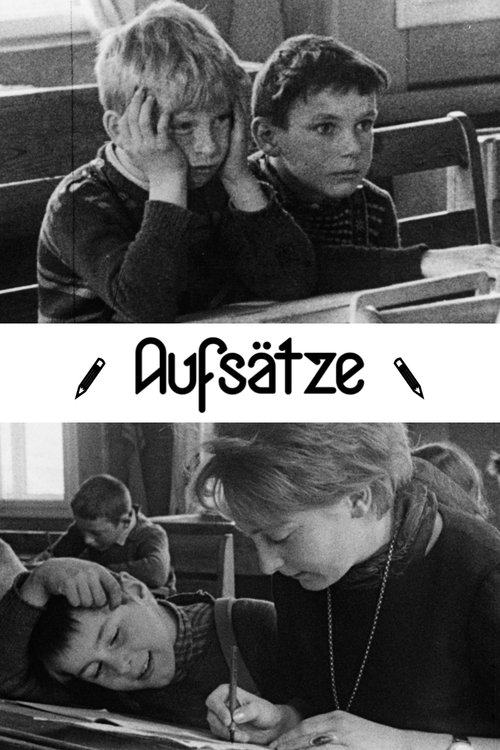
A cheerful take on the lives of school children in a Swiss rural environment. Young pupils recite short essays they have written on subjects such as the long walk to school, the distribution of milk during breaks, and a brawl in the courtyard.
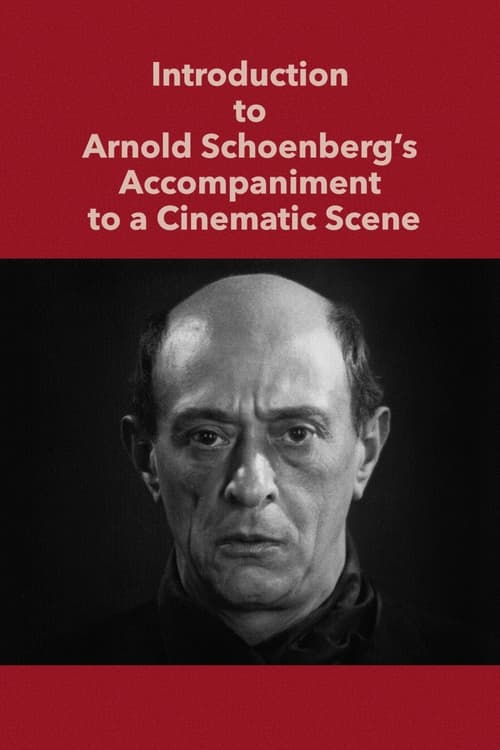
This is a small, intense film based on Schoenberg’s opus of the same name with the subtitle “danger, fear, catastrophe”. It deals with emerging fascism and the persecution of Jews, as well as with their historical continuities.
Documentary about empty space in Berlin