Renee Tajima-Peña
Directing
Biography
Renee Tajima-Peña is an American academic and filmmaker whose work focuses on immigrant communities, race, gender and social justice
Known For
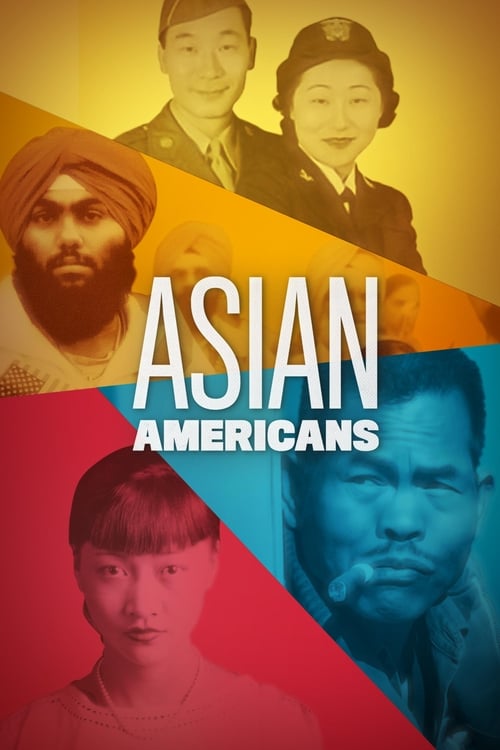
This five-part series traces the story of Asian Americans, spanning 150 years of immigration, racial politics, international relations, and cultural innovation. It is a timely, clear-eyed look at the vital role that Asian Americans have played in defining who we are as a nation. Their stories are a celebration of the grit and resilience of a people that reflects the experience of all Americans.
Asian Americans
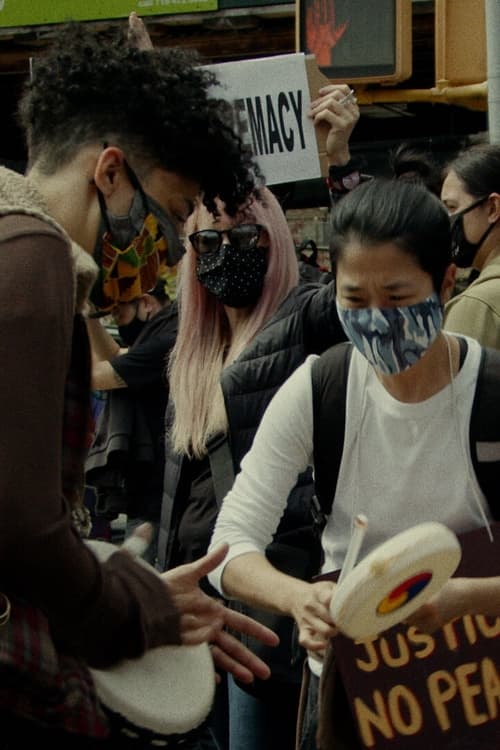
In the face of AAPI violence, an intergenerational coalition of Black, Indigenous, Latinx, Asian, People of Color organizers come together to organize a march across historic Washington Heights and Harlem, as a continuation of the historic and radical Black and Asian solidarity tradition.
People Unite!

Renee Tajima-Peña takes to the road to investigate questions about Asian-American identity.
My America... or Honk If You Love Buddha
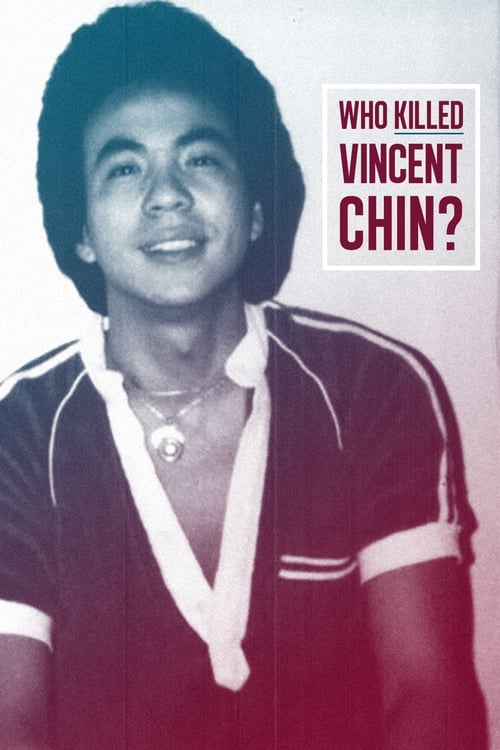
This film recounts the murder of Vincent Chin, an automotive engineer mistaken as Japanese who was slain by an assembly line worker who blamed him for the competition by the Japanese auto makers that were threatening his job. It then recounts how that murderer escaped justice in the court system. Restored by the Academy Film Archive and The Film Foundation, in association with the Museum of Chinese in America. Restoration funding provided by the Hobson/Lucas Family Foundation, with additional support provided by Todd Phillips.
Who Killed Vincent Chin?
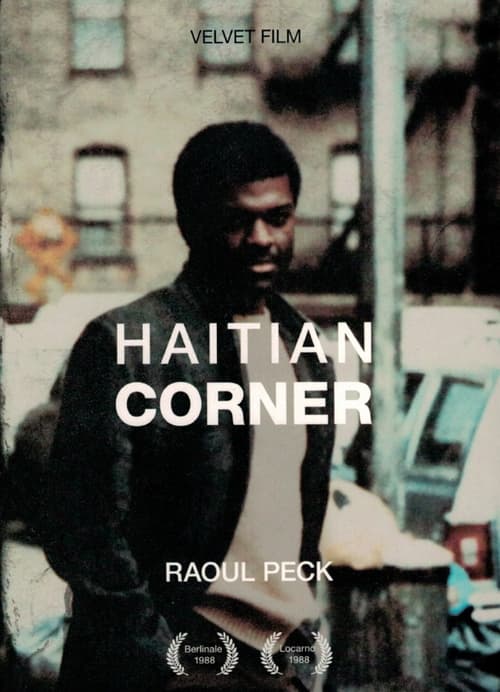
A poet from Haiti flees to America after being imprisoned in his native country. Recovering from the experience, he begins to examine his past. One day he encounters his former torturer, and becomes obsessed with taking his revenge.
Haitian Corner
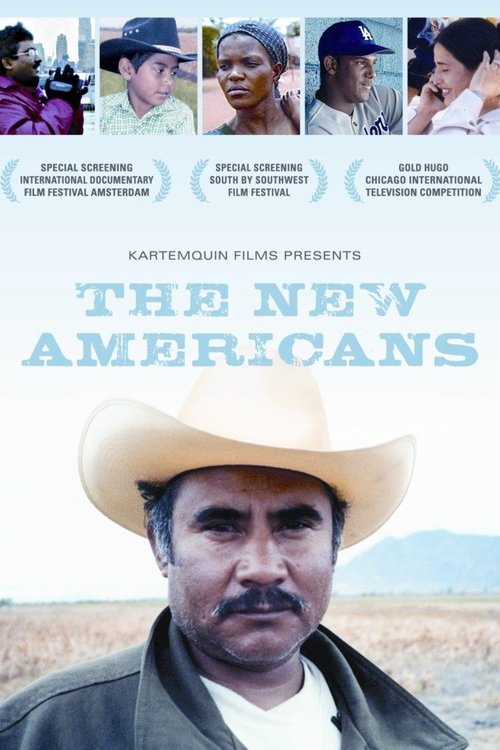
Four years in the lives of a diverse group of contemporary immigrants and refugees as they journey to start new lives in America.
The New Americans
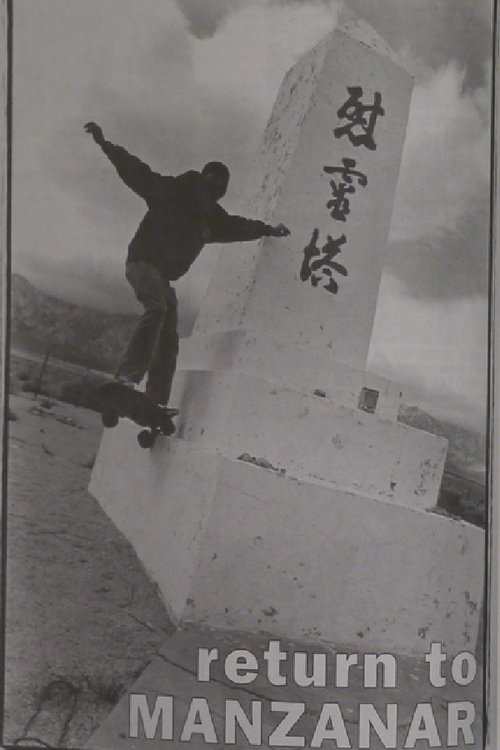
A meditation on skateboarding, civil liberties and memory. Inspired by the essay by Martin Wong, "Return to Manzanar", based on a trip he took with "Giant Robot" publisher Eric Nakamura.
Skate Manzanar

America Undercover goes to the Madison Hotel in the skid-row section of downtown Los Angeles and talks to some of the desperate people living there. It talks to a prostitute and heroin addict named Becky, a drug dealer and traveler names John, and an heavy drinking alcoholic named Jack Woodrow Wilson.
The Best Hotel on Skid Row

When the filmmaker becomes a first time uncle he quickly realizes that he never wants to be a dad. He decides to write a letter to his baby niece, Lily, hoping to pass on valuable life lessons to her. As he writes his letter to Lily, the filmmaker increasingly struggles to find the answers to his own questions on his own identity and morality. Dear Lily is a film that is as much of a letter of love as it is the filmmaker’s journey to discover what life events led him to become the person he is today.
Dear Lily
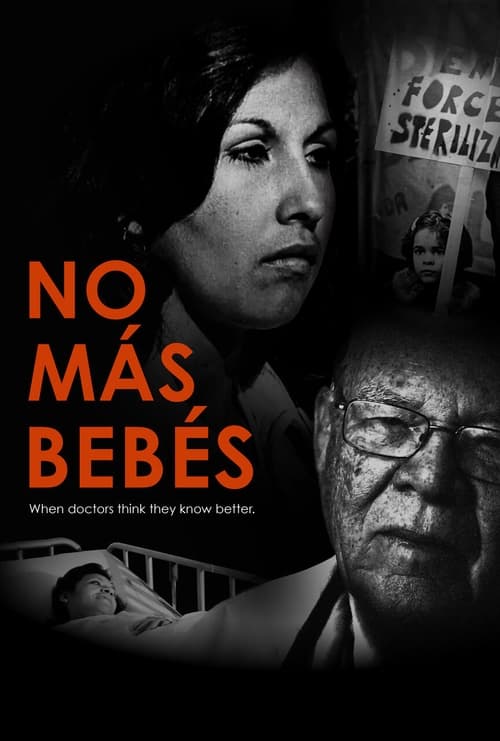
They came to have their babies. They went home sterilized. "No Mas Bebés" is the story of Mexican immigrant mothers who were pushed into sterilizations while giving birth at Los Angeles county hospital during the 1960s and 70s. Alongside an intrepid, 26-year-old Chicana lawyer and whistle-blowing young doctor, the mothers mounted a civil rights lawsuit that is seminal to the alternative history of Roe v. Wade, and the movement for reproductive justice.
No More Babies
When ARMANDO and CARLOS PENA set off to carry their mother's ashes back to South Texas and reunite with their brothers, the road reveals more than they bargained for. Calavera Highway (Skeleton Highway), traces the odyssey of two brothers as they decipher their family's story-why their mother ROSA was outcast by her own family, and what happened to their father PEDRO, who disappeared during the notorious 1954 U.S. government deportation program, "Operation Wetback," in which over a million Mexican and Mexican Americans were forced across the border. A sweeping story of a family of seven men grappling with the meaning of masculinity, fatherhood, and a legacy of rootless beginnings.