Maurice Lemaître
Directing
Biography
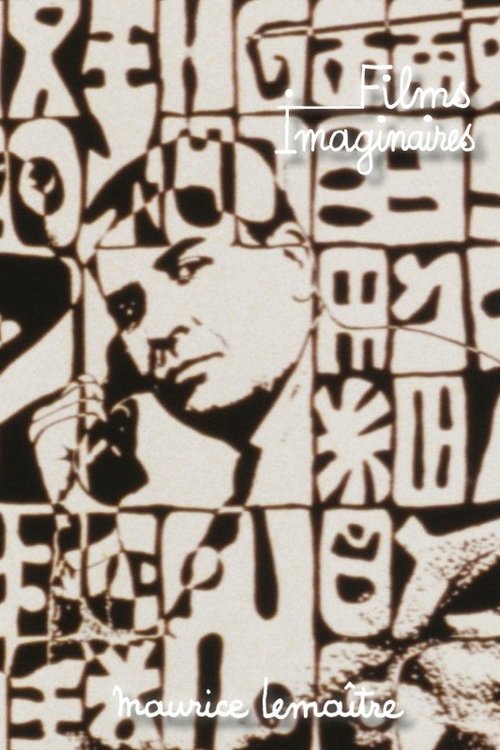
Maurice Lemaître (born April 23rd 1926 in Paris) is an artist, writer and French poet. He is known to be one of the main figures of lettrisme, a movement started in the 1950s. Lemaître was educated at the School of Arts and Crafts and Public Works. After taking part in the Liberation of Paris, he began his philosophy degree at the Sorbonne. In 1948, he began his career as a journalist and wrote for the newspaper of the libertarian movement. A year later, he met Isidore Isou and immediately became interested in his political and avant-garde thoughts. In 1950, Lemaître becomes very invested in the Lettrist group and created in the same year the "Youth Front", a political journal; while simultaneously creating a literary and pictorial magazine, entitled "Ur," which remains as "The Minotaur" of lettrism. Since his literary creations, Lemaître has continued to develop various fields within the Lettrist movement: poetry, theater, dance, novel, painting, photography, film, economy, psychopathology and psychotherapy . Despite his dedication to the movement, since 2000, Lemaître distanced himself from the movement and is now relatively isolated from the main group.
Known For

A six-part British television travel series written, directed, and presented by Orson Welles for ITV in 1955. Filmed entirely in Europe, the series follows Welles through Vienna, the Basque Country, Madrid, Paris’s Saint-Germain-des-Prés, and London’s Chelsea Pensioners, blending travelogue, cultural portraiture, and personal essay. Moving between documentary observation and reflective commentary, the episodes combine interviews, local history, and Welles’s distinctive narration into a series that functions as both travel film and cinematic essay.
Around the World with Orson Welles

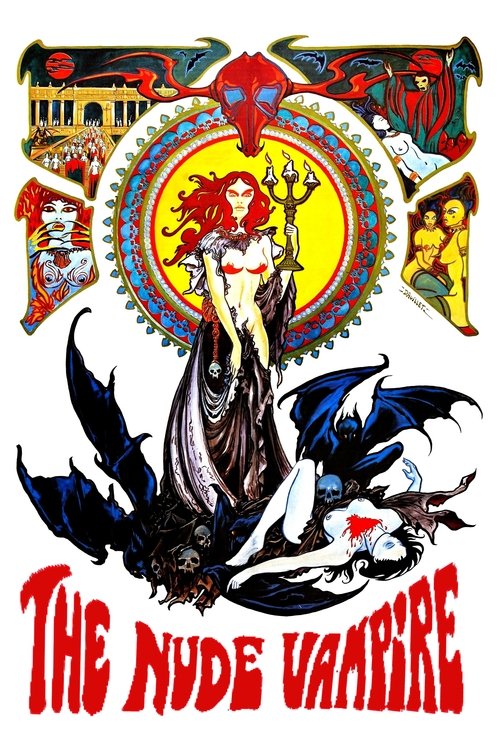
A young man falls in love with a beautiful woman being chased by sinister masked figures at night. He tries to track her down, and learns she's being held captive by his father and colleagues who believe she's a vampire.
The Nude Vampire

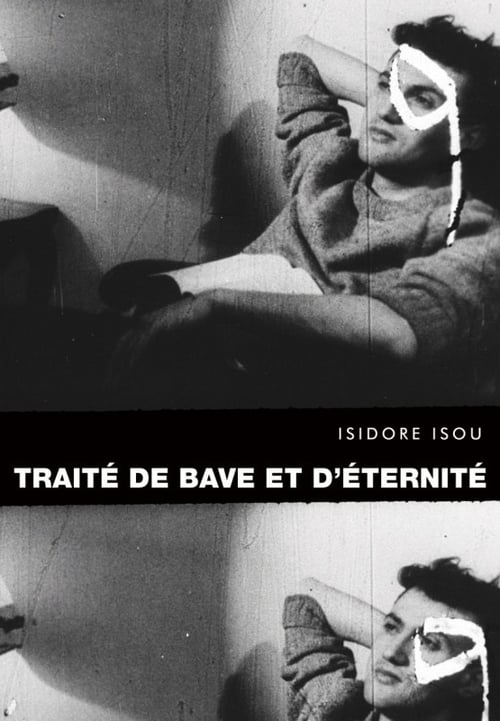
In this experimental film, Isidore Isou, the leader of the lettrist movement, lashes out at conventional cinema and offers a revolutionary form of movie-making: through scratching and bleaching the film, through desynchronizing the soundtrack and the visual track, through deconstructing the story, he aims to renew the seventh art the same way he tried to revolutionize the literary world.
Venom and Eternity

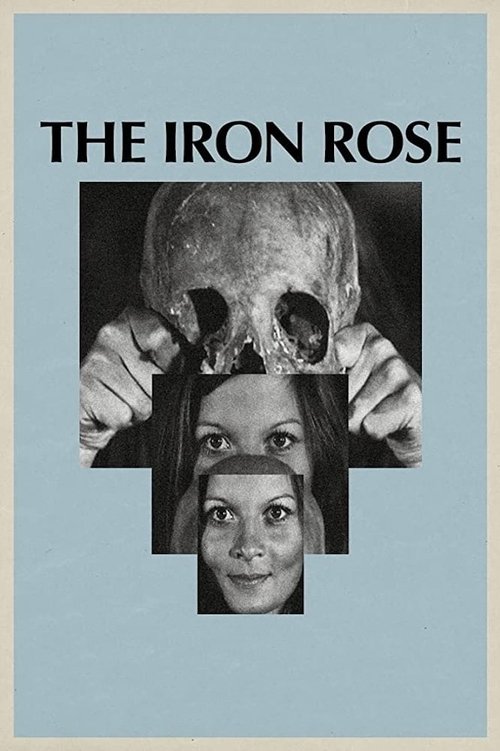
A young couple out for a walk decide to take a stroll through a large cemetery. As darkness begins to fall they realize they can't find their way out, and soon their fears begin to overtake them.
The Iron Rose

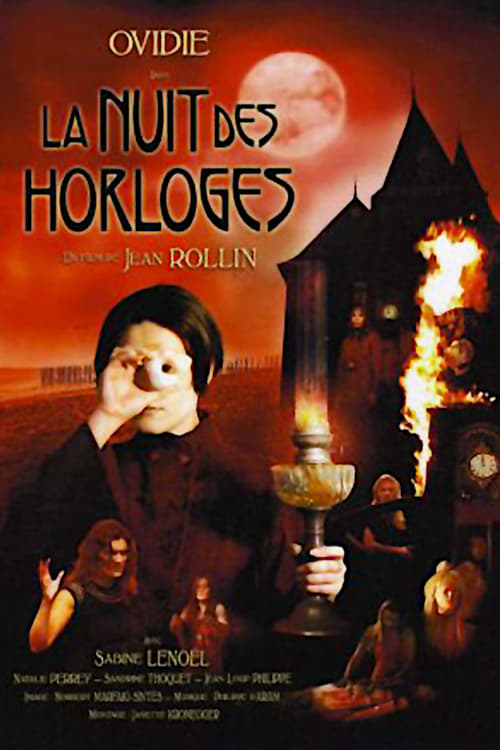
A young woman inherits the house of Jean Michel but she is haunted by strange dreams and numbers. She has no idea that this is the beginning of the 'the night of clocks', which opened for those who have sinned, the dead which are not dead...
The Night of the Clocks

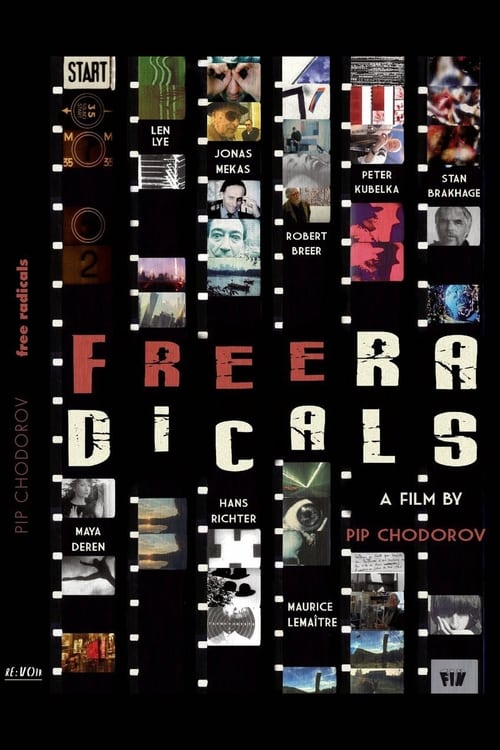
Experimental filmmaker Pip Chodorov traces the course of experimental film in America, taking the very personal point of view of someone who grew up as part of the experimental film community.
Free Radicals: A History of Experimental Film

Founded in the second half of the 1990s, the experimental film association L'Etna witnessed the transition from film to digital cinema. Its premises, located in the heart of Paris, were unable to withstand gentrification.
Une certaine histoire du cinéma expérimental français
No description available.
Un film porno

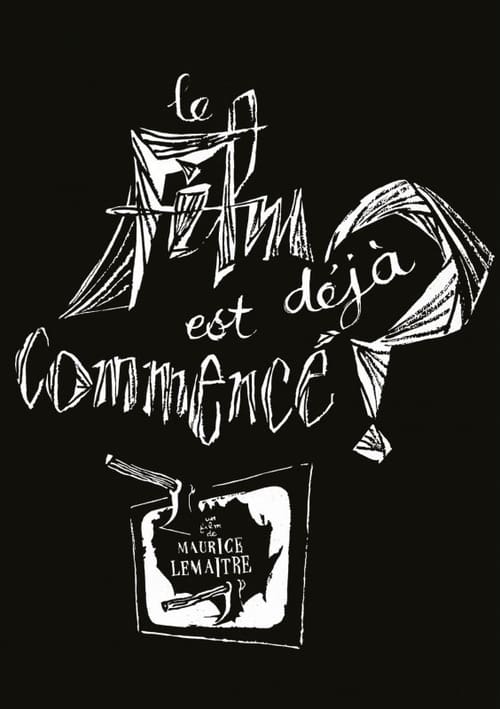
“A pink moving screen will stand at the entrance to the theatre, in the night. One hour before the screening a projectionist will show Griffith’s Intolerance on this screen. The start of the film will be announced at 8.30 but no one will enter before 9.30. During these 60 minutes of waiting, people on the first floor of the building will shake out very dusty carpets, and someone else will throw ice water on the heads of those spectators waiting for the screening. Some actors who have infiltrated the crowd will insult other actors on the first floor. At this moment only, and to stop the beginning of a scandal, the doors of the theatre will open…”
Has the Film Already Started?

No description available.
Nada!, le dernier film

Ganeden, in Hebrew, signifies the «Garden of Pleasures", paradise, Eden. Our images of an imaginary journey, in this enchanting place, this place, according to the author, is an original reflection on the theme of travel, that the filmmaker sees, not as a tiring and vain disturbance, amongst the illusions of reality, which are sometimes dangerous, but as a movement, an action, an undertaking, an adventure.
Ganeden

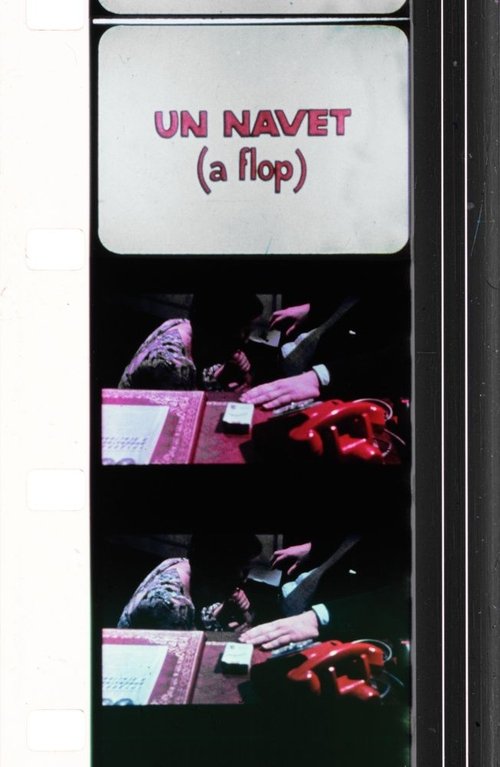
No description available.
Un navet
1978, 15 min 30
Des scènes d'amour très réalistes avec force détails et gros plans

No description available.
Chutes

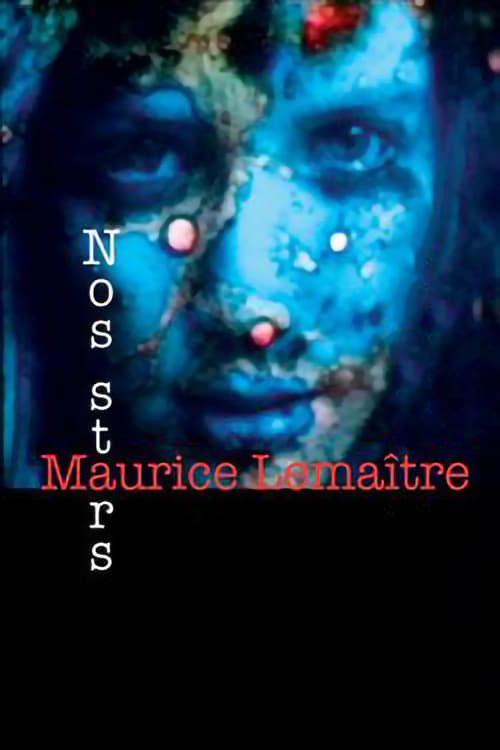
Excerpt from the film's soundtrack: - Hélène Richol: Why do you call your film "Fin de tournage"? - Maurice Lemaître: First of all because most of my films have a title relevant to the cinema: ever since "Le film est déjà commencé ?", "Votre Film", etc. (...) And then because when I thought of doing this film, I was very depressed... not in good shape... And I thought that this would be my last film.
Fin de tournage
No description available.
Positif-Negatif, notre film
No description available.
Le film de demain

Extract of the sound of the film: Sir, Following your first letter and according to your indications, the viewing of the press conference of General de Gaulle on May 16, 1967 was carried out by us. I regret to inform you that the questions - of which you had sent me the text - not appearing in the document archived at the INA, no copy of this press conference can be transferred to you.
L'Ayant-Droit

A trailer of Maurice Lemaître's films. One finds in this work some of the techniques used by Maurice Lemaître that are blossoming and that are applicable to his own work, thus becoming an auto-promoting instrument. A game on the nature of film that is addressed to the particular genres that are the propaganda film and the advertisement film.
Bande annonce
No description available.