Camera
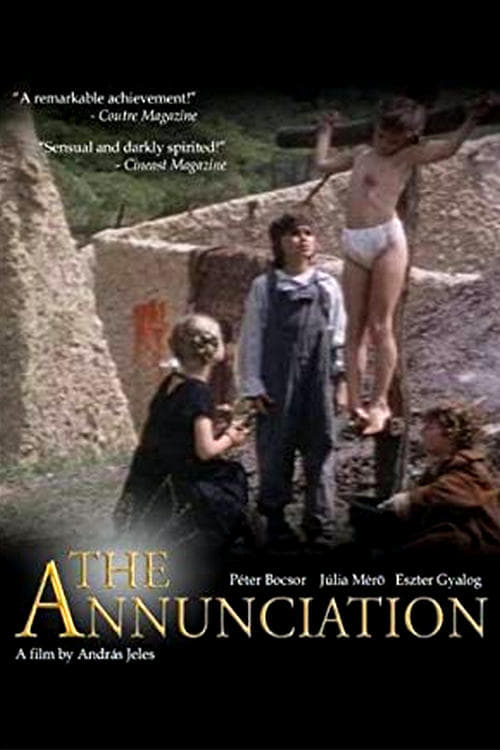
Ever since I started making films it has bothered me in a certain sense that film images are far too concrete, because technically they try to imitate the sense of space characteristic of everyday life. So the story ignites the imagination only to be slowed down by the images and stops the viewer from taking a flight of fantasy. I have always been searching for an intrinsically different tool in filmmaking. One that could record space in its temporal progression. I would never have thought it existed!
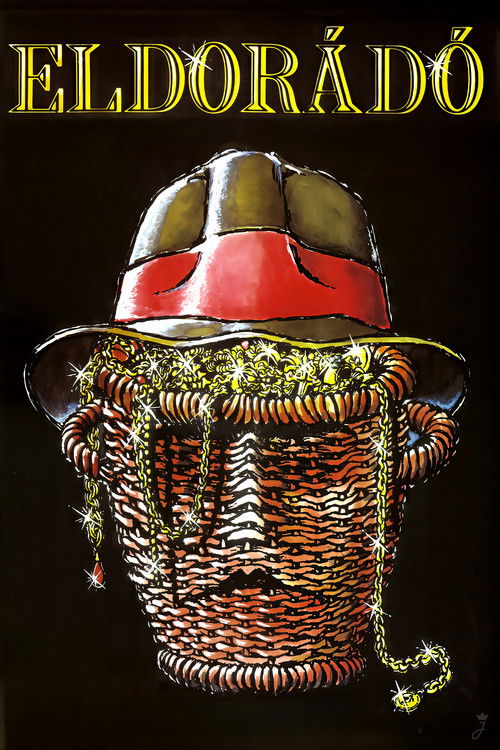
A deep drama about life in Hungary after the WW2 until the revolt against Russians in '56. The main character is the head of the black market in Budapest. He thinks he can buy everyone and everything but at the end he must face that he can't buy life. A must-see for everyone. Casting involves some of the greatest Hungarian actors. The story takes place in the eighth district of Budapest focusing on the market place on Teleki square which is still working. The movie contains some archive footage of real fight during the revolution.
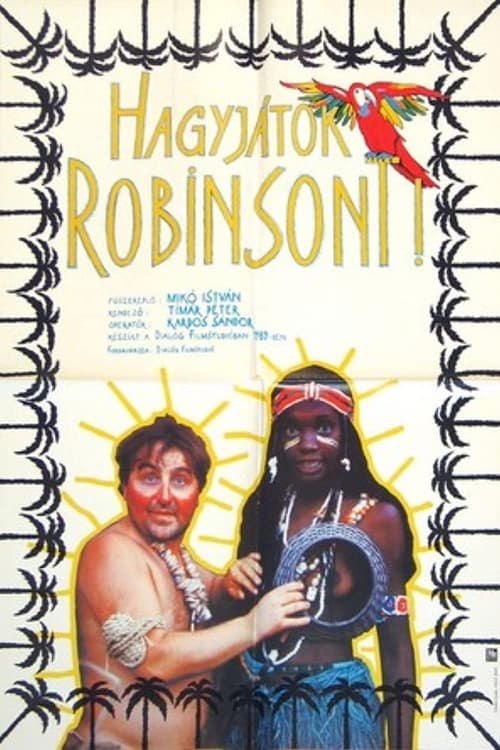
Defoe, lacking fantasy of his own takes home the drunkard sailor from the pub and lets him tell his stories on the uninhabited island.
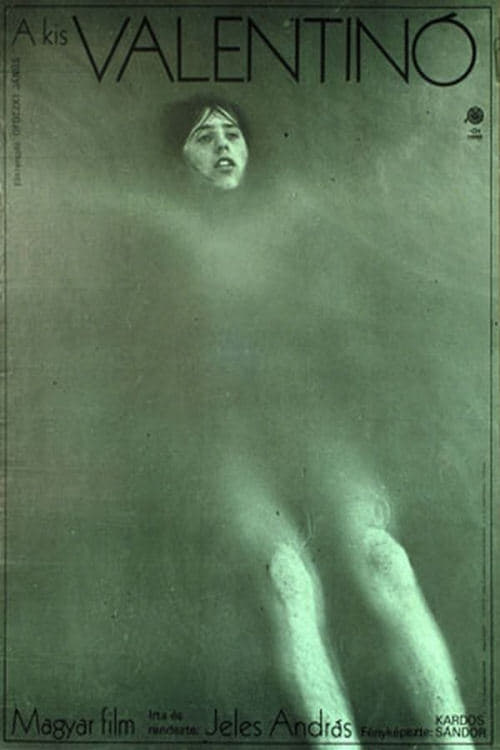
The twenty-year-old young man Sz. László is a lorry guard employed by an agricultural co-operative located in the vicinity of the capital. One day he neither posts the money officially entrusted to him nor goes to work, spending time and money as he likes on things he otherwise cannot afford, such as hanging around, sweets, driving in taxis, restaurants, Lake Balaton, girls, etc.
Adam and Eve, after Eden, are granted dreams of the world to come by a deceptively sweet but ultimately contemptuous Lucifer. Adam confronts an endless procession of the horror of the human story... rapists and concubines, betrayal and savagery, mindless cruelty and fanaticism.
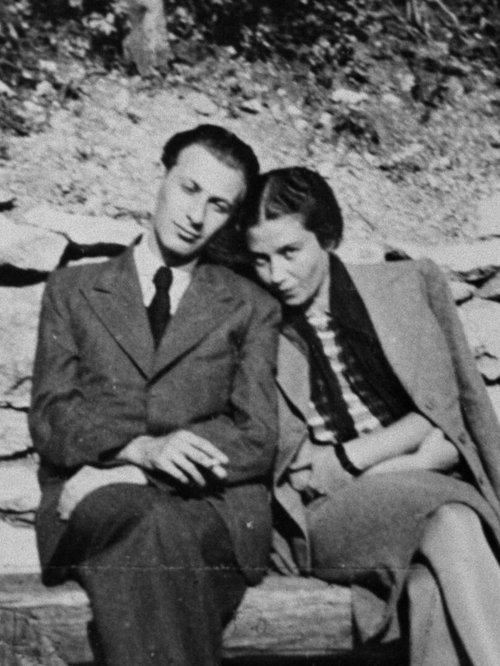
Documentary short about Hungarian poet Miklós Radnóti (1909-1944).
The main character, Béla Hackspacher, is a forklift driver. He lives in a small rented flat with his wife Irén, his two children, his mother-in-law and Rózsika, a subtenant who is about to become a dance singer. Béla learns at a community cultural programme that he has a 12 on the toto. The show stops, to great joy. The day arrives, 23 October 1956, when Béla can collect his prize.
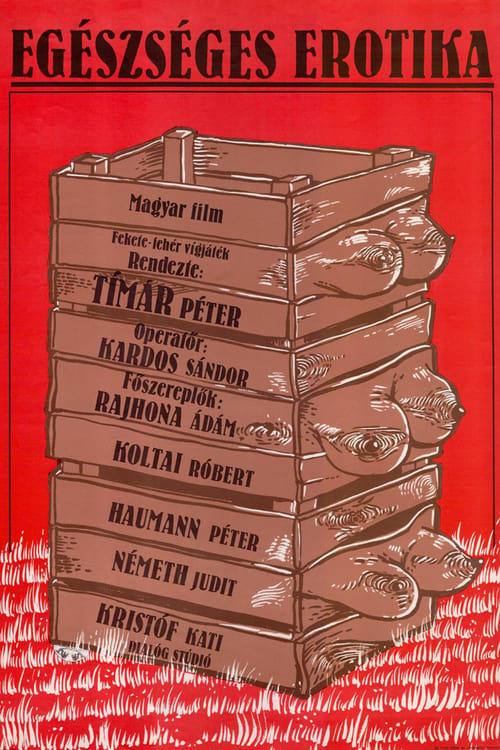
In the box factory standing in the middle of nowhere only women work, and they themselves only waste their time, as the unmarketable boxes pile up in the yards. The fireman in duty, who stores stolen gasoline in the inflammable plant, sets up cameras in the women's locker room the sake of 'business'.
No description available.
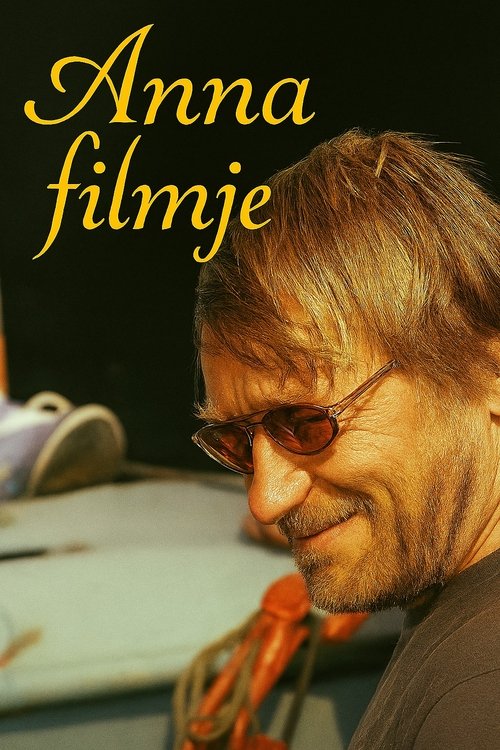
One summer morning, Anna tells her husband, the writer, that she is in a blessed state, but that she doubts whether she should have a fourth child in addition to the three she already has, because "having children here is, to put it mildly, illogical". This decision is explored in the film as events of the present are interspersed with memories of the past.
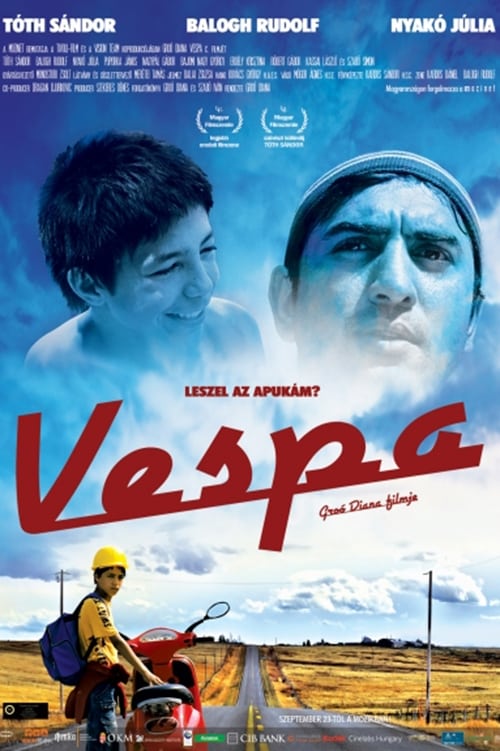
A boy's secret trek from his country town to Budapest to claim a prize evolves into the hopeful search for his missing father. Lali, a Roma boy, wins a chocolate bar from a friend in a card game and discovers that the wrapper makes him the lucky winner of a red motor scooter. How to claim the prize in person, as required, when you're only twelve and look much younger? First-time director Groó creates a sure and realistic depiction of childhood on the cusp of manhood in this sensitive and lovingly crafted coming-of-age story.
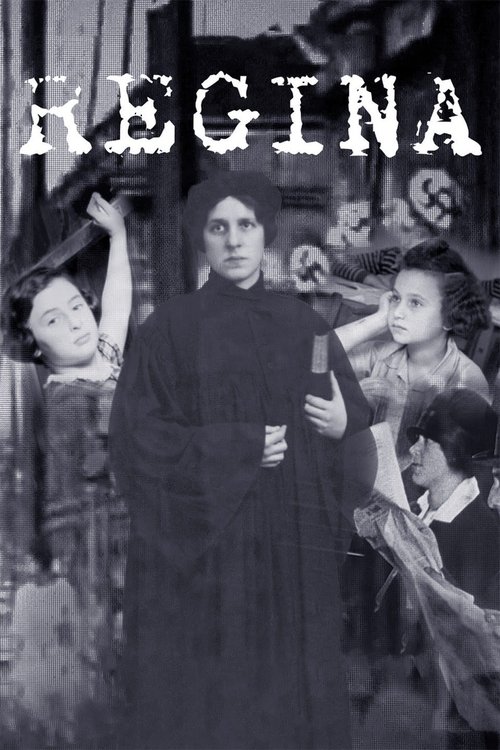
The first woman rabbi in the world, Regina Jonas, comes to light, courtesy of Rachel Weisz – who plays her – and her father George Weisz, who was the executive producer for this poetic and beautiful documentary. The daughter of an Orthodox Jewish peddler, Jonas was ordained in Berlin in 1935. During the Nazi era and the war, her sermons and her unparalleled devotion brought encouragement to the persecuted German Jews. Regina Jonas was murdered in Auschwitz in 1944. The only surviving photo of Jonas serves as a leitmotif for the film, showing a determined young woman gazing at the camera with self-confidence.
At the time of the regime change, Imre Kopa travels to Austria with three suspicious characters to buy various items for his client. But in Vienna, nothing goes as planned.
Japanese guy meditating on stuff.
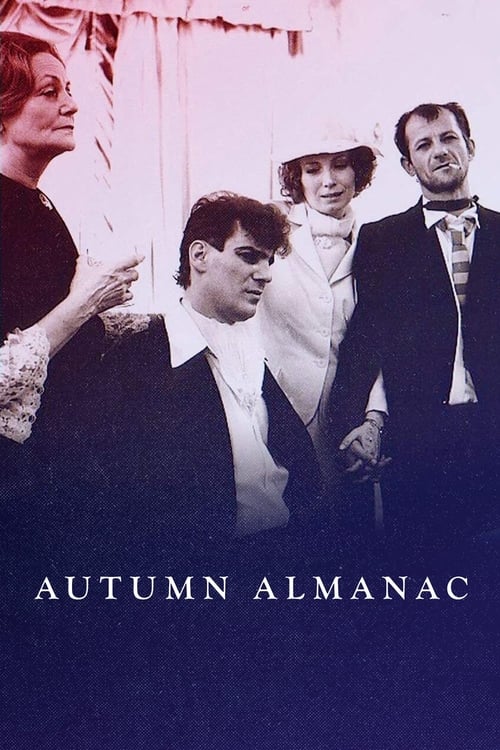
In this dense setting, the inhabitants of a large, claustrophobic apartment reveal their darkest secrets, fears, obsessions and hostilities.
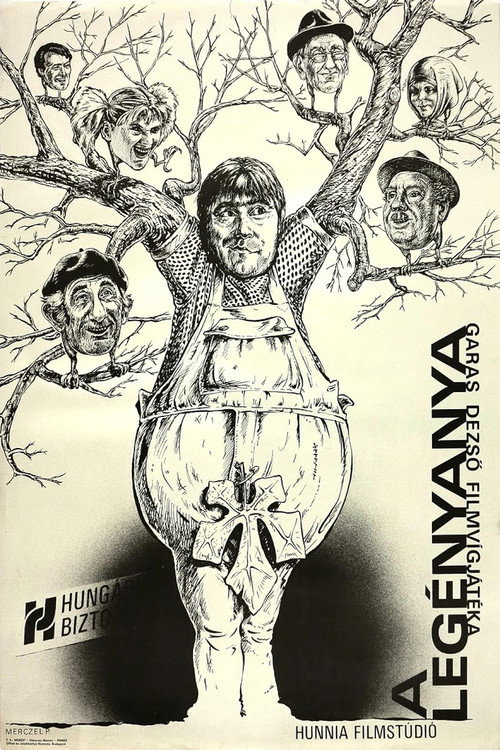
In the small village of Rátót, every male is called Béla. When a woman gives birth to her child, she names him Józsi...
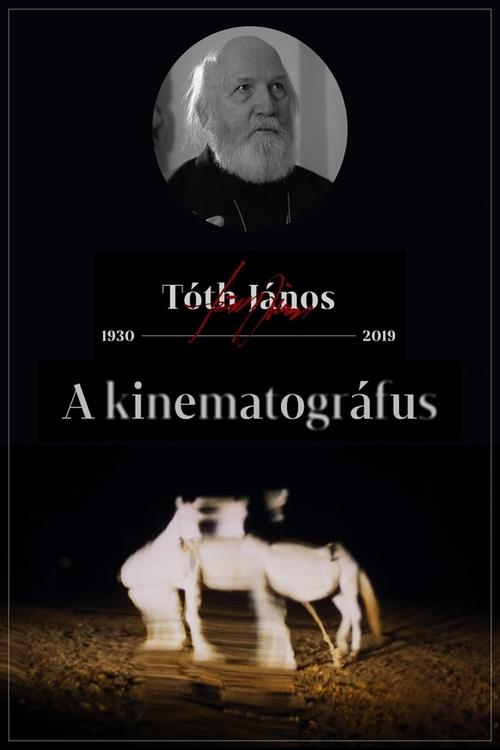
In memory of Janos Toth. The ciematographer on title is no other than János Tóth, who is still the role model and reference point for all Hungarian cinematographers. He has proven his unique talent in all cinematographic genres. In his unmissable features, shorts and documentary films, he set an example to his peers with his tight compositions and his art of light. His experimental cinematographic films, shot with the optics he developed, were far ahead of their time. Our portrait film explores the oeuvre of this exceptional cinematographic artist.
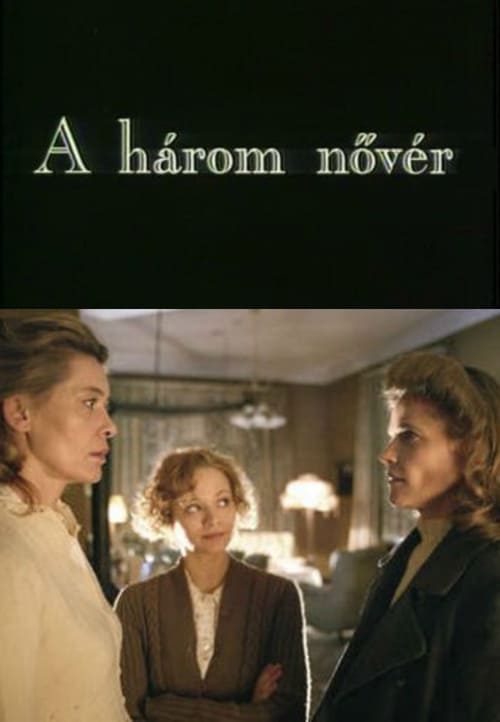
The sisters have been living in a Soviet barracks in Hungary for eleven years. They long to go to Moscow, but they are drawn here by habituation and inertia. Their father, the brigade commander, is dead, yet they are unable to act and prefer to remain in the closed world of the barracks. So the plot is the same, only the setting has changed.