FEEL IT.STREAM
Ugo Ulive

Ugo Ulive

Directing

Biography

Born in Montevideo (Uruguay) in 1933, he was a Uruguayan-Venezuelan director, actor, playwright and novelist who later adopted Venezuelan nationality. He began his career as a radio actor at an early age. Determined to continue his acting career, he became part of the community of independent theater actors in Montevideo. There, seduced by direction rather than acting, Ulive developed his talent as a director of Theater and Lighting. At the same time, he explored the world of cinema by carrying out several short-term film projects. In 1961 he left for Havana, where he directed the National Theater of Cuba, continued his inclinations for the cinema, and founded the National School of Dramatic Arts, where he taught for several years. After a brief stay in Montevideo (1966-1967), an independent theater invited Ulive to work in Caracas (Venezuela) for a duration of three months, but he remained there for the rest of his life. There he continued his passion for theater and lighting direction, for cinema, dramaturgy and novels. In 1993, Ulive received the National Theater Award, recognition of the highest value in Venezuela.

Known For

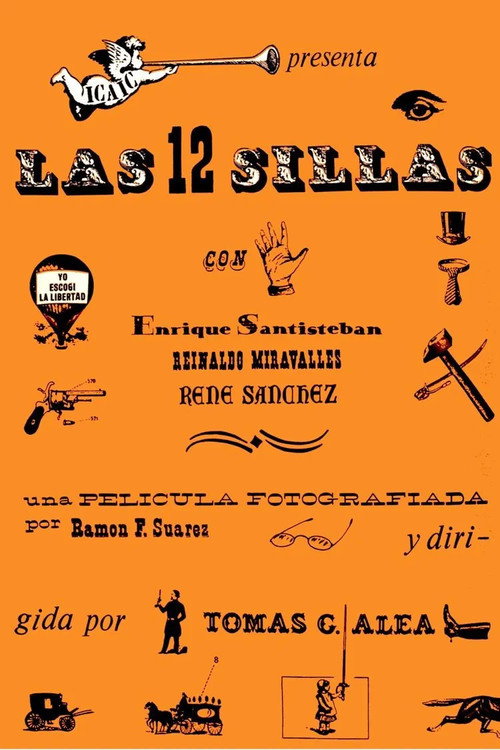
The Twelve Chairs
7.5

When her country is taken over by socialist revolutionaries, a wealthy woman can't bear to give up all of her wealth and possessions to the new government, so she hides all of her treasures in the 12 chairs of a dining-room set. After her death her nephew finds out what she had done and, since the chairs had been "nationalized" and are now in the possession of a dozen different people, he sets out to track them down and get the treasures he believes rightfully belong to him.

The Twelve Chairs

1962
Diamantes
N/A

Diamantes, short produced by the ULA, registered the birth of a new town: San Salvador de Paul, the arrival of new residents, farmers who ventured in search of riches, merchants, gamblers, prostitutes, all trying to snatch the momentary wealth of those who discovered the mineral, typical image of underdevelopment.

Diamantes

1969
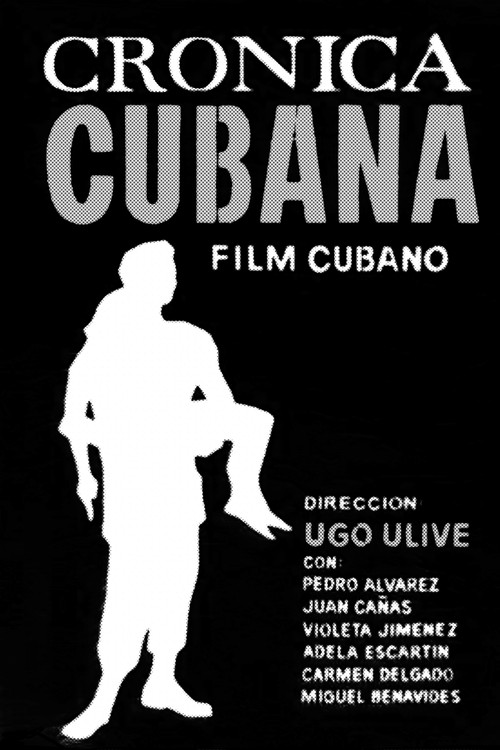
Crónica cubana
10.0

After the triumph of the Revolution, the construction of a new society reshapes the lives of a group of characters, forcing each of them to confront a transformed future. Luis, a young, poor Black man; Fernando, an exiled professor returning to his homeland; Rafael, a labor leader, and his daughter Niurka; and Ricardo, a young bourgeois who fought against the tyranny but now resists the loss of his former social status. Each will be pushed to extreme situations that compel them to redefine themselves in relation to the new meaning the Revolution has given to their lives.

Crónica cubana

1963
La Espera
N/A

Loosely based on the tale “La Espera” by Jorge Luis Borges.

La Espera

1952
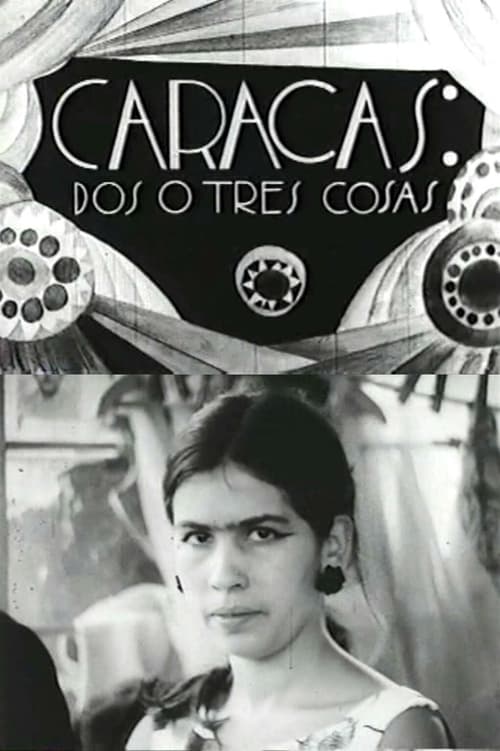
Caracas, dos o tres cosas
10.0

Ugo Ulive took his camera for a walk though the streets of Caracas, contrasting daily reality with a soundtrack taken from radionovelas, news broadcasts and popular music.

Caracas, dos o tres cosas

1969
TO3
N/A

A testimony of the torture experienced by José Efraín Labana Cordero in an anti-guerrilla camp called TO3.

TO3

1972
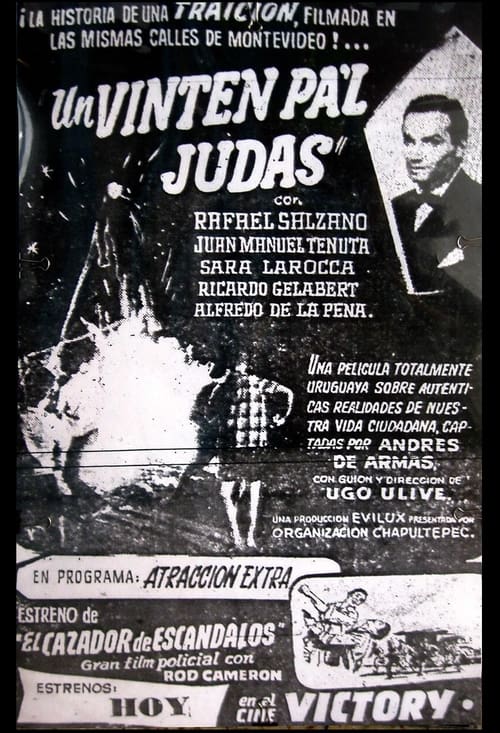
Un Vintén pa’l Judas
N/A

Christmas Eve. The children ask for money for the Judas (Un Vintén pa’l Judas), and the protagonist, a failed tango singer without means or will to live, meets a friend, a public employee, in search of some rummage. This one asks him to buy a lottery. The tango singer, in need of money to buy a guitar to use in a singing contest, collects the winnings for himself, betraying the trust of his friend, in the same way as the Judas that the children burn on the streets.

Un Vintén pa’l Judas

1959
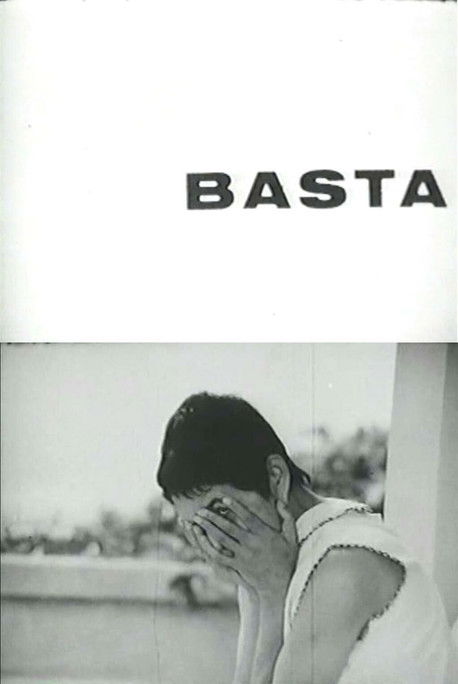
Enough!
9.0

“Through the use of violent symbols (loosely associated with Artaud’s notion of cruelty), some of the consequences of the current social organization in Latin-America are exposed: the alienation, marginalization and reification of men, and the continuous presence of imperialism, considered as rape.” (UU)

Enough!

1969
Elecciones
6.0

Documentary on the electoral system in Uruguay. It focused on the upcoming federal elections, criticizing both of the country's political parties.

Elecciones

1967
Como el Uruguay no hay
N/A

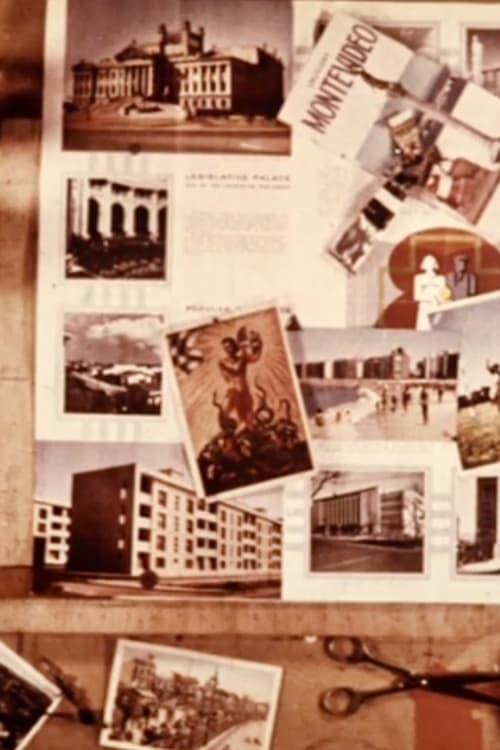
Early on, Ugo Ulive, with his short film Como el Uruguay no hay (1960), seeks to raise awareness and involve the viewer in political action and its radical transformation. Through a collage of animations, archival footage and a counterpoint sound montage, Ulive attacks traditional left-wing and right-wing politics and exposes the contradictions of a pillar of national identity: Uruguay's famous democracy. Note that we are in 1960 and while the voice over presents Montevideo as "a small agitated city", the images show a tense scenario with social protests and a politicized urban space with the presence of mounted police.

Como el Uruguay no hay

1960
TVenezuela
N/A

An analysis of the history of television in Venezuela, subjected to economic power and market interests. The film explores the messages that television reproduces through its "anchors" and the much-criticised soap operas.

TVenezuela

1969