
Yang Yong-hi
Directing
Known For
NHK WORLD PRIME brings you a world of mainly documentaries, and more. Tune in to see special select programs on all sorts of topics and genres.
NHK WORLD PRIME
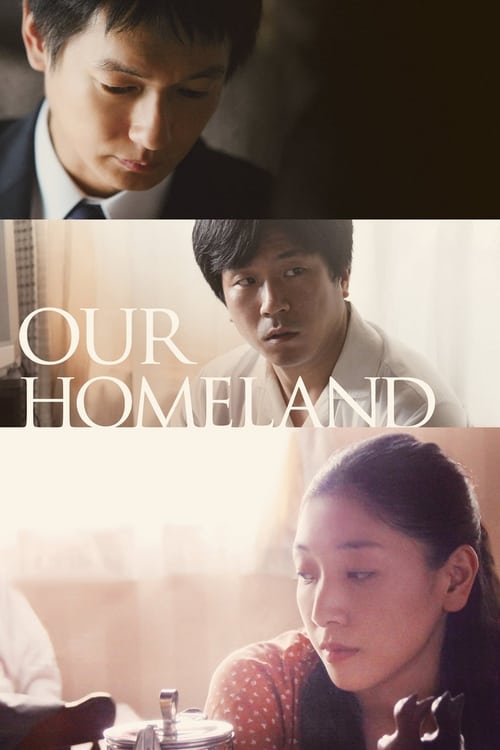
From the late 1950s through the '70s, more than 90,000 of the ethnic Koreans in Japan emigrated to North Korea, a country that promised them affluence, justice, and an end to discrimination. KAZOKU NO KUNI tells the story of one of their number, who returns for just a short period. For the first time in 25 years, Sonho is reunited with his family in Tokyo after being allowed to undergo an operation there. Sonho’s younger sister Rie is at the centre of the film, and is not hard to recognise as the director’s alter-ego. In her documentaries DEAR PYONGYANG and SONA, THE OTHER MYSELF, Yang Yonghi told the story of her own life, and how, at age six, she experienced the departure of her three older brothers, who left their family for Pyongyang.
Our Homeland
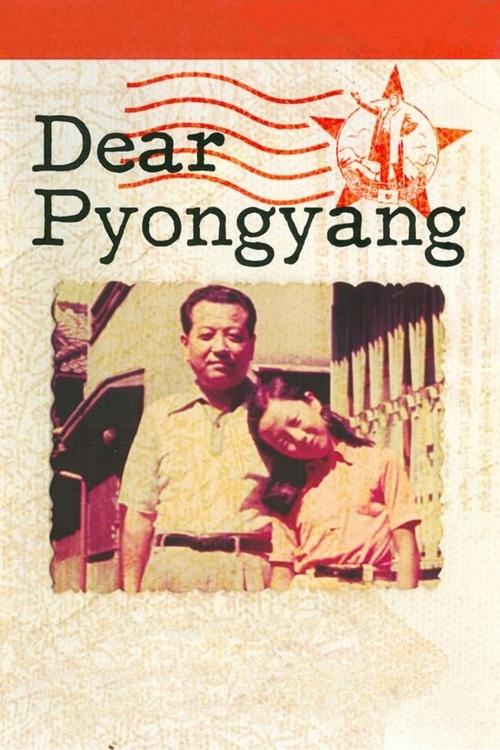
Dear Pyongyang is a documentary film by Zainichi Korean director Yang Yong-hi (Korean: 양영희, Hanja: 梁英姬) about her own family. It was shot in Osaka Japan (Yang's hometown) and Pyongyang, North Korea, In the 1970s, Yang's father, an ardent communist and leader of the pro-North movement in Japan, sent his three sons from Japan to North Korea under a repatriation campaign sponsored by ethnic activist organisation and de facto North Korean embassy Chongryon; as the only daughter, Yang herself remained in Japan. However, as the economic situation in the North deteriorated, the brothers became increasingly dependent for survival on the care packages sent by their parents. The film shows Yang's visits to her brothers in Pyongyang, as well as conversations with her father about his ideological faith and his regrets over breaking up his family.
Dear Pyongyang
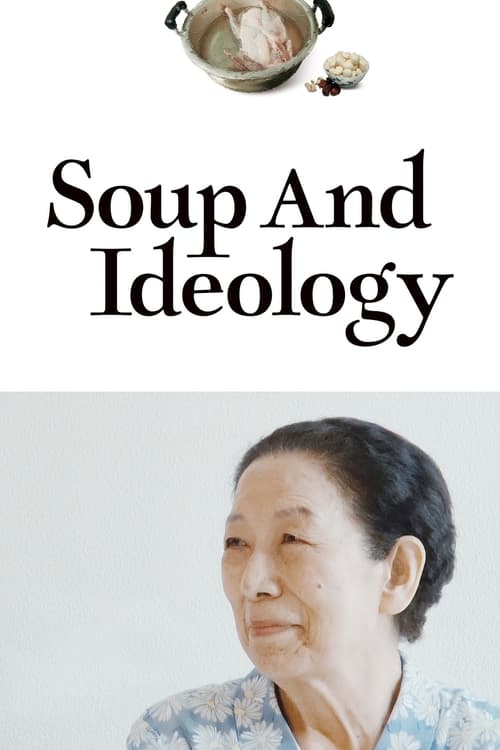
Confronting half of her mother’s life—her mother who had survived the Jeju April 3 Incident—the director tries to scoop out disappearing memories. A tale of family, which carries on from Dear Pyongyang, carving out the cruelty of history, and questioning the precarious existence of the nation-state.
Soup and Ideology
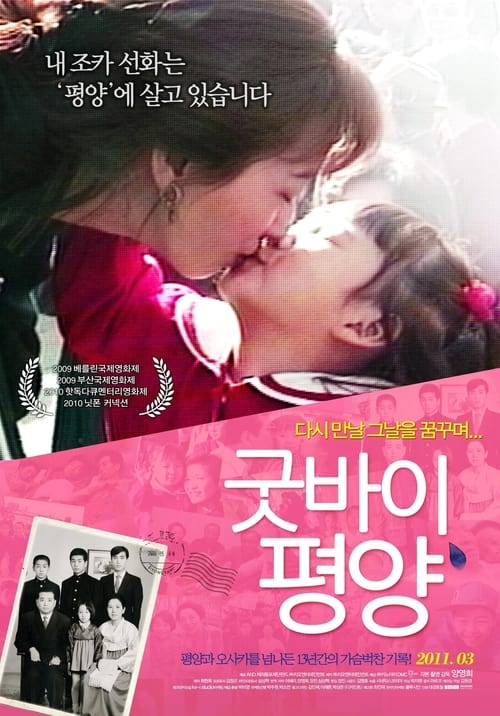
Documentary focuses on Sona, the daughter of the director’s brother who moved to North Korea from Japan in the early 1970s. Through Sona, the film shows the generation that migrated from Japan to North Korea and their offspring who were born and raised in North Korea.