FEEL IT.STREAM
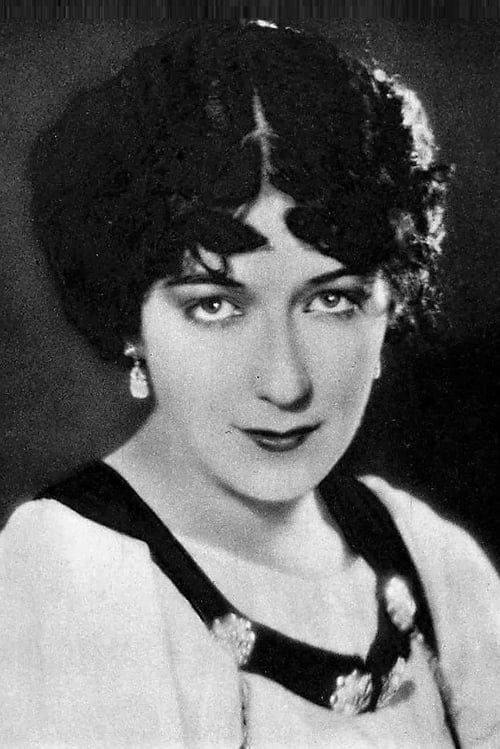
Aileen Pringle

Aileen Pringle

Acting

Biography

Aileen Pringle's favorite film was a mid-1920s silent based on a book by Elinor Glyn: Three Weeks (1924), sort of a "Lady Chatterly's Lover". She recalled in a 1980 telephone conversation: "The film was in good taste; some people thought the book was trashy". Anita Loos wrote in "A Girl Like I", the first volume of her autobiography, vaudeville comic Joe Frisco telling Glynn: "Leave me get this straight. You want to find some tramp that don't look like a tramp, to play that English tramp in your picture. But take it from me, that kind of tramp don't hang out in Hollywood". Aileen had spent her 20s married to Charles McKenzie Pringle, the son of Sir John Pringle, a Jamaica landowner and a member of the Privy and Legislative Councils of Jamaica. Aileen lived in Jamaica until she went on stage with George Arliss. When she began divorce proceedings against Pringle in 1926, Hollywood gossip columnists speculated she would marry H.L. Mencken. She did not remarry until 1944 when she became the bride of James M. Cain, author of "The Postman Always Rings Twice". I opened my 1980 telephone conversation with Aileen by mentioning that the day before I had been reading her correspondence with Mencken at the New York Public Library. "But all the letters were destroyed", she said. I knew that Mencken had asked for all of his letters to her back at the time he became engaged to Sara Haardt. Aileen was the only woman who received such a request from Mencken at that time. "It was your letters from the late '30s and '40s I was reading", I told Aileen. "In one of them Mencken was urging you to write a book. Did you ever finish it?" "No. I got married instead." In a 1946 letter she wrote to Mencken. "If I had remained married to that psychotic Cain, I would be wearing a straitjacket instead of the New Look." Date of Death 16 December 1989, New York City, New York

Known For

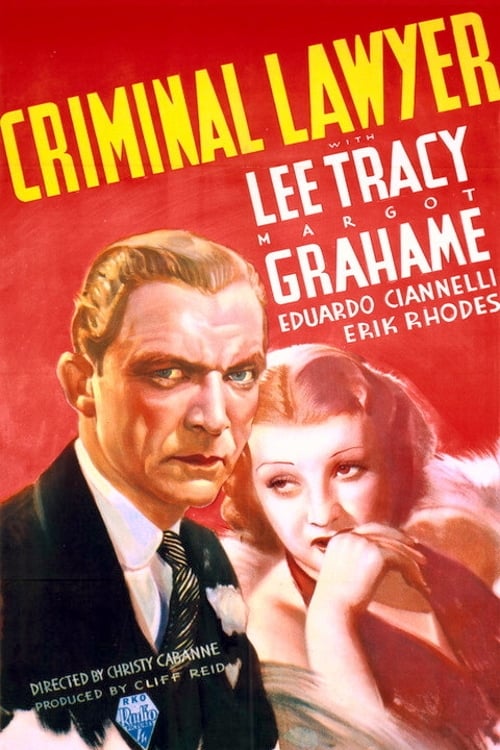
Criminal Lawyer
6.5

Barry Brandon, a criminal lawyer, visits the night club of Denny Larkin, his primary client, with Betty Walker, a spoiled society girl. The police raid the club and Brandon pleads that the whole group is guilty, just to get even with Larkin for a rebuke. On the same night in court, Madge Carter is on trial for disorderly conduct, and Brandon volunteers to defend her, and proves the case against her if a frame-up. Finding that she is penniless, Brandon hires her as his secretary, and falls in love with her. Brandon is appointed district attorney and has ambitions of becoming the state governor. Having dinner at Betty's home, she maneuvers him, while he is drunk, into marrying her. Later, Madge is a witness when Larkin shoots down a fellow gangster. By threatening Brandon's life, he forces her to commit perjury at his trial, and say he fired in self-defense. Brandon, the prosecuting attorney (who has had his marriage to Betty annulled) knows she is lying but doesn't know why.

Criminal Lawyer

1937Movie
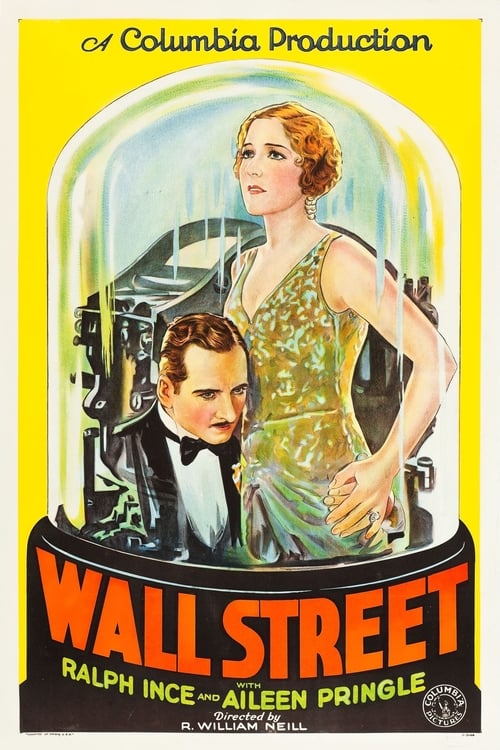
Wall Street
7.0

A very topical early talkie from low-budget company Columbia Pictures, Wall Street starred Ralph Ince, brother of producer Thomas H. Ince, as Roller McCray, a steelworker turned ruthless tycoon whose tough business methods leads a rival (Philip Strange) to commit suicide. The widow (Aileen Pringle), believing she can ruin Ince by using his own methods, conspires with her husband's former partner (Sam De Grasse), but a strong friendship between Ince and Pringle's young son (Freddie Burke Frederick) changes things dramatically. According to future Three Stooges director Edward Bernds, who worked as a sound mixer on Wall Street, Ince's reaction to his rival's suicidal jump from a window ledge was changed from a sneering "I didn't think he had the guts" to the more respectful "I didn't think he'd do it" due to derisive laughter from the film's crew.

Wall Street

1929Movie